Verdant green was returning to the savannah meadows east of Catherine Creek in early December, just four months after the Burdoin Fire had swept through.
Last July the Burdoin Fire burned a swath nearly 10 miles long and blackened more than 11,000 acres along Washington State Route 14 between the towns of White Salmon and Lyle. Though no lives were reported lost, more than 100 structures were destroyed in the fire and the town of Lyle evacuated.
This is the final article in a 3-part virtual tour of the ecological aftermath of the fire in three separate areas with the burn zone, each with a different story to tell. Part 1 of the series can be found here and Part 2 is here. This final installment examines the eastern part of the fire, where it burned through the Catherine Creek canyon and across the sloping oak savannah directly east of the canyon (shown as subarea 3, below). This tour follows the lop shown in blue.
If the story of the twice-burned area west Catherine Creek was one of fragility – of an ecosystem not able to fully recover from back-to-back wildfires — the story of the east Catherine Creek area is a more hopeful one, where periodic fires improve the Oak savannah landscape when the ecosystem has time to rebound.
Catherine Creek East: the potential for sustainability
The third subarea in this series is the most-visited part of the Catherine Creek natural area, featuring some of the most travelled trails in the Columbia River Gorge – including an accessible loop trail and the popular Catherine Creek loop that passes a rare basalt rock arch, a unique and culturally significant place for area tribes.
The rail fence surrounding the Catherine Creek Arch completely burned in the fire, but had already been replaced by early fall to continue protecting this culturally significant spot.
An early takeaway is that Burdoin Fire was beneficial to this part of the burn, clearing overgrown brush and downed fuel and rejuvenating the sprawling meadows. Not surprisingly, the newly burned areas here fared better than those in the twice-burned west Catherine Creek area, especially the survival of oak and pine groves.
At east Catherine Creek, most of the Ponderosa pine survived, though some old giants were toppled. We won’t know the full impact on Oregon white oak trees until they leaf out in spring, though many here seem to have survived. As keystone species, the recovery of pine and oak groves here is essential to the ecosystem, and so far, the prospects for this area are encouraging.
In a pattern seen throughout the burn, deeply blackened spots mark areas where underbrush and accumulated debris burned hottest, impacting nearby trees and slowing the rebound of savannah grasses and wildflowers.
The popular Catherine Creek Loop trail begins along the stream, climbing through its vertical-walled canyon to views of the rock arch along the east wall. The trail then doubles back to follow the east rim and return to the trailhead on State Route 14. Like the Labyrinth, Bitterroot and Rowland Wall trails to the west, the Catherine Creek Loop passes mostly through a landscape scoured by ice age floods, with thin, rocky soils and craggy basalt outcrops.
Oak and pine groves grow dense and tall within the sheltered confines of the Catherine Creek canyon, but are widely scattered and mostly stunted in the exposed savannah, where the soils are thin and west winds are relentless.
The Oaks
Most of the Oregon white oak groves at east Catherine Creek are concentrated within the creek canyon, itself. Here, they form large stands up to 60 feet tall, thanks to the protective 100-foot cliff walls that enclose the canyon. Smaller oak groves grow in pockets throughout the area where soils are deep enough to support them.
Tall oak groves cover much of the sheltered valley floor along Catherine Creek. Many seem to have survived the Burdoin Fire.
The canyon groves seem to have largely survived the fire, having completed their fall dormancy cycle by dropping their foliage, and thus leafless (as they should be) when I toured the area in December. This could reflect their proximity to Catherine Creek and simply being better hydrated at the time of the fire last July than trees growing in the rocky, exposed slopes above the canyon.
A few groves were more heavily impacted, notably the grove in front of the Catherine Creek Arch, which grows on a dry, rocky slope slightly above the canyon floor. Wherever it burned in the canyon, the fire cleared much of the understory and fallen trees and limbs that had accumulated over many years. As is the case throughout the Burdoin Fire, the canyon oaks that did succumb to the fire were often trees with hollows that allowed the fire to ignite dead heartwood, causing these trees to eventually collapse under their own weight.
A common sight throughout the Burdoin burn, this hollow oak continued to burn from the inside out long after the fire had moved east, eventually toppling under its own weight.
This ancient oak had suffered a direct lightning sometime in its long life, but was hanging on with a single limb as of last spring…
…but the Burdoin Fire quickly made its way into the old tree’s hollow trunk, burning it from the inside out….
…and leaving its fallen trunk nearby on the ground – charred only on in the inside, a common sight after wildfires on the oak savannah.
The baked ground tells the story, here – the fire burned away brush and charred this fallen log, hot enough to kill several nearby oaks.
Hollows like these can be seen through east Catherine Creek area, marking dead stump that were completely burned away by the fire – including tunnels that mark where roots once were.
This big oak at west Catherine Creek seems to have survived, if only barely….
…a closer look shows a patch of ground where the fire burned long an hot, likely fueled by brush and downed debris…
…and burning long enough to char the exposed heartwood of this tree, though not enough to ignite it….
…thus allowing the oak to complete the growing season this fall and produce another crop of acorns that will serve as a food source over the winter for wildlife and help renew burned areas in spring.
The Pines
Ponderosa pine fared better in the east Catherine Creek area than in any areas to the west, including the Labyrinth, as the Burdoin Fire seems to have lost some intensity as it moved past Catherine Creek. Many younger Ponderosas in the open savannah area above the canyon benefited from the fire, as they will eventually shed scorched, lower limbs that would expose them to crown fires in future burns. Many large pines escaped the fire completely intact, thanks to their already elevated crowns that were high enough to escape the reach of the flames in this section of the fire.
As with old oaks, a few large Ponderosa were felled by the fire when prior damage to their trunk exposed vulnerable heartwood to prolonged burning. Like the fallen oaks that burned from the inside out, these big pines collapsed under their own weight once their trunks had been compromised by the fire.
This very large Ponderosa in the open savannah was felled by the fire…
…it’s hollowed out stump tells the story: the fire entered the tree’s heartwood, burning it from the inside out until the tree collapsed under its own weight.
This picturesque old Ponderosa was standing tall last spring…
…but the fire burned it almost completely after toppling the tree…
…leaving only its dismembered limbs and a stripe of bare ground where the completely burned trunk once lay…
…nearby, the hollowed-out stump was only a thin shell of fire-resistant bark still standing where the trunk of this tree once stood.
This Ponderosa is the picture of fire-forest adaptation. I’s lower limbs were killed by burning understory, but its crown remains green and healthy. If given a chance to recover for a few years, it will be even more resilient to subsequent wildfires.
This stunted Ponderosa in the open savannah is a surprising survivor, given its low canopy and nearby and numerous nearby pines that did not survive…
…but a closer look at its trunk shows that the fire simply didn’t burn long or hot enough here to char the bark, and instead only singed a few lower limbs. The blackened area east (and downwind) of the tree did burn hot, but with flames blowing in that direction, and away from the tree, it was not enough to kill this survivor.
Charred human history at Catherine Creek…
Before the Burdoin Fire, the Catherine Creek Loop trail featured an old corral and collapsed barn from when the area was still a working cattle ranch. The fire completely consumed these traces of cultural history, save for piles of rocks that once supported fence posts.
The fire also consumed wood rail fences constructed by the Forest Service several years ago to limit access to the Catherine Creek Arch, a sacred site to area tribes. While these were completely consumed by the fire, they have since been replaced by the Forest Service, just months after the fire. The new rails were even salvaged from a recent Douglas fir removal effort in the Major Creek basin, where the Forest Service is working to restore Oregon white oak groves threatened by invading conifers. The rock arch was unaffected, though several large pine and oak trees near the arch appear lost to the fire.
The old corral along Catherine Creek in better days last spring…
…and the same spot after the fire, where only the rocks that held up the fence posts survived.
New fences have already been constructed to project the Catherine Creek Arch cultural site…
…and only a few scraps of charred rail remain of the old fence.
The fire burned hot in this spot below the arch, burning a brushy area and completely destroying the old fence that protected the site. The newly installed fence is shown here, standing out starkly against burned logs and scorched ground.
The loop trail once had two footbridges, a user-built upper bridge and a large lower bridge constructed by the Forest Service in 2019. The modest upper bridge was partly destroyed by falling debris, and now is partly submerged in Catherine Creek. A large debris pile just downstream now serves as the upper “bridge” until a new structure can be built – one that has long been planned by the Forest Service.
Thought tilting a bit, the large, new lower bridge over Catherine Creek seems to have survived without any impact from the fire.
Fortunately, the much larger lower bridge seems largely unaffected by the fire. Though the flames did sweep through the area – enough to clear brush along Catherine Creek just upstream from the bridge, the structure shows no signs of fire damage.
Overall, the Catherine Creek canyon and savannah grasslands to the east appear to have benefitted from the fire. Some big trees were lost, but many survived and will be better equipped to survive the next event, given time to recover. That’s what sustainability would look like here, if we were to return to a cycle of periodic grassland wildfire.
The path forward is a choice…
It’s a fact that fire is a natural and necessary part of the Oak Savannah ecosystem of the East Gorge, but we’re entering an uncharted era with climate change, decades of fire suppression and an ever-growing population living in the Gorge. Is it even possible to find sustainability?
There are no easy answers to striking a sustainable balance, and the Top of the World Fire in 2025 underscored that reality. The fire escaped a controlled Forest Service burn along the upper margins of the Catherine Creek savannah, quickly spreading through the west meadows.
Social media recriminations against the Forest Service spread as quickly, with much second-guessing of the agency decision to conduct the burn, along with wildly false information about the practice, itself. If moving the public mindset away from total fire suppression was challenging before the advent social media, it has become truly daunting now.
Grassland prescribed burn in the Gorge IUSFS)
Despite the public uproar — and legitimate questions that that arose from the Top of the World incident — it’s a reality that the escalating pace of human-caused fires is a real threat to the long-term health of natural ecosystems and the safety of people who live in the Gorge. The true threat isn’t from prescribed burns, however. It’s from all of the other human activities that continue to cause the vast majority of wildfires in the Gorge. Statewide, the Keep Oregon Green non-profit puts the share of human-caused fires at 70% of all wildfires.
There is good news, however. A growing body of evidence in recent years from wildfire research continues to underscore real options for how we can slow this trend through better fire prevention and sustainable land management. Of these, prescribed burns top of the list as both essential for sustainable forest and rangeland management and for preventing or minimizing the impact of unplanned, human-caused wildfires.
Here are some key facts to consider and share as an advocate for finding balance in the Gorge ecosystem:
Prescribed burns reduce the risk of more dangerous, uncontrollable wildfires, with studies showing they reduce fuel loads by about 50%. Consider that the Burdoin and Top of the World fires would have been much more destructive had the Forest Service not been actively conducting prescribed burns in the Catherine Creek area for many years prior.
Prescribed burns have a very high success rate. Over 99% stay within their intended boundaries and greatly reduce the destructive intensity of future wildfires. People living on rural acreages in the Gorge can be among the most vocal in their opposition to prescribed burns because of smoke and the potential for fires to escape. In reality, controlled burns — coupled with creating defensible space on private property by clearing flammable vegetation near structures and hardening homes with fire-resistant materials – are the best defense for people who choose to live there.
While the US Forest Service conducts roughly 4,500 prescribed fires nationally each year, only about seven (roughly 0.15%) escape, representing a tiny fraction of the over 60,000 total wildfires that occur each year – the majority of which are human-caused.
(Source for the above: U.S. Congressional Budget Office and Washington DNR))
The Burdoin Fire was only the latest of several human-caused fires occurring up and down the Gorge in just the past few years. It’s a fact that isn’t emphasized enough, with local media often reporting each event as a one-off, and rarely covering the human factor in the larger trend that is unfolding before us.
Though fire may be overdue in many of the areas that have burned, the timing of human-caused fires is usually terrible – at the height of the dry season when fires like the Burdoin burn hottest and spread uncontrollably, maximizing impacts on both the environment and people living in the Gorge.
Low-intensity prescribed burn in the Columbia Gorge in 2018 (USFS)
While controlled burns are a critical tool moving forward, they are not the sole answer. One fire prevention tool that remains largely absent is enforcement. With the infamous exception of the Eagle Creek Fire in 2017 – where teens responsible for the fire were held heavily accountable – most human-caused fires on public lands go unsolved. This deprives the public of both accountability for those causing the fire and increased awareness of the behaviors that lead to human-caused fires. The human-caused 2020 Riverside Fire in the Clackamas River canyon is just one tragic example. It remains unsolved, despite being one of the largest, most destructive fires in recent memory in WyEast Country.
Catherine Creek canyon after the fire. This is a good example of what a “sustainable” ecosystem should look like: groves of Oregon white oak, punctuated with a few spikes of Ponderosa pine.
Yet aother piece of the puzzle is shutting down access to public lands during times of extreme fire danger. Had the Eagle Creek Trail been closed on that Labor Day Weekend in 2017, when the wildfire risk was extreme, that fire would have been prevented. After the fact, the Forest Service was widely blamed for not making that call, but just imagine the public outcry if the agency had made that call, closing down recreation in the Gorge for the busiest weekend of the year – and no fires had occurred!
The same predicament isn’t new, and dogs all government agencies involved in public health and safety. While an ounce of prevention may be worth a pound of cure, public opinion and the resulting political fallout favor quick cures over short time frames of days and weeks, not preventative measures that requires months or years.
The east Catherine Creek savannah will be more open, as roughly a third of the Ponderosa pine across this grassland succumbed to the fire. The survivors will be better equipped for the next burn, moving the ecosystem back toward a few widely-scattered pines across the savannah.
Given this reality, the public health model might provide the best path for restoring ecosystem health on our public lands. That means building a broad understanding of the benefits of natural wildfires and controlled burns, and how these are different from human-caused fires.
Following the public health model would require a level of public investment in education that goes beyond Smokey Bear ads. That’s a tall order in the current political climate, but given the Federal Government has spent at least $3 billion fighting forest fires annually in recent years, there is funding to be had if this case can be made.
This gnarled old oak grows in a patch of savannah eat of Catherine Creek that dodged the fire…
…and when I went to take a closer look at this tree, I discovered that someone’s geocache was spared, too. Had the fire burned through here, the box would have survived, but the accumulated debris at the base of this tree might have burned long enough to fatally wound it.
My optimistic view is that today’s escalating pace of human-caused fires and their impact on people’s lives in the Gorge has created an opening for a more sustainable, science-informed path — despite the din of social media and our regressive politics of the moment.
In the last installment to this series, I included this image of two hikers and their dog suddenly stopping after a rough stumble down a badly damaged trail to take in the scene before them.
Hikers (and their dog) pausing to take in the spectacular view from the Bitterroot Trail just west of Catherine Creek.
The image has stayed with me in writing this series on the Burdoin Fire. It’s just one of hundreds I took that day, yet it captures what it means to so many of us to spend time in the Gorge. I do believe that our collective appreciation of its unique beauty and vulnerability is the key to protecting this place in perpetuity, so that future generations might share the same experience. I’m optimistic that we’ll forge a sustainable path.
And a closing note…
Finally, I will also add that our “collective appreciation” for the Gorge should include federal lands workers tasked with somehow protecting this area at a time when their mission and jobs are under direct attack from the current administration. Several have reached out to me over the past year, helping me to better understand and appreciate their work. Much of it is unseen by the public, but has already made the Gorge more resilient and better prepared for an uncertain future.
While we may not always agree with their decisions, it’s important in this moment to acknowledge their work and dedication under the most hostile circumstances our federal lands agencies have ever faced. In the end, our public lands depend most on the success of those who have dedicated themselves to public service – and upon the rest of us advocate for the policies and resources they need for success.
_____________
On the Bitterroot Trail in December…
If you’ve read this far, thanks for taking the time for this 3-part series — I know it was long!! In upcoming articles I’ll be taking a close look at Mount Hood’s ever-challenging glacial stream crossings along the Timberline Trail, and I’ve got many more articles that have long been in the queue. Now that I’m retired, I finally have a moment to write them!
Thanks for following the blog! I hope to see you on the trail sometime!
_____________
Tom Kloster | March 2026
(Postscript: have you visited the new companion WyEast Images Blog? Be sure to subscribe while you’re there!)
Aerial view taken last fall of the scorched aftermath of the 2025 Burdoin fire (Wikimedia)
The Burdoin Fire erupted east of White Salmon in late July last year, burning across some of the most popular recreation lands in the East Gorge. The fire began along State Route 14 and quickly spread eastward, and by the time it was controlled in mid-August, it had burned a swath nearly 10 miles long and blackened more than 11,000 acres. More than 100 structures were lost in the fire, though no lives were reported lost.
This is the second article in a 3-part series that provide a virtual tour of the aftermath of the fire on public land ecosystems across three separate areas. Each article is centered on popular trail, each with a different story to tell. The photos for this series are from mid-December 2025, when winter rains had already begun to rejuvenate the wildflower grasslands. Part 1 of the series can be found here.
This second installment examines the central part of the fire, where it burned across the section known Rowland Wall and the meadows of the West Catherine Creek savannah (shown as subarea 2, below). This subarea is defined by the popular Rowland Wall-Bitterroot trail loop, shown in purple on the map.
This section of the Burdoin Fire is unique from the rest of the burn, as it was the second major fire to burn through this in less than a year. The impacts of the previous burn, known as the Top of the World Fire, are described in this 2025 WyEast Blog article.
When documenting the landscape for the 2025 article, it didn’t occur to me that the area could burn again, so soon, as there wasn’t much fuel left from the previous fire. With fire as a natural and essential part of the dry savannah ecosystem, we’re somewhat conditioned to think the burn cycles have some degree of order to them, only sweeping through occasionally, when they can be beneficial in rejuvenating the landscape.
Not so for the West Catherine Creek area, however. For many of the groves of Oregon white oak and Ponderosa pine that are keystone species in this subarea, the Burdoin Fire proved too much, too soon. Only a few trees that survived the first fire seem to have survived the second burn, though we won’t know the full impact until this spring – and beyond.
Catherine Creek West: A Cautionary Story of Fragility
The popular trail that follows the exposed basalt rim of Rowland Wall is how most people visit the meadows west of Catherine Creek, often following a loop that includes the Bitterroot Trail that follows the west rim of Catherine Creek, about a mile east of Rowland Wall. While there are Forest Service plans to someday formalize some of these routes, the unofficial user trails people know today are rocky, winding ascents through Missoula flood-scoured terrain. The two trails eventually climb just above the reach of the ice age floods, connecting where they cross sweeping wildflower meadows and grasslands.
Trees are scarce along the Rowland Wall, limited to just a few gnarled oak and pine krummholz clinging to the basalt. Move away from the exposed rim and groves of oak and pine are scattered across the meadows in a textbook example of the oak savannah ecosystem.
Oak savannah landscape of West Catherine Creek in spring 2025, bouncing back after the September 2024 fire had burned through the area.
As described in the previous article on the Top of the World Fire recovery, the burned portions of western Catherine Creek bounced back strongly last winter and spring, just months after the fire. If measured by the buildup of woody debris and heavy brush among the groves of oak and pine, that fire was overdue. Some trees were killed by the 2024 fire, though most of the Ponderosa pine survived, often improving their fire-readiness by shedding scorched, lower limbs that risk serving as a “ladder” to a fatal crown fire in future burns.
The Burdoin Fire was that fire, and it simply came too soon. Along with their thick, jigsaw-puzzled bark, shedding low-hanging canopy is a literal trial-by-fire adaption of Ponderosa pine to a fire forest ecosystem, with ancient survivors carrying their foliage high above their thickly barked trunks. The Burdoin Fire granted no such time for the survivors of the 2024 fire to adapt.
These back-to-back fires at West Catherine Creek underscore a challenging reality in coping with fire in an era of changing climate and a long history of fire suppression: while our east side forests and savannahs require fire for their health, fires that burn too hot or too frequently can also set forest recovery back by decades. As resilient as they have evolved to be, the dry east side ecosystem can be equally fragile when stressed beyond the point of recovery.
The Oaks
While the keystone Oregon white oak groves along the Labyrinth Trail (in the first installment tothisseries) had already begun to recover over the fall months, the oaks in the West Catherine Creek area fared poorly, most having already endured the Top of the World fire. Few were showing any sign of rebound since the Burdoin as of December, though we won’t know until spring foliage emerges in late April just how impacted these trees are.
Like those in the Labyrinth, the oaks west of Catherine Creek that burned still held many of their dead leaves into December, as their normal autumn leaf-drop cycle was interrupted on limbs killed in the fire.
This venerable oak on the west edge of Catherine Creek canyon was hit hard by the Burdoin Fire, like so many of the oaks in this part of the burn.
The burn scars on the trunk of this tree tell the story: the fire burned hot on the right side of the tree, enough to kill the bark and most of the tree’s foliage.
The fire burned hot enough to completely blacken the leaves on the lower limbs of this tree. We won’t know until spring if trees like these somehow survived the fire.
Unlike the nearby Labyrinth area, few oaks showed new growth since the fire – this tree was among the few in the West Catherine Creek area to push up new shoots from its surviving roots over the summer and fall.
This oak along the west Catherine Creek rim has a good chance of surviving the fire. Browned foliage marks the parts that were likely killed by the fire, but the bare upper canopy is a sign that at least part of the tree survived long enough to drop its leaves normally in fall.
Though the oaks in the west Catherine Creek area did not show the almost immediate signs of recovery seen in The Labyrinth, some of the badly burned oaks here will still likely produce new growth from their surviving roots. For the burned oaks that don’t bounce back in spring, their long-term replacement will depend on acorns carried in from a few unburned trees scattered along the rim of Catherine Creek canyon and other surviving groves along the fire’s perimeter.
For us, this could mean decades before we will see mature oaks again in the most intensely burned part of the Burdoin fire. For the oak trees, this is an expected, cyclical event in their ecosystem they have evolved to rely upon, and a recovery process they have repeated time and again over the millennia.
Scattered oak ancients along the west Catherine Creek rim completely dodge the fire. These trees will become the parents to new groves when their acorns help reseed nearby burned areas.
At first glance, this oak grove seems to have survived the fire. But it isn’t a grove at all…
…as a closer look reveals this to be a multi-trunked, single oak tree….
…and a still-closer look reveals a hole at the center that marks this as a tree that rebuilt itself from surviving roots decades ago with the original trunk – now gone — was likely killed in a wildfire. This tree is living example of how our Oregon white oak have completely adapted to fire as an essential part of their ecosystem, periodically rejuvenating the landscape.
The Pines
If the Ponderosa pines in the West Catherine Creek area had been allowed a few years to shed lower canopy killed in the 2024 fire, the story might be different here — one of emerging, future giants becoming increasingly invulnerable to fire. Instead, the pines that survived the first fire at didn’t have time to shed killed limbs, which then became tinder-dry fuel for the flames to climb still more quickly into crown fires, killing many trees. Due to this effect, only a few Ponderosa survived in this part of the Burdoin burn. This is surprising, given that little understory or downed debris remained from the first fire to provide fuel to the second burn, suggesting the heat stress of a second fire, alone, was too much for many of these trees to survive.
Young Ponderosa and older, wind-stunted trees built low to the ground were the main victims in the second fire. Some of these trees had made it through the first fire having lost half or more of their canopy, yet surviving enough to add new foliage last spring. However, this left them weakened and vulnerable when the Burdoin Fire came through, and most surviving small or low trees were completely killed in this second round.
As described in this article, the rocky margins of Rowland Rim were spared in the 2024 fire, but burned in the second event, killing some of the most iconic “krummholz” trees in the area. However, the fire seemed to lose intensity as it reached the west rim of Catherine Creek canyon, and several of the iconic Ponderosa that burned in this area stand a chance of surviving. This could be due to the lack fuel from brush and dry debris that had already burned in the 2024 fire.
What will the Ponderosa groves look like in this area in the future? Some large trees seem likely to survive, ready to re-seed and rebuild burned groves until the next fire event sweeps through.
This sturdy Ponderosa was hit hard by the fire. Like most of the stunted pines in exposed areas, it wasn’t tall enough to escape the reach of the fire as typical Ponderosas of this age is adapted to do.
The deeply burned patch to the west of the old pine tells the larger story. This scar likely marks a downed tree, dense brush – or both – that burned long and hot enough to all but kill the old Ponderosa that was just downwind during the fire.
A handful of green limbs are still hanging on, giving this tree at least some chance of surviving, despite having already lost its crown prior to the fire – possibly from lightning. Still, the odds remain long for this old tree.
Some of the most intense burning at the West Catherine Creek savannah was along the lower slopes that didn’t burn in the 2024 fire. Here, the dense understory and buildup of debris burned hot enough to completely kill this mixed grove of Ponderosa pine and Oregon white oak.
The Burdoin Fire also killed this crowded stand of young Ponderosa on the lower slopes that was spared by the 2024 fire, crowning in several of the trees. Tough as this scene is to look at, Ponderosa in the East Gorge rely upon fire to prevent crowded stands and competing with overgrown underbrush.
This grove of Ponderosas was hit hard by the 2024 fire due to a buildup of fallen logs and other dry debris, and tree canopies that extended to the ground. The pair of pines on the left survived the first fire, while the heat from the two fallen logs killed the tree on the right and appeared to have doomed its neighbor, at center. This photo is from just a month prior to the Burdoin Fire, showing the already tinder-dry grasslands last summer.
This view shows the same grove just six months later. The lack of remaining fuel on the ground left from the first fire seems to have helped the grove endure the Burdoin Fire. The large Ponderosa at center is still hanging on, though it lost much of its canopy in the two fires, and it will be slow to recover if it does survive. The pair on the left seem to have survived the second fire, though the smaller of these Ponderosas lost much more of its canopy to the second fire after surviving the 2024 fire largely intact.
This Ponderosa had somehow escaped the flames during the 2024 Top of the World Fire, despite its low canopy and vulnerability to fire. Only a few limbs burned in the first fire…
…but the Burdoin Fire proved too much for this little tree. It was completely killed on the second fire…
…and the story of told through its charred bark. Though its trunk had been scorched in the first fire, the second fire proved too much, killing the tree’s living cambium layer beneath.
The story of this iconic Ponderosa (and its offspring) is in this previous blog post. It was among the many krummholz that were lost to the second fire to burn through the West Catherine Creek area in less than a year.
Looking west from Rowland Wall toward the Labyrinth, the scope of the fire comes into view. Surviving Ponderosa are green and easy to spot compared to browned pines killed by the fire. Oak groves with rusty-brown leaves still attaches are also likely killed by the fire, while groves with bare (gray in this view) branches likely survived – though we won’t know until spring.
Firefighting Scars
Until 1988, the public lands we know today as the Catherine Creek natural area were part of a private ranch called “Sunflower Hill”. The Forest Service began acquiring lands here as part of the creation of the Columbia River Gorge National Scenic Area in 1988. The Friends of the Columbia Gorge, Columbia Land Trust and the Nature Conservancy have also been active in acquiring and restoring what had been heavily impacted private grazing land in the East Gorge, including at Catherine Creek.
While the Forest Service has since developed a few trails according to their master plan for Catherine Creek, most trails here are long-established user trails or old jeep tracks that date back to the ranching days. Such is the case for both the Rowland Wall and Bitterroot trails that form the loop described in this article. As user trails, they have no real status with the Forest Service, no matter how cherished or popular they may be with hikers. The Rowland Wall trail has some official standing for its proximity to a planned Forest Service trail that has yet to be built, but the Bitterroot Trail has no such status or protection.
And thus, it was disheartening to discover that firefighters battling the Burdoin Fire last summer had transformed a half-mile section of the Bitterroot Trail into a bulldozed fire road – which, notably, failed to prevent the fire from burning eastward for several miles. Though federal laws require the Forest Service to restore trails impacted by firefighting, the Bitterroot Trail is simply an unofficial user path. Therefore, the Forest Service has no responsibility to retore the trail, despite its popularity and (formerly) excellent condition
However, the bulldozer road seems a clear candidate for restoration, as the Forest Service is obligated to decommission roads and bulldozer tracks created as part of fighting a wildland fire. Normally, this work would occur immediately after a fire event as part of the required Burned Area Emergency Responseprocess that is designed to prevent erosion and restore burned areas to their natural state. That said, we’re living in a time where the Forest Service capacity has been deeply compromised by the current administration, with environmental considerations being pushed aside in favor of increasing timber harvests and selling off mineral rights.
As of mid-December, when I last walked this section of trail, it was still in the shape left by the firefighters: a 15 to 20-foot scar across the open meadows of West Catherine Creek. Deep ruts left by the bulldozers were already channeling winter runoff and causing rill erosion, eroding the thin savannah soils this area was intended to protect when it was acquired by the Forest Service. Piles of rubble dredged up in the roadbuilding line the route, amplifying erosion by channeling runoff directly in the fall line of the slope.
An unwelcome legacy from the Burdon Fire: a haphazard cat road built by firefighters now replaces part the Bitteroot Trail with this ugly scar on the landscape.
My hope is that the Forest Service will at least decommission the bulldozer tracks, as they not only obliterated a popular trail, but also destroyed a significant amount of savannah grassland that should be restored. Time is of the essence, too, as the cool-season grassland growing season has already begun in the East Gorge and typically ends by early June.
Many wildflowers will return to the Burdoin burn this spring, and the oaks and Ponderosa pine will return in time. But unless restored, this man-made scar will remain for decades – a scar on the land and for those who cherished this trail.
So, what will happen to the Bitterroot Trail? If the Forest Service does not restore the bulldozer road, then the same hikers who have unofficially maintained this trail for decades will now be tasked with “unofficially” undoing the harm done by the bulldozers as part of restoring the trail. A better solution would be for the agency to come around to the idea of doing both: remediate the damage to the meadow by decommissioning the road, while also being open to formally recognizing a trail that has long brought the public to this area – including re-routing, if needed to provide a sustainable tread.
The following is a visual tour of the bulldozer track that replaces what was once the upper half-mile of the Bitterroot Trail.
The new cat road was already channeling runoff and eroding precious soil from these meadows in mid-December, even before the heavy rains arrived later that month. Had it been decommissioned ahead of the winter rainy season this scar could have been recovering along with the surrounding meadows.
Cat tracks and deeply gouged ruts mark the new road, with no drainage features to manage runoff and erosion, though it runs directly downslope across the meadows.
In this view, the cat tracks on the right had already been erased by heavy rill erosion that was actively stripping soil from the scar.
Near the upper end of the new cat track, the main impact was to disturb the cobbled bedrock that is just inches below the thin meadow soil in this area, leaving rock piles and ruts that will persist for decades unless they are decommissioned and the area restored to its pre-fire condition.
On the day I visited in mid-December, hikers following the Bitterroot Trail were already attempting to navigate the bulldozer track, slipping on loose cobbles, through mud holes, or heading cross-country to avoid the mess, and thus further impacting the meadows. Like me, many were probably encountering the destruction for the first time on a day when they were already absorbing the impact of the fire on the ecosystem. It was hard to watch.
The Bitterroot Trail survived this steep stretch of cat road construction, where the bulldozers briefly ran parallel to the trail. While the environmental impacts and sustainability of user trails are valid Forest Service concerns, the brutality and carelessness of the new cat road renders the argument moot in this side-by-side comparison.
What should have been a relaxing, rejuvenating day on the trail for this couple turned into an ankle-twisting exercise in frustration as they discovered that part of the Bitterroot Trail had been destroyed, replaced by a crude cat road. Here, they are descending the steep, loose section shown in the previous photo.
While a section of the Bitterroot Trai has been destroyed, the views have not. This pair stopped to take in the sweeping panorama before continuing their scramble along the new cat road to the resumption of the Bitterroot Trail.
As I watched the pair shown above struggle through the frustrating mess, then suddenly pause at the astonishing view that unfolded before them, I regained my optimism that we can make this right. Catherine Creek – and the Gorge – are simply too precious to be treated this way. This is undeniably a world-class landscape, and even if our public land agencies don’t always live up to that standard, I do believe that our collective appreciation of the unique beauty and vulnerability of landscape will lead us to do better.
Next up: Catherine Creek East
The third and final piece in this series is more uplifting (I promise!) and will focus on the eastern savannah of Catherine Creek, where the fire was more clearly beneficial in sustaining the grassland ecosystem.
Thanks for taking the time to read this far, and for visiting the blog!
_____________
Tom Kloster | February 2026
(Postscript: have you visited the new companion WyEast Images Blog?Be sure to subscribe while you’re there!)
One of the dozens of unnamed, unmapped and off-trail waterfalls hidden in the canyons of the Opal Creek wilderness. This rarely visited falls is on Henline Creek
Heading south from Portland along old Highway 99E brings you first to the historic river town of Milwaukie, then up a forested bluff, past the end of the MAX light line and to the Oak Grove district of Clackamas County. From here, the old highway turns southeast, and makes a long, straight (and dreary) descent through the clutter of strip malls and used car lots on its approach to the edge cities of Gladstone and Oregon City. Normally, this is a grim part of this drive, but that last descent holds a surprise on clear winter days: a prominent cluster of mountain ridges on the horizon just high enough to be snowcapped well into June. What are these peaks?
These are the high crags and ridges that form the rugged crest of the Bull of the Woods Wilderness, the adjoining Opal Creek Wilderness and nearby Table Rock Wilderness areas. The Bull of the Woods and Table Rock areas were protected by Congress in the landmark Oregon Wilderness Act of 1984 and protection for the Opal Creek area followed in 1996. Before it was protected in 1984, the Bull of the Woods area was known to conservationists as the Hidden Wilderness. It’s an apt name and one that I’ll use interchangeably in this article, because despite the surprisingly close proximity to nearly 3 million people in the Willamette Valley, this wilderness remains mostly unknown today.
The Bull of the Woods, Table Rock and Opal Creek wilderness areas are located 30 miles due west of Salem and about 50 miles southeast of the Portland Metro Area.
We often say this about the lesser-known gems in our scenery-overloaded corner of the country, but if these areas were located in any state east of the Rockies, they’d be a major attraction. More than a dozen craggy peaks across the three wilderness areas rise above 5,000 feet, and the network of streams that radiate from this complex of mountains and steep ridges are among the most pristine in Oregon.
Together, the streams combine to form the beautiful Collawash River, Hot Springs Fork of the Clackamas, Molalla River and Little North Fork of the Santiam. These rivers are known for their unusual clarity, thanks to their protected headwaters.
Sawmill Falls is located on the Little North Fork of the Santiam River that flows from the Opal Creek Wilderness. This photo was taken just before the Bull Complex Fire impacted this part of the Little North Fork in 2021
Opal Creek, a major tributary to the Little North Fork and the namesake for its own wilderness. This photo was also taken before the Bull Complex fire in 2021
The Hidden Wilderness high country is also dotted with dozens of subalpine lakes and tarns that fill cirques and valleys left behind 15,000 years ago by ice age glaciers, when the peaks of the Hidden Wilderness rose high above the timberline. Below the lakes and peaks, dozens of spectacular waterfalls are hidden in the deep, forested canyons. These remain mostly unnamed and little known, and are inaccessible by trail.
A surprisingly dense network or trails traverses the area, however, though they weren’t built with hikers in mind. Some of these trails were built in the late 1800s, during a mining boom that saw a major influx of human activity when gold was discovered along the Little North Fork in 1859 – the same year the State of Oregon was admitted to the union.
Small-scale hard rock mining later expanded across the mineral-rich Hidden Wilderness region to include copper, zinc and lead. Silver King Mountain, in the heart of the wilderness, was named for one of these mining claims. Today, old mining shafts and rusted relics from this era still remain scattered through the forests of the Hidden Wilderness, adding to the mystery and intrigue of the area.
Henline Falls in the Opal Creek Wilderness is named for a miner who made a claim here in the late 1800s. Abandoned mine shafts can still be found along the creek, including one at the base of the falls. This photo was taken before area was impacted by the 2021 Bull Complex Fire
Hikers exploring the abandoned mine at Henline Falls. Mining relics from the late 1800s and early 1900s are found across the Hidden Wilderness
Many of the area trails were built later, when the area was first designated as national forest in the early 1900s. These trails were built to connect the network of fire lookout towers built atop several peaks in the Hidden Wilderness and to the subalpine lakes that provided a water source for lookouts and stock animals. In those early days of the Forest Service, trails also connected guard station, where forest rangers were stationed and “ranged” the forest trails to protect public lands from illegal logging and grazing. Hikers would not discover these trails until the 1920s and 30s, when the first roads brought weekend campers to the forest.
The original cupola-style Battle Ax Mountain fire lookout in the 1930s (USFS)
The Bull of the Woods fire lookout in the 1950s with Mount Jefferson in the distance (USFS)
Most of the historic lookouts and guard stations in WyEast Country were destroyed by the Forest Service in the 1960s, deemed obsolete when air surveillance for fires took over and the modern cobweb of logging roads transformed access within the forest. The old lookout on Bull of the Woods Mountain survived until very recently, when it was destroyed in the Bull Complex Fire in 2021. More than a dozen lookouts and guard stations once stood in the Hidden Wilderness, but only the unique stone Pechuck Lookout structure on Table Mountain and the historic Bagby Guard Station survive today.
Bagby Hot Springs Guard Station in 1913, among the few guard stations where rangers were guaranteed a warm bath every night!
Most of the early 1900s lookouts and guard stations were destroyed in the 1960s, but the historic Bagby Hot Springs Guard Station survives today and serves as a northern gateway to the Bull of the Woods Wilderness
For many years, an unofficial network of dedicated trail advocates has worked to keep the historic network of trails in the larger Clackamas area alive in the face of years of Forest Service neglect, and, more recently, the wave of wildfires that have brought many of the trails here to the brink of being lost forever. A reputation for lawlessness and confusing, poorly maintained trailhead access roads left over from the big logging era of the 1960s, 70s and 80s in the Clackamas River corridor have also discouraged hikers who might otherwise come here to explore this wilderness gem, hidden in plain sight.
The trail system in the Hidden Wilderness has been in slow decline for decades, first from logging that destroyed many trails and trailheads, and later through lack of maintenance and the impacts of frequent wildfires
The unprecedented attack on federal agencies in recent months by the current administration will only add to the struggle to keep the existing trails open in the near term. But in the longer term, there’s no reason to believe this regrettable trend won’t be reversed. This administration will be replaced in just a few short years, and the demand for more and better trail access to our public lands will only grow in that time.
A strong public backlash against the administration’s public lands policies has organized in recent weeks, underscoring the obvious — that people deeply value our public lands, and expect to have access to them. It’s also true that we are in the middle of a generational transition in national leadership, with younger leaders much more likely to view conservation, clean water and recreation as the primary purposes of our public lands.
With this longer, more hopeful future in mind, the rest of this article focuses on the Hidden Wilderness as it could be, and can be. It’s a positive vision for restoring and expanding trail access into the area, embracing and restoring some of the history that has been lost, and in doing so, provide the Hidden Wilderness the care this remarkable place deserves.
Return of Wildfire: It’s still (mostly) a good thing…
The Janus Fire grew rapidly and combined with other blazes to become the Bull Complex in the summer of 2021 (USFS)
When the Janus Butte fire sparked on a ridge above the Collawash River in August 2021, it felt like a recurring bad dream for many, given the series of devastating fires that had roared through the Mount Hood National Forest in the fall of 2020.
While most of the very recent fires in WyEast Country (including the 36 Pit Fire in 2014, the Eagle Creek Fire in 2017 and the massive Riverside Fires in 2020) were notoriously human-caused, the Janus fire was different. Instead, this was a natural wildfire that began with lightning strikes that ignited several small fires in the Collawash River headwaters. By mid-August of 2021, these fires would merge with the Janus Fire and become known as the Bull Complex, named for the Bull of the Woods Wilderness, where they were advancing quickly.
The Bull Complex eventually burned nearly 25,000 acres (shown in pink), with roughly half the Bull of the Woods Wilderness (in dark green) affected. This fire spared previously burned areas to the west, in the adjacent Opal Creek Wilderness, where the 2020 Beachie Creek Fire resulted in more than 90 percent mortality over much of the 190,000 acre extent
By the end of September 2021, the Bull Complex had burned just short of 25,000 acres. Though significant, this burn was only fraction of the 190,000-acre Beachie Creek Fire that swept through the adjacent Opal Creek Wilderness and 138,000-acre Riverside Fire that burned through the Clackamas River area to the north the previous year.
Together, this combination of natural and human-caused fires left a massive burn scar across much of the Clackamas River and Little North Fork watersheds that will take decades to recover. While science tells us that wildfires are a healthy and necessary part of our forest ecosystem, how could burns this extensive be a good thing?
This aerial view shows the impact of the Bull Complex Fire on the heart of the Bull of the Woods Wilderness. The burned slopes of Mount Beachie (in the foreground) are from the much larger Beachie Creek Fire in 2020.
The answer is nuanced. The combined effect of a century of fire suppression and our changing climate has resulted in an unsustainable sequence of fires in recent years in terms of their size, intensity and frequency. This will make forest recovery in some of the largest (and, notably, human-caused) burns much slower. But where recent burns were smaller and less intense, the recovery cycle is already well underway, and the benefits that science promises are already apparent in these places, including in the Bull of the Woods Wilderness.
The Bull Complex Fire is a good example. The fire burned mostly along steep mountain slopes and ridgetops, including through hundreds of acres of standing snags from a series of earlier fires in the Bull of the Woods that swept through the heart of the wilderness in 2008, 2010 and 2011, completely clearing these slopes for what will most likely become beargrass and huckleberry fields for many years to come. The fire also skipped over several forested canyons that had been spared by earlier fires, allowing trees in these areas to continue to age as mature forests, retaining the biological complexity that only old growth forests can bring to a forest ecosystem.
While the Bull Complex was mostly a beneificial fire for the forest ecosystem, it wasn’t so kind to human infrastructure. It will take years to repair trails impacted by the fire, and many favorite camping spots at the high lakes were completely burned. Perhaps most distressing on the human side of the equation was the loss of the historic Bull of the Woods Lookout tower that as completely destroyed by the fire (more on that later in this article).
For the first few weeks, it seemed the 2021 Bull Complex Fire might spare the historic Bull of the Woods fire lookout, but in early September of that year, the fire surged west, completely destroying the old structure (TKO)
Just three years after the Bull Complex Fire, the 2024 fire season threatened to bring yet another blaze to the Bull of the Woods when Sandstone Fire flared up just north of the Hot Springs Fork last September. Like the Bull Complex, this fire threatened the historic structures at Bagby Hot Springs that had been spared by the 2021 fires. Fortunately, the fire was soon contained and cool fall weather set in before it could spread south to the Bagby area.
The rapid succession of wildfire in recent years in the Hidden Wilderness area has felt jarring mostly because fires here had been successfully suppressed for so long. There was a sense that our forests could remain green and unburned, indefinitely, and that they had always looked this way. But if you look closely at photos taken in the 1930s as part of an expansive Forest Service surveying effort, the forests then looked much like our fire-impacted forests of today. While the current pace of fires feels alarming, we are looking at a forest ecosystem that is much closer to its pre-forest management days, with an ecosystem in a far healthier state that was more adapted to fire.
The following photos are from that 1930s survey, and clearly show a forest that had repeatedly burned with smaller, beneficial fires in the decades prior. For the first image, I paired the 1930s view with one took in 1981, showing how the forests south of the Bull of the Woods had already covered the landscape in the absence of fire during the 50-year period between the images:
This 1930s view from Bull of the Woods shows recent burns along the ridges to the southeast that were likely ignited by lightning, and only burned small patches – a desirable “mosaic” pattern that is beneficial to forests:
Looking to the west from Bull of the Woods in the 1930s revealed yet another recent burn in the Pansy Basin, and area that is now forested and has largely survived more recent fires:
This view is from Whetstone Mountain, looking east toward today’s Bull of the Woods Wilderness, showing much of the upper headwaters of Battle Ax Creek burned. Some of these early fires may also have been human caused by mining activity in the area – a mining camp is visible in this image:
With the recent series of fires repeatedly burning the area, what will the Hidden Wilderness look like in another 50 or 100 years? We have a local example that might provide a preview: Silver Star Mountain, which looms on Portland’s northeast horizon. This area experienced a series of devastating (and mostly human-caused) fires in the early 1900s. Due to erosion and extensive canopy loss from these fires, the forest didn’t fully recover, leaving large areas of subalpine meadows and beargrass fields that persist today. The spring wildflower season and sweeping views year-round from the open ridgetops make it a popular hiking destination and important island of open habitat in the surrounding sea of forest.
Spring bloom along Ed’s Trail on the north ridge of Silver Star Mountain.. This area is still recovering from devastating fires more than a century ago
Like the peaks and ridges that make up the Hidden Wilderness, Silver Star Mountain forms the western slope of the Cascades, taking the full brunt of Pacific storms. The intense weather has contributed greatly to the slow the recovery at Silver Star through erosion and brutal winters that stunt emerging forests. By comparison, today’s landscape at Silver Start Mountain looks a lot like the one that existed in the 1930s lookout surveys of the Hidden Wilderness, suggesting what the future might look like here.
The long-term impact of recent fires on human infrastructure in the Hidden Wilderness are easier to predict. We’ve learned in the recovery from the 2017 Eagle Creek Fire in the Columbia Gorge that fires have long-term impacts on trails as the forest recovers, from ongoing erosion to falling snags and explosive growth of the rejuvenated understory that continually overcomes trails.
Silver Star Mountain gives a good idea of what most of our forests looked like before fire suppression began in the early 1900s. The open peaks here provide important subalpine habitat that we will now likely see in the Hidden Wilderness as it recovers from fire
Access roads have also been affected by the fires, especially in the heavily burned Opal, Battle Ax and Mother Lode creek valleys, adding to questions about their sustainability in an era when industrial logging no longer provides revenue to justify the extensive logging road network built in the 1950s, 60s and 70s, and radical cuts to Forest Service budgets by the current administration raise serious questions about our ability to maintain today’s network of forest roads in the future.
Drawing a new vision from the past?
Way back in 1980, when I was college freshman at Oregon State University, I jumped into the Oregon conservation movement with both feet. Commercial logging on our public lands was moving at an appalling pace, and the few wild places left in the Western Cascades were very much in peril. As Mark Twain wrote, “history doesn’t repeat itself, but it often rhymes”, and that first year of Ronald Reagan’s presidency felt a lot like what we are experiencing now from a conservation perspective — albeit with more grace and nuance, to say the least, Yet, the intent was the same: slash public agency budgets and sell off from our public lands where they could be sold.
The author with a poster fundraiser for the OSU Student Chapter of the Sierra Club back in the day. At $10 this raised some funds and made it onto a lot of dorm room walls!
In response, local activists across Oregon were organizing to advocate for very place-specific islands of intact wilderness that had been spared from logging. The strategy of the day was to publish hiking guides and brochures to help advertise what was at stake with these remaining, still untouched gems. My own involvement was with the Salmon-Huckleberry Wilderness effort, where I put together a brochure and map in collaboration with a conservation group based in Portland to help get the word out. Thankfully, the Salmon-Huckleberry was among the areas protected in the landmark, Republican-sponsored 1984 Oregon Wilderness Act that Ronald Reagan eventually signed into law.
Of these local, grass-roots efforts around Oregon in the late 70s and early 80s, nobody topped the fine field guide published by the Central Cascades Conservation Council, a Salem-area group that gave the Hidden Wilderness its name. Their excellent guide (pictured below) not only provided the most complete trail descriptions for the area to date, but also included an excellent, folded topographic trail map tucked into the back! I was hooked, and made my first overnight trips into the Hidden Wilderness in the summer of 1981.
One of my treasured copies of the Oregon Hidden Wilderness guide and map – you can still find these as used book stores now and then!
The core strategy of those late 70s and early 80s conservation efforts was “eyes on the forest”, the idea that bringing people to endangered places was essential to creating public awareness and advocacy. Thus, the many brochures and guides created by non-profits in that era to introduce people to less-visited places that were gravely threatened by logging. They were largely successful in that objective, as some long-forgotten trails in placed like the Hidden Wilderness were newly “discovered”.
The Bull of the Woods and Table Rock areas were included in 1984 wilderness legislation and the Opal Creek Wilderness was created through a later bill in 1996. These were big wins for the conservation effort, bringing long fought-for protection to the greater Hidden Wilderness area.
The author atop Battle Ax in the fall of 1981
However, these conservation victories in the 1980s and 90s also marked the beginning of a long cycle of decline of the historic trail networks across our national forests as we entered the current era of federal defunding of our public lands. Continued logging on the borders of the new wilderness areas has also continued to chip away at the gateway trails and trailheads, and recent fires have compounded the deterioration of trails access to trailheads.
Therein, lies the opportunity. With trails once again on the brink of being lost forever, and a public both horrified by the administration’s attack on public lands and eager to have better access to the places, are we at a moment for a renewed vision for our public lands?
I think so! There’s a saying from the civil rights era that applies: “during the good times, plan for the bad, and during the bad times plan for the good” We’re certainly in a bad time, but I do believe a period of reconstruction is ahead. So, in that spirit, read on for one way in which the Hidden Wilderness could be reimagined when those better times arrive.
Making the Hidden Wilderness less “hidden”…?
The “eyes on the forest” strategy can still be a powerful, lasting solution to some lingering challenges facing the Hidden Wilderness today. Much of the illegal and destructive behavior that has long dogged backcountry in the Clackamas River corridor traces directly to a lack of eyes on the forest. Even a slight uptick in visitors traveling to campgrounds and trails is a proven antidote to lawless activity like dumping, illegal shooting off-roading outside designated areas.
The existing trail network in the Hidden Wilderness extensive and lightly visited, with plenty of room to accommodate more hikers if trails and trailheads were given more attention. Bringing new hikers is also a help to gateway communities with recreation-based economies who increasingly depend on tourist dollars to survive.
The author backpacking the Hidden Wilderness in 1981. Short shorts were just a thing back then, no further explanation provided…
Most importantly, a program to rebuild and expand the trail network in the hidden Wilderness would help fill the deep deficit in outdoor recreation opportunities that exists in the greater region. The number of trails within a couple hours of Portland has actually decreased since their peak in the 1930s while the metropolitan area population has ballooned from just 500,000 in 1940 to more than 2.5 million residents today – a five-fold increase whose impact is obvious on our trails. It’s not a surprise that maintained trails with good access are often very crowded today.
As communities in the Portland region and Willamette Valley continue to grow, it makes sense to reinvest and improve the trail networks that already exist in places like the Hidden Wilderness, right in our own backyard. It’s also an opportunity for everyday people to be part of that solution through volunteer trail work (more on that in a moment).
Twin Gateway Proposal
Though there are several existing access points of varying condition to the Hidden Wilderness, this article focuses on greatly improving the northern access from the Clackamas River corridor, along Highway 224, which functions as the most direct route from the Portland Metro region. Two new “gateway” trailheads are proposed (below).
The proposed Hot Springs and Collawash gateway trailheads in relation to the Portland Metro region and Clackamas River corridor
The first gateway trailhead would be along the Hot Springs Fork of the Clackamas, at the now-closed Pegleg Falls recreation site. This new gateway to the wilderness would feature a completely new trail along scenic, virtually unknown and (so far) unburned Pansy Creek, with a second, short connecting trail along the Hot Springs Fork linking to the already very popular Bagby Hot Springs recreation site.
The proposed Hot Springs gateway would repurpose the mothballed Pegleg Falls picnic site
The new Hot Springs trailhead would be the starting point for a dramatic loop trail system into the heart of the Hidden Wilderness, while avoiding further crowding at the Bagby parking area, where most visitors are there simply for a day to visit the hot springs. The new trailhead would also take advantage of the Pegleg Falls recreation site, a picnic area that has fallen into disrepair, but could easily be reopened and repurposed as a gateway trailhead.
The second gateway trailhead would be along the Collawash River, just above its confluence with the Hot Springs Fork. This new trailhead would repurpose an overgrown logging yard just off the Collawash River Road. Like the Pegleg Falls site, it is easily accessed from paved roads, a significant improvement for those not wanting to navigate miles of deteriorating, poorly marked logging roads and the lawless activity that is too often found there.
For less experienced hikers, or people concerned about driving backcountry roads, this sign announcing miles of poorly maintained gravel roads ahead is an unwelcome sight. The new Collawash gateway trailhead would spare hikers five miles of backroad travel to reach Dickey Creek
The new Collawash gateway trailhead would also save backpackers ten miles of backroad travel to the sketchy Elk Lake trailhead with a new trail to the Elk Lake Trail via the Collawash River
With both proposed gateways, the main objective is to create loop trail systems into the Hidden Wilderness with easily accessible, well-developed trailheads that will not only draw new visitors, but also be easy to maintain, for law enforcement to patrol and for everyone to feel safer leaving a vehicle there overnight.
A second important objective is to provide more year-round recreation opportunities. Both new trailheads would be at the relatively low elevation of just 2,000 feet, and thus largely snow-free and mostly open year-round. The new trails along the Collawash River, Dickey Creek and Pansy Creek would be relatively low elevation routes, mostly under 2,500 feet, providing much-needed, all-season streamside trails to provide alternatives and take pressure off the limited number of existing, all-season trails in the region.
A closer look at both gateway trailhead concepts follows…
The Hot Springs Fork Gateway
The Hot Springs Fork gateway would salvage the long-abandoned day-use area at Pegleg Falls, a beautiful spot that really deserves to be restored. The site is just 65 miles from downtown Portland, and accessed entirely on paved roads. From the proposed gateway trailhead, a new footbridge across the Hot Springs fork would lead to a proposed Pansy Creek trial and a new Hot Springs connector trail to the Bagby trailhead, just upstream. The map below shows the concept in detail, and how these new connections would create a grand backbacking loop into the heart of the Hidden Wilderness.
The section of the Hot Springs Fork at Pegleg Falls is exceptionally scenic, with summer swimming holes for picknickers and upstream views of 20-foot Pegleg Falls. While the proposed trails would provide exciting new routes into the wilderness for backpackers, they would also serve casual hikers looking for a less challenging experience, as the first section of the new Pansy Creek Trail and proposed Hot Springs Connector would offer easy, streamside routes through lush forest.
Despite the closure of the picnic site, Pegleg Falls remains as a beautiful spot along the Hot Springs Fork that is now gated off to the public
Dilapidated chain-link fences and other leftovers from the defunct Pegleg Falls site could be responsibly removed or repurposed as part of creating a new gateway trailhead here
The new Pansy Creek trail would also bring a surprise for day hikers and backpackers, with an little-known series of waterfalls along the lower three miles of the proposed route. These have only been seen in recent years by a few intrepid waterfall explorers, though loggers likely explored the stream during they logging heyday of the 1960s, 70s and 80s. While the Pansy Creek valley is still recovering from heavy logging in the past, the valley has managed to escape fire in recent years, making this an especially lush rainforest route along the stream corridor.
For day hikers, the Pansy Creek waterfalls would be within a couple miles of the new gateway trailhead at Pegleg Falls. For backpackers, they would mark the start of an exceptional two-or-three day trek that takes them past waterfalls, mountain lakes and high peaks.
Beautiful Pansy Falls along the proposed Pansy Creek trail (Tim Burke)
Upper Pansy Falls along the proposed Pansy Creek trail (Tim Burke)
The upper extent of the loop also includes a proposed connecting trail between the Bagby and and new Pansy Creek trails, creating shorter loop options for both backpackers and day-hikers. This new connector and the proposed Pansy Creek Trail would join the existing wilderness trail system at Pansy Lake.
The proposed Pansy Creek trail would join the existing trail system at Pansy Lake, the stream’s headwaters
The new loop trails would also promote more use of the existing Bagby Trail, an important and historic route that is rarely visited beyond the popular hot springs site. As a result, this trail had fallen into disrepair over the years, and is only now being gradually restored by volunteers.
Do you recognize this waterfall? Not many would, even though it is located just beyond popular Bagby Hot Spring. Beyond the hot springs, this lovely trail is only lightly used, in part because of years of deferred maintenance
This excellent camping spot along the Bagby Trail is only lightly used today, but would be part of a spectacular new wilderness loop with the proposed new Hot Springs gateway trailhead
The Collawash Gateway
The new Collawash gateway trailhead would be the starting point for new trails along both the Collawash River and an extension of the Dickey Creek trail connecting to the new Collawash trail. Together, these new routes would create a spectacular loop reaching into the high country of the Hidden Wilderness (see concept map, below).
The Collawash River is already a popular spot in the Clackamas Corridor, and for good reason. The unique geology of the area and clarity of its tributary streams in the high country of the Hidden Wilderness make for a stunning canyon of deep, clear pools framed by enormous boulders and cliffs. An ancient landslide extends for several miles on the east side of the Collawash, continually reshaping the east wall of the canyon and creating steep whitewater rapids and deep pools along this way.
The new trail would follow the more stable west side of the canyon, in a section of river where the Collawash road climbs quite high and to the east of the canyon. The result would be a true wilderness experience, despite the parallel road corridor. This section of river has never had a trail, so only kayakers and rafters have been here to witness a canyon of spectacular beauty. The new trail would instantly become among the most scenic in the region, eventually connecting to the existing Elk Lake Creek Trail, which leads into the high country of the Hidden Wilderness.
Though paralleled by miles of logging roads, the upper Collawash River remains wild and spectacular. A new trail here would be among the most scenic in the region
The proposed new Collawash River trail and gateway trailhead would largely replace this current “gateway” to the Hidden Wilderness at Elk Lake Creek, where a massive clearcut on the mountain slope ahead greets hikers
Complementing a new Collawash River trail would be an extension of the existing Dickey Creek Trail downstream to the Collawash (see previous concept map). This would allow the Forest Service to abandoning the steep canyon wall descent that currently provides access to Dickey Creek, and even the old logging spur road used to reach the current trailhead. The purpose of this new trail is to provide direct access to Dickey Creek from a far more accessible trailhead, and offer a longer trail experience along this beautiful stream for day hikers or backpackers heading further into the Hidden Wilderness.
What would it take to bring these concepts to reality? More on that in a moment…
Bring back the Bull of the Woods Lookout?
For those who had visited the historic Bull of the Woods lookout over the years, the 2021 Bull Fire felt personal when it swept over the peak, burning the lookout and the traces of at least one outbuilding. Like most wilderness lookouts, it had been in disrepair, the result of limited federal agency budgets that made basic trail maintenance here a challenge and a general reluctance by the Forest Service to maintain fire lookouts that are no longer in use.
Lost in the 1991 fire – the plaque marking the Bull of the Woods fire lookout as a national historic site (Zach Urness)
The historic 1942 structure that burned was not the first lookout at Bull of the Woods. The earliest lookout here was built in the 1920s, and eventually replaced with the classic L-4 design structure that stood here for nearly 80 years. The frame for the original tower was pre-fabricated at the Zigzag Civilian Conservation Corps camp (now the site of the Zigzag Ranger Station). The frame, cabin and outbuildings were then assembled on site with the materials hauled in on pack animals.
The view from the catwalk on the Bull of the Woods lookout was 360 degrees, but it was the view to the southeast of Mount Jefferson rising over the backcountry of the Hidden Wilderness that was most captivating
The Bull of the Woods lookout was last staffed in the summer of 1964. Somehow, it was spared over the next few years when the Forest Service burned dozens of lookouts and guard stations around Mount Hood to the ground as aerial fire surveillance took over.
Thirty-two years later, it was added to the National Historic Register after being nominated by the non-profit Forest Fire Lookout Association. Like most listings for historic forest structures, the status did little to bring resources to preserve the building. Sadly, we have seen this play out across WyEast Country, with priceless, historic structures like the Little Sandy Guard Station and Timberline Trail shelters on Mount Hood falling apart in recent years before our eyes.
The fire took the lookout building at Bull of the Woods but restored the view of Big Slide Lake, far below
So, this seems to be the end of the story for the Bull of the Woods lookout… or is it? It doesn’t have to be, though it would literally require an act of Congress to replace it. There is precedent, in fact. In Washington State, the much-loved Green Mountain lookout had fallen into disrepair in the 1990s, and was finally closed to the public in 1994.
After efforts to make on-site repairs in the late 1990s failed to adequately restore the structure, volunteers worked with the Forest Service to completely remove the lookout, piece by piece, and restore it off-site over a five-year period. With the support of private foundation grants, the restored parts were then re-assembled on site in 2009.
Green Mountain lookout being reassembled on its perch in the Glacier Peak Wilderness in 2009 (Photo: Spokane Review)
This decade-long effort to preserve the lookout did not go unnoticed, however. The restoration of the Green Mountain lookout within the bounds of the Glacier Peak Wilderness triggered a lawsuit by the Montana-based Wilderness Watch conservation group. They challenged the replacement of the structure as a violation of the Wilderness Act, and in 2012 a federal judge agreed, ordering its removal. The newly restored lookout seemed doomed, once again.
This is where the act of Congress came in. Washington Senators Patty Murray and Maria Cantwell introduced legislation to specifically exempt the Green Mountain Lookout from the Wilderness Act, a bill that President Obama signed into law in 2014.
Volunteers hanging a stewardship program welcome banner at the Green Mountain Lookout in 2019, five years after the rebuilt structure was saved from demolition (Photo: Everett Herald)
Today, the lookout still stands as one of the most popular hiking destinations in the state of Washington. To ensure its care in perpetuity, the Washington Trails Association has partnered with the Forest Service to establish an ongoing stewardship program at the lookout to staff the structure with volunteers during the summer hiking seasons, serving as forest interpreters for hikers visiting the lookout and care for the structure, itself.
Could a similar case be made to restore the lookout at Bull of the Woods? It would be a heavy lift, to be sure, but it could also help further the cause of protecting – and sometimes even replacing – historic structures in our forests. After all, they were here long before wilderness protections were created, and they serve as priceless traces of our forest history.
What would it take?
How can any of this ever happen… new trails, new trailheads, restored lookouts? Especially in the current political environment? That’s the inevitable question, of course, as the current administration in Washington continues their dismantling of our federal agencies and threatens to sell off our public lands.
My optimism comes from past cycles of trail building that have always come in waves, and my belief that a renewed focus on recreation and conservation is around the corner.
CCC trail crew working in the Mount Hood National Forest in the 1930s
Our greatest era of trail building came in the 1930s, thanks to New Deal job creators like the Civilian Conservation Corps (CCC) and Works Progress Administration (WPA). These programs were a direct result the economic calamity of the times, and a willingness of Americans to reinvent government on a grand scale. The majority of the trails we enjoy today were built (or rebuilt) over just one decade when these programs were in full swing. World War II brought an end to the CCC and WPA, but the spirit and success of these programs remain on full display on public lands throughout the country.
A lesser-talked about golden era for trails came in the 1970s, and it, too, followed a period of social turbulence and unrest in the 1960s. While it’s true that logging on federal lands was hitting its peak at that time, it was also the case that new trails were being built by the Forest Service around the country. The Youth Conservation Corps (YCC) was created in August 1970 as an updated version of the CCC to help with this work, and signed into law by President Nixon, no less! The YCC still exists today, though somewhat scaled back from its 1970s heyday.
Today’s trail along the Hot Springs Fork to Baby Hot Springs was one of hundreds rebuilt by the CCC in the 1930s and further improved by the YCC in the 1970s
Flash forward to 1993, when AmeriCorps was created as part of the National Community and Community Trust Act, bipartisan legislation that has enabled millions of young people to gain experience and find direction in their lives in the three decades that have followed. In Oregon, this includes trail work on some of our most iconic trails, including the Timberline Trail.
While these programs and our agencies who administer them are under attack from the current administration, only Congress can create government programs and fund them. So, while are in an unprecedented time of belligerence toward the very idea of democracy and self-governance, it’s also true that these programs (and the country) will survive this ugly era. Why? Because they are popular and represent a minimal expense in the larger federal budget.
Eugene-based Northwest Youth Corp partners with AmeriCorps in their young adult leaders program. I ran into this group on the Timberline Trail one evening, where they were relaxing at camp after another day of trail work. When I offered to take a group portrait, their pride was overwhelming: they dropped everything and ran to get their hardhats and tools. It was a memorable encounter more than 15 years ago, and I’m certain their experience continues to enhance and shape their adult lives
That’s where my optimism is grounded. You wouldn’t know it from what is unfolding in our nation’s capital right now, but Americans aren’t nearly as divided as opportunists like the current president and his supporters seek to project. Access to our public lands is considered a sacred right by most Americans, across the political spectrum, and already the public is strongly objecting to the direction this administration has taken. When the impacts of the recent job cuts at the Forest Service and other land agencies begin to be felt over the coming months and years, it will be a real wake-up call, especially to the rural communities where most of these jobs are based.
The truism “you don’t know what you’ve got till it’s gone” perfectly captures our very human tendency to take things for granted when they are going well– until they aren’t and we’re forced to reconcile with our role in what we’ve lost. I’m confident that we’re not only at that moment, but also to a historic degree that rises to the level of the 1930s and 1970s activism and reforms. Trails will be part of that, along with a renewed vision for public lands.
Trailkeepers of Oregon (TKO) and the Hidden Wilderness
I would be remiss if I didn’t include mention of the work Trailkeepers of Oregon (TKO) has begun in the Hidden Wilderness. TKO began sending volunteer crews here a few years ago to begin chipping away at the backlog of maintenance and the impact of recent fires on the trail system. In 2024, that work focused on the beautiful Dickey Creek Trail — the northern route into the wilderness that would be extended with the proposal in this article.
The plan was for TKO was to continue their work going forward, eventually restoring the larger trail network In the Bull of the Woods and Opal Creek wilderness areas, where crosscut saw expertise and backcountry crews are required under the Wilderness Act.
TKO volunteers reopening the burned section of the Dickey Creek Trail in 2024
The budget freezes and staffing cuts under the new administration has changed that. Among the fallout from the haphazard cuts to our public agencies is not only the loss of core agency staff for critical functions like firefighting, but also staff who empower volunteers who do the bulk of the trail maintenance and construction in today’s National Forests.
While we navigate out of the current political moment, the impact of the current staff cuts is real. Recreation programs at the Forest Service had already been running on fumes since the 1990s, so there really was no “fat” to trim, as much as the administration would like us to believe. The result has been a devastating loss in both human capacity and institutional knowledge within the Forest Service and other federal land management agencies. Unfortunately, it will takes many years to rebuild them once this storm is behind us.
TKO volunteers clearing logs from the lower Dickey Creek Trail with crosscut saws in 2024
But the current problem extends to non-profits like TKO who have contracts with the Forest Service to lead volunteer trail crews. The administration has frozen many of the small grants used to fund these contracts. This has put TKO and other trail-oriented non-profits at risk, so now is a great time to send some extra support to help bridge the gap:
Filling the gap will allow TKO continue to care for trails on Mount Hood and in the Gorge, despite the current uncertainty in Forest Service grants. It’s also form of resistance, since the value of spending time in nature on our public lands seems to be a foreign concept to this regime. And if you’re already stepped up to support TKO, thank you!
There is a saying “In the good times, plan for the bad, and in the bad times, plan for the good” that applies to this moment. Yes, there is much work ahead in keeping our trails open and ensuring that our public lands remain public, but we should also keep dreaming about those better days ahead when we can once again go big on trails and recreation in WyEast Country. That day will come!
And if you’ve read this far, thanks for hanging in there on what became a rather lengthy and unwieldy article! I appreciate your patience and, as always, thanks for stopping by!
_______________
Author’s Obscure Postcript…
As you probably noticed, I included a few grainy images in this article from a 1981 backpacking trip into the Hidden Wilderness with my college roommate Dave. We took his early 70s Toyota Carolla wagon up the bumpy road to the Dickey Creek Trailhead while dodging log trucks, as there was very active logging at the time. For the next four days we hiked, swam, explored, fished and took in the views.
They don’t make ‘em like this anymore… and yes, I still have this camera!
However, it wasn’t until decades later that I discovered an undeveloped 126 film cartridge in this old camera that I carried on hikes in those days. I sent it off to be developed, and sure enough, it was filled with exactly 12 images from that trip – one complete roll. I had graduated to an Olympus OM-1 SLR camera shortly after that trip, and had forgotten about the roll of film left in the old Kodak Instamatic!
These grainy photos are priceless to me now, and it was fun to find a purpose for them in this piece! _______________
The author with our current pack — Shasta, Whiskey and Weston
There probably isn’t a more divisive topic among hikers than whether dogs should be leashed on trails. To qualify myself, I’ve included a few images of me with the beautiful pack of dogs that pretty much run our lives. We love dogs (and cats). My wife and I have owned 11 in our nearly 41 years together, with plenty of time spent in the outdoors with them. For what they are worth, those are my bona fides for posting this opinion piece!
My own experience as a longtime dog owner informs me on a couple fronts in the debate over leashes. First, owning a dog is an ongoing learning experience where the humans become increasingly aware of what is (and isn’t) in their control when hard-wired canine behavior simply takes over, no matter how well a dog has been trained. Second, nobody can love your dog as much as you do, and — can it be true? — sometimes people might really dislike your dog! What is wrong with these people?
Dogs and exploring have gone hand-in-hand since the evolution of domestic canines. This rare trail scene is from around 1900 on the west summit of Lookout Mountain, with Mount Hood in the distance. Rover is even caught barking in this unusual image (head sticking in on the far left)
And thus the ongoing debate over leashes and trails. It really shouldn’t be a debate, because dogs should ALWAYS be in a leash on hiking trails. If they need a space to play unleashed, and don’t have room at home or a fenced backyard, then a dog park is semi-safest bet. Otherwise, when dogs are outside the home, they should be on a leash – especially on hiking trails.
Why? Aren’t trails meant to be a place where both you and your dog can escape the stresses of urban life and become immersed in nature? Absolutely. But as a physical space, trails are narrow, confined spaces, often in steep terrain with little room to navigate approaching hikers – or for other hikers to navigate you and your dog. This is especially true for our most popular trails, where you likely to encounter many other hikers, often with their own dogs. Keeping your dog on leash is as basic a gesture of mutual respect for others in sharing the trail. And while we humans find roaming a tree to be a stress-buster, dogs are usually more stressed off-leash than on one. They’re pack animals and leashes (with the pack leader at the other end) help maintain the pack order they crave.
Oregon Humane Society Technical Animal Rescue Team (OHSTAR) volunteers in 2014 rescuing an off-leash dog that had fallen over a 150-foot cliff in the Columbia River Gorge. Most don’t survive these falls (photo: OHS)
Leashing your dog also protects it from harm, especially from other dogs. Dogs on trails behave differently than they might at home, including how they interact with other dogs they may perceive as a threat in an unfamiliar place. Unleashed dogs in WyEast Country also fall from cliffs in the Columbia River Gorge with regularity, and usually don’t survive. Rescuing those that survive the fall often involves putting volunteer crews at risk. This is why the Oregon Humane Society (OHS) recommends always keeping your dog on a leash when on the trail.
Perhaps most compellingly, leashing your dog helps avoid traumatizing other people who may have a deep fear of dogs, especially large dogs. This includes young children inexperienced with dogs, and whose lifetime perspective comes from their earliest encounters with animals, especially big dogs.
When leashes are required… should you say something?
I hiked the Labyrinth Trail in the east Columbia River Gorge a few weeks ago, and noted the obvious sign at the trailhead: leashes required from December 1 through June 30. Winter and early spring are my preferred seasons for this trail, so it has been an ongoing frustration of mine to see so many people flouting this simple rule. After all, it’s intended to protect wildlife during a vulnerable season, who could disagree with that? Normally, I just grit my teeth and greet folks in a friendly way, but with a thought bubble that says “didn’t you SEE the sign?”
Yes, this signpost at the Labyrinth Trail is busy and somewhat confusing….
…but the leash requirement is quite clear!
Within a minute of taking the above photos, two hikers came from behind me with a pair of dogs off-leash, glanced at the sign, and walked right by without pausing to leash their pups. Emboldened by my recent high-speed chase for my stolen backpack, I decided to self-deputize as a ranger for some enforcement of my own that day, and speak up to people who had their dogs off-leash. I made the trip an experiment in “reminding” folks of the seasonal leash requirement. The response was not what I expected!
Over the course of that cool, clear Sunday afternoon, I encountered eight separate groups of hikers with dogs. Seven groups were on the main trail, and of these, only two had their dogs on-leash. The eighth group was walking along the abandoned section of highway that leads to the signed trailhead, and had two dogs on leash. Of the five groups who had dogs unleashed, the degree of roaming ahead of their owners varied largely based on size, with big dogs much more likely to roam.
How did people respond when some greybeard stranger confronted them about their off-leash-dog? There were a variety of reactions, though I’m pleased to say that I gradually perfected a non-threatening (I think) approach to my newly self-deputized role of The Enforcer.
This pup is properly leashed on the high slopes of Mount Hood, protecting alpine wildlife who have little cover at this elevation
On my first encounter, the owner seemed startled and surprised that anybody would say something about their off-leash dog. I opened the conversation with “Hi, just FYI this trail is on leash-only this time of year.” They broke eye contact and muttered something that sounded like “oh, okay…”. I responded with a cheerful “have a nice hike!”.
It felt very awkward. While I always greet people I see on the trail, it’s usually just to wish them a nice hike. Commenting on their off-leash dog came across as a scold, something I wouldn’t want to be on the receiving end of, nor is my nature to do. I don’t know even how effective the “scold” was on this firsts encounter, as the person certainly didn’t pause to leash their dog as they scooted down the trail in the opposite direction.
The next encounter is one I rehearsed when I saw a pair of big dogs running wild in the short video clip that I captured, below. I really wanted to talk to this group because these dogs were roaming well beyond sight of the owners. This is clearly the impact on wildlife that leash rules are intended to minimize, let alone the impact on other hikers — especially those with their own dogs. Alas, I never did catch up with this group, though I did hear much whistling and loud calling as they attempted to keep their unruly dogs within sight. I wondered how many other hikers might have had their day on the Labyrinth Trail spoiled by unwelcome encounters with this group? Or wildlife that had been terrorized or even harmed?
Dogs gone wild on the Labyrinth Trail…
Next, the pair of hikers with three dogs in the second part of the video approached me. This was the same pair that had walked right past the trailhead sign. I attempted a smoother, more sympathetic delivery on this encounter: “Hi, how are you? Hey, you might not know, but this trail requires a leash this time of year. It’s sort of hidden on the trailhead sign.” That’s not remotely true, of course, but I wanted to try something less threatening in this round.
One of the hikers said in a rather surly reply “well WE didn’t see any sign“ and the other simply looked quite annoyed that I had dared to say anything at all. Thud. Clearly, my smooth, low-key delivery hadn’t worked. So, I replied “no worries, not trying to be a jerk, I just thought you would want to know. Have a great hike!” Silence.
I’m not sure how that last part landed with this pair, but there is zero chance they had not seen the sign at the trailhead, nor did they bother to leash up their dogs as they headed off from our exchange on the trail. Did they actually read the sign on some earlier visit? Hard to know, but from my vantage point they walked right past it, as if they had hiked the trail many times. Most of us stop to read directional signs, after all, especially if we’re not familiar with the trail.
While I’d like to give them the benefit of the doubt, more likely they just decided the rules do not apply to them. That was the vibe I got from our brief exchange, and therein lies one of the great obstacles to posting leash requirements on trails without any enforcement. Some people really just don’t care, unfortunately.
This dog on the Cooper Spur Trail should be on a leash. Big dogs can terrorize a lot of wildlife in open terrain. On Mount Hood, unleashed dogs also regularly chase wildlife onto loose glacial canyon slopes, sometimes becoming stranded and requiring rescue
The next two sets of hikers had their dogs on-leash, so I decided to complement my self-appointed policing with some unsolicited praise. The first was an older hiker with an adorable dog that looks like it might have been an unlikely Corgi – German Shepherd mix. I greeted them with “Hi! Thank you for keeping your dog on leash!”
The hiker smiled (I think the dog did, too) and replied that it was the only way they could really keep track of where their low-to-the-ground dog was, and that they worried about it tangling with a rattlesnake or other hazards off trail. That’s a responsible dog owner! I’ll return to those potential hazards later in this article. I wished them a good hike and moved on.
Even little dogs should be leashed. Though they may not be scary, even when they approach grownups aggressively or barking, they can be terrifying to youngsters. This hiker is setting a great example by leashing their small dog in the Mount Hood Wilderness
The second group with their dog on-leash was a young couple with a roughly six-year-old kid and a very friendly golden retriever. I said “Hi! Thank you for leashing your dog, not many people are today!” Then, thinking about impressionable young ears, I added “I think the leash requirement is to protect wildlife this time of year.“
The couple beamed and were very receptive. I’m going to guess they spent some time talking to their youngster about this as they headed up the trail – hopefully, anyway. They were setting a really good example, and what kid doesn’t want to watch out for wildlife?
Family outing to Elk Cove with their beautiful, big dog properly leashed — and they even posed for me!
I continued to fine-tune my comments as I encountered still more hikers with off-leash dogs.
“Hi! Beautiful day up here! Hey, just letting you know that this trail requires a leash this time of year. Your dogs are beautiful! Have a good hike.”
“You, too!” they called back to me with smiles.
Bing! Bing! Bing! It turns out that dog platitudes are the secret sauce – of course! In both cases where I tried this approach, they even thanked me for giving them a heads-up. Truthfully, a couple of these dogs were downright homely, but they werebeautiful to their owners, and that’s all that matters — as any dog owner knows.
This dad is setting a good example for his son at Horsethief Butte. Leashing your dog on trails is a great way to help youngsters understand the importance of protecting wildlife and respecting other hikers
Take-aways from my self-deputized stint as leash-enforcer? Most people follow the rules, or are at least open to following the rules. Yes, there will always be those who knowingly exempt themselves from the rules the rest of us choose to live by (and yes, people with that mindset are having a bit of a moment in our society right now), but most people appreciate the concept of The Commons — and our responsibility as individuals to protect it from tragedy.
Better signage where leashes are required could build on these generally good intentions. At the Labyrinth Trail, the signage is a part of the problem. While simply stating regulations in rather dry fashion at trailheads is the default on our public lands, here’s another way this could be conveyed both firmly, and in a more explanatory way at the Labyrinth:
Clear, concise and visible…
Too pollyannish? Okay, here’s an alternative version for the more self-centered hiker with dogs:
When altruism doesn’t work, try fear…
These examples are also important in their location. By the time most people get to the Labyrinth trailhead, they have already hiked a fair distance an abandoned highway section that functions as the access trail from Rowland Lake. Before my creative license was applied, here’s the actual sign that greets hundreds of hikers who park here every week to hike the Labyrinth Trail:
The existing signpost could use an upgrade!
Fair enough, but this would be a great spot to post the leash rules where dog owners can still fetch (ahem) a leash from the car, or perhaps even decide to pick another trail. The existing sign post was installed by the Washington Department of Fish and Wildlife, so it would require some agency coordination, as the Labyrinth Trail is on U.S. Forest Service land, but I suspect the two could agree in the interest of protecting wildlife.
Just beyond the “no overnight parking” signpost is one of the more obscure signs in the Columbia Gorge:
This is one solution to wood signposts that rot off at the base…
Whoever installed this hunting sign meant business: it’s bolted to a basalt boulder… which also means that hunting season is every season? Maybe this could also be a spot to talk about the on-leash season and its purpose?
Another problem with the Labyrinth leash rule is that it’s way too complicated for most to remember. On-leash season starts on December 1? Or was it December 30? And it ends on June 30 …? Or was it June 1? Or May 30? Add in the May 1to November 30 equestrian season, and this is the sort of trailhead word salad that people begin to tune out.
Meanwhile, just a few miles to the east (below) at the Catherine Creek trailhead, leashes are required year-round on trails that are inter-connected to the Labyrinth trial network (below).
The Forest Service has a tighter leash on its dog policies at nearby Catherine Creek, including a bit of explanation to educate pet owners
Though the conflicting policy is confusing, this is much better, and kudos to the Forest Service for drawing a bright line with leashes on the Catherine Creek end of the trail system. More leash-rule signs should follow the Catherine Creek model. Protecting wildlife and other hikers is important, and making this point clearly and prominently where people park, before they head up the trail, is as important at the message, itself.
The Catherine Creek policy also gets it right on leashes, overall. Given the many good reasons for alwayskeeping dogs on leash, complicated seasonal requirements don’t make much sense, and only serve undermine the main goal of protecting wildlife if hikers are confused.
Kids and wildlife are the best arguments for leashes
I have been charged many times by loose dogs whose owners are far behind or out of sight. Fortunately, I have never had to harm one by defending myself with a hiking pole, but I’ve come close on a couple occasions with a couple of big, snarling dogs. Inevitably, the owners catch up, and — usually embarrassed — apologize that “Fido is never like that at home!”
Think your dog is under “voice control”? That’s a fallacy – especially with a puppy like this one seen on the McIntyre Ridge trail. Were it to wander off and become lost, the chances of this young dog surviving in a wilderness would be slim
In these moments, I’m usually irritated enough that I don’t say anything at all, but in my new, more forward mindset, I already have a response: “But Fido isn’t home, is he? And neither are you. So unless he’s on a leash with you at the other end, this is how you should expect him to respond to a stranger. He’s a dog.”
Well, I’ll say that in my unspoken thought bubble, at least — but it’s quite true, and any dog owner should know this. Most dogs are not themselves when they’re out on a trail, away from home.
I’ve also watched several off-leash dogs chase down wildlife, from tiny pikas to rabbits and deer. I was hiking on Mount Hood with a friend once and they commented on the lack of marmots compared to Mount Rainier – a national park where dogs are simply not allowed on trails. I knew the reason, but a few years ago I was able to catch a canine culprit in the act just west of Timberline Lodge. These hikers (below) had climbed past me, and they were just beyond this section of trail when their roaming dog took off in a sprint.
Fido way out ahead, looking for wildlife to chase down..
I already had my camera out, and photographed the dog as it chased a terrorized marmot down the rocky slope on the right (see below), across the snowfield and up to the marmot’s den, under some boulders on the left side of the snowfield. The owners were yelling helplessly as the dog attempted to dig into the marmot’s den at least 100 yards away from them. For its part, the marmot climbed up on the boulder and tried frantically to distract the dog. Why? Probably because this was in late spring and it may have had a litter of pups in its den. Marmots give birth to litters of just 3-8 young every other year, so they’re highly vulnerable to natural predation, never mind unruly dogs.
None of this incident was the fault of the dog: it was just being a dog. The owners? They were just being thoughtless. Did they leash their dog after this incident? Nope. Why would they? The official pet policy for Mount Hood National Forest requires leashes “in developed areas” (that legal definition is left to visitors to figure that out). Otherwise, the Forest Service simply requires that “all dogs must be within sight of the owner and in complete voice control.”
That last part is the real misnomer. There is no such thing as “complete voice control” of a dog, especially out in nature. The illusion that this level of discipline even exists results in lots of sad signs posted at trailheads where an off-leash dog has been lost in the woods. The cruel reality is that most these lost dogs will likely die from exposure to the elements, injury or even predation — not something any dog owner would wish for their pet.
Posters like this get me every time, and I see them all the time at trailheads. Losing one pup in a rugged area like the Hatfield Wilderness is heartbreaking, but two? I don’t know if these dogs were ever found, but the risks of falling or getting stranded on a cliff in the Gorge have needlessly claimed many dogs over the years
While impacts on wildlife can seem a bit abstract when drawing the line on leashes, a more compelling argument comes when off-leash dogs terrorize young children on trails. It’s more common that most of us would like to believe, and usually only reported when a child is injured (or worse) by an off-leash dog. Young kids are disproportionally attacked by dogs compared to adults, accounting for more than half of all dog bite victims. Kids four years and under are also the most likely to be fatally attacked, a horrific outcome to consider.
A more far-reaching impact is on the untold number of young kids who are traumatized by an off-leash, out-of-control dog on a trail. This isn’t even a factor in most land agency leash rules, but for our broader society, it could be the most lasting. It’s so widespread, it has a name: cynophobia, or the fear of dogs, with most adults reporting that this condition began with a terrifying childhood experience. An off-leash dog aggressively rushing a youngster on the trail might not result in a dog bite, but it could needlessly be cheating that child of a lifetime of the joy that having a pet offers by instilling deep fear from an early, scary encounter.
Young kids and off-leash dogs — especially big dogs — don’t mix on trails. These moms are setting a great example on the Wahclella Falls trail by leashing the family dog on this popular path
With a crazy quilt of uneven, confusing and mostly ineffective public land leash rules, most trail users are poorly informed on the true risks and impacts of having their dogs off-leash, while some folks are just plain defiant their perceived right to let their dog run loose.
Only in our national parks (and a few local parks, like Metro’s in the Portland region) is there a serious effort to manage dogs, and usually with a fair amount of grousing from dog owners. While the National Park Service has been especially fearless in how they manage dogs, other state and federal land agencies continue to be wary of confronting the issue. So, is this a problem that can even be fixed?
It’s on us…
Unfortunately, the public agency reluctance won’t be solved anytime soon, as the lack of continuity in leash rules simply reflects the lack of consensus – and knowledge — among dog owners. Therefore, it’s really up to us as hikers and dog owners to change the culture of off-leash dogs. The days when dogs could run free on our trails on public lands are long over, both because of the sheer number of people using our trails, but also because we now know of the impact it has on wildlife, the environment and our dogs.
That’s not a pack on the hiker in the back — it’s their injured 30-lb dog that they were carrying out of the Mount Hood Wilderness. Keeping a dog on-leash is the best way to keep it safe from injury on the trail – though in this case, the trail proved too much for the dog, and it would have been a safer call to simply leave Fido at home for this hike
Is it possible to foster a new, grassroots leash ethic for dogs? Of course! After all, not many people toss garbage out the window when driving these days, though this was common practice until the anti-litter campaigns of the 1960s and early 70s. Those efforts grew from local, grassroots efforts that changed both our ethics and laws. Recycling began in the same way in the 1970s, first as a grassroots movement, and eventually transforming how governments manage waste collection.
Hikers with dogs began their own ethics conversion in the late 1990s with poop bags, an outgrowth of the Leave No Trace movement that has now become mainstream. Yes, people forget to pick up their poop bags on the way out (pro tip: tie them to your pack — yes, you read that correctly), but only a few leave them behind when you consider how many dogs and hikers are using our most popular trails. The overall benefit is still very good.
This hiker set their poop bag on a stump, presumably to help remember it on the way out?
These hikers went for strength in numbers, but the best plan is to tie it to your pack. Nobody wants to see forgotten poop bags on the trail!
How do we start a new on-leash ethics movement? Why not online? I probably don’t have the pull with Mark Zuckerberg to add a trending “My dog is leashed!” badge to Facebook or Instagram, but short of that… why, I can at least post some handy (and somewhat facetious) clip ‘n save wallet cards on my obscure blog to download and share!
I’ve provided two versions to reflect our divisive times. The first appeals to the recent lurch toward self-involvement and me-ism that is reigning in our current political climate. This clip-n-save card speaks to the self-interest in all of us – like it or not:
Card for the times..?
But for those who seek a higher philosophical plane — and perhaps defying the current political zeitgeist — please join me in carrying this more altruistic version:
Card for the caring!
Conflicted? You can carry both! Better yet, we can all simply adopt these principles in our everyday trail ethics. Whatever our motivation, the facts argue for keeping dogs leashed on trails, simple as that. The first step is knowing the facts — clip those cards — and especially the risks of letting Fido run wild. Who knows, we might just change our little corner of the world?
The author back in 2009 with our big (and little) dog pack — Borzoi sisters Joker and Jester and our little rescue Whippet Jinx. He thought he was a borzoi, too… and so did the girls!
Thanks for reading this far, and for caring about our public lands in WyEast Country. I hope to see you and your (lovingly leashed) dogs on the trail, sometime! ___________
Postscript: I’ll close this article with another acknowledgment that our federal lands workforce are under unprecedented, highly personal attack by a new administration stacked with political appointees chosen for their radical, fringe views toward the environment, and who are openly hostile to the very concept of public lands that belong to everyone. The attacks are reckless, cruel and purposely vindictive to the perceived “enemies” of the regime.
In just the past two weeks, thousands of Forest Service, Bureau of Land Management and National Park Service workers have been fired for the crime of being recently hired, or having accepted a promotion or new position. It’s outrageous, illogical and probably illegal, but that doesn’t make it any easier for the public servants who have been targeted.
U.S. Representative Cliff Bentz answering to a one of four overflow town hall crowds last week across Eastern Oregon that confronted him over the attack on the federal workforce last week
We’ll be on defense on this front for the next few years, unfortunately. So, at this moment, it’s especially important to share our unequivocal support for the federal workers who have devoted their careers to caring for our public lands. We can all do that with kind words when we see them working in the field, by helping them care for the land, and by pushing back on disinformation wherever we see it.
Hundreds turnout out in Gresham last weekend to press freshman U.S. Representative Maxine Dexter to do more to push back on the attack on federal agencies (photo: OPB News)
We can also act by voicing our support for public lands and federal workers to our congressional representatives and senators. It really does work. Oregon’s lone Republican in Congress recently got a loud taste of it when he ventured home to what he thought would be a just another series of safe, sleepy town halls in his Eastern Oregon district. Instead, he faced overflow crowds of angry, deeply concerned constituents.
Other Oregon representatives have seen similar town hall turnouts and are reporting thousands of phone calls from concerned constituents, and they are scrambling for ways to be accountable. This is already having an impact! More to come, of course, but the tide does seem to be turning…
Green regrowth has already returned to the upper meadows at Catherine Creek, just three months after the October 2024 wildfire
Preface: our federal workforce is under unprecedented, highly personal attack by the new administration. The attacks are reckless, cruel and purposely vindictive to the perceived “enemies” of the regime. Many of the newly appointed cabinet officials in the Departments of Interior and Agriculture were specifically selected for their radical, fringe views on the environment and are openly hostile to the very concept of public lands that belong to everyone. We’ll be on defense on this front for the next four years, unfortunately.
Like many articles posted on the blog, I’ve shared my views in this piece on how our public lands at Catherine Creek might be managed in the future. At this moment in our history, however, I also want to open with my unequivocal support for the federal workers who have devoted their careers to caring for our public lands. Over the past three weeks, I’ve seen them proudly and professionally continue to do their work, despite the hostility and mockery of their commitment to public service from the new administration.
U.S. Forest Service workers conduct a controlled burn in Ponderosa country (photo: Deschutes Collaborative)
We’re at a low point as a country, for sure, but I know that we will outlast this regime. Once they have been removed from power, I also believe we will not only restore what damage has been done, but also thrive in a renewed commitment to our public lands. It does (unfortunately) seem that as a nation, sometimes we don’t know what we’ve got until it’s gone. In the meantime, we’ll need to support our federal workers while they are under siege. We can all do that with kind words when we see them out in the field, helping them care for the land, and by sending our support for public lands to our congressional representative and senators. It really does work.
Thanks for indulging me – and now, on to the secrets of the recent wildfire at Catherine Creek…
____________
The opening photo for this article is from a mid-January ramble through the sprawling western meadows of the Catherine Creek savannah, located in the eastern Columbia Gorge near the small town of Lyle. Just three months after a fire swept through the area, only the singed lower limbs on the Ponderosa Pine grove in the distance provide a hint to what unfolded here.
Last October, a wildfire at Catherine Creek was sparked by a prescribed burn that spun out of control, adding to the continuing struggle for public acceptance of controlled burning. The science is definitive, however: controlled fires are the most important tool in restoring forest health and preventing large wildfires in the Western U.S., where our forests are suffering the effects of more than a century of aggressive fire suppression.
While there is plenty to talk about (and learn) on living with fire in the West, this article will focus very locally on some surprising effects on the ground of the fire at Catherine Creek. The meadows are already rapidly rebounding from the event, and there are fascinating traces from the fire that help explain why steep meadows and open savannah exist in the eastern Gorge. Toward the end of the article, I’ll also include some tips on how to see this transformation for yourself, close-up.
The fire…
Early stages of the October 2024 fire at Catherine Creek, just after 4 PM, before it swept across the upper meadows (U.S. Forest Service)
The fire at Catherine Creek was officially named the “Top of the World Fire”. For simplicity, I will simply refer to it as the Catherine Creek fire in this article. The wildfire began at about 4 PM on Monday, October 14, 2024, when unexpected winds lifted embers beyond the boundaries of a controlled burn the Forest Service had been lit that morning.
Once the wildfire was ignited, it quickly spread east and downhill, across the open grassland savannah of Catherine Creek and toward Highway 14. As it grew, more than a hundred firefighters used air tankers, fire trucks and bulldozers to contain the wildfire over the next few days, finally achieving containment by the end of the week.
Late afternoon view of the fire from across the river as it moved into the savannah (Facebook/Susan Garrett Crowley)
Residents of the town of Mosier, located across the Columbia River, had a front row seat to the event. Their images of the fire soon showed up on social media, along with frustration and anger toward the Forest Service for conducting a controlled burn in windy conditions. While these burns are carefully planned with local conditions in mind (including soil moisture, air temperature, humidity and wind speeds), fire can still escape the controlled area, even when all of these variables for a safe burn are met. After all, fire cannot always be controlled in any setting, even with the best of our modern-day technology at hand.
The Forest Service estimates that about 4,500 prescribed burns are conducted across the country each year, covering some 1.3 million acres across the National Forest System. For comparison, that’s roughly equivalent to the entirety of Mount Hood National Forest being treated each year. This might be a surprise to some, given the continued controversy surrounding the practice, but the Forest Service argues that nearly all prescribed fires – 99.8 percent, according to the agency — are carried out as planned.
By early evening the fire had progressed nearly to Highway 14 (Facebook/Mark Paine)
The future of our Western forests looks very challenging for the Forest Service and other land managers. More than a century of accumulated forest debris, an overgrown understory of brush and thickets of unhealthy trees in overplanted clearcuts have created a tinderbox for public land agencies to contend with.
The accelerating effects of climate change will make their job ever more complex as our public land agencies race to reduce the risks of large-scale wildfires with controlled burns, meanwhile continually evolving the practice to somehow achieve the near-perfect success rate needed to maintain public support. Add an ever-growing number of homes being built in the forest margins (often called the wildland-urban interface), and it is hard to imagine that we won’t see future controlled burns escape their planned boundaries.
A closer look…
The effects of fire suppression since the early 1900s are especially pronounced on the east slopes of the Cascades. Here, the forests are dominated by fire-dependent conifers like Ponderosa Pine and Western Larch, but these species have been choked out across much of their habitat by unchecked growth of true firs and other fire-vulnerable species that are crowding east side forests today.
Scorched lower limbs on these Ponderosa Pine are the mark of a beneficial, mostly low-intensity savannah fire
The comparatively dry climate of east-side forests also means more accumulation of dead forest debris that would quickly be covered in moss and succumb to decay on the wet, western slopes of the mountains. This is why fire is so important as part of the east side ecosystem, and why species like Ponderosa Pine have evolved to thrive with fire, not despite it.
The burn scars at Catherine Creek provide a perfect living laboratory to see the beneficial effects of wildfire, firsthand and in real-time. While I’ve tracked the 2011 Dollar Lake Fire on Mount Hood and the 2017 Eagle Creek Fire in this blog to learn from the recovery in those respective ecosystems, the fire at Catherine Creek provides some new insights into the role of fire in the eastern Gorge savannah.
The first thing I noticed on my recent visit were the singed lower limbs on all of the Ponderosa Pine trees that survived the fire. These trees are known for their thick, fire-resistant bark, and in this case, the fire was cool enough to burn just the lower limbs on many of the trees. Most of the large trees here survived because the fire didn’t reach up into their crowns. This is known as “crowning” and something that is usually fatal to a big conifer. The recent fires on Mount Hood and in the Eagle Creek Fire experienced hundreds of acres of crown fires, where the entire forest was killed.
Scorched lower limbs are a good thing for this Ponderosa Pine, as losing these branches will protect it from crown fires in future events
The fact that many of the large Ponderosa Pine even had green limbs all the way to the ground is evidence that a significant fire hasn’t swept through here for some time. Most of the singed limbs on these trees have likely been killed and will eventually fall from the trees. In the near term, they have lost some of the green canopy needed to help the trees survive, but recovering over the long term, they will also become more fire resilient, with their lowest limbs much higher on the tree, and thus out of reach for moderate fires like this one.
The suddenly bright green surface of the burned savannah meadows also has a story to tell. This isn’t simply grass, but also an infinite number of seedlings exploding from the cleared soil, even during the cold winter months. It’s hard to know what species these will mature into this spring, but it’s a fair bet that the wildflowers this area is known for will be even more spectacular in coming years.
Some grass is sprouting in the burned meadows, but also a lot of tiny wildflower seedlings just three months after the fire
Another surprising story from the fire is how rocks and rocky areas intensified the effects of the flames on vegetation. Throughout the burn, you can find rocks that were superheated by the fire, then stayed hot relative to the surrounding soil after the flames had passed, completely killing vegetation in a ring around the rock (below). It’s hard to know how this will affect the recovering plant community, but in an ecosystem where fire was once common, it surely must have some role in determining which plants thrive most in rocky areas.
Rocks within the burn intensified the impact of the fire, leaving scorched rings like this where vegetation was completely killed
The dripline beneath Ponderosa Pine trees also proved to be a surprising hot spot, with vegetation and sometimes even the duff layer completely burned away. This seems to have resulted mostly from an over-accumulation of wood debris and a blanket of dried pine needles that simply burned hotter and longer during the event. These burn rings underscore the importance of restoring fire to this ecosystem, and not allowing wood debris to build up under these trees to a level where they cannot survive when fire returns.
The charred burn ring under this Ponderosa Pine was less extensive due to the tree’s relative youth, with less dry fuel accumulation to intensify the burn
The charred ring under this part of large Ponderosa Pine is more extensive, burning down to bare rock and mineral soil, due to the larger supply of dry fuel that had accumulated here over many years
One of the most fascinating stories the burn scars can tell us is how downed trees across the savannah landscape affected the intensity of the burn and put nearby, living trees at risk. The blackened swath adjacent to the pair of large Ponderosas shown below marks where a fallen tree burned hotter and much longer than the overall fire, scorching the standing trees halfway up their canopy. These trees will likely survive, but the recovery of the tree on the right will be slower as it struggles to rebuild its living canopy.
A downed tree that left the charred scar shown in this view burned long and hot enough to scorch branches halfway up these nearby Ponderosa Pine
This view (below) of a downed tree scar is typical of dozens across the burned savannah of the Catherine Creek fire. This view is looking from the base of what was once a fallen tree, with a prominent hole in the ground and upturned soil and rocks in the foreground. These mark where tree roots had pulled this material from the ground when the tree originally fell, but are now burned away, leaving only the pile of soil and rock.
Burn scars from downed trees like this are found across much of the savannah area of the Catherine Creek fire, with the trees almost completely reduced to ashes that have since washed away during winter rainstorms. This view from the base of the tree shows the characteristic hole and upturned soil left by the root ball that has since been burned away
This next image (below) is the reverse view of the same fallen tree, now looking from the top. The very tip of this downed tree in the foreground somehow managed to survive the fire, unburned. Even the shape of the fallen tree is apparent in the pyramid-shaped burn scar.
This view of the previous burn scar shows the perspective from the top of the former tree, with only the unburned tip left to tell the story
The bare soil created by these intensively burned patches surely serves a niche in a grassland savannah ecosystem that relies on fire to rejuvenate. I’ll be tracking the recovery of these areas over the next few years to see if certain plants are especially adapted to regenerate in these spots – and conversely, whether these badly burned areas open the door to invasive plants, one of the liabilities of intense fires.
The downed trees and their distinctive burn patterns within the Catherine Creek burn are not an anomaly. While they likely went unnoticed to most who visited this area before the fire, there were hundreds of downed trees spread across the open savannah. This aerial view (below) is just a small area, and yet there were more than 30 downed trees here before the fire (marked by the arrows). All were burned. Their sheer number underscores how the absence of fire has allowed dry debris to accumulate here in recent decades.
There were hundreds of downed trees across the savannah section of the Catherine Creek burn before the fire, mostly unnoticed by hikers traveling through. The arrows mark each blowdown
Another takeaway from the aerial sample is the uniformity in how these trees fell. Nearly all of them point eastward, revealing the predominant winds from the west in this part of the Gorge – especially in the winter, when soils are saturated and storms are frequent and often powerful.
Surprisingly, some of the big Ponderosa Pine that fared most poorly were growing in stands (below). Here, the combination of their accumulated fuel of dried limbs and needle beds around their trunks combined with fallen trees within the stand for a fire too hot for these trees to survive. Their low canopy – a product of not having fire present until now – also made them vulnerable to the hotter burning that happened here.
These trees help tell the story of why Ponderosa Pine are more often solitary trees within the savannah ecosystem. Not only do they have less competition from other trees for water and nutrients, they are also less vulnerable to spot fires from accumulated debris and fallen trees.
Growing in groves usually helps trees survive by protecting them from wind, but here their close proximity meant a combined debris accumulation — including downed trees — that burned hot and long, killing the largest Ponderosa Pine trees in this group
Another look at the same grove shows how several downed trees combined to create a fiery oven that few trees survived
Young Ponderosa Pine in the burned savannah have their own story to tell about the Catherine Creek fire. This tree (below) lost roughly half its green canopy, but the top survived the fire – so far, at least. This suggests that the flames rolled through fairly quickly. The lack of a burn ring also shows that this tree was too young to have accumulated much dried debris beneath its small canopy. With repeated, low-intensity fires, this tree can continue this pattern until its canopy is high enough from the ground to survive fire events fully intact. This is the classic cycle of a mature Ponderosa Pine forest under the natural conditions in which the species evolved.
Even very young trees can benefit from fire by shedding their lower canopy — if they can survive the loss of so many limbs
This grove of young Ponderosa Pine (below) fared worse, but it wasn’t due to their close proximity to one another, or even a combined accumulation of debris that made them vulnerable. Instead, it was their proximity to a very large, downed tree – perhaps their parent – that burned long and hot enough to badly scorch them. Of the group, only the tree on the left seems to have enough living canopy to survive.
This group of young Ponderosa Pine trees might have fared better had they not been growing around a large, downed tree that burned long and hot just to the right
This view of the same grove of small trees shows the burn scar of a large downed tree that sealed their fate was. The wide shape of the burn scar clearly shows that the tree still had many limbs intact that only added to the heat it produced
Though the recovering meadows in the Catherine Creek burn are rapidly concealing the extent of the burn, the edge of the burn zone can be found by surviving blowdowns, like this one (below), just a few feet beyond the burn scars. This ancient downfall also underscores just how long it has been since fire was a force in this ecosystem – this tree has been lying here for decades.
The hundreds of downed trees that burned across the Catherine Creek savannah looked something like this before the fire. The age of this very old tree skeleton shows that beneficial wildfires have been suppressed here for decades
The fire at Catherine Creek didn’t expand far into Oregon White Oak habitat, the other iconic tree species in the eastern Columbia River Gorge. Like Ponderosa Pine, these trees have evolved with fire, and require regular, low-intensity burns for their health. They have deep taproots that help them retain moisture, even during the dry summer season, and corky, protective bark that helps insulate them from low-intensity fire, much like Ponderosa Pine with its thick, orange bark. Oregon White Oak also has less resin in its wood and leaves, making these trees less flammable and prone to crowning than other tree species.
The burn pattern under this Oregon White Oak (below) is much like that of the nearby Ponderosa Pine, and suggest that it, too, had an accumulation of debris that burned hotter and longer, thanks to fire suppression. These oaks also have fire resistant buds, so I’ll be watching to see how well this fire-impacted tree rebounds in spring.
Oregon White Oaks have their own built-in fire resistance, and are adapted to low-intensity brushfires. This tree will likely survive the Catherine Creek burn
Like Ponderosa Pine, our Oregon White Oaks also benefit from having competing brush and understory plants cleared with regular, low intensity fires. In the Willamette Valley, where Oregon White Oak trees grows to be very large, scientists estimate that low-intensity wildfires burned every three to five years prior to white settlement of the Pacific Northwest. Most of these fires were set by indigenous people to maintain the Oak savannah landscape in the valley. I suspect the same was true for the oak groves on the east slopes of the Cascades, as well – especially in the Gorge, where a large indigenous population thrived.
One survivor of the Catherine Creek fire that caught might eye is the humble Ponderosa Pine shown below. It had clearly seen some rough times it its life, losing its top at some point, perhaps to an ice storm, wind or even a lightning strike. The result is an unusually short tree for its age, making it more vulnerable to fire. Still, it appears to have survived the October fire.
This stunted Ponderosa Pine has already suffered adversity in its life on the Catherine Creek savannah. Despite this tree’s humble height and low canopy, it did retain some of its healthy crown after the fire
From the uphill side, this old tree seems to have lost minimal canopy, but viewed from the downhill side (below), the fire had a much greater impact, singeing close to half the canopy. Like most of the Pondersosa Pine, there seems to have been enough accumulation of old limbs and dried pine needles beneath this tree to allow the fire to burn much hotter and longer, and the tree’s low canopy made it still more vulnerable to the heat.
This view of the same stunted Pondera Pine shows a greater impact of the fire on the downhill side of the tree, where accumulated debris likely burned longer and hotter
A close look at the trunk on this old, diminutive pine shows just how important Ponderosa bark is to the survival of this species. In a few spots (below) where some of the heavily charred bark has flaked away, the layers of bark underneath are still completely unburned. Therefore, if this tree has enough remaining green canopy to survive the fire, it should have the intact trunk and root system needed to growth and recover. I will be rooting for this survivor!
Ponderosa Pine bark on living trees is remarkably fire-resistant. Just beneath the badly blackened surface, the bark is intact and healthy
It will take years for the full effects of the fire to be known at Catherine Creek, but just three months after the burn, the area is looking both resilient and rejuvenated as open grassland savannah. One hopeful outcome from this event is that it might open the door to future controlled burns on other savannah landscapes in the Gorge in the years to come as we watch and learn from the recovery here.
How to tour the Catherine Creek burn area?
Scorched trail sign in the upper meadows at Catherine Creek
The Catherine Creek trail network can be confusing to explore, as there is both an abundance of trails and a dearth of trail signage! This loop takes you through some of the finest scenery and provides a close look at the 2024 burn recovery, though none of the trail junctions are signed. The loop shown in red works best when hiked clockwise, climbing about 800 feet in elevation in the first mile through mostly open savannah, then dropping the same distance in the remaining 1.3 miles, along the rugged Rowland Wall.
While the mileage is relatively modest, the return loop along the rim is rocky, so an option for the less sure-footed is to simply go as far as you feel like on the first leg to the upper meadows, then return the way you came. One important wayfinding tip in the absence of signs is to look for the critical junction at the 0.2 mile mark when you reach a group of seasonal ponds. Watch for a path that heads right, along the ponds, then climbs a slope to begin following a rocky rim on the way to the savannah section.
Ponds at Catherine Creek mark the start of the loop trail route
The junction at the upper end of the loop can also be hard to find when the meadow grass gets tall, but watch for it on the left when you pass under the obvious transmission lines, roughly halfway between two large transmission towers. Be sure to print a copy of the above map to keep in your pocket, too!
The west leg of the loop, along the Rowland Rim escarpment, also provides fascinating views into dozens of pits in the talus slope below that likely served ceremonial or burial purposes for indigenous people who once lived here in very large numbers. On a clear day, Mount Hood is on the horizon, across the Columbia River. In spring, the entire loop is decorated with wildflowers.
The view from the Rowland Wall section of the hiking loop features Mount Hood (among clouds in this photo) and a maze of ceremonial pits in the talus fields, below, left over the centuries by indigenous peoples
You’ll also be sharing the trail with bikes and possibly horses if you’re on foot. Like all of the eastern Columbia River Gorge, this tick, poison oak and rattlesnake country, with the usual considerations.
Enjoy… and please be kind to your federal lands workers!
Dad and daughter signing in at Owl Point in 2016 (photo courtesy of Sergey Kiselev)
Making time for this blog is always a challenge, given my day job, caring for family and a broken-down old house… and all the other distractions in life that we ALL tend to! So, I’m a bit tardy with this article. But to be candid, it’s the political chaos unfolding at the national level in this election year that has been on my mind in a big way, making it hard to think about the places and things I care about most, right here in WyEast country. I also know I’m hardly alone in being discouraged and fearful about what the November election might bring for our country. It’s a crazy time in America. Again.
Then I had a breakthrough last week. I was up at my beloved Owl Point, on Mount Hood’s north side, scouting for an upcoming trail stewardship event. While there, I was doing my annual tending to the summit register I placed there in 2012. It’s a simple setup: a painted steel ammo box with some maps and photos of the area and a simple log book for folks to sign.
Twelve tough years in the elements, and the Owl Point Register is still holding up in 2024!
When I placed it back in in the fall of 2012, I didn’t expect a big response. Though the Old Vista Ridge trail to Owl Point had been re-opened by volunteers five years prior, in the summer of 2007, it was still only lightly visited. The Forest Service would not formally recognize the trail as “maintained” for another five years. Looking back now — twelve years later — more than 1,000 entries by individuals, couples, families, hiking groups and even the occasional dog fill 272 pages (and counting) that have now spilled into a third edition of the register!
Given its popularity, I’ve always fretted about the box being vandalized or stolen, thus losing all those entries and the wonderful personal histories they contain. Therefore, whenever I’m up at Owl Point I take photos of the latest entries as a backup, of sorts. In this way, I’ve maintained a running digital (so to speak) version of the register since the very beginning.
It was in this context of capturing the latest entries that I came across the following message last week. It had been entered last October, just before the winter snows closed in on Owl Point:
Reading Danielle’s brave, vulnerable message immediately broke through the political noise, dread and polarization that has been swirling in my head in this miserable election season. It reminded me that the antidote to all of the toxicity washing over our society right was right in front of me – Mount Hood towering above and Danielle’s personal testament in my hands. It was a needed reminder of the limitless restorative powers of just being out in nature, rediscovering who we are and what we care about most, and being reminded that we’re always stronger than we think.
And therein was the breakthrough for me: return my own focus to being an active advocate and steward for our natural landscapes right here in WyEast Country: for a better future for Mount Hood and the Gorge and for the trails that provide access for everyone to our precious public lands.
Restoring my focus back to these things that matter most to me, and making time to be outside in nature has already helped provide me the renewed sense of hope and perspective I’ll need to make a difference this fall — and beyond. It was always there, but Danielle’s messages was the reminder I needed to look past the discouraging distractions and toward things that I can directly impact right here in my corner of the world.
Mount Hood shining under a brilliant summer sky last week in this view from Owl Point – the highlight of the Old Vista Ridge trail
And thus, this article. It’s simply a collection of highlights that I’ve selection from the hundreds of messages posted in the Owl Point Register since 2012. I’ve chosen them based upon the joy, hope, graciousness and good humor they offer. They range from poignant and spiritual to whimsical and silly. Yet, in every message you can feel how just being there at Owl Point, taking in that amazing scene, has inspired these messages. The first batch of selections spans the first five seasons, from fall 2012 through 2016. Part 2 of this article will draw highlights from 2017 through the present.
I hope these will resonate with you as they do with me, perhaps restoring some much-needed hope and faith in humanity for you, as well, in this crazy, consequential time we are living in.
It all started in October 2012…
The freshly painted Owl Point Register on the day it was placed – October 17, 2012. The ammo can was from Andy & Bax in Portland (the iconic store recently closed, ending an era). I added a coat of army-green Rustoleum and some shaky, hand-painted lettering…
The Owl Point Register came about as part of a plan to bring more folks to the (then) little-known Old Vista Ridge trail, with an eye toward creating broader awareness of this largely unknown corner of Mount Hood’s backcountry. The register not only lets visitors share their thoughts with those who follow in their footsteps, it also describes the rich history of the area, and has maps and a photo guide to the features on Mount Hood that they can study as they take in the view.
In 2009, President Obama signed an expansion of the Mount Hood Wilderness into law that pushed the protected area north by about a mile, to where it now follows much of the Old Vista Ridge trail as the official wilderness boundary. It was a welcome recognition of the restored trail and an overdue expansion of protections for the mountain, yet still leaves the rugged country north of the trail unprotected. Thus, the continued goal to make the area known to hikers who can help advocate for its future. As recently as 2008, the Forest Service had proposed an off-road vehicle “play area” for Owl Point and Old Vista Ridge, so the risks of losing this wild place are still very real.
Old Vista Ridge Jedi-volunteer Jamie Chabot becoming one of the first to sign the new register on a foggy day in November 2012
Within the first year, the register began to fill with messages from hikers. Many were astonished at the “new” view from Owl Point that the trail provided – one of the finest of the mountain, and yet largely unknown at the time. There were also many kudos for those who had rescued the Old Vista Ridge trail and continued to restore this historic route. This was especially rewarding to the handful of trail volunteers doing the work, as it was still unofficial, and there was no guarantee that the Forest Service would eventually recognize the trail, even in its restored state.
The opening message in the register was written by me on October 17, with a bit of an introduction to Owl Point:
I’d forgotten until preparing this article that I also recorded scattering the ashes of my beloved grandparents on that first day! They had asked me to someday place their remains on Mount Hood, and there simply was simply no better place than Owl Point. I still check in with them every time I’m up there – and they always report that they’re enjoying the amazing view!
2013
The register began to really catch on during its first full season at Owl Point, in 2013. Among the early surprises: international visitors… to Owl Point? It turns out this hike description that I wrote in the Oregon Hikers Field Guide had reached far beyond the shadow of Mount Hood to wherever internet access existed. In this case, all the way to Saipan:
…and soon, more international visitors to Owl Point – from Austria:
…and from France!
The postscript from the French visitors surprised me, too! I don’t know that Americans have any better track record than Europeans when it comes to respecting public spaces, but I do think that the particular slice of humanity that is willing to walk two miles into a wilderness for a mountain view does. Hikers are good people.
2014
As the popularity of the Old Vista Ridge trail continued to grow, entries in the Owl Point Register began to include organized hiking groups, like this one:
Every year, I’ve also added my own entries to help me track the changes since my last visit. Here’s a message from a trail tending trip in 2014 with Jeff Statt, another Jedi-volunteer. As you can see, seeing other hikers on the trail was still a novelty at the time and very rewarding:
So, what did the mountain look like on that June day in 2014? Like this:
The view from Owl Point in June 2014
Here’s Jedi Jeff reading some of the latest entries in the register on that day back in 2014:
Jedi-volunteer Jeff Statt reading the Owl Point Register in 2014
Among my favorite entries over the years are those from young families. I had the good fortune of growing up with an outdoors-oriented family, an experience that has since shaped every aspect of my life. Thus, I love to see young parents adventuring into the forest with their kids. In this case, parents Mike and Brittany signed in with a bunch of kids in July 2014:
This notable entry in 2014 is from documentary film maker Christopher Alley, made on a scouting trip to Owl Point:
Chris (white shirt in the photo, below) returned the next year with his crew, and I was privileged to come along for the ride. Spending time with them ranks among the best adventures I’ve stumbled into in my life.
Documentary filmmaker Chris Alley and his crew at Owl Point in 2015
Plenty of close friendships are shared in the Owl Point Register, too – along with many Owl-themed sketches and memes:
So, where did Owl Point get its name? No, not from any official proclamation or map. I confess: I made it up! But that backstory will have to wait until a future article…
By the fall of 2014, the register was filling up fast, often with reflective messages from visitors near and far – like this introspective pair from North Carolina:
Often visitors are inspired to include ballpoint art of Mount Hood, like this entry from October 2014:
I’m a visual thinker, too, so I do appreciate the urge to draw when inspired – thank you, Francesca!
2015
Reunited with my college friend David in May 2015
The Old Vista Ridge trail to Owl Point has become one of my go-to hikes with out-of-town visitors looking for a Mount Hood adventure. Such was the case in the spring of 2015 when my college roommate David Shafer (above, with me) was in town. David is originally from Portland, so while he’s been in Colorado for many years, now, he still knows his Hood – as you can tell from his message in the Owl Point Register:
I’m not the only person who brings out-of-towners to Owl Point – in this case, sibling escaping to the mountain in June 2015:
For the record, in the years since this message was posted, those confusing junctions have largely been resolved, and signs posted at those that remain, so fewer folks are getting turned around on the route to the Owl Point trailhead.
The spectacular view of Mount Hood from Owl Point has inspired many spiritual reflections in the register over the years – like this one:
This 2015 message from a Chinese visitor came complete with Mandarin and English praises for our mountain:
Continuing the out-of-town theme, these visitors from Oregon, Texas and Sydney, Australia made the trip on consecutive days in June of 2015:
…though the meaning of the Aussie message is lost in translation for me!
Here’s another from around the world, this time a reflective message from a Russian visitor seeking the restorative power that is so specific to time spent alone on a mountain trail:
Here’s another spiritual sentiment from 2015 that I can sign onto…
…and on the same day, two families taking dad out for a hike on Father’s Day recorded this:
Still another family (and their dog) and some visitors from Idaho left this entry in June 2015:
These youngsters left a message in June 2015:
No doubt Eli and Tyson enjoyed the view, but one of the best parts of having a summit register is watching kids’ eyes light up when they see it. I don’t know how much they absorb from its contents, but they DO love to open the box and unpack it!
This message from a pair of especially energetic hikers caught my eye:
One of my goals is to eventually complete a trail connecting Old Vista Ridge to Laurance Lake, something the Forest Service has already agreed to in concept, at least. This would allow for a very long wilderness loop for backpackers that connects Owl Point to the Timberline Trail via Elk Cove and WyEast Basin.
Here’s the first post from a Vermonter…
…and this is an enthusiastic message from one of the formal hiking groups that have added Owl Point to their annual offerings. These folks were in an older group of 60+ “spring chickens” from Portland:
Second only to seeing young kids on the trail, I do love to see older hikers on outings like this. They inspire me, as I’m now in their cohort (ahem!) at age 62, and they seem – make that, they ARE – among the happiest, most contented people I know!
Still more out-of-towners, this time two South Carolinians celebrating an anniversary – another surprisingly common theme among visitors to Owl Point:
…and still more out-of-towners visiting WyEast country in July 2015 (with their dog) – this time from Detroit and San Francisco:
As had been the case for several years, I was joined once again by Jedi-volunteers Jamie and Jeff in the summer of 2015 for more trail tending (below). At this point in its restoration, the Old Vista Ridge trail was starting to look like it had never been abandoned, with the growing number of boots on the trail making it look well used and well loved.
Old Vista Ridge Jedi-volunteers Jeff Statt and Jamie Chabot
This message from July 2015 is a first for the register – a marriage proposal! These folks were visiting from Minnesota:
…and naturally she said “yes”! It’s the Owl Point effect, and this is just one of my life events that have been recorded in the Owl Point register over the past 12 years.
Sometimes complete strangers become acquaintances by virtue of meeting on a trail like Old Vista Ridge, as seems to be the case with these visitors:
More out-of-towners, this time hecking the box for visitors to the Upper Left corner of the country from the Lower Right corner:
This eclectic group took me a few reads to figure out, but we seem to have five out-of-towners (two from the U.K.) visiting a Portlander:
Sometimes visitors leave big, bold messages of hope – like this one from August 2015:
…and sometimes there’s just anonymous whimsey… or maybe not?
The above time machine message was just too much for this youngster to resist a few days later:
Aha! So, cavemen eat hikers, too? Well, I’ll just add them to the list with mosquitos and black flies… and dinosaurs.
Place a summit register in front of a stunning mountain view, and you often find entries from people experiencing a crossroad in their life or celebrating a personal milestone. This message is such a great example. I’ve included an enlargement of the sidebar on the left (which is a bit difficult to read), as this is the crux of the message from this transplanted New Yorker:
Enlarged view of the reflective sidebar:
The challenge of a new trail, the experience of being in a deep forest, the vastness of a mountain view spreading out before you and the satisfaction of reaching your destination. This seems to inspire so many visitors to Owl Point to step away from the background noise of their daily lives and allow needed time for reflection and restoring the sense of peace of gratitude that we all need. I know it has this effect on me, every time I go there.
More out-of-towners in 2015, this time from Wisconsin and Missouri:
And another New Yorker, this time a young person in their mid-20s joining their grandmother’s hiking group for the trip to Owl Point. There are many family entries like this, and they underscore the role trails can play in creating experiences that bridge generations and bond our relationships:
On the theme of family bonding, Jedi-volunteer Jamie Chabot wasn’t all work at Owl Point back in 2015. Here, he made a point of bringing his young boys to walk the trail their dad helped build:
Jamie is a single dad, so making the time to help restore the Old Vista Ridge trail and provide his boys with an outdoor-oriented life takes real effort. Hopefully his boys (below, with Jamie, in early 2015) will hike this trail for many decades to come, knowing that their dad played an important part in making it happen!
Jedi-volunteer Jamie Chabot on the trail with his boys in 2015
Here are still more grateful out-of-staters admiring our backyard in 2015 – these folks are from South Carolina and Wisconsin:
One of the final entries recorded in the fall of 2015 is what mindfulness and gratitude are all about. This is why public lands, and the trails that allow us to experience them, matter so much in our modern world:
2016
While this year’s election year turmoil has brought back unwelcome flashbacks to the 2016 election debacle, that year was especially lovely at Owl Point. The Beargrass bloom cycle was enjoying one of its peak years (below) and a healthy snowpack on the mountain lingered well into summer.
Summer 2016 brought a spectacular Beargrass bloom to Owl Point
These grateful hikers were among the first to hike the trail in 2016 when they visited on Memorial Day, likely crossing a few snow patches along the way and leaving a reflective message of thanks and appreciation in the summit register:
This coming-of-age message from the same day in 2016 is among my favorites, as I was also 16 when I completed my own first solo overnight hike on Mount Hood:
Samuel is 24 years old, now, wherever he might be. Hopefully, this early confidence-builder will continue to be one of those childhood formative experiences that keep us pushing forward throughout our adult lives. I know it was for me – I still remember that first solo trip like it was yesterday!
Here are a pair of dog messages from the same day in June 2016 – the second one is especially inspired… in an offbeat, Steven Wright way:
The Old Vista Ridge trail is a great option for dogs. It’s largely forest traveling, with plenty of shade and a soft trail surface that’s easy on their pads. It’s also uncrowded, making it easier to navigate with your pup and avoid unwanted interactions with other dogs. Notably, while I have seen plenty of dogs up there in the 17 years I’ve been involved with this trail, I have yet to find one of those notorious, orphaned bags of dog poop left behind – that’s quite a streak!
This message from July 2016 took me a couple of reads to figure out, but it’s both tongue-in-cheek and an earnestly triumphant message from a person just getting their trail legs under them:
Here’s another favorite from that year. I love seeing families on the trail, and especially a single parent out their children. It takes a lot of commitment, but they’re doing such an important thing that will forever influence their kid’s lives:
(…and apologies for my thumb in a few of these – they were all taken up at Owl Point, and quite often I was battling the wind to hold the pages down with one hand while shooting the photos with the other!)
Here’s another out-of-towner, this time from Hawaii – a first for the register:
In this message, WyEast country counts as Heaven on earth, and I can surely sign on to that (and no offense to Ireland):
More mountain-inspired sketch art (and my thumb, again)….
…and still more art, this time from budding artists. Sure, I can see the mountain! I think…
I can definitely see the trees! Thank you for the fine art, Allison and Christine – and yes, it is beautiful.
Jedi-volunteers Jeff and Jamie clearing winter blowdown on the Old Vista Ridge trail in July 2016
A good number of messages in the register share the frustration at our unpredictable weather that the example below carries. Yet, these messages invariably end with deep appreciation for time spent in the mountains, even if “the friendly giant Mount Hood” is hiding in the clouds. As the saying goes, “there are no bad days on the trail”:
Still another New Yorker shared a message in 2016, this time a visitor from upstate – plus a couple of local dogs give two paws up on the view:
And yet another anniversary celebration that year….
This message from 2016 is significant for the mention of William Sullivan’s guidebook:
Sullivan added the Old Vista Ridge trail to his fourth edition of the popular Northwest Oregon hiking guide, published in 2013. This edition followed both the reopening of trail by volunteers, and the 2011 Dollar Lake Fire that torched the nearby Vista Ridge Trail. The fire left Old Vista Ridge and Owl Point untouched, which Sullivan describes as a shady, green alternatives to the better-known trails that now traverse the burn. Sullivan’s guide surely sent a few more hikers from well-beyond WyEast country to the trail.
Here’s a wonderful pair of messages from August 2016 that simply celebrate a friendship:
This brief message stands out for the location. The farm community of Parkdale is plainly visible from Owl Point, directly below, in the Upper Hood River valley. While it’s fun to see entries in the register from all over the world, it’s especially rewarding to know that local residents are enjoying this trail, too:
Here’s a fun message that covers a lot of ground, from corny jokes to a new life together that hikers Allie and Tom were about to embark upon:
Bonus points to this couple for the owl sketch and symbolism! Hopefully, they can still return to Owl Point once in a while to recharge and remember this significant day for them back in 2016.
Jeff and Jamie relaxing on the rocks at Owl Point after a day of trail work in July 2016…
…where the view is the reward!
Still more out-of-staters in the register in 2016, this time from Scott and Grant in Georgia:
I googled it, and that last part refers to the Georgia Institute of Technology mascot – the Yellow Jackets! Georgia Tech is located in downtown Atlanta and Cumming is a northern suburb.
Here’s a message from September 2016 that jumps from a simple weather report to being surprisingly philosophical:
This message is straightforward, but “my favorite hike” is always music to my ears when it comes to Old Vista Ridge and Owl Point:
…and then there’s this message that still resonates today – or echoes, perhaps?
Note the date. The country was in the middle of deeply divisive political meltdown that fall, just as we find ourselves in today. As the current election cycle looms, this message from eight years ago is such a good reminder to take time out and gain perspective in that way that a day on the mountain can provide. The sound of wind and scent of a mountain forest really can help drown out the unwelcome echoes from everyday life that we often carry with us.
Just a few days ahead of the 2016 election, Rex and Jay were poetic in this message – though I still can’t figure out what “somambucent” means!
That fall brought a lot of reflective comments to the Owl Point register. Here are a pair of messages left on the Sunday before the 2016 election – one from a philosopher and the other a first-timer to our mountains:
..and on that same November Sunday, a pair of visitors with multiple aliases left this tongue-in-cheek ode to determination “to be read in a deep, raspy voice”. I chose Orson Welles:
This message – left three days after the 2016 election – serves as yet another reminder that we’ll always need our trails (and the public lands they lead us into) as a counterbalance to the twists and turns of everyday life. Trails help us reconnect with “what is truly important in our lives” when we most need to restore that faith.
I’m quoting Patty and Lynn (and Theodore and Mighty Dog) on that part, as they said exactly that in this final message in the Owl Point register for 2016:
Reading through these messages eight year later reminded me that we did, in fact, survive that election cycle. While real harm was done to our democracy (and to our public lands) during the four years that followed, we also lived another day to work toward “that more perfect union”. With progress comes setbacks – and 2016 was a doozy.
Nobody knows what more the 2024 election will bring this fall, though we’re off to a very rough start. Being alone with the view on that stellar, crystal-clear day up at Owl Point last week, and reading through the many hopeful, joyful and gracious messages left in the summit register restored a bit of my faith in humanity. In the end, we have so much more in common than the political battles might suggest.
The messages also reminded me to block out the political noise (and now violence, sadly) in this election cycle and sharpen my focus on being an active advocate and steward for trails and public lands. Yes, my vote might make a difference in the fall election, but I know I can make a difference right here in WyEast Country. That’s where I need to keep my head and heart through this turbulent time we’re in.
_____________
The author getting his head straight (once again) at Owl Point on July 11, 2024
In Part 2 of this article I’ll continue with more highlights from the Owl Point Register from 2017 to the present. This was an especially positive era for the Old Vista Ridge trail, despite the dysfunctional national political backdrop… and a global pandemic! More than ever, the trails were our inspiration and refuge, and Old Vista Ridge delivered.
Oneonta Gorge has been around since the ice age Missoula Floods shaped much of the modern landscape in the Columbia River Gorge 14,000 years ago. Yet, in the past 125 years this exquisite work of nature has endured new threats brought on by the explosion of an especially pernicious invasive species: us!
The past two decades have been especially unkind to Oneonta Gorge, with a massive wave of flip-flop wearing visitors drawn here by the invention of social media, followed by a catastrophic human-caused fire in 2017. This article is a retrospective on how we arrived at this crossroad, and what the future might hold for beautiful Oneonta Gorge.
1900-1940s: Early days at Oneonta…
Railroad tracks had arrived at Oneonta Bluff by the 1880s
First peoples in the Pacific Northwest populated the Columbia River Gorge by the thousands for millennia, and they no doubt knew about and visited places like Oneonta Gorge, just as we do today. But it wasn’t until the transcontinental railroad was connected through the Gorge on the Oregon side in 1882 that white settlement began in earnest. Most of the early focus was on logging the big trees grew on the Gorge slopes and harvesting the seemingly endless salmon runs in the river.
That changed in the 1890s when a new stream of visitors began to follow the rails into the Gorge. Tourists, mostly from Portland, seeking the scenic wonders at each of the train stops along the way. In fact, some of the earliest parks in the Gorge were originally owned and operated by the City of Portland (including Multnomah Falls) to serve the growing interest.
Highway surveyor – possibly Samuel Lancaster, himself –pointing to the site of the future Oneonta Tunnel in the early 1910s
The trickle turned to a tidal wave in the early 1900s, when local entrepreneur Sam Hill and his visionary road designer Samuel Lancaster opened the world-class Columbia River Highway to automobiles. Known today as the Historic Columbia River Highway, the artfully designed new road brought visitors to the Gorge by the thousands by the time it was completed in 1922, with dozens of roadside inns and restaurants springing up to serve the steady stream of motorists.
At Oneonta Gorge, Samuel Lancaster navigated a pinch point where the railroad tracks crowded the base of Oneonta Bluff by blasting a tunnel through the cliff for the new road. From the bridge at the west approach to the new tunnel, visitors also had a stunning view directly into Oneonta Gorge from their automobiles. As with other scenic spots along the road, Lancaster designed a pullout and even engineered a short, winding staircase down to the cool waters of Oneonta Creek that he knew tourists would want to explore.
Motorists emerging from the Oneonta Tunnel in the late 1910s
The east portal to the Oneonta Tunnel in the 1920s shows how the new highway was threaded between the vertical walls of Oneonta Bluff and the railroad – the pinch point that required construction of the tunnel
Curiosity inspired more intrepid visitors to wade into Oneonta Gorge, discovering that at the south end of the 1/3 mile long box canyon you are rewarded with a rare view of beautiful Oneonta Falls. Soon, the word was out, kicking off would be become a century of weekend adventurers making their way through the narrow gorge.
Despite its unique beauty and proximity to the new road, Oneonta Gorge was spared commercial development in the early days of motorists flocking to the new highway, when tourist stops dotted the route at many of the popular scenic spots.
In the 1920s and 30s, most of the forest trails we know today were constructed by the Forest Service and Civilian Conservation Corps (CCC) to bring hikers to the series of waterfalls in the upper canyon of Oneonta Creek. These trails offered new views into Oneonta Gorge from above, though wading the creek remained the only way to reach Oneonta Falls.
Visitors at Oneonta Gorge in the early 1900s
As the popularity of the area grew, the first photos from within Oneonta Gorge and of Oneonta Falls begin to appear in postcards, travel guides and tourist folios from this era. The pair that follow from the 1930s track a hiker (perhaps the photographer?) exploring Oneonta Gorge in late summer, when the water levels are typically low. Well into the 1990s, the trip through Oneonta Gorge was much like this, with just a few knee-deep pools to navigate in reaching the falls.
Oneonta Gorge and hiker in the 1930s
Oneonta Falls and hiker in the 1930s
This postcard view (below) from the 1930s is notable in showing boulders and a large log blocking Oneonta Gorge. From my own experiences there, the route was clear of debris on this scale from the mid-1970s until the rockfall that triggered the modern logjam in the late 1990s. What happened to the debris in this photo? They were simply broken up and swept away.
1930s postcard showing boulders and logs in Oneonta Gorge similar to today
Oneonta Gorge was created by a perpetual cycle of erosion, with the stream continually undercutting the vertical basalt walls, then clearing boulders and debris that periodically collapses into the stream. During high runoff events from November through March, Oneonta Creek can become a raging torrent, with enormous hydraulic force that can easily move whole trees and large boulders downstream, eventually breaking them apart into smaller, even more easily transported rock and debris the process (more on that toward the end of this article).
The tunnel at Oneonta Creek was an uncomfortably tight squeeze for passing vehicles from the beginning, so when the railroads moved their tracks away from cliffs of Oneonta Bluff sometime in the early 1940s, ODOT took the opportunity to move the road and bypass the old tunnel.
Oneonta Tunnel in the early 1940s with the relocated railroad line already away from the bluff
The tunnel bypass involved constructing a new bridge over Oneonta Creek (below), immediately adjacent to the old bridge. Both bridges survive today, with the newer bridge serving as the Historic Columbia River Highway route and the original bridge leading pedestrians and cyclists to the restored Oneonta Tunnel.
“New” highway bridge bypassing the Oneonta Tunnel under construction in 1948. The original bridge can be seen on the left
The tunnel bypass was completed in 1948 (below), and both ends of the Oneonta Tunnel were blocked with fill to prevent access. The original highway stub over the old bridge was left in place as a wayside for visitors to Oneonta Gorge.
The completed bypass in the early 1950s with the old tunnel blocked with fill
The Oneonta Tunnel bypass in 1948 was part of a larger effort by the Oregon Highway Division to realign the original Columbia River Highway as a river-level route, completely bypassing whole sections, including the famous loops that climb over Crown Point and Rowena Crest.
Much of this work was completed by the early 1950s, but in 1956 the federal Interstate and Defense Highways Act set construction of today’s Interstate-84 in motion, relegating the original versions of the Columbia River Highway to scenic routes in some areas, and being completely abandoned in others.
That might have been the end of the story for the mothballed Oneonta Tunnel, save for the following provision in the 1986 Columbia River Gorge National Scenic Area legislation:
This unique provision was way ahead of its time in our country by recognizing the historic and recreation value of old, “obsolete” roadways. Since then, ODOT has steadily worked toward this bold vision with a string of exceptional restoration projects. As we approach the 40th anniversary of the scenic area legislation, a completely restored and reconnected historic route from Portland to The Dalles is on track to become a reality.
2003-09: Restoring the Oneonta tunnel and bridge
ODOT renovated the original Oneonta Bridge in the 2003
At Oneonta, the historic highway restoration included renovating the original highway bridge (above) and reopening the Samuel Lancaster’s original tunnel (below) after fifty years of closure. The 1948 tunnel bypass allowed for this segment to be reimagined as a pedestrian route, bringing visitors through the restored tunnel to a dramatic view from the historic bridge into Oneonta Gorge.
The newly excavated Oneonta Tunnel in 2006
Restoration of the east portal to the Oneonta Tunnel in 2006
Restoration of the west portal to the Oneonta Tunnel in 2006
The tunnel restoration included recreating the stonework surrounding both portals and a completely rebuilt, wood tunnel lining (below).
Construction of the wood interior lining in the restored Oneonta Tunnel
The newly restored tunnel was opened to the public in 2009. For hikers, the new route connected a hiking loop between the Oneonta and Horsetail trail systems. For motorists, it was a new place to explore among the traditional stops along the historic highway.
Hikers using the newly restored Oneonta Tunnel in 2009
Family exploring the newly restored Oneonta Tunnel in 2009
The Oneonta Bridge restoration included work at the west abutment, where a small alcove with an ornate bench from the original design was refurbished. This unassuming spot is one of the most delightful features in Samuel Landcaster’s vision for the highway. Knowing that visitors would want to explore, he built a tiny, winding staircase that hugs the cliff as it descends from the alcove to Oneonta Creek (below). The stairway is a fun surprise for visitors who stop, as it is not visible from the road.
Restored alcove and bench at the head of the winding staircase to Oneonta Creek in 2009
Historic winding staircase at Oneonta Creek in 2009
Looking down the historic winding staircase at Oneonta Creek in 2009
When these carefully crafted restoration efforts at Oneonta were finally opened to the public in 2009, few could imagine the impact that social media was about to unleash in the Gorge. Facebook had been founded in 2004, but only began its explosive growth in 2007, doubling from 50 million users to 100 million in 2008. It would reach a staggering 1 billion users by 2012. Instagram soon added to the impact after it was founded in 2010, reaching 10 million users within a year and 1 billion users by 2018.
2010: The logjam + social media era…
The Oneonta logjam in 2011
When you consider the recreation infrastructure in the Gorge – the trails, campground, picnic sites, scenic highway, Vista House and the lodge at Multnomah Falls – are much the same as they were in the 1930s, it’s surprising that the exponential growth in visitors in recent decades hasn’t been more destructive. That said, the arrival of social media, and its ability to concentrate large crowds overnight, impacted the Gorge, and especially Oneonta, like no nothing before.
Compounding the “Instagram-effect” of social media in the years that followed reopening of the tunnel, the pair of van-sized boulders that had collapsed into the lower entrance to Oneonta Gorge in the late 1990s had stacked up enough logs to become a true hazard to cross. In the beginning, the boulders themselves weren’t difficult to navigate, but as log pile continued to grow, crossing the obstacle became a risky venture for social media novices drawn here by nothing more than a viral Instagram selfie.
The Forest Service had posted a hazard warning around 2010, but Oneonta Gorge remained opened to the crowds that were growing exponentially each summer, and the signs went completely unnoticed by the growing horde.
Logjam warning sign in 2011
The growing summer crowds at Oneonta Gorge were beginning to impact the newly restored Oneonta Tunnel, as well. For anyone who loves the Gorge, it was maddening to see vandalism to the pristine wood lining in the tunnel when it started to appear in 2012. The heavy crowds eventually impacted other features, including damage to the railing on the historic, winding staircase (below) and the fragile ecosystem of Oneonta Gorge, itself. It was a classic tragedy of the commons in the making, with the Forest Service seemingly paralyzed from intervening.
Vandalism began to appear in the Oneonta Tunnel by 2013
Damaged staircase railing at Oneonta in 2013
By 2015, the full brunt of social media – now including still more youth-oriented online platforms, like SnapChat and Reddit – was all too apparent at Oneonta Gorge. Summertime traffic came to a standstill on the old highway, with parked cars lining the shoulders in both directions and overflowing into the nearby Horsetail wayside.
Social media crowds overwhelming Oneonta Gorge in the summer of 2015 (T.J. Thorne)
Crowds at Oneonta Gorge in the summer of 2015 (T.J. Thorne)
Vandalism in the tunnel spiked with the mobs, too, and by 2015 the beautifully restored walls had been almost completely destroyed by the thoughtless members of the summer crowds. Still more discouraging is that the damage was largely wrought by Millennials – a generation supposedly more in touch with environmental awareness, sustainability and mutual respect than any before it.
Vandalism overwhelmed the Oneonta Tunnel by 2015
Heavy vandalism to Oneonta Tunnel in 2015
Tragically, at least one person was killed while crossing the log jam during this unhinged period, and there’s no way to know how many were injured – nor what the environmental price to the unique ecosystem in Oneonta Gorge has been from so many people pouring into this relatively tiny space. Yet, there was still no effort by the Forest Service to limit or manage access… that is, until the Eagle Creek Fire in 2017.
2017: Gorge Fire… and the future?
The Eagle Creek Fire as viewed from the Washington side of the Gorge in September 2017
The Eagle Creek Fire in 2017 reset everything in the Gorge. It was the first major fire since around 1900, yet was also somewhat typical of fires that have always burned in the Gorge. The only thing new about the event was the level of human development and activity that has come to the Gorge since the last big fire, underscored by the fact that it was a human-caused fire set off by a young hiker lighting fireworks on the Eagle Creek Trail.
The Oneonta Creek watershed was hit especially hard by the fire, with much of the upper basin completely burned. The immediate aftermath of the burn was a lot of surface erosion and falling trees killed by the fire. More locally, the fire killed trees and loosened rocks and debris along the rim of Oneonta Gorge, creating an immediate hazard to anyone below.
Aerial view of the fire impact along Oneonta Gorge in late 201. Oneonta Falls can be seen at the far end of the gorge in this view
Aerial view of fire impact to Oneonta Gorge and the larger watershed in the distance in 2017
Over time, the extensive burn upstream has released hundreds of logs into Oneonta Creek, with many more to come. It didn’t take long for winter storms to carry these logs and other debris downstream to Oneonta Gorge, where the logjams have now grown to epic proportions.
Forest Service crew documenting the growing, post-fire logjams in Oneonta Gorge in 2023 (USFS)
Most of the burn was immediately closed to the public after the fire, but the Forest Service has gradually reopened much of the area as trails are cleared and the forest recovery takes hold. An exception is Oneonta Gorge, however, where the agency continues to prohibit public access.
That’s a good thing, and overdue. Nobody knows how long it will take for Oneonta Creek to clear the logjams from Oneonta Gorge, but the hazards they create should at least help the Forest Service take the time to enact a new access policy that limits when and how many people are allowed to enter the gorge.
Oneonta Gorge sign announcing indefinite closure following the 2017 fire
Statesmen Journal outdoor reporter (and another friend of the blog!)Zach Urness recently reported on Forest Service plans to consider reopening Oneonta Gorge later in this decade. According to Zach’s reporting, the agency will consider these options for the future:
1) Unrestricted access
2) Complete closure to access
3) Seasonal public access outside of salmon and steelhead spawning
4) Open or seasonal public access with trigger points to limit use
My hope is that something like the fourth option will be pursued in the interest protecting Oneonta Gorge from being loved to death in the future. The Forest Service planning effort will begin later this year.
The Oneonta Tunnel became an inferno during the 2017 Eagle Creek Fire (USFS)
The fire had a devastating impact on the Oneonta Tunnel, as well. When I saw the above image of the tunnel in flames during the 2017 Eagle Creek Fire, I had mixed emotions: the first was sadness over the loss of this beautifully restored piece of our history, and the second was a sense of opportunity. If the tunnel were restored again, perhaps this time it could be more closely managed to prevent the grotesque scale of vandalism that had defaced it before the fire?
West portal to the Oneonta Tunnel immediately after the 2017 fire (ODOT)
East portal to the Oneonta Tunnel immediately after the 2017 fire (ODOT)
In 2020, ODOT began repairs to the Oneonta Tunnel, once again bringing it back to its original glory with a wood-lined interior. The re-restored tunnel reopened to the public in May 2021.
Oneonta Tunnel cleared and ready for repairs 2020
Re-restored the Oneonta Tunnel in 2024
Visitors exploring the reopened Oneonta Tunnel in 2024
Though the Oneonta Gorge flip-flop crowds are no longer here, vandalism in the newly reopened tunnel continues, albeit at a more manageable pace. While much of the damage before the fire was from names and messages being carved into the soft wood, most of the new vandalism is in the form of spray paint tagging that bedevils our society pretty much everywhere these days. While frustrating, this damage is somewhat easier to repair – assuming ODOT has the capacity and makes it a priority to do so.
When the agency was drawing up plans for the restoring the tunnel a second time, after the fire, I testified to the steering committee that oversees the Historic Columbia River Highway restoration work to consider gating both ends of the tunnel and having State Parks rangers lock it during off-peak hours. I still think this could dramatically reduce vandalism in the tunnel.
Vandalism in the tunnel continues in 2024, despite the Oneonta Gorge closure
Oneonta Tunnel vandalism in 2024
What’s next for Oneonta Gorge? Mostly, a much-needed break from humanity, at least in the near-term. Hopefully, the Forest Service will opt for a long-term plan that places the ecological health of this place at the forefront, but nature has no timeline for clearing out the logs that are making it impassible right now. Over time, the force of water will win out, but that could be decades from now, perhaps longer.
Visitors walking the muddy shoulder to the east portal parking pullout in 2024
I’m also hopeful that ODOT will not only take action to keep pace with vandalism to the tunnel, but also continue to make minor improvements for visitors stopping to explore the tunnel and take in the view of Oneonta Gorge. One that stands out to me when I visits is the surprising lack of even a gravel path to serve the parking pullout near the east tunnel portal (above). A boot path has formed, of course, but I watched several visitors with young kids struggle between the choices of a muddy, narrow boot path and walking adjacent to traffic along the fog line of the eastbound highway lane.
Horsetail-Oneonta wetlands in 2024
If you have followed this blog, you know I’ve posted several articles on Oneonta over the years. This piece surely won’t be the last! For past reads on this magical spot, here are some links:
(…and yes, it’s true –I took my wife of nearly 40 years to wade Oneonta Gorge on our first date, way back in September 1981! She didn’t hold it against me…)
The recently collapsed cliff wall along the Collawash River
We’re experiencing a bit of a geologic moment in WyEast Country, of late. A series of major cliff collapses in recent years along well-known streams has given us a unique opportunity to see the raw forces of nature at work, shaping the landscape in real time, and also to witness nature rebounding after these violent events. Most of these recent collapses have been along streams in the Columbia River Gorge, but sometime over the past two years, the Collawash River joined the trend.
The Collawash River is special. Even in a region known for pristine, spectacular rivers, the Collawash stands apart. That’s in large part due to its unique geology. The Collawash River originates in the remote, rugged Bull of the Woods Wilderness and tumbles through a deep, forested canyon, made perpetually unstable by ancient landslides that are literally pulling the steep mountain slopes on both sides toward the stream.
Massive landslides create a continually changing landscape along the rugged Collawash River
The result is very active landscape along the Collawash, with hundreds of massive boulders marking past landslide events scattered along its course. The ongoing landslides, combined with recent forest fires in the Bull of the Woods Wilderness have also created epic logjams where thousands of trees dropped into the river have accumulated behind these boulders in huge piles.
The erosive action of the Collawash River against the force of these landslides has the effect of a conveyor belt. During high water, the river periodically removes debris from the actively eroding toe of the slides, which in turn, triggers more sliding. This cycle has been playing out for millennia on the Collawash, gradually carrying material from the slides downstream into the Clackamas River, then beyond, leaving only large boulders behind. In time, even the largest of these boulders eventually give way to the elements, and are carried away by the river in pieces.
The dramatic, evolving scenery along the Collawash River is shaped by massive, collding landslides pushing into the river canyon from two sides
One of the many landslides feeding into the Collawash River
Along the way, these landslides also push the Collawash River against solid rock walls along its steep course, allowing the river to gradually cut away at these, as well. Like the erosive process described in this recent article, a solid rock wall that has been persistently undercut by the river eventually collapses, adding still more boulders and loose debris to the river.
I unexpectedly came across just such an event this year along the Collawash River. The first clue was an eerie slackwater (shown below), with streamside Red Alder inundated under several feet of perfectly still, turquoise water. Just downstream was the answer to this strange anomaly. A massive rock slab had split from a tall cliff along the east bank of the river, crashing into the stream and creating a debris dam that formed a temporary lake on the Collawash.
The eerie, still pool in the Collawash impounded by the recent debris pile
The new debris pile in the foreground and the impounded, temporary lake on the Collawash
The river has since breached the debris pile and is now beginning to carry away fine debris. Note the inundated Red Alder trees in the background
Based on available air photos, the collapse occurred sometime between July 2021 and August 2023 — the 2021 image shows the free-flowing river and the 2023 version clearly shows debris the cliff collapse. While these events can occur at any time of year, those we have seen in recent years have mostly happened during the wet winter months, when the forces of erosion are at their peak.
Based at the state of the debris pile, I would guess that this cliff came down sometime in the winter 2021-22, roughly two years ago. Why this guess? Because with events like this, the debris pile is usually loose enough for the stream to initially flow under it – like a sieve – until the pile settles and when fine material carried in the stream begins to plug small gaps in the settling pile. The other clue is the lack of fine material on top of the pile – the Collawash has clearly had some time to scour the pile of small debris during at least one season of high water.
(Update: per Ian’s comment, below, the Forest Service estimates the collapse to have occurred in February 2023 — a full year later than my guess! They also reported that at that time, the entire river was flowing through the debris and had not yet overtopped it, where today a significant amount of the flow is overtopping the debris. The Collowash is making quick work of this blockage!)
Though a portion of the river’s flow is now cresting the debris pile, much of the flow is still flowing through the loose debris
As with other cliff collapses, several very large pieces of intact cliff survived the fall, but these are already beginning to buckle from their own weight. As the stream continues to churn away at the smaller debris in the pile, the huge boulders sitting on top face enormous stress when the underlying debris beneath them shifts. An especially impressive, house-sized slab that is the largest among the boulders to survive the collapse (below) is already showing large stress cracks. It, too, will eventually break apart as the debris pile continues to shift and erode.
The largest of the intact cliff sections is this behemoth, roughly the size of a small house. Stress cracks are already forming as gravity and the shifting, eroding debris flow beneath the boulder continues to move
Downstream from the debris pile the Collawash River roars through a new Class 5 rapid created by the debris (below). The erosive energy of this steep, newly-formed rapid is immense. Over time it will erode the debris pile from below, continually pulling material from the collapse downstream and allowing the river to cut more deeply into the remaining pile.
New Class V rapids formed below the debris pile where the Collawash is now much steeper than before
Looking downstream from the collapse section, giant boulders in the distance (now moss-covered) from previous collapses reveal the most recent event as just another in a perpetual process of river erosion here
The erosive energy now concentrated in the new rapids just below the debris pile is hydro-physics in action. The panoramic view of the collapse (below) tells the story: the temporary lake on the right hides a series of pools and rapids that existed upstream before the slide, and this energy has now been displaced to the new rapids in the downstream section, just below the slide.
Panoramic view of the cliff collapse showing the impounded lake (right) upstream and the new rapids (left) downstream created by the debris pile at center
This amount concentrated energy of focused on the lower end of the new, unconsolidated debris pile means the river will quickly win the battle of rock versus water that is on full display here. Eventually, this will become what kayakers call a “boulder garden”, eventually draining the temporary lake and leaving only a few of the largest boulders in place to mark the site of cliff collapse. This is only the latest of many such events at this narrow bend in the Collawash River, and it won’t be the last.
The following schematics show the newly exposed cliff scar and the debris left by the cliff collapse in more detail:
The collapse created a 120-foot vertical scar in the cliff
The debris pile from the collapse is dominated by this massive 25-foot wide boulder
In researching this article, I stumbled across an image captured by outdoor writer Zach Urness in the summer of 2019 at the popular swimming hole just below these cliffs. To my amazement, you can plainly see that a prominent crack had formed in the cliff face, and matches the outline of the eventual collapse! I’ve marked it with a series of arrows in the photo below.
View of the Collawash River cliff before the collapse with arrows marking the obvious crack that was forming (photo: Zach Urness)
Closer view of the Collawash River cliff before the collapse with arrows marking the crack that would eventually lead to the collapse (photo: Zach Urness)
Zach’s photo also shows how this spot in the stream was already littered with large boulders from prior collapses before the collapse. There’s no way of knowing when these earlier events occurred, but we do know from witnessing the latest collapses here and elsewhere in WyEast Country that they are more common – and constant – than we once thought.
The lack of photos or reporting on the collapse has a silver lining: Zach’s photo was taken from just above the Little Fan Creek picnic area, located at the confluence of the main Collawash and Hot Springs Fork. This area is especially popular with families in the summer months, with crowds of people floating and swimming the many pools in the river, and where a summer event might have had deadly consequences.
How to see it for yourself…
The graceful Collawash River Bridge was constructed in 1957 as part of logging heyday in the upper Clackamas River watershed
The recent cliff collapse on the Collawash River is easy to visit if you’re looking for a weekend drive. The winter off-season is the best time, too, as the Clackamas River corridor is popular and often busy during the spring and summer months. To reach the site, head up the Clackamas River Highway (OR 224) for 26 miles east of the town of Estacada to the Ripplebrook ranger station and campground, Here OR 224 becomes Forest Road 46. Continue for another 3.5 miles on FR 46 to an obvious (but usually unsigned) junction with the paved Collawash River Road (Forest Road 63).
Turn right onto FR 63, and be sure to take your time along this stretch. Here, the road hugs the Collawash River through an exceptionally scenic and geologically interesting areas. You will immediately cross a beautiful arched bridge over the Collawash as you enter the river’s narrow lower canyon on FR 63. Views of dramatic cliffs, river rapids and impressive old growth trees are at every turn, with frequent pullouts for stopping.
Autumn scene along the Collawash River Road
At about the 4-mile mark you will reach another junction, where paved Forest Road 70 heads right to well-known Bagby Hot Springs, located on the Hot Springs Fork of the Collawash River. Stay straight on FR 63 from this junction and immediately cross the Hot Springs Fork on second bridge. The recent cliff collapse is just upstream from here, so watch for an obvious boulder perched on a pile of moss-covered rock on the east side of the road (shown below). This is where the collapse occurred.
There’s room for shoulder parking next to the perched rock, and the best view is from the upstream side of the big boulder, on top of the rock pile. Use care scrambling up the rock pile – there’s a steep drop on the opposite side!
While it looks poised to roll onto my car, this boulder is from an earlier cliff collapse that occurred well before the Collawash River Road was built in the 1950s. The best viewpoint of the latest collapse is from the top of this rock pile, next to the big boulder
Though the Collawash River was mostly spared by the Riverside Fire that swept across 138,000 acres in the Clackamas River watershed in 2020, the Clackamas River Highway route to the Collawash River travels through much of the burn. While this might sound a bit bleak for a scenic drive, it’s a great opportunity to fully appreciate the scope of the burn and watch the beginnings of the post-fire forest recovery here.
The Riverside Fire was the third and largest of three human-caused fires to sweep through the Clackamas River canyon over the past two decades. While fires are a natural and necessary element to forest health in the Pacific Northwest, it’s also true that human-caused fires are burning the Clackamas River basin (and many other forests in the Pacific Northwest) at an unsustainable pace.
The human-caused Riverside Fire roared across the Clackamas River area in September 2020 burning 138,000 homes and dozens of structures in its path
Human-caused fires are also killing old-growth riparian trees that have survived centuries of wildfires. Why? In part because of the intensity of these recent burns as a result of decades of fire suppression, but also because riparian areas were often be spared in the past by natural, lightning-sparked fires that typically began on exposed, drought-stressed ridgetop forests – not in moist rainforest canyons, where all three of the human-caused fires on the Clackamas started.
The Forest Service is still gradually reopening the many campgrounds and picnic areas along the Clackamas River that were affected by the burn, so you are likely to encounter logging operations where trees deemed “hazardous” are being removed by contract crews. These projects are well-signed and easy to avoid if you’re following the main route.
The Forest Service is still logging fire-killed or weakened trees like these along major forest roads in the Clackamas area as “hazard trees”
For a longer tour, you can continue further upstream along the Clackamas River Highway from the Coillawash River Road junction. The highway hugs the Clackamas River for another eight scenic miles, with pullouts along the way to appreciate the views. This section of the highway passes Austin Hot Springs, an interesting area, but also a private inholding within the national forest, and not open to the public.
Above the Collawash River confluence, the main Clackamas River is unburned and a reminder of what the lower canyon looked like before the 2020 Riverside Fire
As you explore the area, you may begin see each vertical cliff and outcrop with new eyes as – perhaps – the next real-time geologic event! Chances are slim that any of us will witness such an event, but seeing the aftermath of the Collawash River collapse gives a new appreciation for the constant natural processes that continue to shape the scenery around us.
The 2024 Campaign Calendar is the twentieth edition!
With the December holiday season comes my annual Mount Hood National Park Campaign calendar, but this year is a bit of a milestone: the 2024 calendar is the 20th edition since I began putting these together back in 2003! Much has changed over those years, so this article includes both a retrospective from the early calendars and highlights from the 2024 edition, so I hope you’ll indulge me!
The new calendars for 2024 are print-on-demand and available now from Zazzle. You can find them here:
Zazzle does excellent work and these can be shipped direct to anywhere. As always, all proceeds go to Trailkeepers of Oregon (TKO) for their crucial work in volunteer trail stewardship and advocacy.
Looking back to the very beginning…
It was back in 2003 when I kicked off the “idea campaign” for aMount Hood National Park that encompasses Mount Hood and the Gorge. It’s an idea that has made it as far as legislation in Congress on several occasions as early as the 1890s, but never made it as far as the president’s desk to become law – usually due to moneyed interests in exploiting the mountain. Thus, the purpose of the “idea campaign” is to simply keep the national park idea alive.
Shooting the Salmon River with my first digital camera in 2003 (Greg Lief)
I’ve been asked many times “do you really think Mount Hood will become a national park?” I do, of course. Eventually. Most of our national parks had a long and bumpy road to finally being established, often starting as a national monument or recreation area – but always because they had exceptional natural and cultural features unmatched elsewhere. That’s why I believe that Mount Hood will eventually join the ranks of Crater Lake, Mount Rainier and the Olympics and receive the level of commitment to both conservation and recreation that only the National Park Service can offer. In the meantime, this blog serves as place to celebrate those natural and cultural features that make Mount Hood and the Gorge unparalleled places worth protecting, while spotlighting threats to the mountain.
With this goal, the first calendar (below) was an outgrowth of the idea campaign as a visual way to celebrate the many places and landscapes that combine to make WyEast Country so exceptional. Back in 2004, there were also new technologies that helped make a custom calendar possible: I had recently purchased my first digital camera and CafePress had emerged as a quality on-demand printing service as part of the dotcom revolution.
The first cover… back in 2004
The first calendar was modest – printed at 8.5×11 inches with color reproduction that was decidedly “approximate”, though still a big leap forward from color photocopies of the 1990s. The first edition featured a recurring, favorite spot of mine on the cover – Elk Cove on Mount Hood’s north side.
From this start, the calendar evolved over the next 20 years in technology, print quality and the landscapes I featured. This collage (below) of the 20 annual covers shows some of that evolution.
Looking back, the two constants among cover subjects were waterfalls and the mountain, though the places and vantage points varied greatly. One of the best rewards in putting the calendars together has been the opportunity to explore different corners of the mountain and gorge, as I set a goal early on to feature new images taken during the previous year in each calendar. While there are a few spots I go back to nearly every year, I’ve also been able to feature new places and perspectives not seen elsewhere.
Looking across those old cover images, I’m also able to see how the cover design evolved. The first two calendars used a script font that looks ridiculous to me now, and by 2006 I had moved on to the “national park” fonts I use today – notably, Copperplate — along with the color scheme I had used on the (then) brand new Mount Hood National Park Campaign website. The graphic below the main image was from bumper stickers I also had printed at CafePress at the time.
Getting there… improved fonts in 2006
The cover of the 2006 calendar is the first in a series of reminder among the covers that there are no constants in WyEast Country. Everything changes, and lately, change seems to be accelerating, as the cover image of Mount Hood from the Elk Cove trail underscores. Just two years after I took this photo, the Gnarl Fire had roared across the east flank of the mountain, nearly engulfing Cloud Cap Inn. Then, three years after the Gnarl Fire, the Dollar Lake Fire had burned much of the forest on the north slope of the mountain shown in this image.
The 2011 Dollar Lake Fire started just below the rocky viewpoint where this cover photo was taken. Today, the sea of green Noble Fir and Mountain Hemlock that once covered the slopes has been replaced by a ghost forest of silver tree skeletons, with a new forest just getting underway in their. The following photo comparison from this viewpoint (below) shows the dramatic changes to the north side in stark contrast.
The Dollar Lake Fire burned thousands of acres of subalpine forest on Mount Hood’s north slope in 2011
The Dollar Lake Fire brought an unexpected opportunity to witness and document the forest recovery, and without the assistance of man, as most of the fire was within the Mount Hood Wilderness. As such, the Forest Service has adopted a hands-off policy and is deferring to the natural forest recovery process. I’ve since posted several articles tracking the recovery:
The 2007 calendar marked a technology change when CafePress began offering a much larger format, measuring 11×17”. This required a different photo aspect, but also gave sweeping vistas the space they need to be truly appreciated. Such was the case with the first calendar cover in this larger format in 2007, when the sprawling view of Mount Hood’s east face (below) from Gnarl Ridge was the cover image. This edition also featured what has become the basic design for the cover, along with a blue color scheme that I’ve alternated with the original green theme over the years.
Going ultra-wide with a new format in 2007
In 2008, I started this blog as an alternative to making constant updates to the campaign website. This opened still more opportunities to explore and capture WyEast country in words and imagery, with deeper dives and more details in the long form that I prefer. As the blog shifted my focus toward emerging risks to Mount Hood and the Gorge, so my photography shifted, and the calendar began to include more remote and obscure places on the mountain.
There’s a story behind the nearly identical cover scenes of Upper McCord Falls (below) that appeared on both the 2011 and 2013 calendars. In 2012 I lost all of my original digital files from the 2011 calendar in a computer upgrade, and by 2013 I’d clearly forgotten what the earlier cover images was. Apparently, I liked that view of Upper McCord Falls enough to put it back on the cover — though I had also upgraded my camera between these covers, so at least the 2013 version was an improvement on the earlier take – to my eye, at least! (for this article, I recreated the 2011 cover from a printed copy of the calendar I saved).
Seeing double-double!
As with so many places in the Gorge that I had taken for granted in my life, it never occurred to me that the forests surrounding Elowah Falls and Upper McCord Falls would soon be completely burned, leaving a landscape will take generations to return to the lush, mature forests that I grew up with. As it turned out, Upper McCord Falls was the first trail I visited within the “restricted area” following the September 2017 Eagle Creek Fire. It was just five months after the fire when I headed up there in February 2018 with a Trailkeepers of Oregon (TKO) crew to survey the trail damage.
The devastation was much more extensive than I expected on what would be the first of many trips into the restricted area after the fire. I had hiked through the recent burns on Mount Hood in previous years, and was braced for seeing ancient trees reduced to burned snags, but what makes the aftermath of fire in the Gorge so unique is the terrain. The forest was playing a greater role in holding the steep slopes of the Gorge together than I think anyone realized, and just five months after the fire the scale of erosion and ground movement was alarming.
Locating surviving trail tread after the fire at McCord Creek in early 2018
The scene at Upper McCord Falls was startling, as well. The burn was severe around the falls, killing the entire forest. The layers of green moss that survived the burn on the cliffs and boulders nearest the falls seemed like they had been hand-tinted onto the brown landscape, like an old postcard.
Upper McCord Falls in February 2018 (Randi Mendoza, Oregon Parks & Recreation)
The trail seemed a total loss in several areas on that trip where sliding mud and rock had completely covered the tight series of switchbacks originally carved into the slope by the Civilian Conservation Corps back in the 1930s. In the years that followed the fire, TKO volunteers have removed tons of debris from the trail and reconstructed damaged stone walls built by the CCC, restoring the tread to nearly its original design today.
Upper McCord Falls a few months after the fire
On the way out from that first visit after the fire, the clouds broke at the west end of the Gorge just as darkness was falling, creating the weird illusion that the charred forest silhouetted against dark the clouds and flaming sunset was still burning. As with all who love the Gorge, it was the beginning of a journey for me in accepting the reality of the fire – including the senseless act that started the blaze, as well as the inevitability of this fire being long overdue – and finally, a deeper appreciation for the resilience of our forests in which fire an essential destructive force.
Burned forests at McCord Creek on my first trip after the fire appeared to be on fire, once again, as a brilliant sunset lit up at the west end of he Gorge
Revisiting the slopes leading to Upper McCord Falls last spring, the resurgence of the understory and beginnings of a new forest was inspiring after five summers of forest recovery. While I won’t live long enough to see big trees replace those that were killed in the fire, the surviving trees are bouncing back strongly, and watching the renewal of the Gorge forests is as inspiring in its own way as the big trees we lost.
A stand of Douglas fir that survived the fire is surrounded by a thriving understory along the McCord Creek trail in Spring 2023
Meanwhile, Upper McCord Falls looks quite different five years later, as well (below). The understory has made a vigorous comeback, but more surprising is the east (left) segment of this twin falls, which appears to be plugged with debris released into McCord Creek from the fire – at least for now. Prior to the burn, the twin tier would have been flowing when I took this photo last spring, just as it was in the calendar covers in 2011 and 2013.
Upper McCord Falls six years after the fire in Spring 2023
Upper McCord Falls has historically had as many as three segments cascading from the basalt ledge that forms the cascade (a third tier once flowed to the left of east tier as recently as the 1970s, as shown below), so in time, there’s no reason to assume the second (or even third) tiers will re-emerge. The defining factor is simply the amount of rock and log debris piled up on top of the basalt ledge.
Since the 1970s, the debris had been further stabilized by a colony of Red Alder that was the main force holding the pile of boulders and debris together, eventually blocking the third tier of the falls completely. Today, those trees have been killed, and with the volatile flooding on Gorge streams since the fire, there’s good reason to expect McCord Creek to re-arrange the shape of Upper McCord Falls by removing some or all of the debris plugging parts of the waterfall.
Upper McCord was a triple falls in the 1970s! (Don Lowe)
Where the tree canopy along the McCord Creek trail system were completely burned (below), the forest recovery is now in full swing, choking the route in many spots with Thimbleberry, Vine Maple, Douglas Maple and many other understory plants whose roots survived the burn, allowing them to bounce back quickly.
Forest understory surging back after six years at McCord Creek
Bigleaf Maple are bouncing back in this way, too, pointing to a future deciduous forest canopy as the first phase of recovery in many of the burned areas. Along the lower sections of the McCord Creek trail, ten-foot shoots have exploded from the roots of Bigleaf maple trees whose killed tops still stand as bleached snags (below). Many of these recovering maples will become multi-stemmed trees, a familiar sight in Oregon’s forest and one answer as to why mature Bigleaf Maple so often have multiple trunks.
Bigleaf Maples regrowing from the base of burned trees whose roots survived the fire
The drama at McCord Creek continued a few short years after the fire when the west cliff wall of the Elowah Falls amphitheater collapsed in the winter of 2021. There’s no science (yet) to make the connection, but the Gorge has seen a series of cliff failures since the 2017 Eagle Creek Fire. Could these events be linked to the loss of vegetation or corresponding runoff on Gorge slopes? Perhaps, but as I described in the previous article on the 1973 Tanner Creek landslide, there are unique forces at work in the Gorge that date back to the last ice age, so events like these are the norm, not the exception.
Elowah Falls cliff collapse in the spring of 2021 (Drew Stock, Trailkeepers of Oregon)
TKO volunteers discovered the Elowah Falls cliff collapse in 2021 and captured the dramatic photos shown here. In the immediate aftermath of the collapse, McCord Creek disappeared into the loose basalt cobbles that had filled the creek channel and buried the Trail 400 footbridge to its railings. That condition was temporary, however, as by last spring McCord Creek had already carried away much of the small debris and excavated the footbridge. The images below show the erosive power of the stream over a period of just two years.
Debris burying McCord Creek and its footbridge immediately after the collapse (Drew Stock, Trailkeepers of Oregon)
Elowah Falls footbridge excavated (and railings removed!) by McCord Creek after just two years
Like most cliff collapses in the Gorge, the jumbled debris fan at Elowah Falls is a mix of truck-sized boulders that managed to hold together amid a sea of smaller boulders and fractured basalt cobbles where parts of the once-solid rock face had simply crumbled during the event.
Large blocks of basalt mixed with smaller cobbles in the debris pile at the base of the collapsed cliff
Today, a massive scar is still obvious on the cliff wall where the basalt gave way (below). In time, however, the evidence from event will be hidden under a fresh carpet of moss and Licorice Fern, once again giving that deceptive illusion of stability that has never really existed in the Gorge.
Looking up the debris fan at the massive scar left behind by the cliff collapse at Elowah Falls in Spring 2023
While the cliff collapse at Elowah Falls was massive in scale, it spared the spectacular trail to Upper McCord Falls where it is carved into the basalt walls 400 feet above the creek. In fact, hikers passing along this vertigo-inducing stretch of trail might not even notice that a large section of the wall directly below them had collapsed into the creek, as the impact is mostly hidden from this airy view (below).
Elowah Falls seems unchanged from above along the Upper McCord Trail
If the cliff collapse Elowah Falls was impressive to see, the earlier collapse at Punch Bowl Falls on Eagle Creek was downright shocking. After Multnomah Falls, and Crown Point, the view into the mossy cavern that holds Punch Bowl Falls might be the most iconic in the Gorge. The idyllic scene drew photographers from around the world before the fire, and even gave its name to the category of “punchbowl” waterfalls.
Punch Bowl Falls as it once appeared in 2012
I posted an extensive piece on this event when it showed up unexpectedly on a series of aerial surveys the State of Oregon had conducted to track landslides after the Eagle Creek Fire. The Punch Bowl collapse occurred just months after the fire, sometime in early 2018. The “restricted area” was still in effect at the time, so the first few people to see the aftermath in person were trail volunteers working to put the Eagle Creek trail back together. Today, you can see the re-arranged landscape by taking the Lower Punch Bowl spur trail down to the falls.
Aftermath of the 2018 cliff collapse at Punch Bowl Falls
Getting that classic shot of Punch Bowl Falls during spring runoff usually entailed wading knee-deep into Eagle Creek to get a look into the hidden cavern that holds the falls. The cliff collapse has since changed things a bit. For now, there are a pair of good-sized boulders that landed in the entrance to the cavern, blocking the traditional view.
In time, Eagle Creek will dismantle much of the debris from the collapse, and even these boulders will eventually break apart or be pushed downstream by the enormous force of the stream during winter floods. This will be aided by the many fallen logs that have dropped into the stream since the fire, and now act as erosive battering rams and levers as they move downstream.
The ”modern” calendar design emerges in 2016
The final design and format emerged in 2016 with a switch in vendors
Year twelve in the calendar series brought a major shift and format and improved quality when I moved printing from CafePress to Zazzle. The image reproduction at Zazzle is excellent and the overall printing process much better, resolving some quality concerns that drove me to make the move. Zazzle also brought the added opportunity to have a printed back cover on the calendar, kicking off the grid of nine botanical photos that I continue to include each year. Like the scenic views in each calendar, the botanical images are captured over the course of the prior year on my forays into WyEast Country.
New with the 2016 calendar? A printed back cover!
One last profile of note from past calendars is the 2019 edition, where lovely Whale Creek in the Clackamas River watershed is featured. This idyllic scene is – or was – typical of the beautiful rainforests there. Despite a long and frustrating history of aggressive logging over more than a past century, some of the finest ancient forests in the region survived here. Sadly, the Riverside Fire – yet another human-caused event – started just upstream from this spot along the Clackamas, and eventually burned 120,000 acres of forest, as well as numerous structures.
This scene from Whale Creek taken before the 2020 Riverside Fire was featured on the 2019 calendar
I’ve posted many articles on the necessity and benefits of wildfire in our forests, but the Riverside Fire underscores a few caveats to the science. As I described in this 2021 article, we are burning our forests faster than is sustainable. This stems from multiple factors adding up to a perfect storm: a century of fire suppression coupled with heavy logging has left us with thousands of old clearcuts packed with thickets of overplanted, fire-prone young trees and decades of fuel buildup. Add climate change, with our summers getting drier and hotter, and our forests have become a tinder box in most years, not just the occasional hot summer.
The same section of Whale Creek after the fire in 2020 (USFS)
Given this confluence of stresses on our forests, we’re doing an especially poor job preventing human-caused fires – they account for 70 percent of wildfires in Oregon! As I point out in the linked article, we’ll need to set some unwelcome limits on human behavior if we hope to slow down the burning to sustainable levels. So far, the Forest Service is moving very slowly in limited access during extreme fire danger, though successful liability lawsuits against power companies whose live lines triggered some of the 2020 fires may change that thinking.
TKO crews clearing big logs on the Clackamas River Trail after the Riverside Fire
Some good news from the Clackamas? TKO crews have already been working on reopening trails damaged in the fire. Like the Gorge, the Clackamas River canyon is steep country, so keeping trails open as the forest recovers will be a long-term endeavor.
That’s a look back at 20 years of campaign calendars, and now…
…looking ahead to 2024!
The view from Inspiration Point is the cover image for 2024
For the 2024 calendar cover, I selected an image of Mount Hood’s fearsome north face (above), as viewed from a tiny, unofficial trail that I maintain at Inspiration Point (located at the 3-mile mark on bumpy Cloud Cap Road). How long have I been stopping here? I looked back at my photo archive, and the earliest I could find was a slide from the summer of 1984 – which means I’ll celebrate my 40th summer visiting this lovely spot when I stop at Inspiration Point next year!
Clouds capping the mountain on the road to Cloud Cap in this 1980s view from Inspiration Point
On the back cover of the new calendar, yet another collection of nine wildflowers that I photographed over the past year is featured – including a couple that were new to me.
Back cover of the 2024 calendar
Putting it all together, here’s a jumbo collage of the 12 monthly images in the 2024 calendar, plus the covers and a snapshot of the page layout:
For the January image in the new calendar (below), I selected a view of Mount Hood’s northwest side, with Cathedral Ridge and the Sandy Glacier Headwall covered in an early dusting of autumn snow. On this day last October, the mountain was emerging from the clouds after being socked in most of the day.
Northwest face of Mount Hood with early autumn snow
For the February image I thought I’d mix things up a bit with this view of the lower Deschutes River canyon at Oak Springs (below), a corner of WyEast Country that not many find their way to. On this day last winter, a dusting of snow had fallen on Tygh Ridge, the long fault scarp that rises in the distance – another lesser visited spot on this lonely, dry side of the mountain.
Lower Deschutes River and Tygh Ridge from above Oak Springs
For March, a more familiar scene (below) along a quiet section of the lower Salmon River features a group of Lady Ferns. The Old Salmon River Trail follows this stretch of river through some of the best rainforest and oldest trees within easy reach of Portland.
Lower Salmon River in Spring
I chose another stream scene for April, though this one is less familiar to most. This is Viento Creek (below), in the east Gorge, just a few miles west of Hood River at Viento State Park.
Viento Creek in the East Gorge
There’s a backstory associated with this photo, as I’ve been working with TKO for the past few years to create a new family-friendly trail from the Viento Campground to a magnificent viewpoint on the Viento Bluffs. The new trail will someday pass the stream scene shown above, enroute to expansive views of the Columbia River – but with a short route that it will be welcoming to casual hikers and young kids. Watch this space for more news on this project!
TKO and State Parks crew surveying a new trail at Viento Bluff earlier this year
The picturesque view from Viento Bluff will someday become a family trail destination
The May calendar image features another stretch of the Salmon River (below). This pretty cascade has become a popular spot for photographers in recent years. I included it in this year’s calendar partly for symbolic purposes, as this scene appeared in the very first calendar in 2004. This is also where Greg Lief’s image at the top of this article of me shooting photos was captured in 2003 – hard to believe that was 20 years ago!
Springtime on the Salmon River
June brings another symbolic favorite, as Elk Cove appeared on the cover of the first calendar, and in several subsequent editions over the years – and almost always from this very spot (below) along the Timberline Trail. As much as the mountain has changed in recent years, this view remains a bit of a constant – always lovely, but especially the Western Pasqueflower are putting on their “Muppets of the Mountains” show.
Summer wildflowers putting on their annual show at Elk Cove
For July I selected another repeat spot, one of my favorite viewpoints of Mount Hood and the Eliot Glacier from the shoulder of Cooper Spur (below). I posted a look-back article on this area earlier this year to kick off a series of then-and-now photo retrospectives.
Mount Hood and the Eliot Glacier from the Cooper Spur Trail
For September, I chose something a bit different, with a cliff-top view into the lower White River Canyon (below) at White River Falls State Park. So many things make Mount Hood unique (and worthy of national park protection!), but the compact collection of wildly different climate zones might be at the top of the list. There aren’t many places in the world where a 2-hour drive from the middle of a major metropolitan area takes you from rainforest to desert, with glacier-covered volcano rising above you the entire time!
Lower White River Canyon in desert country
The October image stays with the desert theme, and features Lower White River Falls. In spring, this canyon lights up with desert wildflowers that I’ve included in previous calendar editions, but the tawny yellows, gold and reds of autumn create their own beauty in this rugged landscape.
Lower White River Falls in Autumn
White River Falls State Park remains a diamond in the rough, with much potential for both improved recreation and conservation of the natural and cultural features in the park. The area is becoming more popular, and that has translated into some visible impacts – and therefore several proposals to respond to this increased demand are featured in this article from earlier this year.
Loop Trail concept for White River Falls State Park
For November, fall colors along Vista Ridge and fresh snow on the mountain are featured (below). This scene is surprisingly easy to get to – it’s along the access road to the Vista Ridge Trailhead, another increasingly popular spot on the mountain. This article from last summer includes some proposals for managing the pressures the newfound popularity is bringing to Vista Ridge.
Brilliant fall colors on Vista Ridge
Finally, a view of the mountain after the first big snowfall of the season (below) from the lightly traveled Gumjuwac Trail, gateway to the Badger Creek Wilderness. My favorite viewpoint hikes are to “pocket views” – those spots where a steep talus slope or rocky outcrop provides an unexpected view – and this rocky crest just below Gumjuwac Saddle is among the best, and was featured on the front of the 2016 calendar, as well.
Pocket viewpoint along the Gumjuwac Trail in winter
On the way up to the Gumjuwac viewpoint, I followed the chunky footprints of a Black bear for much of the route. Hiking in snow is a useful reminder that wildlife are always out there, even if we don’t have snow on the ground to record their travels. This is their home, after all, we are the visitors.
Bear tracks along the Gumjuwac Trail
Bear tracks in fresh snow on the Gumjuwac Trail
So, that’s it for my annual calendar review! If you made it this far and would like order one, they are available here – and all proceeds go to Trailkeepers of Oregon (TKO):
As always, thanks for visiting the blog. Looking ahead to next year, I already have several articles underway, with the usual collection of deep dives, new proposals and reflections on the past. I hope you’ll continue to stop by!
The author at Owl Point in 2008 (Andy Prahl)
Best to you in the coming year – see you on the trail in 2024!
Beautiful Wahclella Falls in the massive rock cathedral that Tanner Creek has sculpted
Fifty years once seemed like a very long time to me – half a century! Fifty years before I showed up on this planet (in 1962) human flight had barely been mastered and automobiles had just begun to replace the horse and buggy. Looking back today upon the past fifty years, things seems less changed from the perspective of a 61-year-old (though it’s true that without the arrival of personal computers and the internet, I wouldn’t be posting this article!) Our sense of passing time is warped by our own very short lives.
That’s the gift of witnessing the natural world around us moving forward at its own pace, as it has for millennia. Fifty years is a fleeting moment in time to our mountains and forests, where the only constant is change and the seemingly endless repetitions in the of cycle life that plays out on the landscape. Seeing these larger systems at work is a reassuring escape from our daily lives driven by deadlines and chores, and a reminder of the larger natural order that we belong to.
Tanner Creek weaving through the mossy boulder gardens below Wahclella Falls
This article is a 50-year snapshot of a catastrophic landslide in the Columbia River Gorge that perfectly illustrates these forces at work, right before our eyes. The landslide took place in the lower gorge of the Tanner Creek canyon in 1973, triggering a cascade of events that are still playing out today. It might have gone unnoticed at the time by all but a few avid hikers had there not been an earlier human presence at Tanner Creek dating back to very start of the 20thcentury.
The story begins at the Bonneville Fish Hatchery, located at the mouth of Tanner Creek. Built in 1909, it remains as one of the oldest hatcheries in the State of Oregon’s system, and was established as a place to breed salmon fry to be shipped to other hatcheries around the state. The map below shows the proximity of Tanner Creek to the Columbia River, Bonneville Dam and today’s Interstate 84.
The Tanner Creek gorge is located on the south side of the Columbia River at Bonneville, in the heart of the Gorge
The Bonneville Hatchery opened five years before the Historic Columbia River Highway arrived at Bonneville, when Gorge travel was still by train or boat. It was completed nearly 30 years before Bonneville Dam was constructed, though expanded as part of the dam construction project. Over its nearly 125 years of operation, The Bonneville Hatchery has been expanded and upgraded several times in an attempt to keep pace with continued dam building upstream on the Columbia River. The hatchery continues to be a popular tourist attraction, with stocked ponds and interpretive displays.
Construction of the hatchery diversion dame on Tanner Creek in about 1907 – note two men standing on the pipeline intake structure (OSU Archives)
The hatchery diversion dam today
The Bonneville Fish Hatchery originally depended on the cold, clear mountain water of Tanner Creek for its existence. When the hatchery was constructed in 1908, a small diversion dam was built one-half mile upstream from the main hatchery and a supply pipeline was built along the west bank of Tanner Creek to carry stream water to the hatchery ponds. The original diversion dam still exists today, though most of the hatchery water now comes from wells. The old pipeline has since been replaced, and is now buried under the short access road that hikers follow to the old dam and the start of the Wahclella Falls trail.
The original pipeline that carried Tanner Creek water to the Bonneville Fish Hatchery nearing completion in about 1908
Today’s access road to the diversion dam replaces the old water supply pipeline, and doubles as the first half mile of the Wahclella Falls Trail. This view is in roughly the same spot as the previous historic photo
When the Tanner Creek landslide occurred in 1973, it was first noticed by hatchery workers after the water supply suddenly stopped flowing. An investigation upstream revealed a massive cliff collapse along the west all of the canyon, just below Wahclella Falls. The resulting landslide had completed blocked Tanner Creek, temporarily blocking the streamflow below the landslide.
There was a rough user trail to Wahclella Falls in the days of the landslide, but it was a sketchy affair, crossing several treacherous, small landslide chutes on the east side of the canyon. Hikers parked at a gravel turnaround by the access road gate (located at today’s Wahclella Falls parking area) to reach the trail. By the late 1980s, the modern trail we know today was conceived, with much of it built by volunteers. When the new loop trail was completed in the early 1990s, the landslide was deemed stable enough to be traversed by the new trail. This has allowed countless hikers over the past 30 years to see the spectacle close-up.
Hikers are dwarfed by the Tanner Creek landslide debris – especially the house-sized boulder in the middle of the debris field
Loose material from a landslide typically forms a steep, cone-shaped pile at its terminus, known as a debris fan. Today, the landslide debris fan from the 1973 landslide appears as a green, moss and fern-covered talus slope with a few young trees gradually becoming established in the rubble. A few truck and house-sized boulders poke through the surface of the smaller talus. Below the talus slope, Tanner Creek has stripped away much of the small debris, exposing several of these giant basalt boulders in a dramatic rock garden that the stream continues to shape and shift.
What caused the landslide?
Three epic geologic events continue dominate how the Gorge is shaped today, including the 1973 landslide at Tanner Creek and the many smaller cliff collapses and landslides that occur every year. The first event created the underlying geology of the Gorge, and dates back about 17 million years. On the Oregon side of the river, ancient layers of volcanic ash and debris (similar to what Mount St. Helens produced in the 1980 eruption) accumulated to form the loosely consolidated geologic foundation, and is visible at river level. This unstable base is known as the Eagle Creek Formation.
The second event occurred between 12 and 16 million years ago, when hundreds of epic lava flows originating near today’s Steens Mountain flooded much of Oregon, leaving behind thousands of feet of “flood basalts” in stacked layers. These are collectively known as the Grande Ronde Formation and make up the layers we can plainly see in the towering cliffs that make dominate the Gorge landscape today. For this article, they will simply be referred to as Columbia River Basalt.
Thick layers of ancient Columbia River Basalt make up the steep walls of Tanner Creek canyon and much of the surrounding Gorge landscape. Individual basalt layers can range from a few feet to 50 feet or more in depth
The underlying ash and debris layers of the Eagle Creek Formation are less obvious than the overlying basalt, but this formation is familiar to hikers. Named for Eagle Creek in the Gorge, hikers slip and slide during the wet months on the muddy trail surface where the first mile or so of the famous Eagle Creek Trail is built across this material.
Compared to the hard, black layers of basalt that form the bulk of the overlying geology, the Eagle Creek formation is very unstable, especially when exposed to weathering or stream erosion. And though the overlying layers of basalt are comparatively hard and durable, their weakness comes from the extensive fractures that form when basalt lava flows cool, creating the familiar columns that are common throughout the Gorge (more about that weakness in a moment).
Loosely consolidated volcanic avalanche debris known as the Eagle Creek Formation underlies thousands of feet of basalt layers in the Gorge, making for an unstable, easily eroded foundation
Eagle Creek Formation makes up this wall along the lower section of the Tanner Creek Trail
The third epic event came long after the volcanic ash and lava had cooled and at the end of last ice age. During a period from about 13,000 to 15,000 years ago, a series of catastrophic floods from collapsing glacial lakes in today’s western Montana and northern Idaho and Washington rushed across the landscape of the Columbia Basin, then pushed through the Columbia River Gorge toward the Pacific Ocean. Compared to the volcanic episodes that created the Eagle Creek Formation and Columbia River Basalts, the glacial floods occurred yesterday, by geologic standards, and their impact is still playing out today.
The floodwaters were an astonishing 800 to 1000 feet deep as they rushed through the Gorge, carving the steep, dramatic gorge we know today. These are now known as the Bretz Floods, and scientist now believe there were over 40 separate flood events over the course of this period. The floods named for Harlen Bretz, a brilliant, visionary geologist who bravely persevered against intense criticism of his theory behind these events before they were finally accepted by the scientific community in the 1960s and 70s.
The trademark waterfalls of the Gorge are a product of the Bretz Floods where the stacked layers of ancient flood basalts were stripped of loose slopes and debris, revealing the soaring, vertical cliffs and dramatic waterfalls we see today. Where these waterfalls occurred on larger, more powerful streams like Tanner Creek, time and constant erosion has gradually migrated them upstream and away from the Columbia River over the millennia.
The succession of massive ice age floods known as the Bretz Floods easily topped Crown Point, stripping away all but the basalt cliffs, just as the floods shaped the sheer cliffs we see throughout the Gorge today
Since the great floods, Tanner Creek has persistently swept away debris from each successive landslide and cliff collapse, continually eroding the heavy basalt layers from below and setting the stage for the next landslide event. The underlying Eagle Creek formation speeds up this process because it lies at river level in the Gorge, allowing both the Columbia River and its tributary streams to actively undercut the towering basalt walls that rest upon this unstable, underlying layer.
Today, Wahclella Falls marks the current spot where Tanner Creek continues to carve its own, ever-longer gorge, now more than a mile long from where it began after the floods. Seen in this timeframe, the 1973 landslide at Tanner Creek was just one event in hundreds of similar cliff collapses and landslides over time that continue to shape the Gorge we know today.
Weathered basalt often spalls according to the cooling cracks that formed when the lava flows cooled, creating the familiar stone columns common in the Gorge.
The cooling cracks in the basalt layers help, too, as they allow slabs of basalt to continually calve off where the cliffs have been undercut by erosion (see the photo, above). The cracks that form the columns in basalt also allow water to seep in when exposed to weather, and when the water freezes it expands, eventually splitting the rock. While most basalt columns are 5-sided, they may have anywhere from 3-7 sides or be less organized in their cooling patterns. As the example above shows, the columns typically break into pieces on impact when they fall, turning them into the smaller blocks of sharp-cornered basalt. When these blocks make it into a large stream like Tanner Creek, they are further tumbled and broken down into smaller pieces and moved downstream.
Whole chunks of basalt also split off when fractures in the rock are expanded by repeated freezing and thawing of water that seeps into the cracks. The raw, dark area at the center in this view just downstream from Wahclella Falls mark the spot where the boulders at the base of the cliff split off a few years ago. Moss will soon cover the evidence of this collapse.
The spalling process is underway on every sheer basalt face in the Gorge, and most of the steep talus slopes in the Gorge were created this way, gradually growing over time as new basalt chunks drop onto the rock slope from spalling cliffs above. This phenomenon occurs at scales both small and large throughout the Gorge, from individual columns spalling off to entire rock slabs and cliff faces that also break up into smaller pieces on impact. It was basalt wall collapse like this that triggered the 1973 Tanner Creek landslide.
The monumental crash nobody heard…
The sole known account of the 1973 landslide at Tanner Creek comes from Don and Roberta Lowe, legendary hiking guide pioneers in Oregon. Their first guide to trails in the Columbia River Gorge was published in 1980, and included this description of the event:
_________________
“In 1973, attendants at the Bonneville Dam Fish Hatchery were surprised, puzzled and alarmed when the water supply to the facility by Tanner Creek abruptly stopped. When the flow did not resume after a short time, the men became worried, as hatcheries require constant supply of fresh water, so they hiked up Tanner Creek to learn what had happened.
“The canyon was filled with an eerie calm and almost unearthly ambience. A short distance before Wahclella Falls, they found the answer: several hundred cubic yards of the west wall had fallen away and blocked the stream, forming a small lake behind the dam. Fortunately, water began flowing through the debris before any damage was done in the hatchery. The lake (although not as large as it was soon after the landslide) and the slide area still can be seen from the trail – an intimidating view.”
-From “35 Hiking Trails: Columbia River Gorge” by Don and Roberta Lowe (1980)
_________________
The Lowe guide goes on to describe the very rustic trail to Wahclella Falls as it existed in the 1970s, a slippery boot path the Lowes describe as “tricky” during the wet season, including a rock-hop along Tanner Creek near the trailhead – a far cry from today’s well-graded, family friendly trail.
It’s hard to imagine what the scene must have been like when the basalt cliffs gave way along Tanner Creek in 1973, but it must have been extraordinarily loud! Dozens of massive, house-sized boulders managed to roll all the way to Tanner Creek, several hundred feet below, part of a huge debris fan that measures more than a quarter mile across. What we can’t know is whether it happened as a single event, or series of collapses over hours, or even days, though the complete damming of Tanner Creek – a sizable stream with a powerful flow — suggests a single, catastrophic event.
The temporary lake behind the landslide debris lasted long enough to make it onto U.S. Geological Survey maps that were being updated in the 1970s. The bare slopes of the debris fan were also shown on the new maps. Part of the lake persisted well into the 1980s, when I made my first trip into the canyon. Photos from the trip that I have included in this article show just how raw the landslide area continued to be more than a decade after the collapse.
The tiny, temporary lake resulting from the landslide was timed perfectly to be included on USGS maps. Tanner Creek has since carved through the landslide debris and the lake is no longer
The tiny lake on Tanner Creek persisted into the 1980s – this view is from 1986
In preparing this article, I searched for official accounts of the landslide event and historic photos of the west wall of the canyon from before the landslide, but found neither. Therefore, the following schematics are based upon visual evidence on the surviving cliff face above the landslide and the sheer amount of debris that came down. It must have been involved a very large section of the canyon wall. Another guide for these schematics was the recent pair of cliff collapses at nearby Eagle Creek (described in this article), where the “before” conditions were well-documented could be easily compared with the amount to debris produced in these similar, though somewhat smaller events.
Visualizing the landslide aftermath
The first schematic view of the landslide is from high on the east slope of Tanner Creek Canyon, where the modern trail approaches a footbridge over a tributary stream (below). Wahclella Falls is just out of view to the left, and Tanner Creek can be seen in the lower left of this view. The dark cliffs on the left side of the photo were not involved in the collapse, so they provide a reasonable sense of what the west wall must have looked like before the 1973 collapse and landslide.
The dashed line shows the extent of the collapse, where the canyon wall gave way. Large, intact slabs of basalt that were once part of the wall poke through the loose debris of the fan, below. This is common when basalt cliffs collapse, as the amount of fracturing within the layers of rock determines whether the individual layers hold together in large chunks as they fall, or complete disintegrate into the loose talus rock that makes up most of the Tanner Creek debris fan. The arrows show the direction in which rock from the collapse tumbled, creating the debris fan we see today. The circled hiker on the lower leg of the loop trail provides a sense of scale against the massive slide area.
This schematic view (below) is from farther upstream on the main trail, just below Wahclella Falls and directly opposite the landslide. It provides a better sense of what the west wall might have looked like before the collapse, based on the intact wall to the left. The collapsed area is now a hollowed amphitheater in the wall of the canyon, and it still sends rocks and debris down to the fan each year as the new cliff face continues to weather and spall from exposure to the elements. The stand of mature Douglas fir to the right survived the event, marking the edge of the new debris, though these trees also grow on a talus slope created by some earlier event in Tanner Creek’s continued evolution. Two groups of hikers are circled to provide scale.
Tanner creek can also be seen at the bottom of the schematic, where it tumbles through house-sized chunks of collapsed cliff that rolled into the stream during the event. At the time of the collapse, smaller, loose debris filled the voids between these giant boulders in the same way the large boulders remain buried in smaller material in the debris fan today. Tanner Creek quickly carved into the smaller material, clearing it away over the past 50 years and stranding the giant boulders in the creek bed.
The next schematic of the landslide (below) is from the lower part of the loop trail, where it crosses the debris fan and where the hikers appear in the previous schematic. This view gives a better sense of the smaller debris, from small, loose basalt fragments to boulders ranging from a foot across to as much as 25 feet across. The amphitheater formed in the cliff wall is more evident from this perspective, as well. Over the half-century since the collapse, this part of the debris field has settled into a talus slope and is now fairly stable where it is out of reach of Tanner Creek.
Along with the moss and Licorice Fern that now carpet much of the talus in the debris fan, a few Douglas Fir have become established over the half-century since the collapse, along with scattered understory plants like Ocean Spray and Snowberry. Despite fifty years passing, however, the landslide remains a raw, rocky place that tells us the full recovery will take many more decades for the forest to fully reclaim this slope.
The following photo sequence shows the progressive forest recovery on the landslide from just 13 years after the event, when moss was just beginning to take hold, to 2011, when the east wall of the canyon had stabilized enough to become dense with young deciduous trees like Bigleaf Maple and Red Alder. The most recent view shows a thinned forest recovering from the Eagle Creek Fire that swept through in 2017, moderately burning several sections of the Tanner Creek canyon, including this slope.
Forest recovery over the years on the Tanner Creek landslide
The arrows in this photo comparison show common reference points, each marking one of four very large boulders that haven’t moved since the 1973 event. Surprisingly, the tall Douglas fir along the left edge of these photos is the same tree, and one that has survived the many changes to the area over the past half century – though leaning toward Tanner Creek a bit in recent years.
Why was the east wall of the canyon affected by a landslide on the west side? That traces to the dammed-up stream and subsequent erosion as Tanner Creek worked its way around the pile of debris the landslide had pushed against the east slope. As constant stream erosion has gradually uncovered the massive boulders that line the creek, the boulders have forced the creek against the edges of the stream channel, undercutting slopes on both sides of the canyon as the channel continues to deepen.
The lower bridge on the Tanner Creek loop trail crosses the stream where soft Eagle Creek Formation is overlain by solid basalt flows and loose basalt debris
Though they seem immovable by their sheer size, Tanner Creek continues to gradually shift the giant boulders over time, as they lie directly on unstable Eagle Creek Formation that forms the creek bed. This soft, underlying formation can be easily seen from the lower footbridge (above) along the Wahcella Falls trail, with the collection of basalt landslide boulders resting on top of the formation where it has been exposed by the creek. As the creek erodes soft Eagle Creek Formation material under these boulders, they shift, which in turn shifts Tanner Creek, as well. This continually shifting action continues to actively undercut slopes on both sides of the canyon, triggering smaller active landslides in several spots.
This effect can be seen in the following view of the east slope showing one of several small landslides that has been triggered over the years as the Tanner Creek banks against the foot of the east slope to move around the boulder in the lower right.
Active landslide on the east side of the canyon where Tanner Creek has been pushed against the slope, undercutting it
Over time, even house-sized basalt boulder fall apart, and this is on display at Tanner Creek, too. The giant boulder shown in this image (below) split sometime in the early 2010s. By 2016 a large piece had split off and partially crumbled, falling off into the stream in several pieces. While weathering like this typically results from cracks in the basalt that are expanded over time by freezing and thawing, the uneven erosion of the underlying Eagle Creek Formation likely destabilized this boulder further, with the sheer weight of the rock eventually pulling it apart at the seams.
This giant boulder was split apart in the early 2010s when Tanner Creek eroded the Eagle Creek Formation material underneath
This comparison view (below) of the boulder in 2011 and 2016 shows the extent of the weathering that occurred, as well as how the collapse of the east portion of this boulder allowed Tanner Creek to more aggressively undercut the east slope of the canyon, behind the boulder, expanding an active landslide. The letters in this graphic mark reference points for comparing the views.
This animation (below) of the same before and after views of the boulder give a better sense of how the adjacent slope on the east wall was destabilized when the boulder split, leaving the slope unsupported and exposing it to undercutting by Tanner Creek. This weather and erosion sequence might seem unusual to us, but it is a constant in the geologic shaping of the Gorge, playing out countless times along Tanner Creek and along other streams that continue to carve their way through layers of basalt.
Animated split boulder comparison from 2011-16
The 2017 Eagle Creek Fire introduced yet another erosional force to the Gorge streams by producing thousands of fallen trees that quickly became driftwood as they fell or were carried downhill by landslides. During high water season, Tanner Creek and other large streams in the Gorge are fully capable of moving mature logs down their course, often piling them in huge log jams along the way. In a powerful stream, these join with the current when the streams are raging to become battering rams and pry bars against the boulders they encounter along their path.
Tanner Creek is especially wild and wooly in the winter, easily capable of moving whole logs down its channel
Such is the case at Wahclella Falls, where an enormous jam of several hundred logs has piled up since the fire in the side channel just below the falls (next to the “Wahclella Cave”). These comparison photos (below) shows how dramatically the log jam has grown over subsequent years, from a 25-foot wide pile two years after the fire in 2019 to a 120-foot long pile just five years in 2022. A smaller logjam has since formed inside the splash pool, as well (indicated by the arrow near the falls in the second photo).
Despite the size of these log piles, they are temporary and will eventually be on the move. Their next stop will be the boulder garden created by the landslide, just out of view to the left, where they could significantly alter the changing stream channel there, once again.
Growth of the post-Eagle Creek Fire logjam at Wahcella Falls
This view (below) of the main logjam at Wahclella Falls is looking downstream from the upper footbridge and shows the obstacle course of huge landslide boulders in the distance that these (and other) logs will eventually work their way through. When logs form a jam, the combination of their sheer weight and the water pressure building behind them can move very large boulders or simply divert Tanner Creek in a way that accelerates erosion under boulders resting in the streambed.
Post-fire logjam below Wahclella Falls
This view (blow) of the smaller logjam inside the Wahclella Falls splash pool shows these forces at work, with Tanner Creek continuing to add new logs and woody debris to the gap between these large boulders, where the stream once freely flowed. The hydraulic pressure behind these jams is immense during high water, allowing the logs to incrementally pry even large boulders like these loose, and thus rearrange the stream channel.
Smaller logjam within the Wahclella Falls splash pool
Logjams like these will continue to appear and grow for decades to come in the post-fire period in the Gorge. The very good news is that woody debris like this is an essential ingredient to healthy fish habitat for salmon and steelhead, a fairly recent discovery by stream biologists. The lack of fire in the Gorge over the past century has had the effect of starving streams of woody debris, so the new conditions that we are witnessing are, in fact, very old. This is what these streams had always looked like for millennia, before fire suppression began in the early 1900s.
What about the boulders at Wahclella Falls?
In writing this article, I’ve attempted to map the areas impacted by the 1973 landslide, including the many large boulders left behind in Tanner Creek. Without photos from before the slide, I’m not able to fully answer whether the iconic boulders immediately below the falls (as seen in the logjam comparisons, above) were part of the event, as some believe. However, I’m fairly certain they were not, and instead that they came from earlier, similar cliff collapse events long ago.
I do have a single historic photo of Tanner Creek (below), titled “Tanner Creek Falls in 1910”. If this is an image from a century ago, then it shows most of the boulders located immediately below Wahclella Falls to have been in place long before the 1973 landslide. The timing of the photo corresponds to construction of the Bonneville Fish Hatchery and accompanying diversion dam on Tanner Creek, so there’s a good chance it was captured during that period of intense activity in the area.
Wahclella Falls in 1910
While the 1910 photo doesn’t show much of the surrounding landscape, it does show the edge of a very large boulder that guards the west approach to the falls, immediately adjacent to the modern trail. The following comparison shows the edge of the same boulder on the right, as well as a pair of boulders in front of the falls that also appear to date back to the 1910 photo.
Wahclella Falls over the course of a century – 1910-2015
The angle of the 1910 photo also suggests that the flat-topped “island” boulder bounded by the side channel (and now by the logjam) is where the photographer was standing, since the rock in the lower right foreground of the 1910 photo is where the west end of the footbridge is located today. This is shown in the following image of the boulders surrounding Wahclella Falls, with at least four of these present at the time of the historic photo.
Are these boulders from the 17973 cliff collapse? Unlikely
Based on the shape of the debris fan (just out of view to the left in the above photo), I believe all of the large boulders in this view pre-date the 1973 cliff collapse and landslide, though I will continue to look for historic photos that can document what really happened!
After the fire… and the future of Tanner Creek?
Since the fire in 2017, landslides have been active throughout the Eagle Creek Fire burn area. With no forest cover to moderate runoff, tributary streams flood more frequently, and as the killed trees begin to decay, their roots will no longer hold the steep Gorge slopes in place. Fortunately, the forest is already bouncing back, and these erosion effects will eventually fade, but in the meantime slides and erosion will continue to have a real impact – especially on hiking trails.
Small post-fire landslides like this one on the Wahclella Falls trail are keeping trail volunteers busy throughout the Gorge
What is less known is whether the loss of forest cover will trigger much larger events – like the massive cliff collapse that occurred at Punch Bowl Falls on Eagle Creek shortly after the fire. Given the amount of earth movement already happening on a smaller scale throughout the burn, it does seem likely that something larger might also be triggered. Perhaps this will happen at Tanner Creek? So far, there’s no way to know or predict future events of this scale.
Larger landslides like this one on the Wahclella Falls trail are moving whole trees burned in the fire into the stream
Meanwhile, Gorge visitation has never been greater, especially in the years after the pandemic, when interest in hiking soared across the country. At Tanner Creek, the combined effect of post-fire erosion and record crowds year-around has taken a visible toll on the landscape. Though the area was added to the Mark O. Hatfield Wilderness in 2009 to better protect it, Tanner Creek feels more like the popular state parks in “waterfall alley” on busy days than a “wilderness”. Large groups that greatly exceed the wilderness party limit of 12 are commonplace, and the small parking area at the trailhead overflows year-round, with cars parked along the freeway off-ramp on especially busy weekends.
Weekend crowds at the upper footbridge on the Wahclella Falls trail
For its part, the Forest Service has expanded amenities somewhat at the trailhead, including a growing collection of portable toilets and even periodic law enforcement visits in response to frequent car break-ins. So far, the hiking experience remains exceptional, despite the crowds and their visible impacts. The trail to Wahclella Falls is considered family-friendly, so many of the visitors here are children who (hopefully) will come back to this as their own cherished spot for decades to come. That is perhaps the best way to ensure places like this are well-cared for in the future.
Contractors servicing the array of portable toilets at the Wahclella Falls trailhead
In addition to the parking area basics like toilets, I would like to see more interpretive information on the 1973 landslide provided at Wahclella Falls. The wilderness designation means that any signage along the trail must be minimal and rustic in design, but there is plenty of space at the parking area or the formal trailhead near the hatchery dam to provide more information on both the unique natural history of the area and a simple map of the trail – many hikers I encounter here don’t realize it’s a loop, and I finding them standing puzzled at the unsigned loop junction, unsure of which way to go (“take the lower trail, it’s a loop” I tell them).
Lines form for selfie photos in front of Wahclella Falls on busy days
Looking to the broader future, my hope is that new trails and destinations will be opened in the Gorge to take some pressure off places like Tanner Creek. I’ve posted some ideas here over the years, and I will continue to make the case for more trails (including expanding the trails at Tanner Creek to new destinations upstream… watch for a future article on that topic!)
I’ve been hiking in the Gorge since I was in kindergarten, so I have the benefit of seeing the many changes to the area over time – whether they be natural events like the Tanner Creek landslide, or human-caused. That’s why this quote in the 1980 Lowe field guide caught my eye:
_________________
“The serene glade of cedar at the base of the Wahclella Falls is ample reward for the precarious stretches. You’ll probably want to spend extra time enjoying the sylvan setting.”
_________________
This description then came to mind when I was preparing this article, and ran across an image (below) from a hike to Wahclella Falls some 21 years ago, taken with my first digital camera in the fall of 2002. It was truly “serene glade” back then, and it still is – despite some signs of overuse that have since appeared.
Wahclella Falls in 2002 when the impact of hikers was still minimal
We don’t know what the forces of nature have in store for Tanner Creek in coming years, but the landscape continues to be in a state of dynamic change fifty years after the great landslide in 1973, and it will continue to change. But as the landscape continues to recover from the landslide – and now, the 2017 fire – we can do our part to ensure that this remarkable spot continues to be a place where we can watch the recovery unfold while also managing our own impacts, and allow some of the scars humans have caused to heal, as well.
Mount Hood’s scenic wonders beckon on the final approach to the Vista Ridge trailhead on Forest Road 1650
Public lands across the nation experienced a big spike in visitors during the recent pandemic, continuing a growth trend that has been in motion for decades. In WyEast Country, this has placed an unprecedented burden on some of Mount Hood’s under-developed trailheads, like the one at Vista Ridge, on the mountain’s north side.
The scenic gems within a few miles of this trailhead are among the mountain’s most iconic: Cairn Basin, Eden Park, Elk Cove, WyEast Basin and Owl Point draw hikers here, despite the washboards along the dusty final gravel road stretch – and the completely inadequate trailhead.
The Vista Ridge is located on Mount Hood’s rugged north side and reached from Lolo Pass Road
The pandemic isn’t the only driver in the growing popularity of Vista Ridge. The 2011 Dollar Lake Fire torched Vista Ridge, leaving a vast ghost forest behind. In the years since, the forest recovery has featured a carpet of Avalanche Lilies in early summer that draws still more visitors to this trailhead. And since 2007, volunteers have restored the Old Vista Ridge trail to Owl Point, adding yet another popular hiking destination here.
It is abundantly apparent to anyone using the existing Vista Ridge trailhead that it was never designed or developed to be one. Instead, it was the result of a plan during the logging heyday of the 1960s to extend Forest Road 1650 over the crest of Vista Ridge and connect to the growing maze of logging roads to the east, in the Clear Branch valley.
For reasons unknown, that never happened, and by the late 1960s the road stub defaulted into an unimproved trailhead for the Vista Ridge Trail when a short trail connection from the road stub to the saddle was built, instead. This new trail connection short-circuited the northern two miles of the Vista Ridge trail, but has since been restored reopened as the Old Vista Ridge trail. This is how today’s Vista Ridge trailhead came to be on a steep hillside at the abrupt end of a defunct logging spur.
The existing Vista Ridge trailhead is simply a logging spur that was abandoned mid-construction in the 1960s, and thus lacks even a simple turnaround
While it was still lightly used as recently as the early 2000s, the popularity of the Vista Ridge trailhead has grown dramatically over the past 15 years. Today, dozens of cars are shoehorned into this dead-end spur during the busy summer hiking season.
Parking at the trailhead is a haphazard affair, at best. There is room for about 6 cars along the south edge of the stub, though it was never graded for this purpose, and thus even these “spaces” are a minefield of sneaky, axel-cracking pits and oil-pan ripping boulders. These semi-organized spaces fill immediately on summer days, so most who come here end up parking at the stubbed-out end of the spur or spill out along the narrow final approach of Road 1650.
Overflow from the cramped existing trailhead routinely spills over to the narrow Road 1650 approach during the summer hiking season
Spillover parking on this section of Road 1650 is only unsafe for passing vehicles, it also impacts a resident Pika population living in these talus slopes
Because the existing trailhead was never designed or graded as a parking area, visitors must navigate large boulders and deep pits to find parking
The scars on this boulder are testimony to the real damage caused by the lack of an improved parking surface at the existing Vista Ridge trailhead
The constrained, chaotic parking at the Vista Ridge Trailhead and resulting overflow on busy weekends is frustrating enough for visitors, but it also creates a safety problem for emergency response. This trailhead provides the best access to the northern part of the Mount Hood Wilderness, yet there is often no way to turn a vehicle around in summer, much less park a fire truck or ambulance here.
The overflow parking on the narrow access road is not only stressful an potentially dangerous for visitors to navigate, it also creates an access problem for larger emergency vehicles attempting to reach the trailhead
This visitor was forced to back nearly 1/4 mile down the access road after reaching the full parking lot and overflow shoulder parking that left no room to turn around
The origins of the short trail connector from today’s trailhead to the historic Vista Ridge Trail has unclear origins, it appears to have been built between 1963 and 1967, and it was clearly intended to replace the northern portion of the Vista Ridge Trail – the section that has since been restored as the Old Vista Ridge Trail.
While most of the short connector trail is a well-constructed and graded route through dense forest, the first 200 yards are a miserable, rocky mess where the “trail” is really just a rough track that was bulldozed for a planned extension of the logging spur, but never fully graded. This sad introduction to the wonders that lie ahead is a frustrating chore to hike – and an ankle-twisting nightmare to re-negotiate at the end of your hike.
This signpost is the sole “improvement” at the Vista Ridge trailhead, leaving much room for improvement at what has become one of Mount Hood’s most popular trailheads
The first 1/3 mile of the Vista Ridge trail follows an abandoned, partially constructed section of logging spur that has significant surface and drainage problems that also leave much room for improvement as the gateway to this popular area
Add to these trailhead and trail condition woes an ongoing lack of proper signage to help people actually find Vista Ridge, and you have a discouraging start to what should be stellar wilderness experience for visitors – many from around the country and even the world. Thus, the following: a proposal to finally fix these issues at Vista Ridge and give this sub-par portal into the Mount Hood Wilderness the attention it has long deserved.
The Proposal…
The problems that plague the existing Vista Ridge Trailhead all stem from its accidental location on the steep mountainside. As a result, there is no way to safely accommodate needed parking, a turnaround or other trailhead amenities in the current location. The good news is that flat ground lies about 1/2 mile away, where Road 1650 passes an already disturbed site that was part of a recent logging operation.
This map shows the proposed new trailhead site – roughly 1/2 mile northwest of the existing trailhead – and the section of existing road (highlighted in yellow) that would be converted to trail
To make this new location work, the section of Road 1650 from the proposed new trailhead to the old (highlighted above in yellow) would be converted to trail. Normally, adding a half-mile of converted road to a hike would be a minus, but this segment of Road 1650 is stunning (see below), with spectacular views of Mount Hood. The talus slopes that provide these views are also home to colonies of Pika that provide their distinctive “meep!” as you pass through – something that can’t be appreciated from a car.
Converted roads don’t always make for great trails, but the approach to the existing Vista Ridge trailhead is exceptionally scenic and would make for a fine gateway trail to the Mount Hood Wilderness
The first step in creating the new trailhead (and even without the new trailhead) would be restored signage to help visitors find their way from Lolo Pass Road to Vista Ridge, especially at the confusing fork (below) located just short of the proposed trailhead.
Finding the Vista Ridge trailhead is a challenge. The signpost at this crucial fork just below the trailhead had lost its sign in this view from two years ago, but the entire post has since disappeared. A new trailhead would include restoring directional signage to help visitors navigate the route
Next up, the obvious spot for the new trailhead (below) is a yarding area from a logging operation that was impacted more recently with a nearby thinning project. Dirt logging spurs radiate in all directions from this cleared area, allowing for new trailhead parking to incorporate these already impacted areas to minimize environmental impacts.
The proposed new trailhead site was previously disturbed with a logging operations
Until recently, the proposed new parking area faced a wall of trees to the south, but a tree thinning project on the opposite side of Road 1650 has suddenly provided a Mount Hood view (below). The purpose of the thinning was to enhance forest health by removing smaller, crowded plantation trees to promote huckleberries in the understory – an important first food harvested by area tribes.
Should the huckleberries thrive as planned and bring berry harvesters to the area, this could be another benefit of providing trailhead parking here. For now, the thinning just provide a sneak-peak at the mountain that lie ahead for hikers or a backdrop for people using picnic tables at the trailhead (more about that in a moment).
The proposed new trailhead is directly across Road 1650 from a recently thinned area
It looks pretty grim now, but the tree thinning project across from the proposed is intended to spur the huckleberry understory to allow for berry harvesting… eventually
The concept for the new trailhead parking is to use an old dirt logging spur that splits off the Vista Ridge Road as the entrance to the parking loop. The existing Road 1650 would be closed and converted to trail from this point forward. The logging spur is shown on the left in the photo below, along with the portion of Road 1650 where the trail conversion would begin. The existing trailhead lies about 1/2 mile from this point.
The existing road conversion to trail would begin here, with the new parking access following the logging spur on the left
Roughly 200 yards beyond the proposed trailhead, the views open up along existing Road 1650 where it crosses the first of two talus slopes (below). This is one of those “wow!” spots that comes as a surprise to hikers as they drive to the existing trailhead. The right half (downhill) in this converted section of the existing road would be retained as trail, the left (uphill) side would be decommissioned.
The final 1/2 mile of Road 1950 is scenic in all seasons, with Beargrass blooms in early summer and brilliant fall colors emerging by late summer
How does this work? The decommissioning of the uphill half of the existing road could be accomplished by upturning the surface with a backhoe – a process used to decommission miles of logging roads in recent years around Mount Hood country. The scene below is a typical example from a decommissioned road near Black Lake, located a few miles north of Mount Hood, on Waucoma Ridge. In this example, the goal was to completely retire the road, though the same method can be used to convert a road to single-track trail.
This road near Black Lake was decommissioned in the early 2000s and is gradually revegetating
Just beyond the first “wow!” talus viewpoint, the mountain comes into view once again along the existing Road 1650 as it crosses the second talus slope, just before reaching the existing trailhead. This slope here is unique in that it consists of red lava (below), a somewhat uncommon sight around Mount Hood that adds to the scenic beauty. Like the first talus section, this slope is also home to Pika colonies, adding to the trail experience. The right half of the converted road would be retained as trail here, and the left (uphill) side decommissioned.
Without overflow parking blocking the view, the final stretch of the access road passes this scenic and somewhat unusual talus slope composed of red lava rocks
Beyond the practical benefits of moving the Vista Ridge trailhead to make it safer and more functional, there are also compelling conservation arguments for the move. First, it would allow the Forest Service to retire another segment of old logging road – and though only 1/2 mile in length, in its current state it nonetheless contributes to the massive backlog of failing roads built during the logging heyday that the agency can no longer afford to maintain.
There are also noisy (meep!) wildlife benefits, as the Pika colonies living in both talus slopes are likely impacted by the noise, vibration and pollution that the steady stream of hikers bring as they drive – and increasingly park – along this scenic section of road.
Because most road-to-trail conversions around Mount Hood have been driven by wilderness boundary expansions, washouts or other abrupt events, there aren’t many examples of intentional conversions to point to. Instead, most conversions are simply abandoned roadbeds that nature is gradually reclaiming, like the section of the Elk Cove trail shown below.
The lower section of the Elk Cove Trail follows an old logging road that was simply closed, but not formally converted to trail
Beyond often being a hot, dusty trudge for hikers looking for a true trail experience, old roads that aren’t intentionally converted also lack proper trail design features for stormwater runoff and drainage, as seen on the opening section of the existing Vista Ridge trail. Abandoned roads also lead to thickets of brush and young trees as the forest moves in, making maintenance of trails that follow these routes a constant chore. It simply makes more sense to undertake true conversions from road to trail on these routes in the long run.
Recently converted road-to-trail at Salmon Butte (Oregon Hikers)
There are very good examples of intentional conversions, and among the best is the Salmon Butte Trail, where the Forest Service decommissioned a section of road in 2010 and intestinally created meandering trail through mounds of earth along the old roadbed to further conceal evidence of the road from hikers. Just a few years after the conversion (above) the signs of the old road were already fading fast, creating a more authentic trail experience. Self-sustaining drainage features were also incorporated into the design. The same approach could be applied to decommission both the final road section and the current trailhead parking area at Vista Ridge.
Finally, improvements to the opening stretch of the existing Vista Ridge trail that also follows old roadbed is in order. This short section (below) is typical of a road that wasn’t property converted to trail, and as a result suffers from serious runoff erosion during the winter and spring. The result is a cobbled mess that is hard on ankles and morale as hikers set off for their hike.
If this looks like a dry streambed, that’s because it is! It’s also the opening 1/3 mile section of the Vista Ridge Trail where it follows an abandoned, partly constructed road bed that becomes a running stream in the winter months
There are some basic trail drainage features that could keep this section from becoming a river during the wet months. Next, some of the most miserably rocky sections could be covered with gravel – but from where? It turns out the Forest Service left a couple of large piles (below) where today’s trailhead is located when work on extending this road was abandoned more than 50 years ago.
A Northwest Youth Corpscrew did just this about a decade ago, but because the drainage problem wasn’t addressed, most of that first layer of gravel has been washed away and their efforts long since erased.There are some basic trail drainage features that could keep this section from becoming a river during the wet months. Next, some of the most miserably rocky sections could be covered with gravel – but from where? It turns out the Forest Service left a couple of large piles (below) where today’s trailhead is located when work on extending this road was abandoned more than 50 years ago.
Let’s put this leftover pile of gravel from the logging days to work!
How a parking loop would work…
Putting it all together, this proposal (below) shows how the new trailhead parking could be accomplished as a parking loop, as opposed to a parking lot. The inset images include an aerial image of the current, dead-end trailhead parking at the same scale as the proposed loop map for direct comparison. The topographic inset map shows the proposed trailhead and parking loop, along with the proposed road conversion in relation to the existing trailhead (be sure to click on “large version” link below for a closer look!)
Why a loop? First, it’s the least impactful on the environment. Instead of clearing a wide area to provide room for cars to back in and out, the parking is simply provided along the right shoulder of the loop – like parallel parking in the city – but with nature left intact inside the “donut hole” of the loop.
In this case, the loop would follow a series of old logging skid roads, further minimizing the impact on the forest. But perhaps most importantly from an environmental impact perspective, adding a couple hundred yards of new loop road here would allow a half-mile section of existing road to be retired and converted to trail, a clear net gain, overall.
Busy trailheads call for amenities like improved signage and toilets – and space for emergency vehicles to have access. These vehicles were called to the trailhead where a hiker was injured in the Clackamas River area – fortunately, the trailhead was located along a paved forest road with ready access and space to turn around
Another important benefit of a loop is to provide a much-needed turnaround at the end of a dead-end road for forest rangers and emergency responders. This might be the most compelling reason to fix the Vista Ridge trailhead sooner than later, as today’s overflowing dead-end parking area is a disaster waiting to happen should fire trucks or other emergency vehicles need to access the Vista Ridge trail on a busy weekend.
Designing the parking loop…
From a user perspective, a parking loop is efficient and easy to navigate. The one-way design ensures that people arriving here would always reach the closest available parking spot to the trailhead first. This is the opposite of the current dead-end trailhead, where hikers arriving later in the day often park in less-than-safe spots along the access road when they see overflow shoulder parking occurring, for fear of not being able to turn around in the cramped trailhead lot – often after spaces have opened up in the main parking area.
As shown in the parking schematic (above), the relocated trailhead would accommodate up to 30 vehicles along a 1,100-foot-long loop – or about three times what the current dead-end parking area allows. The loop would be gravel-surfaced, 16-feet wide and designed to flow one-way in a counter-clock-wise direction, with shoulder parking allowed on the right side.
The new trailhead could also be a Northwest Forest Pass site with the required toilets, picnic tables and welcoming signage for visitors, something that the space constraints at the current lot would not allow. These could be located in the “donut hole” center of the loop. Making this a forest pass site would also address one of the more dire needs at Vista Ridge – a toilet! The heavy use at the trailhead and steep terrain has turned a couple of more accessible trees adjacent to the parking area into de-facto toilets, with unpleasant results.
Industrial toilets at a busy trailhead in the Columbia Gorge – functional, but not exactly a complement to the outdoor experience!
The Forest Service has upped its game with pit toilets in recent year at some Northwest Forest Pass sites, replacing industrial porta-potties (above) that are the last thing you want to see as you set off for a wilderness experience with more aesthetic toilets, like the one at the High Prairie trailhead (below), just east of Mount Hood. This would be a great choice for a new trailhead at Vista Ridge.
Rustic toilet design at the High Prairie trailhead, gateway to the Badger Creek Wilderness
The are also more substantial examples around Mount Hood that are wheelchair accessible, like this one at the Billy Bob snow park near Lookout Mountain (below).
Accessible, rustic toilet design at the Billy Bob snow park near Lookout Mountain
Why an accessible toilet? Because there’s also an opportunity for the converted road section in this proposal to incorporate an accessible trail surface to at least one of the talus viewpoints along the way – like this well-photographed spot along the existing road (below), located just a few hundred yards from the proposed trailhead.
This view is from the shoulder of the current access road, just a few hundred yards from the proposed new Vista Ridge trailhead. Converting the road to an accessible trail design and providing some simple amenities (e.g., a picnic table) would make this a welcome new destination for people with limited mobility or who use mobility devices
Accessible trail opportunities are in woefully short supply around Mount Hood, an unacceptable reality. There’s room at this viewpoint for an accessible picnic table, benches and perhaps interpretive signage — allowing for the extended Vista Ridge trail to serve a wider spectrum of visitors and abilities, not just able-bodied hikers heading into the wilderness.
What would it take?
There are two main parts to this proposal: (1) building the new parking loop and (2) converting the final half-mile section of Road 1650 to become a trail. The first part – the parking loop, pit toilets, picnic tables, signage and other trailhead amenities — would have to be built by the Forest Service. However, this work could likely be fast-tracked as an exemption under the environmental review process, since it involves relocating an existing parking area and would result in much less roadway than the current trailhead. That environmental analysis would also have to be completed by the Forest Service.
The second part of this proposal — the road-to-trail conversion — could be completed as a partnership between the Forest Service and volunteers, like Trailkeepers of Oregon (TKO), who already maintain the Old Vista Ridge and Vista Ridge trails. The Forest Service could complete the rough backhoe work to reduce the converted road to single track, and volunteer crews could finalize the tread and drainage on the converted trail.
Volunteers could also install viewpoint benches and picnic tables for an accessible trail and trailhead signage at the new parking area. Some of the heavier work could be contracted to organizations like the Northwest Youth Corps, which has a long history of trail work around Mount Hood.
Northwest Youth Corp crew working on the Vista Ridge Trail
How could this concept move forward? Funding is always a concern for the Forest Service, but there’s also unprecedented funding coming online right now for the federal agencies from the 2022 Inflation Reduction Act. This project could compete for these funds, many of which are competitive, especially if it includes an accessible trail. Creating a new Northwest Forest Pass site would also generate revenue (in theory) to help maintain the new trailhead.
Volunteer crews from TKO are already working from this trailhead every summer to maintain the Vista Ridge and Old Vista Ridge trails. The over-crowding at the existing trailhead has already made their work more difficult, so contributing to the trail conversion effort would be a natural fit for TKO volunteers to be part of.
The author on the Old Vista Ridge trail
In the meantime, if you want to experience the wonders of Vista Ridge and Old Vista Ridge, the best plan is to avoid this trailhead on Fridays, Saturdays and Sundays from July through mid-September. If you must go on those days, then it’s not a bad idea to simply park on the shoulder of Road 1650 where this new trailhead is proposed, and simply walk the scenic final half mile to the current trailhead. You’ll get mountain views, hear the local pikas calling out, avoid the stressful chaos of the existing trailhead – and with any luck, you’ll be getting a preview of things to come!
The Dollar Lake Fire at its peak in early September 2011
On August 26, 2011, a lightning storm ignited a small wildfire near Inspiration Point, just below the Elk Cove Trail on Mount Hood’s north side. What became known as the Dollar Lake Fire started in full view on a Friday, during the busy summer hiking season. The fire was immediately photographed and reported to the Forest Service by several hikers – and in full view from the Hood River Ranger Station near Parkdale, a few miles north.
The initial Forest Service response was to allow the fire to burn, consistent with agency policy on wildland fires. It seemed to be a small, slow-moving event, and it was located completely within the boundaries of the Mount Hood Wilderness, where no structures would be threatened. Besides, there were several other big fires burning in Oregon that summer already competing for the agency’s stretched resources.
Forests exploding into flames near Vista Ridge as the Dollar Lake Fire moved west
Over the next ten days everything changed. Unseasonably strong east winds began to fan the blaze, exploding the fire to more than 4,500 acres. And it was still spreading fast, with just 10 percent of the fire perimeter contained. As the fire continued to spread, it made a run toward Lolo Pass, threatening the Bonneville Power Administration transmission corridor and Portland’s Bull Run Watershed – the source of drinking water for more than a million people.
Suddenly, it had become the top firefighting priority in the state. At its peak there were hundreds of firefighters battling the Dollar Lake Fire as it continued to burn and spread westward.
By the time the fall rains arrived that October, the fire had consumed more than 6,300 acres of subalpine forest in a 5-mile swath stretching from the historic Cloud Cap Inn on the east to Cathedral Ridge on the west. The historic Timberline Trail was largely spared, surprisingly, but much of the high elevation forest just below the tree line was completely burned. These forests were dominated by Mountain Hemlock, Noble Fir and Western Larch stands that had last burned more than a century ago.
Dollar Lake Fire from above the Hood River Valley in early September 2011
Like the Eagle Creek Fire that would follow in 2017, the Dollar Lake Fire provided a front-row seat for people in the greater Portland area to better appreciate the awesome power of a wildfire. Much of the media coverage focused on the destructive force of these fires, but in the aftermath, both events have also served to raise awareness of both the need and benefits of fire, as well as the resiliency of a recovering forest.
In 2016 I posted this 5-year progress report on the forest recovery in the wake of the Dollar Lake Fire. At the time, the recovery was in its earliest stages, though making remarkable progress. The past summer marks the tenth growing season since the fire, and this article is a visual update on the ongoing forest recovery in the wake of the fire.
The recovery has come a long, long way…
Charred forests along Vista Ridge in June 2012
When I first ventured into the burn zone in June 2012, the devastation seemed nearly complete. Much of the Dollar Lake Fire had been a scorching crown fire that killed entire forests, as opposed to a beneficial ground fire that might have burned away forest debris, but left many of the mature trees surviving. As a result, there is little of the desirable “mosaic” burn pattern in the Dollar Lake burn, where islands of trees spared by the fire help spur the forest recovery and provide refuge for wildlife during the burn – another beneficial effect of a less catastrophic fire.
Bark piles forming one year after the fire in 2012
Living conifers don’t really burn in a high-intensity event like the Dollar Lake Fire. Instead, they’re quickly killed, but mostly left standing. The heat of the fire torches green needles, blackens tree bark and explodes the thin, moist cambium layer under their bark — the living tissue that connects a tree’s roots to its green foliage — but leaves the solid interior of a tree unburned.
This effect of a very hot fire could be seen all over the ground in the immediate aftermath of the fire in 2012. Great piles of scorched tree bark had sluffed off the standing trees, no longer attached by a living cambium layer. Early in the recovery, these bark piles were crucial in helping prevent erosion of the bare, burned ground, and also provided the first protected spots for pioneer seedling to take hold.
The ground itself was also scorched and black, but even in that first spring after the fire it was clear that some of the understory plants had survived. Thanks to their protected underground root systems., Beargrass and Avalanche Lily were already sprouting from the burnt soil just eight months after the fire.
Beargrass emerging from the blackened soil in June 2012
Avalanche lilies emerging from the burned forest in June 2012
In the first year after the fire, the bare, de-barked snags of trees killed by the fire were a striking reddish color, but just one summer of sun exposure quickly began to fade them into the silver “ghost forest” of today. A full decade of harsh mountain weather has since removed many of the smaller limbs from the standing “ghosts” and as their roots decay with time, many of the killed trees are now falling. This growing accumulation of downed logs adds still more organic debris to the burned ground, and provides shade and nutrients to help young plants to germinate and grow.
At 10 years the post-fire pioneers are still at work
As the Dollar Lake Fire recovery progressed over the past ten summers, a familiar sequence unfolded in the most intensely burned areas, where the fire had burned to bare soil. Pink, abundant Firestar (aka Fireweed) [add a blog link here] was the first to reseed into the burn area. The surviving Avalanche Lilies also took advantage of cleared soil, and within just a few years these tiny plants were creating a spectacular flower show for early summer visitors to the Dollar Lake burn.
This intensely burned ravine along Vista Ridge was filled with Firestar in the first years after the fire, but has not transitioned to shrubby understory plants, a few small conifers and sun-loving perennials Pearly everlasting and Goldenrod
In the first summer (2012) after the fire, only a few Avalanche Lilies grew in this section of the burn. Five years after the fire (2016) Firestar dominated this area with its lush foliage and beautiful blooms, growing as much as 4 feet tall. Ten growing seasons after the fire (2022) shows the transition from the early post-fire pioneers like Firestar, to shrubby plants like Huckleberry and Azalea, with many 2 or 3-foot tall confers mixed in.
Next, conifers and shrubby plants began to appear, and they have steadily expanded their presence to dominate the areas where the recovery has made the most progress. In other areas – especially at higher elevations in the burn zone – the pioneering Firestar still dominates, and small conifers and shrubby understory plants are only beginning to appear, yet these slower areas are following the same succession pattern from wildflowers to young trees and shrubs.
Huckleberries growing from surviving roots in a heavily burned area five years after the fire
Heading into the recovery, a surprising number of mountain Huckleberry plants that had dominated the understory before the fire were emerging from their unburned roots. After ten years, familiar thickets of Huckleberry are already producing heavy berry crops in places where the fire burned less hot. However, outside these less-burned areas new Huckleberry plants have been slow to take hold, and are only just beginning to appear, despite their prolific fruit production and subsequent distribution of seeds by bird and other wildlife.
It turns out that Huckleberries spread mostly by layering – the term for roots that form when a sprawling branch or twig touches the ground, starting a new plant that will eventually grow separately from the parent. It’s a slower process than spreading by seed, but the post-fire recovery of Huckleberries is revealing the advantages of a deeply rooted plant that can readily regrow from its many sprawling, rooted stems.
Huckleberries bounced back quickly in lightly burned areas, producing fruit within five years of the fire
They don’t produce a tasty fruit like Huckleberry, but our native Azalea (and its lookalike, False Azalea) have also bounced back strongly in areas where the fire was less hot, allowing more of their roots to survive. Before the burn, these plants were one of the most prolific understory shrubs, often mixed in with Huckleberries. But while Huckleberries are beginning to take hold in more intensely burned areas, thanks to their broad seed distribution, few Azalea (and False Azalea) have appeared in these areas at this point in the recovery.
Azalea returning in a lightly burned area five years after the fire
In the early years of the recovery, Firestar dominated the entire burn and formed spectacular drifts with its elegant, violet flower spikes. Firestar are sun-loving perennials that grow readily from seeds carried in the wind on silky sails, and thus their ability to rapidly colonize a burn in the years immediately following a fire.
After ten growing seasons, Firestar continue to dominate higher elevations in the burn, where the summers are shorter and the forest recovery is slower. At lower elevations in the burn, the shade these plants initially provided for other seedlings has allowed a diverse array of other understory plants to become established and thrive, largely replacing Firestar. These are workhorse plants that are essential to post-fire recovery, yet their role is a fleeting one.
Firestar was everywhere in the early years of the forest recovery
Firestar still carpets the higher elevation ghost forests of the Dollar Lake burn where the recovery is unfolding more slowly
One of the less obvious pioneers of the early recovery are Rushes. Normally associated with wet areas, they were a surprising piece of the forest recovery puzzle when they appeared scattered throughout the burn in the first years. These are perennials with tough root systems that help hold bare soil and also make them somewhat drought tolerant.
Rush
Were Rushes growing here before the fire, and simply emerged from surviving roots after the burn, just as some of the Beargrass that survived? That’s probably the best explanation, but Rushes are one of the surprising early workhorses in the recovery that continue to be thrive as part of the recovering forest.
Berries are among the new arrivals
After ten growing seasons, the recovery in the aftermath of the Dollar Lake Fire has entered an explosive new phase. The diversity of plant species in the regenerating understory is rapidly expanding to include a surprising variety of new shrubs and small deciduous trees that are taking hold among the surviving huckleberries and azaleas.
Among the new arrivals are five new berry-bearing shrubs and small trees, including (pictured below, in order) our native Wild raspberry, Mountain ash, Thimbleberry, Red-flowering currant and Red Elderberry. Add these to the freely fruiting Huckleberries, and the recovering burn has become a summer magnet for birds, bears and other wildlife that thrive on our native berries. These animals, in turn, spread the seeds from these berries, further accelerating the forest recovery.
Wild raspberry
Mountain ash
Thimbleberry
Red-flowering currant
Red elderberry
Broadleaf trees are also making a comeback in the burn zone, though they tend to be scattered and still somewhat uncommon at this stage of the recovery. Among these are Scouler’s willow, Cottonwood and the subalpine Sitka alder – three species that typically colonize forest openings and mountain roadsides where they have access to sun.
Within the burn zone, Scouler’s willow and Sitka alder can thrive all the way to timberline (at 6,000 feet), while Black cottonwood typically grow below about 5,000. These species are likely to expand their presence in coming years, as they are fast-growing pioneers that can outpace young conifers, and often fill recently burned or cleared areas in the first decades of recovery.
Scouler’s willow
Young Cottonwood seedling
Cottonwood foliage
Sitka alder
This natural progression from deciduous trees to conifers in recovering forests is purposely skipped over in most commercial logging operations on both public and private timber lands. Timber companies typically use herbicides to kill the surviving understory in the first growing season following a new clearcut, including deciduous trees like these. Then conifer seedlings are planted to accelerate the production of new saw logs.
While this practice maximizes profits, but it also robs the soil of years of organic debris from deciduous trees, along with the nitrogen that species like Red alder uniquely fix in the soil with their root systems, enriching it for future, larger conifers to thrive. New research has also revealed that Red alder and other nitrogen-fixing deciduous species actually break down solid rock into available minerals for other tree species to absorb, including the conifers that typically follow Red alder in forest recovery. This newly understood benefit of the deciduous phase of forest recovery is especially crucial in our mountain forests, where soils are thin and rocky.
Wildflowers continue to expand their role, too
Wildflowers were the first pioneers to the burn, and they continue to play an important role in the recovery. After ten growing seasons, the list of prominent wildflowers in the burn has expanded from Avalanche Lily, Beargrass and Firestar to include many new species. The most prominent among the new arrivals are Goldenrod and Pearly everlasting. Both are late-blooming, sun-loving and drought tolerant species that are now thriving and spreading throughout the burn.
Goldenrod
Other new wildflower arrivals include purple Asters and several species of Lupine. These are sun-lovers that were not present in shade of the forest before the burn. Their arrival shows the ability of plants to reseed across miles of burned forest with the help of birds, other wildlife and hiker’s boots. Over time (as measured in decades) returning conifers will shade these slopes, once again, and these wildflowers will fade away, ceding the burn area to more shade-tolerant species, once again.
Aster
Dwarf lupine
A new forest is emerging… slowly
The mystique of replanting burned areas runs deep in Oregon lore, with Civilian Conservation Corps (CCC) crews replanting burns throughout Oregon in the 1930s and school kids from Portland helping replant the infamous Tillamook Burn – a series of four large, overlapping burns in the Coast Range that stretched from 1933 to 1951. As it is today on private timber lands, the focus then was on salvaging burned trees and planting conifer seedlings to produce new, harvestable trees as quickly as possible.
Colony of Noble fir seedlings growing in a protected enclosure of fallen logs on Vista Ridge
In nature, conifers do readily reseed after fires and logging, but compared to understory plants capable of regrowing from surviving roots, conifer seedlings are initially slow to compete. They’re also vulnerable to the harsh conditions in mountain settings – long, cold winters with a snowpack measured in feet followed by very dry summers with almost no precipitation from July through September.
At ten years, the Dollar Fire recovery includes plenty of young conifers, though most are still just a foot tall and less than five years old. Few of these seedlings will survive to become large trees. The lucky few that do are typically found in protected spots – in the shade of standing snags or among fallen, decaying logs that provide shade and nutrients.
Noble fir seedlings growing along a fallen log, where their roots are shaded and the log helps conserve soil moisture and provides nutrients as it slowly decays
Noble fir seedings huddled on the cool, shaded north side of standing ghost trees
The clumping of young conifers is a preview of what is to come in the recovery. Walk through a 30 or 40-year-old burn and you will find trees growing in groups, providing protection for one another and sharing the best spots for young trees to grow. Over decades, these groups will expand and grow together, forming a continuous stand. Over centuries, just a few of these original trees will survive to become forest giants.
Mixed colony of Mountain hemlock and Noble fir competing in a favorable nursery spot among fallen logs
The small grove of Noble fir in the distance survived the fire, and now these trees protect one another in their suddenly exposed setting. In the coming decades, more colonies of young trees like these will begin to reforest the Dollar Lake burn – first in small groups and later spreading to once again form a continuous canopy
In the first years of the recovery, young conifers in the Dollar Lake burn were mostly Mountain hemlock and Noble fir, two species that dominate subalpine forests on Mount Hood. But at ten years, the recovery includes a couple new species in the mix: Lodgepole pine and Western white pine.
Both pines are common trees in our mountain forests, though with different growth habits. Lodgepole tend to grow in stands, often in dry, rocky sites. Western white pine rarely grow in stands, and are instead sprinkled throughout a mature forest. Both species bring diversity to the emerging forest that underscores the benefit of periodic fires in our forest ecosystem.
Two pines are returning to the burn – Western white pine (left) and the more common Lodgepole pine (right).
All of the photos in this article were taken along the Vista Ridge Trail in the Mount Hood Wilderness, a route the climbs through the heart of the Dollar Lake burn, from about the 4,000-foot level to the Timberline Trail, at about 6,000 feet elevation. This is prime Noble fir country, but at lower elevations in the burn, conifers like Western larch are an important part of the forest recovery. Oddly missing (thus far) at the lower elevations of the burn are Douglas fir. In time, this iconic species will undoubtedly join the rest of the evergreens re-establishing the forest here.
Why is tree species diversity so important in a forest? While it’s true that we have many ancient stands that are largely of a single species, climate change will almost certainly affect the recovery of the Dollar Fire burn. The recent fires on Mount Hood and in the Gorge will give us a living laboratory to see just how individual species fare with longer, warmer summers and milder winters. The new watch word in climate science is resiliency – the ability to adapt and survive in rapidly changing conditions.
For our forests, species resiliency will be the key, as our climate is expected to change too quickly for individual species to adapt to through natural selection. Instead, it will be the species already suited to warmer, dryer conditions that will be able to survive and thrive in the future. The best guess in the Pacific Northwest is that our climate zones will shift north by a few hundred miles. That could mean Portland someday having a climate like today’s Roseburg or Medford, with Mount Hood’s forests someday looking more like today’s Southern Oregon Cascades.
The roles are reversed in this Cascade forest, located 300 miles south of Mount Hood at about 5,000 elevation; Lodgepole pine are the predominant species, with young Noble fir and Mountain hemlock sprinkled within the Lodgepole stands. The debris piles are part of a fuel reduction effort in this forest near Crater Lake.
Forest scientists are already experimenting with this possibility by planting test stands of Southern Oregon forest species in British Columbia, hundreds of miles north of their native latitude. The larger question is whether whole forests will adapt this way over time through gradual migration, or whether it will up to individual species to quickly select more drought-tolerant mutations in their gene pool – a proposition that will centuries to play out.
In the meantime, some tree species already present on Mount Hood are already poised to gradually assume a larger role in the forest of the future.
Today, Lodgepole pine are mostly found in scattered groves near rocky outcroppings and on dry slopes on Mount Hood, but the species still dominates areas where the volcanic eruptions of the late 1700s laid down deep layers of debris in the White River, Zigzag and Sandy River valleys. While they may look young, these are often very old trees, stunted by their harsh growing conditions.
Stunted, slow-growing lodgepole pine are still the dominant conifer some 200 years after the Old Maid eruptions laid down deep gravel deposits on the floor of the Sandy River canyon
Newly forming soils are thin at Old Maid Flat, revealed by shallow-rooted Lodgepole that are easily tipped in winter storms
Just five inches in diameter, this stunted Lodgepole at Old Maid Flat was over 75 years old when it was felled for firewood
Lodgepole are well-adapted to these sandy, nutrient-poor soils. After more than two centuries, other conifer species are only beginning to appear in these Lodgepole stands. These slowly recovering forests may be a preview of how future burns will recover in Mount Hood’s future.
In this way, having a few Lodgepole pine and Western white pine join the recovering forest mix as part of the Dollar Fire recovery is a good insurance policy, should the Noble fir and Mountain hemlock forests that once stood here struggle to thrive in a changing climate.
What’s next for the Dollar Lake Fire recovery?
While much has changed in just ten growing seasons, the forest recovery from the Dollar Lake Fire has only begun. The lives of our big trees and mature forests evolve over centuries, not in the few decades of a human life. Everyone reading this article will be long gone when the forests here look anything like they did before the fire, though we will witness the earliest stages of a new forest forming.
Hikers in the ghost forests on Vista Ridge in August 2022
We’re accustomed to pushing our forests to grow on our terms for maximum profit – mass replanting of marketable conifers and skipping over the initial recovery of understory plants and deciduous trees by aggressive use of herbicides. Like most of our forest practices centered on log production, we’re now learning that nature knows how to do this better than we ever will, and in ways we’re still just beginning to understand.
On Mount Hood, nature has been given the opportunity to recover on her own terms where the Dollar Fire roared through, without logging and plantation planting. This is because much of the burn had been set aside as an expansion of the Mount Hood Wilderness just two years before the fire, in 2009. Thus, no rush to “salvage” burned trees by the timber industry. Instead, the slow-motion recovery of the forest, as it has done countless times before over the millennia.
Fallen logs within the Mount Hood Wilderness must be cleared with hand tools
Though the Dollar Lake Fire was caused by lightning, most of the intense fires we have seen on Mount Hood, in the Gorge and around Oregon over the past two decades are a product of human carelessness. The large majority of forest fires are human-caused, in fact, and made more catastrophic by fuels built up from 120 years of fire suppression and our warming, drying climate.
It’s safe to assume this is the “new normal”, too, and thus the importance of understanding how our forests recover after these events – and most importantly, turning our attention to the future, when conditions favoring these fires will be increasingly common. The good news is that nature is remarkably resilient, especially when we don’t get in the way. We’re seeing that unfold in just a decade of recovery across the Dollar Lake burn.
As the forest recovery continues to evolve, there will be plenty of changes for those who walk the trails on Mount Hood, too. We have already entered a phase of the recovery where the shrubby understory has begun to return with gusto at lower elevations. This is going to mean lots of brushing by hand to keep once-shady trails open, along with ongoing logouts for snags that will drop across trails for decades to come. It’s hard work, but also rewarding – and a another way to better understand how the forest is recovering.
Hand-sawed log among more than 70 cleared by Trailkeepers of Oregon (TKO) crews in 2020
Most of this trail maintenance on the Vista Ridge trail is done by volunteers with Trailkeepers of Oregon (TKO). In 2020 and 2021, alone, TKO’s volunteer sawyers cut through nearly 100 fallen logs along this trail with crosscut saws – a requirement inside the wilderness area, where mechanized equipment is not permitted. Brushing will also be done by volunteers for the foreseeable future, by hand with clippers and loppers.
If you’d like to lend a hand you can watch the TKO events calendar. You can find more information about TKO events here:
One-day trail parties on Vista Ridge and other trails within the Dollar Lake burn are scheduled every summer, usually from mid-July through September. No experience is needed and all abilities are welcome – the only requirement is a desire to give back!
After nearly ten years of informal meetings and town halls, Senator Ron Wyden and Rep. Earl Blumenauer recently released a much-anticipated framework for legislation that will fundamentally change the management direction for Mount Hood and expand protections for the Columbia River Gorge.
The legislative details are forthcoming, but for now Sen. Wyden and Rep. Blumenauer are asking for public comment on a general legislative concept by January 7 – this Friday! That’s a very short comment period, but if you love WyEast Country (and you wouldn’t be reading this if you didn’t!) please consider weighing in, even if only to send a sentence or two on what is most important to you as this legislation takes shape.
Here are 10 things to know about this new proposal for Mount Hood and the Gorge:
1. It’s a very big deal for Mount Hood! At this time, it’s still a legislative concept, but it will frame the ultimate details of the legislation, and the scope of the concept is broad. This is the most sweeping legislation proposed for Mount Hood since the Oregon National Forest was created in 1908 (and later renamed the Mount Hood National Forest in 1924). This is a big deal for Mount Hood. More than the original Mount Hood Wilderness area created with the Wilderness Act in 1964, more than the subsequent wilderness additions in 1978, 1984 and 2009. And more than the Northwest Forest Act of 1992.
Why? Because the legislation would shift the core function of the forest away from commercial logging and toward forest restoration and enhanced recreation. This is a sea change for the Forest Service – and for the mountain. The degree to which this pivot is enforced in law depends solely on what the coming legislation says, and therefore the importance of weighing in early and often (as Rep. Blumenauer likes to say).
2. It’s big deal for the Gorge, too! While the greatest impact of the proposed legislation would be on Mount Hood and the federal lands that surround the mountain, additional protections and recreation enhancements for the Gorge are part of the proposal. They represent the most important step forward since the Columbia River Gorge National Scenic Area was established in 1986.
Crown Point and the Columbia River Gorge
3. Say it with me: Mount Hood National Recreation Area! The central and most powerful feature of the legislative concept is a dramatic expansion of the Mount Hood National Recreation Area (NRA). “Expansion” you might ask? Since when has a Mount Hood NRA even existed? Since 2009, as it turns out – though few know this, and it’s understandable. The awkwardly titled “Lewis and Clark Mount Hood Wilderness” bill that President Obama signed into law in 2009 added new wilderness and a number of other protections for Mount Hood, but tucked into the bill were three small areas to the east and southeast of the mountain deemed the “Mount Hood NRA”.
At the time, the creation of these NRA postage stamps was really just a consolation prize to mountain bikers who stood to lose access to trails falling inside the new wilderness areas. This is a frustrating and contentious issue among should-be conservation allies that was never anticipated when the Wilderness Act was signed into law in 1964 (bicycles are interpreted as mechanized, and thus excluded under the law). Though token as the original Mount Hood NRA units were, I wrote in this article several years ago that they also represented an opportunity to someday help Mount Hood achieve full recognition as a national treasure worthy of permanent protection. It was legislative foot in the door that may be about to open much wider.
The power of the NRA is clear in the legislative concept: it would encompass most of the Mount Hood National Forest north the Clackamas River, or roughly half the forest. The Forest Service would be thereby directed to write a new management plan for this vast area that focuses on forest restoration, recreation and watershed and water quality. This is a long-overdue change from the commercial logging mission that has hammered the mountain since the 1950s. As envisioned in the legislative concept, the new mandate would be to restore forest health and promote recreational activities that are in concert with a recovering forest that will be allowed to grow old, once again.
Rainforest along Whale Creek on the Clackamas River Trail
Did you know the current plan guiding the Forest Service for their management decisions was adopted more than 30 years ago, in 1990? The Portland region, alone, has grown by well over 1 million residents in that time, but aside from expansion of the commercial ski resorts, recreation opportunities on Mount Hood haven’t expanded — with the resulting traffic and trailhead crowding we see as a familiar reminder. The legislative concept speaks directly to this crisis in management, with a clear directive to the Forest Service to change its focus to better reflect the interests and concerns of a changed region. This is a sea change for Mount Hood.
Conservationists remain wary of the NRA, however. Why? Because they rightly point to the fact that every NRA in this country is a bit different, each tailored to the specific area they were created for. In Oregon, this includes the Oregon Dunes and Hells Canyon, for example. While some NRAs are written with conservation in mind, others are relatively toothless and don’t give the Forest Service much direction in how to manage these areas. This is why the details in the legislative language matters.
4. More Wilderness and Wild & Scenic Rivers. Senator Wyden has been particularly focused on expanding Oregon’s system of Wild & Scenic Rivers in recent years, a protection that mostly prevents rivers from being dammed, but also offers other protections intended to keep river corridors healthy and functioning for wildlife. The proposed legislation would add sections of the West Fork Hood River, Lake Branch, Coe and Eliot Branches, Cold Spring Creek and the Dog River to the Wild & Scenic River system in the Hood River basin, alone. On the west side of the mountain, sections of the Clear Fork of the Sandy River, Zigzag River and Still Creek would be added to the Wild & Scenic River system. The limit to this protection is that it only applies to public lands, and most of these streams flow through private lands, as well. These stretches located outside public ownership are not included in the legislative concept.
Wilderness expansions are an expected part of any new conservation bill for Mount Hood and the Gorge, even though most of the truly wild areas have already protected through past legislation. Therefore, most of the new areas being proposed are expansions of existing wilderness, including Lost Lake Butte, the middle Coe and Eliot Branch canyons near Cloud Cap, popular Tamanawas Falls, the east side of Bluegrass Ridge, the Red Hill area along the Old Vista Ridge trail and several small expansions along the east end of the Salmon Huckleberry Wilderness.
Tamanawas Falls on Cold Spring Creek, one of the new wilderness areas in the proposed legislation
5. Moving trail stewardship up the Forest Service priority list? Ask someone who volunteers as a trail steward for one of the non-profits who work in WyEast Country (Trailkeepers of Oregon, Pacific Crest Trail Association, Mazamas, Backcountry Horsemen, Oregon Equestrian Trails, and Oregon Mountain Biking Coalition, to name among the most active) and they will tell you that one of the main obstacles in putting tools in the hands of volunteers on our trails is the Forest Service, itself. Compared to working with local and state land managers, navigating the Forest Service is a real challenge, even when you’re trying to bring needed resources in the form of volunteer labor.
The legislative concept builds on outreach conducted by Rep. Blumenauer’s staff to most of these groups to figure out what’s missing in the current Forest Service structure and what could be done differently to make trail stewardship volunteering easier. As written, the concept is a bit squishy, but the general themes of dedicating more Forest Service staff to serve as a coordination hub, and giving them new tools for coordinating virtually with volunteers is a good start. More thoughts on this topic follow in this article.
6. Talking with the tribes. This legislative concept has been in development for a while, and to the credit of Rep. Blumenauer and Sen. Wyden, it was slowed along the way to ensure meaningful consultation with affected tribes. As drafted, the legislative concept focuses on Forest Service obligations to better consult and coordinate with the tribes and to specifically to deliver on a first foods plan that would be added to the policies that guide forest management. More thoughts on this topic follow, as well.
Looking across the Columbia River to the town of Lyle from Rowena Plateau
7. Gorge Towns to Trails vision. Long advocated by Friends of the Columbia Gorge, this is a bold, long-term vision to create a European-style trekking network encircling the Columbia River Gorge National Scenic Area. The legislative concept gives a nod to the vision in all but name, along with a general direction to the Forest Service to develop a comprehensive system plan for all trails the Gorge.
It’s no secret that in the past the Columbia Gorge Commission staff has viewed new trails in the Gorge quite negatively, and National Scenic Area staff have also been reluctant to consider trail expansion, as well. This, despite the overwhelming growth in demand and resulting overcrowding that is apparent to anyone who spends time in the Gorge. The proposed legislation would guide staff at both agencies with a clearer vision for how and where trails will be expanded in the Gorge, and how existing trails experiencing overuse can be better managed.
8. Improving Mount Hood & Gorge Transportation. Who can argue with this? It can only get better, right? And yet, this is perhaps the squishiest of the elements in the legislative concept, as most of what it calls for is already being provided and the concept simply calls for more – as in more public transit and transportation “options” (read: bikeways?), more rest areas, more law enforcement, more emergency response capacity. What the concept misses is that transportation, itself, is a recreation experience, not just a service. More thoughts on this topic follow below, as well.
The Dollar Lake Fire on Mount Hood (September 2, 2011)
9. Forest Fire “management”? Well, it’s safe to say that as a society we are beginning to grapple with the reality that a century of aggressive forest fire suppression coupled with a warming climate has set up an impossibly volatile circumstance in our forests. But I would emphasize the word “beginning”, because while the scientists and public agencies (and even a few politicians) understand the situation, there remains intense public pressure to somehow prevent forest fires – especially from people who live in the so-called “urban-rural interface”. This is policy jargon for people who live on private forested acreages abutting our public lands in places like the U.S. 26 corridor, and who are at real risk from catastrophic forest fires.
At best, we might be able to reduce the number of human-caused fires. These are still the majority, including the massive Riverside (2020) and Eagle Creek (2017) fires that scorched a large chunk of Mount Hood National Forest in the past five years. The proposed legislation tries to ease into this with by requiring the Forest Service to create a “mitigation and adaptation” plan for managing both fire risk and response. “Mitigation” would include prescribed burns and thinning crowded plantations on old clear cuts to improve forest health and fire resilience – two of the main ways the Forest Service is responding to the growth in catastrophic fires in the West.
“Adaptation” is less defined in the proposed legislation, however. The elephant in the room are the thousands of homes and summer cabins (hundreds of them on federal land through 99-year leases) located in that “urban-rural interface”. Can they be protected? The fire that tore through the communities of Talent and Phoenix in Southern Oregon in 2020 didn’t stop at the urban-rural interface, they burned right in developed urban areas. “Adaptation” suggests that we might change how and where we live in relations to forests in the future, so what does that mean for the urban-rural interface, before or after fire? I don’t envy the Forest Service on this task, nor will this legislation solve the larger policy dilemma, but there’s no question it will need to be part of developing a Mount Hood NRA plan.
In a rare moment of justice, these target shooters were caught in a no shooting zone on Wildcat Mountain, and asked to clean up their trash while the deputy watched (2010)
10. Who isn’t for public safety in our forests? This is another topic the proposed legislation didn’t have much choice in acknowledging. Most who visit Mount Hood in the Gorge are keenly aware of the lawless activity that finds refuge in a vast area with little law enforcement presence. The legislative concept calls for more funding, including for local law enforcement, as well as “public education”. More thoughts on this topic follow, as well.
So, I’ve highlighted the main take-aways as a WyEast advocate who has long dreamed of a fundamental shift on management focus like this, but the legislative concept has more.
This will take you to an online form for sharing your thoughts. The following are what I plan to share during this comment period – and they might be useful to you, as well.
What’s Missing from the Concept?
Though there’s a looming comment deadline of January 7 (this Friday!), this legislative process is just getting started, and there will be more opportunities to weigh in while congressional staff drafts the actual legislation. With any luck (and some will be needed!) and enough support, this just might make it through the most divisive Congress in recent memory.
Here are a few things I’d like to see in the new Mount Hood legislation:
1. Restorative justice for the tribes. This means more than “living up to our statutory obligations”, as currently written in the legislative concept. Most of the statutes governing tribes in this country are rooted in our dark history of displacement and oppression of native populations, and the presumption that what was taken from the tribes must forever be lost. Restorative justice means to reverse the harm, and for Mount Hood and the Gorge might include restoring the ecosystems that provide first foods – as included in the legislative concept. But it might include dedicating or expanding public lands for the sole purpose of restoring exclusive tribal access to sacred places.
Restorative justice should include an inventory of interpretive and directional signage and symbols, too, to become inclusive of pre-white settlement history and customs, and reverse some of the cultural erasure caused by place names and white-centric written history. The most egregious examples are interpretive signs located along the Oregon Trail and Barlow Road. In my view, every one of these should include the perspective of native peoples who were pushed aside by westward expansion. But only the tribes can speak to this history from a perspective of cultural suffering, loss and continuing harm these migratory roads represent.
Only by meaningfully engaging and listening to the tribes can the Forest Service know what a larger restorative justice commitment would look like, but it should be part of their mandate for the proposed Mount Hood NRA.
Restorative justice for tribes begins with never forgetting — nor accepting — the cultural harm to native peoples caused by white settlement in WyEast country (Celilo Falls in the late 1950s, a few years before it disappeared behind The Dalles Dam)
2. Making public lands truly public. Show up at a popular trailhead in the Gorge or on Mount Hood and you’ll immediately see that our public lands are an overwhelmingly white space. This is especially true for trails and campgrounds, as many recent studies have documented. Why is this?
Ask a person of color, and researchers will tell you that white people who dominate the trails and campgrounds are a big part of the problem. The hostility ranges from outright and overt racist attacks to simple comments like “it’s so nice to see a person like you out here.” Well meant? Perhaps, but also unwelcome and uninvited when a simple “hello” is how a white person might have been greeted. Official signage at trailheads and campgrounds can be similarly hostile and unwelcoming in ways that are racist. It’s a problem that requires a plan of action to change.
Removing the barriers that make our public lands unwelcoming to people of color is within our reach, and must be at the core of how the proposed Mount Hood NRA is managed
The legislative concept should speak explicitly to this in the provisions required for the Mount Hood NRA management plan. As written, the concept vaguely mentions providing a “variety of recreational experiences to serve diverse users”. It should be more specific: our public lands have a racial diversity problem that implies specific bias that prevents black and brown Americans from sharing these special places equally. That’s unacceptable and should be a filter for everything in the new management plan.
Like the previous topic on restorative justice for tribes, this work must begin with the Forest Service directly engaging – and listening — to communities of color as they develop a plan of action. This conversation also means meeting black and brown communities where they are, not at a remote ranger station located miles from the nearest population center. It’s a long-overdue conversation and the proposed Mount Hood NRA is the perfect vehicle to begin this work.
3. Law enforcement without all the baggage? When I walked into White River Falls State Park last summer with a friend who is a young Black man, he groaned, cringed visibly and shook his head at a giant new sign (below) that the Oregon Parks and Recreation Department had placed at the trailhead. No doubt it was installed to deal with heavy vandalism in recent years to the historic structures in the park, but I’m quite sure the park managers didn’t intend the reaction my friend experienced. They message was intended to protect the very resources he came here to enjoy, but made him feel deeply unwelcome, instead.
This sign at White River Falls betrays a tone-deafness to how images of law enforcement might impact communities of color – in this case, literally the image a faceless authoritarian with a finger pointed at arriving visitors
It’s a painful fact that we live in fraught times with our law enforcement. So, when I read the public safety element of the legislative concept, I had that new sign at White River Falls in mind. What is the law enforcement issue there? Largely, young people tagging historic structures. I doubt the new sign with have much impact (except to become a new target for tagging?), but an occasional human law enforcement presence might help – or perhaps a security camera?
I don’t presume to know the answers, but having my own vehicles broken into a couple of times at trailheads — and having encountered much more troubling lawless behavior away from the more popular areas—I do think the idea of providing federal funding for expanded law enforcement through local counties is a good one. But given the times we live in, I’d also like to see that funding come with strings attached: the officers should be uniformed distinctly and differently from their local agency, as Mount Hood NRA officers. Creating a new, hybrid law enforcement identity would also be an opportunity to build some racial diversity in the generally rural law enforcement jurisdictions that would carry out this work.
I’m also quite open to security cameras at trailheads – as most hikers are (especially younger hikers). There was a time when this might have been controversial (say, ten years ago?) but today these are among the few public places that don’t have some sort of security monitoring, right down to our front doors, complete with doorbell cams. Lawless people know this, and it’s evidenced by the piles of broken glass than can be found throughout most of the major trailheads in the Gorge and on Mount Hood.
Law enforcement on public lands is a thorny topic, indeed, but one that needs more thought and attention than is reflected in the current legislative concept.
Trailkeepers of Oregon (TKO) volunteers building new trail at Punchbowl Falls Park
4. Set benchmarks for recreation. You may know that Congress has a long history of setting annual logging quotas for the Forest Service that must be met. So, if the purpose of the Mount Hood NRA is to shift the management emphasis of the forest from commercial logging to forest recovery and recreation for Mount Hood and the Gorge, why not set quotas for recreation?
This could be in the form of new trails and trailheads constructed, or the number of hikers who show up at trailheads – or both – measured per capita, as defined by the population living within 100 miles of the Mount Hood NRA, for example. Since the late 1960s, the Forest Service has acknowledged an ongoing growth in demand for trails, yet the system hasn’t grown, and what we have has increasingly fallen into disrepair. Why is this?
One of the greatest barriers to expanding trails is simply a mindset within the Forest Service. After decades of inadequate funding from Congress for trail construction and maintenance, the agency culture has been apprehensive to even talking about new trails. This, despite the obvious demand and overcrowding on the existing system. The problem also includes doing the needed planning, engineering and environmental assessments needed to advance new trail projects when funding does come – a critical obstacle that only the Forest Service can remove.
The proposed Mount Hood NRA provides an opportunity to link the new agency focus on recreation to both the growing interest in trails and sheer numbers of people living in proximity to the forest. If specific benchmarks were set up as funding incentive in the legislation, it could speed the transition of the Forest Service culture from logging to forest recovery and recreation, including making the planning work needed to move new trail projects from concept to construction a priority in agency budgets.
The opening segment of the new Mirror Lake Trail, the first accessible trail built on Mount Hood in decades
5. Accessible trails and trailheads are not a luxury. For too long our public land agencies have viewed recreation opportunities for people with disabilities as something outside the norm. The result is a woefully inadequate system of accessible outdoor trails for people who use walkers, wheelchairs or other mobility devices. As our population becomes increasingly older in coming years, and the share with disabilities grows, this unmet need for accessible trails will only accelerate.
There have been some shining successes – the Lost Creek nature trail and Little Crater Lake trail area couple of my favorites. But even these trails fail to get the basic maintenance needed to remain fully accessible. The legislative concept should include a specific provision that a complete system of accessible recreation facilities and sites be incorporated into the Mount Hood NRA plan and constructed as part of the benchmarked targets described above.
Who hasn’t stopped here to admire this roadside view?
6. Transportation IS a recreation experience! There’s a spot near Hood River, along the Mount Hood Loop, that I blogged about years ago. The view of Mount Hood and the upper Hood River Valley that unfolds there is world class. More often than not on a clear day, there’s a car or two pulled over, with someone taking photos with their phone. It’s not surprising, as since the original Mount Hood Loop was completed in the early 1920s, it has been a classic touring route. It just hasn’t been managed that way for many years.
It’s true that the modern Mount Hood Loop carries a lot of traffic, and the proposed legislation concept speaks to the basic transportation needs that exist – the lack of meaningful transit, the complete lack of a safe bikeway along Highway 35 and U.S. 26 and (less explicitly) the lack of what planners call “demand management” to promote incentives for visitors to use travel options like transit and visit outside of peak travel times. Demand management would include managing peak period parking at major trailheads and destinations in the Gorge and on Mount Hood – again, implied, but not specific.
These are all good things needed to make traveling around the mountain and through the Gorge a better experience, and less of a barrier to people who don’t have access (or prefer not to use a car), in particular. But the legislative concept should also call for the Oregon Department of Transportation (ODOT) and Forest Service to work collaboratively to create a transportation vision – a long-range plan to make the experience of traveling to and around the mountain a destination, in itself.
Congress can’t directly regulate ODOT, but it can regulate an arm of the U.S. Department of Transportation known as the Western Federal Lands Highway Division. This is an agency with a regional office in Vancouver that has led several projects on Mount Hood in recent years, including the White River Bridge replacement, the historic Sahalie Falls Bridge restoration and designing and constructing the new Mirror Lake Trailhead. They have long worked with ODOT, and could be the avenue for the new legislation to be specific about improving the traveling experience on the mountain through a collaborative planning effort with ODOT.
ODOT’s designs for new structures in the Columbia Gorge draw from a carefully developed policy guidance developed by the agency (the new Fifteenmile Bridge on I-84)
Elements of a Mount Hood NRA transportation plan could build on the excellent design policy that ODOT has followed for the Columbia River Gorge National Scenic Area over the past two decades. This policy guides the design and maintenance details of I-84 and the Historic Columbia River Highway from the smallest details (did you know the back of freeway signs in the Gorge are painted “national park brown”?) to bold, as ODOT gradually replaces old slab-style concrete freeway bridges in the Gorge with handsome new structures that are a visual complement to scenic area (shown above).
A Mount Hood NRA transportation plan should also incorporate the re-imagining of several long- abandoned or bypassed sections of the old loop highway into a continuation of the world-class Historic Columbia River Highway State Trail that is nearing completion in the Gorge. ODOT has built the in-house expertise for this work, and will soon have the capacity once their work on the Gorge trail “final five” miles is completes over the new few years. I posted two articles on this concept for Mount Hood early in 2021 (and have also shared these with congressional staff – please feel free to mention them in your comments, too!)
Another piece of the transportation puzzle that calls for a plan under the new Mount Hood NRA are the off-highway, paved forest routes, like Lolo Pass Road (FR 18/ FR 1810), Dufur Mill Road (FR 44) and White River Road (FR 48) that function as scenic drives, but suffer badly from disrepair and a complete lack of visitor amenities. Each of these routes needs a management plan and vision for making them the positive recreational experience that the public is already seeking when the venture on to these roads.
Which brings me to a final element of a Mount Hood NRA transportation plan – gateways, enhanced directional signage, waysides, pullouts and interpretive displays that tell the story of WyEast country to the traveling public. These are all things you would find in a parkway design in one of our national parks, and the Mount Hood NRA should have parkway designations for Highway 35, U.S. 26 and the off-highway routes mentioned above, too, with design guidelines to ensure a great travel experience as the system is developed over time. There are plenty of great parkway plans to draw from, the proposed legislation just needs to provide the mandate to do the work.
Civilian Conservation Corps crews building trail in the 1930s
7. The CCC? It was a great idea in 1932… And it’s still a great idea: the Civilian Conservation Corps (CCC) was created by President Franklin Delano Roosevelt to get young, idle men off the street and into productive work that would give them job skills, food, housing, clothing and a modest paycheck ($30/month, of which $25 was sent to their families!). It was among the most popular New Deal programs, but sadly, the CCC was disbanded in 1942 as our country went to war.
The proposed Mount Hood NRA provides a unique opportunity to revive the CCC model, but in modernized form. The benefits to the NRA are clear, with youth workers helping to restore, build and maintain trails, trailheads and campgrounds, along with habitat and forest restoration work – all things the original CCC did, and whose work still shapes what we see in our forests today.
A modern CCC would be open to all youth, not just young men, and compensation could include college tuition credits, along with a paycheck, room and board. Mount Hood already has Forest Service facilities that could (again) become CCC camps – Camp Zigzag, Timber Lake in the Clackamas River corridor and the Herman Creek work center in the Gorge, to name some of the more obvious options.
The legislative concept hints at this possibility, but it should be fully incorporated as a core element of the vision for the Mount Hood NRA in order to drive the needed Congressional funding.
Badger Creek Wilderness and Mount Hood from the White River Wildlife Area
8. Let’s get the boundaries right.The overall scope of the Mount Hood NRA, as expressed on the draft map [link], is terrific. Notably, it includes both Forest Service and Bureau of Land Management (BLM) lands along the west edge (along the US 26 corridor), as well as the various pieces of federal land that frame the upper Hood River Valley. It would have been easy to leave these small parcels out, but they provide an important starting point for public land acquisition by the Forest Service to better define the Mount Hood NRA – though a directive to do this work should be included in the legislation. The now-permanent Land and Water Conservation Fund already provides an important funding conduit for these needed land acquisitions.
There are also a few pieces missing from the proposed Mount Hood NRA on the concept map. First, most of the Badger Creek Wilderness is excluded. This is a big oversight if the goal of the proposed Mount Hood NRA is to shift the Forest Service focus to recreation. Why? Because the Badger Creek Wilderness has a deep backlog of trail maintenance needs that are out of reach for urban volunteers doing day trips, as many of the Badger Creek trails are remote and require overnight crews.
Second, the nearby Dog River drainage that falls within The Dalles watershed management area is excluded. The Dog River is proposed to become a Wild and Scenic River in the legislative concept, and the Dog River basin already has a lot of recreation activity, as it is not a fenced watershed. Well-traveled Dufur Mill Road (FR 44) travels extensively through the watershed, and a number of other forest roads, hiking and biking trails are in or near the watershed, including the popular High Prairie trailhead. It makes sense to include Dog River in the Mount Hood NRA in order to more effectively manage these activities — and to ensure that recreation will continue to be allowed here.
Pup Creek Falls is excluded from the proposed Mount Hood NRA, along most of the Clackamas River National Recreation Trail
A third map oversight is along the south edge of the proposed Mount Hood NRA, where the south half of the Roaring River Wilderness is left outside the proposed recreation area, along with a section of the Clackamas River that is traversed by the Clackamas River National Scenic Trail. Some of this area was burned in the 2020 Riverside fire, and that reality, alone, is reason enough to bring it into the NRA to direct resources toward rebuilding and restoring trails and campgrounds. While I would like to see the entire Clackamas basin brought into the NRA, that will have to wait for future legislation. For now, extending the proposed Mount Hood NRA boundary south to the Collawash River confluence would be a reasonable start.
The Upper Sandy Guard Station in better days. Today, it is on the brink of being unsalvageable, despite being on the National Historic Register
9. Don’t forget our history! Finally, an important missing element in the legislative concept is some sort of recognition that we are rapidly losing historic structures through the Mount Hood National Forest. The 2020 Riverside Fire destroyed several of these priceless buildings, so recognizing and preserving the remaining gems is even more urgent today. The Mount Hood NRA management plan should include an updated historic resources inventory and plan for capital investments needed to stabilize or restore sites and structures – ideally, in partnership with non-profit partners.
What can you do?
That’s a deep dive into the legislative concept, along with ways it might be improved. If you have read this far, kudos for being a friend of Mount Hood and the Gorge! The next step is to weigh in, and you’d be surprised how much your thoughts matter to congressional staff – they really do care! The timeline for commenting on the concept and map is short – they must be submitted by this Friday, January 7. Again, here’s the online form for commenting:
That said, if you’re not able to weigh in during this round, watch this space – I’ll post updates on the legislation as it (hopefully) moves forward. While there is a lot of major legislation churning through Congress right now, it’s entirely possible that this concept will get turned into a bill that makes it through both chambers… with a little luck and a push for all who love Mount Hood and the Gorge!
Forests of Noble fir forests spread out to the horizon along the crest of Waucoma Ridge, just north of Mount Hood (Mount Adams in the distance)
We’re coming into another holiday season when millions of Americans will set up a Christmas tree cut in Oregon. There’s a good chance it will be a Noble fir, long prized as the most beautiful and durable of Christmas trees, representing about a third of the cut tree industry here.
There was a time when Noble fir grown as holiday trees were left in their natural state, which features elegant tiers of symmetrical branches and soft, deep green, upwardly curving needles. In recent years, Nobles grown for mass-market consumption have increasingly been sheared to produce a densely branched, unnatural thicket (acknowledging my bias, here!) in the same way that Douglas fir have long been cultivated in the Christmas tree trade. Still, the un-sheared Nobles remain the gold standard, and they sell for gold-standard prices at tree lots, too.
New grown emerging on Noble fir boughs
Noble fir cones
In Oregon, families also have the option of cutting their own Christmas trees at U-cut tree farms, a popular benefit of living in a region that produces millions of holiday trees for the nation. It’s also possible to cut your own tree on National Forest land, a tradition that dates back a century or more. Though more regulated today by the U.S. Forest Service, families looking for a more adventurous option than local tree lot can head up to designated areas on the mountain (typically powerline corridors or recovering clear cuts) and bring home their own cut tree.
The author at age 11 (second from left) with family and friends on a 1973 trip to Lolo Pass to cut Christmas trees. Noble fir were always the goal, but in those days of heavier mountain snows, simply reaching the Noble fir zone in December was an adventure!
Christmas trees are pretty much the extent of public knowledge of the noblest of our true firs. As the common name might suggest, noble fir is the largest of all true firs. Their name was given in the fall of 1825 by botanist David Douglas when he ventured into the high country above the Columbia River River Gorge, in the vicinity of today’s Cascade Locks. Though he wasn’t specific about the peak he climbed on the north side of the river, it is believed to be today’s Table Mountain. A few days later, he climbed to a high point on the Oregon side, most likely today’s Benson Plateau.
On this pair of climbs, he came upon magnificent, old-growth stands of Noble fir, and gave them their well-deserved name. While they are undeniably beautiful as young trees, old-growth Noble fir are a sight to behold. Like many of our Pacific Northwest conifers, these trees grow to be giants, with the largest on record reaching nearly 300 feet in height and nearly 10 feet in diameter.
Old-growth Noble fir forests near Mount Hood’s Bennett Pass
An ancient Noble fir giant towers above the surrounding forest canopy near Bennett Pass
Noble fir are also unique to the Pacific Northwest, with a range that extends from just above of Snoqualmie Pass in Washington south to the Siskiyou Mountains in Southern Oregon and the Trinity Alps region along the northern edge of California. In their southern extent, they are known to hybridize with California’s Shasta fir, a variety of the Red fir that grows in the Sierras and extends into the southern fringe of the Noble fir range.
Despite their willingness to grow in planted rows as farmed Christmas tree seedlings in the hot, dry summers of the Willamette Valley floor, Noble fir are a subalpine species. They typically grow at elevations of 3,500 feet to 5,500 feet, where they are long-lived and acclimated to the harsh winters of our mountains. Not surprisingly, they grow more slowly under these conditions, but they are tremendously adaptable, and often grow on very steep mountain slopes and exposed, rocky ridgetops.
Centuries-old Noble fir giant near Bennett Pass
Noble fir is a sun-loving pioneer species in our forests, quickly colonizing in burn areas to form pure, long-lived stands. Hike through one of the towering old-growth stands found in the high country of the Columbia Gorge or on the peaks surrounding Mount Hood, and you’re likely walking through an old burn, with the age of the trees as a good indicator of when fire last roared through, long ago. That’s because they are not only post-fire colonizers, but also highly susceptible to fire as mature trees, as they lack the protective bark of fire-adapted conifers like Ponderosa pine and Western larch.
This cycle of burn-and-rebirth in our Noble fir forests is on full display today on the north slopes of Mount Hood, where the 2011 Dollar Lake Fire burned through sprawling stands of subalpine Noble fir. These forests were almost entirely killed where the fires swept through, yet today, the forest recovery is already well underway, with young Noble fir seedlings leading the way among other post-fire pioneer species.
Ghost forest of Noble fir skeletons where the Dollar Lake Fire swept through a decade ago
Ancient Noble fir killed by the Dollar Lake Fire will provide wildlife habitat for many decades to come as a new forest grows here
Noble fir seedling emerging from the charred ashes of the Dollar Lake Fire
Meanwhile, across the Clear Branch canyon on the north of the mountain, the forests along the crest of Blue Ridge and at Owl Point (along today’s Old Vista Ridge Trail) are made up almost entirely of Noble fir that had colonized an earlier burn there, one that occurred sometime in the early 1900s. This pair of photos (below) from Owl Point shows how the foreground was burned and just beginning to recover in 1952, while 70 years later the scene is reversed: the forests along Blue Ridge and Owl Point have largely recovered, while the north slope of the mountain is just beginning its recovery from the 2011 Dollar lake Fire.
When our Noble fir forests are spared of fire and logging, individual trees can easily live up to 400 years. The oldest known Noble fir have reached 600 to 700 years, though trees of this age are exceedingly rare after more than a century of commercial logging in the Pacific Northwest.
In the early days of extensive logging, in the late 1800s and early 1900s, true firs were considered a lesser wood, so the timber industry marketed the massive, old-growth Noble firs as “Larch”. This explains two Larch Mountains in the Columbia River Gorge, one on each side of the river, and each the site of extensive turn-of-the-century logging in the early 1900s. The better-known Larch Mountain is on the Oregon side, and its broad, high elevation slopes provided a perfect habitat for Noble fir.
Loggers felling a massive Noble fir on Larch Mountain in 1905
By the early 1900s, the Bridal Veil Mill on the Columbia River had established an upstream sister mill in the heart of these Noble fir forests, where the trees were hundreds of years old, having been spared by fire for many centuries. The upstream mill was known as the Palmer Mill (and later, New Palmer Mill, after the first mill burned), and a road on Larch Mountain still carries its name.
Loggers carried giant Noble fir cut on the slopes of Larch Mountain to the New Palmer Mill on logging railroads. This scene is from 1905
Old-growth Noble fir logs were milled at the original Palmer Mill site on the north slope of Larch Mountain. This scene is from 1896, when logging of the virgin Noble fir forests there was in its heyday
Palmer Mill was attached to the main mill by a long flume that followed Bridal Veil Creek, and it was the hub for a massive logging enterprise on Larch Mountain that felled most of the virgin Noble fir forests. Huge logs were first sent to Palmer Mill on a branched system of logging railroad spurs, then milled into rough lumber that was floated down the flume system to the Bridal Veil Mill for finishing into construction grade lumber.
Today, all but a few traces of the Palmer Mill are gone, and many of the Noble fir forests on Larch Mountain are approaching 100 years in age. The area somehow dodged the 2017 Gorge Fire that swept through vast areas of the Gorge, burning through thousands of acres of Noble fir forests in the Gorge high country.
Noble fir in the age of Climate Change
Today, Noble fir country in the western Oregon Cascades is a checkerboard of clear cuts that mark the advent of National Forest logging that began on a commercial scale in the late 1940s. When these trees were cut, the catch phrase used to justify logging ancient forests was “sustained yield”, though sustained yield forestry never envisioned restoring ancient forests to their natural state. Instead, the management philosophy was to provide a continual supply of 60-100 year-old trees from plantations that could be repeatedly logged via a vast network of logging roads built in our forests from the late 1940s through the early 1990s.
When 7.5 minute USGS maps were created in the 1950s and early 60s, there were already thousands of clear cuts on Forest Service lands that showed up on the new maps as a checkboard in heavily logged areas like Mount Hood’s Blue Ridge (shown here). Many more clear cuts followed, and sixty years later, these clear cuts are often overcrowded plantations of conifers that the Forest Service is now thinning through new timber sales
Despite the early bias against true firs, the wood produced by Noble fir eventually came to be valued for being light and strong, and was used during World War II in aircraft, as well as more common construction uses in windows, doors and paper production. This led to aggressive logging in the later years of the commercial timber boom of the 1950s-90s, when lower elevation forests had already been logged over, and high-elevation Noble fir forests were increasingly targeted.
The Pacific Crest Trail follows the crest of this ridge near Lolo Pass, where heavily logged, high-elevation Noble fir forests have been slow to recover. These clear cuts are now 40-50 years old, and yet the stunted, crowded young plantation trees are still dwarfed by the groves of big, old-growth trees that were spared the chainsaw
Clearcutting on the steep, mountainous terrain where Noble fir grow was never sustainable, at least as measured in human lifetimes. The big, high elevation Noble fir forests sold off by the Forest Service were often hundreds of years old, with even the smaller-diameter trees well over a century old. There was never a chance to produce a rotating “crop” of trees at these elevations large enough to justify logging for generations to come, but that didn’t slow the rush to log these forests.
Instead, the logging boom finally peaked with the listing of the Spotted Owl and subsequent “timber wars” in the early 1990s, and it has never fully recovered, though some logging on our national forests continues today.
This Noble fir fell across the Timberline Trail recently, and was sawed out by trail crews. While it is only about 15” in diameter, a count of the annual growth rings revealed this tree to be over 160 years old, demonstrating how elevation and mountain conditions slow the growth of these trees
It’s easily to lose perspective on just how old the trees in our mountain forests really are. The above is a timeline of human events that unfolded since this tree took root as a Noble fir seedling on Mount Hood until a windstorm knocked it down in 2020. This tree is approximately 14 inches in diameter and 160 years old.
These stumps near Bennet Pass mark some of the oldest and largest Noble fir ever logged near Mount Hood, with some of these trees approaching 300 years old when they were cut. These stumps look like they might be a couple years old, with bark still intact. In fact, these trees were logged about 30 years ago, yet the Noble fir seedlings growing in this recovering clear cut are barely six feet tall
This is the same stump that appears in the foreground in the previous photo, with approximate dates according to tree rings. When it was cut, it has lived through more than a quarter of the first millennium.
The Bennett Pass clear cut (shown above) might look recent, given the intact condition of the stumps and the young Noble fir trees just getting established. Yet, this forest was cut nearly 30 years ago, as shown in the aerial photo pair (below). Thanks to its high elevation at over 4,000 feet, and resulting slow forest recovery, this logged area is still just beginning to reforest.
After nearly 30 years, this clear cut in an old-growth Noble fir forest near Bennett Pass is only beginning to recover
These examples are typical of logged Noble fir forests throughout the Mount Hood National Forest. They simply haven’t recovered at the pace the Forest Service assumed when logging was still king. Noble fir seedlings in these cut-over areas have often grown very slowly, reaching just 6 or 8 feet in height after 30 or 40 years of post-logging recovery. The slow recovery has also compounded the fragmentation effect on wildlife that depend on uninterrupted old-growth forest habitat.
Today, the Forest Service is grappling with the perfect storm of an aging, overbuilt system of spur roads from the heyday of commercial logging coupled with increasingly catastrophic forest fires resulting from climate change and a century of fire suppression. This is especially true in high-elevation Noble fir country, where clear cut plantations are especially vulnerable to summer drought and fire, and logging roads are impacted by severe winter conditions.
To meet these challenges, along with Congressional quotas for timber production that have always been unsustainable, the Forest Service has pivoted to forest thinning the thickets of young plantation trees in previously logged areas. It’s arguable that this strategy will help restore forests to a healthy state, but sadly, the Forest Service mission isn’t to restore a mature, healthy forest. Their goal is to bring more marketable logs to maturity, the primary management objective for much of Mount Hood National Forest.
Forest thinning operation on Butcher Knife Ridge, north of Mount Hood, where roughly one third of the trees have been removed from a clear cut plantation to encourage a more diverse forest structure
Forest thinning typically produces massive piles of woody debris, as seen here on Blue Ridge, just outside the Mount Hood Wilderness. Logging debris was historically burned as “slash”, though new uses are under development to make better use of this material as we enter the age of widespread forest thinning
The jury is out as to whether forest thinning improves the health of crowded plantations better than simply doing nothing, given the impact of heavy equipment on tree root systems and the forest understory. The science does suggest that thinning can help as a preventative means for reducing forest fire severity, since it removes potential fuel from the forest. The benefit of thinning Noble fir plantations is less clear, however, since the species is already more vulnerable to fire than other conifers, and seldom survives fire.
Noble fir also tolerate crowded conditions better than other conifers, presumably because these trees are so effective at colonizing burns and often form nearly pure stands in the process. Young Noble fir forests often have little understory beyond a carpet of beargrass because the trees are so closely spaced. But these pure stands have also evolved to self-thin over time, maturing to a more open canopy that allows huckleberry, rhododendron and other mountain understory species to thrive among more widely spaced, mature trees. In these forests, young Noble fir are also part of the understory, as the forest canopy continues to regenerate.
The following images show self-thinning in a young (about 80 years old) Noble fir forest on Bald Mountain, along the Timberline Trail. A recent windstorm selectively toppled the weakest among these trees, a timeless process that Noble fir don’t need our help with.
Recent downfall in a young stand of Noble fir on Bald Mountain are part of an ongoing, self-thinning process these trees have evolved for
Recent self-thinning event in a pure Noble fir stand on Bald Mountain. If it doesn’t burn, this protected forest inside the Mount Hood Wilderness will continue to self-thin, becoming an old-growth Noble fir forest in time
With logged high-elevation forests recovering very slowly, and high-elevation spur roads failing especially badly, and the mounting negative impacts of clear cutting, continued logging of our Noble fir forests simply isn’t a sustainable practice. A new management philosophy that centers on forest restoration and climate adaptation over timber extraction is long overdue.
Instead of waiting a century or more to produce marketable Noble fir saw logs, these recovering forests could be sold for credits on the carbon market, using their gradual recovery as carbon offsets for polluting industries. Over the long term, Noble fir have immense capacity for carbon capture and storage. Scientists studying the ancient Noble fir forests at the Goat March Research Natural Area, near Mount St. Helens, have determined this forest to have a biomass second only to the coastal Redwood forests of Northern California.
A mature, thriving Noble fir forest at the 4,000 elevation on Mount Hood, with a diverse mix of mature and younger trees, and a few wildlife snags
Such a shift in Forest Service philosophy would not only help the global response to climate change, it would also yield a host of other benefits that high elevation forests in our region provide – a list that include critical wildlife habitat, cooler and more stable stream runoff for endangered salmon and steelhead and crucial water supplies for nearby communities that depend on mountain snowpack that forests help retain.
Mature Noble fir forest on Mount Hood, with towering old-growth trees mixed with younger trees and a dense understory
Such a shift in focus would also allow for the Forest Service to retire many of its deteriorating logging spur roads, and revenue from the sale of carbon credits could provide needed funding to do the work. Beyond the escalating cost to maintain them, these roads are notorious for triggering landslides and dumping sediments into streams when cut-and-fill roadbeds fail from plugged culverts or landslides. They also represent an increasing hazard in the form of human-caused forest fires and illegal dumping, as some of the worst lawless activity occurs on these remote roads where law enforcement simply cannot have a meaningful presence.
This road decommissioning work has already begun in the Mount Hood National Forest, though only in fits and starts, as it has thus far been driven by declining agency budgets more than an eye toward forest recovery and restoration. A focus on the broader outcomes of climate, water quality and fish habitat could speed up this important work with a new sense of urgency.
Where to see Noble fir
Want to see some of these trees close-up? One of the best and most accessible places is the short trail to Sherrard Point, which is the rocky summit pinnacle of Larch Mountain. The road to the summit picnic area and Sherrard Point trail is gated in the winter, but usually opens by early June. An easy, paved trail and series of stairsteps leads to the viewpoint.
Noble fir giants at sunset in WyEast country
If you’d like a longer hike, the short, steep climb to the summit of Bald Mountain, near Lolo Pass, leads through some of the best old growth Noble fir in the Mount Hood area:
Perhaps the best Noble fir forests in the Cascades are at Goat Marsh, near Mt. St. Helens. A short trail takes you into this fascinating research area and some of the largest known Noble fir trees in the world:
The Riverside Fire shortly after it exploded into a major conflagration in September 2021 (USFS)
In the aftermath of the 49,000-acre Eagle Creek Fire in 2017, we learned the following essential facts:
The fire was human-caused by a careless teenager throwing fireworks over a cliff along the Eagle Creek Trail on a crowded Labor Day weekend with extreme fire conditions. 176 hikers had to be rescued after the fire exploded. The teenager was later sentenced to extensive community service working with forest crews
No human life and minimal loss of structures occurred, despite the close proximity to the town of Cascade Locks and hundreds of homes built in the forest fringes adjacent to the national forest
Though human-caused, the scale and timing of the fire was completely in line with historic large fires in the Gorge, occurring roughly every century. The last major fire on the Oregon side was also centered on the Eagle Creek and Tanner Creek areas, in the late 1800s. The massive Yacolt Burn on the Washington side occurred in 1902
The forest recovery following the fire was immediate, reassuring, and continues without human intervention (in the form of replanting)
The extreme weather conditions and risk for fire was forecast in advance by the National Weather Service, yet this information was not enough to persuade the U.S. Forest Service or the Oregon Parks and Recreation Division to reconsider public access to the Gorge that fateful Labor Day weekend.
Powerful easterly winds drove the massive Riverside Fire west, toward the Willamette Valley (USFS)
Flash forward to 2020, and we have a repeat of the Eagle Creek Fire in the form of the 138,000-acre Riverside Fire, which burned much of the Clackamas and Molalla River watersheds after it started the day after Labor Day:
Like the Eagle Creek Fire, the Riverside Fire was human-caused, as was the 36 Pit Fire that had previously burned 5,500 acres in the lower Clackamas River canyon in September 2014
Like the Eagle Creek Fire in the Gorge, the extreme weather conditions that made the Riverside Fire so explosive were well-predicted and nearly certain to unfold as forecast. We were warned that high winds would blow hot desert air over the Cascade passes in Oregon and Washington, turning mountain canyons into wind tunnels of hot, exceptionally dry air all the way to the Willamette Valley
Like the Eagle Creek Fire, the Riverside burned an area that was probably overdue for fire, as measured by the approximately 100-200 year intervals between large fires on the west slopes of the Cascades. Unlike the Gorge, the Clackamas and Molalla basins had been heavily logged by the Forest Service, Bureau of Land Management and the private timber corporations for 70 years, so much of the burn consisted of crowded clear-cut plantations that turned out to be especially vulnerable to fire
Unlike the Eagle Creek Fire, thousands of acres of private, previously logged-over plantations burned, and the timber corporations have been aggressively “salvaging” burned trees in the months since the fire occurred – a practice that has been shown to be especially damaging to forest recovery
Like the Eagle Creek Fire, towns like Estacada and Molalla were spared, though the fire burned frighteningly close to Estacada. But unlike the Eagle Creek Fire, the Riverside fire destroyed 139 homes and outbuildings and injured four people in its path along the west slope of the Cascades.
Like the Eagle Creek Fire, the Riverside turned skies in the Portland metropolitan area orange for days, raining ash on some of the suburbs, and awakening the urban population to the health and economic impacts that large fires have always had on rural communities.
Memaloose Road after the Riverside Fire (USFS)
When it was over, the Riverside fire had burned nearly three times the area of Eagle Creek Fire. The scale of the fire is still sinking in, since the burn area is largely closed to the public, indefinitely. But the few photos the Forest Service has provided show scenes similar to the Eagle Creek Fire, from severely burned areas where the forest canopy was completely killed to areas of “mosaic” burns, a beneficial fire pattern where intensely burned areas are intermixed with less burned forest, where the tree canopy is likely to survive the fire. Early analysis of the first suggests that it was generally more severe than the Eagle Creek fire, with large areas of the Clackamas River watershed severely burned.
The lower Clackamas River canyon has now burned three times in the past 20 years, first with the Bowl Fire in 2002 that burned 339 acres, then the 36 Pit Fire in 2014, and now the massive Riverside Fire. In this recent article [https://wyeastblog.org/tag/clackamas-river/] I described a forest recovery that was already underway when the Riverside Fire swept the through the lower Clackamas River canyon last fall, and we don’t yet know how much of this recovering forest was burned.
Adjusting to our new reality…
While the Eagle Creek and Riverside fires have much in common, and the fires aren’t necessarily outliers compared to historic fires in the area, there are some important takeaways from both fires that are concerning. They underscore the reality that climate change and increased human presence in our forests are accelerating the pace of major forest fires in the Pacific Northwest.
Fire-scorched Fish Creek Campground (USFS)
First, the recent sequence of fires in the lower Clackamas River Canyon is troubling, as we are now seeing fires burn through the same forests in rapid succession. This means that surviving forest patches from the 2002 Bowl Fire also had to contend with the 2014 16 PIt Fire, and later, the 2020 Riverside Fire to continue the benefits of a “mosaic” burn to the lower canyon. While we don’t yet know, we almost certainly lost some (or perhaps all) of these surviving forests from earlier fires. These are the beneficial mosaic survivors that ensure a rapid forest recovery. Without them, we can expect a much slower forest recovery, and more erosion and earth movement will result.
Second, the Forest Service has shown an inability (or unwillingness) to simply close down recreation areas when extreme fire conditions are forecast. Their position is understandable: closing down the Gorge after the Eagle Creek Fire caused much controversy, so we can only imagine the outrage had that been done before that Labor Day in 2017, though we would almost certainly have prevented the catastrophic fire that resulted. Conversely, prevention is rarely credited in our society, so the likely public relations firestorm of closing the forest on Labor Day weekend to avoid a real firestorm in the forest would have been a truly thankless decision for the Forest Service.
Fish Creek drainage after the fire showing a mosaic burn pattern (USFS)
The same holds for the 2020 Riverside Fire. Closing down the Clackamas River recreation corridor to campers, boaters and hikers on Labor Day weekend would surely have set off a major controversy for the Forest Service, and only in hindsight can we know that it would have prevented a catastrophic fire needlessly caused by humans.
I visited the corridor on a busy weekend just before Labor Day, and I was saddened to see “dispersed” campsites all along the Clackamas with campfires burning, despite a ban on fires at the time. These unofficial campsites have a long history and tradition in our national forests, and they have been mushrooming in new places all around WyEast Country in recent years as campers seek to avoid the fees (and rules) of developed campgrounds. As a result, they are increasingly becoming havens for lawless activity, including tree cutting, dumping and illegal fires.
Mobbed “dispersed” campsite in the Clackamas corridor with multiple campfires burning a few days before the Riverside Fire
The Forest Service simply doesn’t have the capacity to meaningfully enforce fire restrictions in the growing number of dispersed sites, and it’s time we view them as the hazard to our forests that they have become. The agency has begun to close some of these sites, but if we learn that the Riverside Fire was ignited by an illegal campfire in a dispersed campsite, then we’ll have a strong case for completely banning them – everywhere.
Would that cause an outcry? Absolutely. But many tough decisions lie ahead if we hope to save our forests from our own bad behavior during a time of unprecedented environmental change.
Forest Service fire patrol attempting to monitor dispersed campers
Parking overload at a dispersed campsite in the Clackamas Corridor a few days before the Riverside Fire
Private utilities saw the fire situation differently last September. Portland General Electric (PGE) opted to shut down its powerlines in the heavily populated Mount Hood corridor and its three powerhouses and adjoining powerlines in the Clackamas River canyon in anticipation of the wind event, for fear of their power system igniting the forest.
Looking back, there’s no way to know if that would have happened, but the recent fires caused by powerlines in California (and resulting lawsuits against the utilities) surely weighed on PGE’s decision. In that light, the frustration of several thousand customers seemed a fair tradeoff to PGE, especially when you consider that the nearby Beachie Creek Fire and other fires that burned throughout Oregon during that weather event were caused by downed powerlines from the extreme wind.
Crowded clear-cut plantations like this fared poorly in the Riverside Fire (USFS)
Another important take-way is that our forests are becoming increasingly stressed by climate change. Our summers are hotter and longer, our snowpack is retreating to higher elevations and is less abundant. This makes our forests much more vulnerable to fire, especially at the end of our summer drought season in late August and into September. Little is known about how global climate change will ultimately affect our forests, but it’s becoming clear that the fire risk is only increasing and scale and frequency, and our forests on the west slope of the Cascades didn’t evolve for that.
As we move forward into this unsettling future, the real question isn’t whether we can make sound judgments about fire danger based on science and observation. We know we can, and the science is getting better and more reliable all the time. Instead, the question is whether we are willing to follow science to make the tough calls?
For this, we need only look to the global COVID-19 pandemic that we are riding out right now. The science behind basic, simple steps to prevent the transmission of the virus is solid and tested. In many societies, science alone has been persuasive enough to encourage mass compliance with prevention efforts. Not so in our country, of course, where putting on a simple face mask devolved into a debate about individual liberties, even as hundreds of thousands of Americans have died from the coronavirus.
This appears to be “safety” logging by ODOT, not post-fire salvage logging — an increasingly discredited practice (USFS)
However, elected leaders in our corner of the country have been willing to follow the science (and face the angry wrath of a vocal few), and the public has overwhelmingly followed orders to keep our distance, shut down places where people gather and hunker down in our homes during this crisis. As loud as the dissenters are, the vast majority of Oregonians (and Washingtonians) have accepted that there are no good options in this crisis, only “least worst” options. Have we now reached a point with human-caused forest fires in our region that the public is similarly ready (or at least resigned) to accept restrictions based on our collective memory of recent, catastrophic fires?
This brings me back to the notorious month of September in WyEast, the time of year when some of our worst human-caused fires have occurred. It’s pretty clear now that the Forest Service isn’t able (or willing) to pre-emptively shut down forest access during the kind of extreme weather conditions to prevent human-caused fires that allowed the Eagle Creek and Riverside fires to explode. We saw yet another reminder of that fact a few weeks ago, when the Forest Service abruptly and unceremoniously re-opened the Eagle Creek Trail and other areas closed by the Eagle Creek Fire in the middle of the holiday vacation, and social media quickly responded, sending a crush of hikers to the trail.
Whale Creek near Indian Henry Campground after the fire (USFS)
Whale Creek before the fire
With this move, the Forest Service squandered a “reset” on access and crowd management the agency had long promised about since the closure began. Worse, the reopening of the Eagle Creek and other Gorge trails was completely at odds with warnings of COVID-19 spreading rampantly over the holidays. The risk of spreading the virus was exponentially higher in December than it had been in March 2020, when the Forest Service DID shut down trails in the Gorge. After a month of hikers crowding the reopened trail — where it is impossible to observe basic COVID precautions — Mother Nature unleashed a “Pineapple Express” deluge of rain in late January that washed out several sections of trail, closing it once again, though only “temporarily”, according to the Forest Service.
Somebody call the Governor..?
Given what we’ve learned about the inability of the Forest Service bureaucracy to act on solid science from these recent events, and especially given that climate change and our own behavior is only ramping up the fire risk, what if our state and local elected leaders were to step in? Could they make these decisions for the Forest Service in the name of public health and safety? Should they?
Mosaic burn along a section of the Clackamas showing some big trees that survived the fire while the clear-cut plantation in the distance was decimated (USFS)
The answer to the first question is yes, they probably could – especially the Governor. Last spring, the Forest Service closed most of the national forests in the Pacific Northwest in response to the broader COVID-19 shutdowns, and in their official words, did so “in consultation with state and local governments and tribes”. This probably means the national forest shutdown in Oregon and Washington occurred because the two governors had ordered a broader shutdown, as opposed to a president who was denying the pandemic at the time. So, while the governors may not have direct authority over federal lands, they appear to have functional authority (and if there are legal experts out there reading this who can answer this question more definitively, I welcome your thoughts!)
But should our elected leaders step up and make this call? The answer to this question is easy. Yes, of course they should. The pandemic has redefined the boundaries for elected leadership, at least for now. And besides, for most of us, it would be an inconvenience to stay home on Labor Day weekend out of an abundance of caution. For those who lost their homes (or the lives of loved ones) in the Oregon fires last September, it’s an especially easy call. If the pandemic has taught Americans anything, we’ve learned that much of what we do in our daily lives can be adjusted to meet needs greater than our own. As Americans, we reserve the right to complain, of course!
Aerial view of the Oak Grove area of the Clackamas basin showing a mosaic burn pattern and the untouched Roaring River Wilderness and Mount Hood, beyond (USFS)
Finally, how urgent is the need to assert some authority over the Forest Service in making the call for public closures during extreme fire conditions? It’s tempting to think the Gorge is immune from big fires for another century, now that much of the Oregon side was burned in the 2017 fire. But three fires in less than 20 years in the lower Clackamas River corridor tells us otherwise. We’re in a new fire reality, now, and the renewal of our forest depends on our ability to prevent further escalation of the fire cycle due to our own behavior.
Next time… Mount Hood?
And then there’s Mount Hood. The north and east sides burned in a series of three fires from 2005 to 2011, but much of the forest on these flanks of the mountain remains unburned, and is ripe for human caused fire by the throngs of hikers and backpackers who visit the mountain in the summer months.
1933 view of Mount Hood and burned-over Zigzag Mountain from burned-over Devils Peak. Everything in this view except for Mount Hood is now reforested. While large fires are not new to the western Cascades, they are becoming more frequent
More ominously, the south and west sides of the mountain haven’t seen major fires in more than a century. The extensive Kinzel and Sherar fires completely burned off several square miles of the forest, from near Timothy Lake all the way north to Lolo Pass, and from the community of Zigzag east to Bennett Pass. Few people lived near the mountain when these fires burned.
Today’s Mount Hood corridor travels through the middle of this largely recovered burn, and the highway is now lined with thousands of homes and hundreds of businesses and resorts. While PGE’s decision to shut down their powerlines in the Mount Hood corridor last September may well have prevented a fire being ignited from electrical lines, but it’s sheer luck that a human-caused fire didn’t occur.
The escalation of west-side fires calls to question the wisdom of continuing to build homes on the forest fringes, too. While most of these are on private land, they drive public policy, with developers and the real estate industry pushing the idea that forest fires can somehow be prevented in perpetuity. Elected officials have been wary to disagree, despite the science being on their side.
Early 1900s view of Government Camp when the south slopes of Mount Hood were still recovering from the last major fire to sweep through the area
In this emerging era of extreme weather and forests stressed by climate change, catastrophic, human-caused fires are quickly becoming an annual concern, even along the temperate west slope of the Cascades. When extreme fire conditions emerge again next summer, and with the Gorge and Riverside fires in our recent memory, are we finally ready and willing to say “no” to ourselves?
Before the COVID pandemic descended upon us last year, I would have been tempted to say “no” to that question, simply because American culture has struggled in recent years with the idea of the collective interest outweighing the individual. But the pandemic has renewed my optimism that we’re turning a page toward an era more like the 1930s and 40s, when a collective consensus emerged toward facing the dual challenges of economic despair and world war.
Despite our divisive domestic politics of the past few years, a working majority in this country has nevertheless emerged on the side of finally addressing climate change. That’s encouraging! After all, climate change is singularly a global threat that demands our collective effort. With restoring forests as one of the most important tools in combatting climate change, this could be the key to rethinking how we can prevent human-caused fires.
…and to end this article on an even more optimistic note, watch this blog for big news on the future of WyEast Country in the coming days! That’s a teaser, by the way…
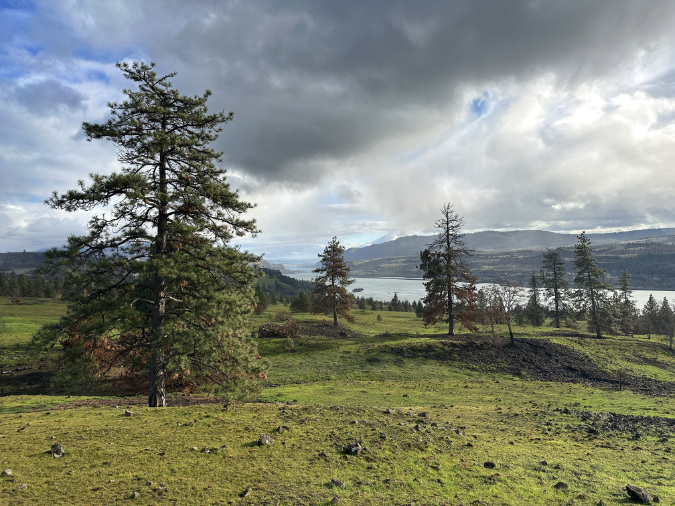
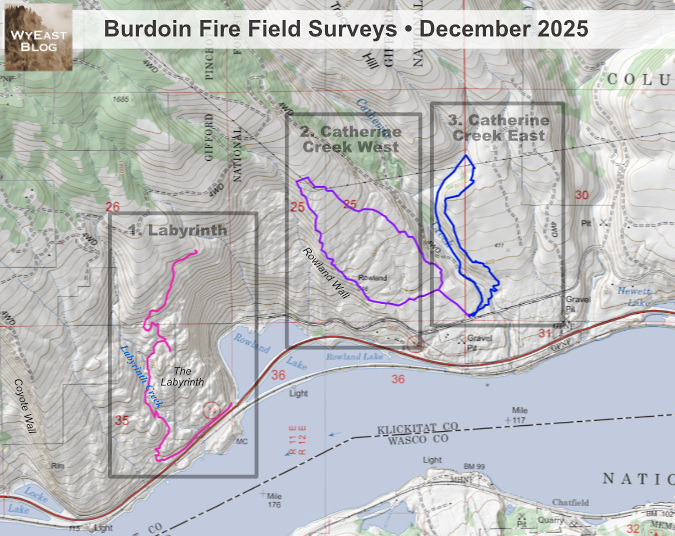
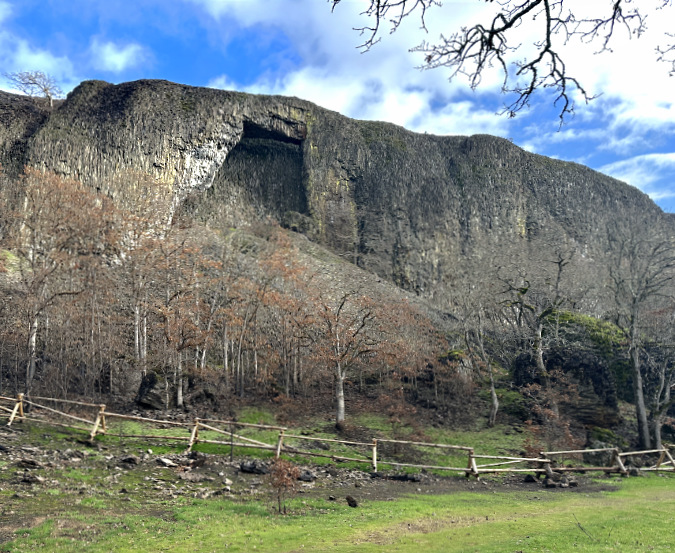
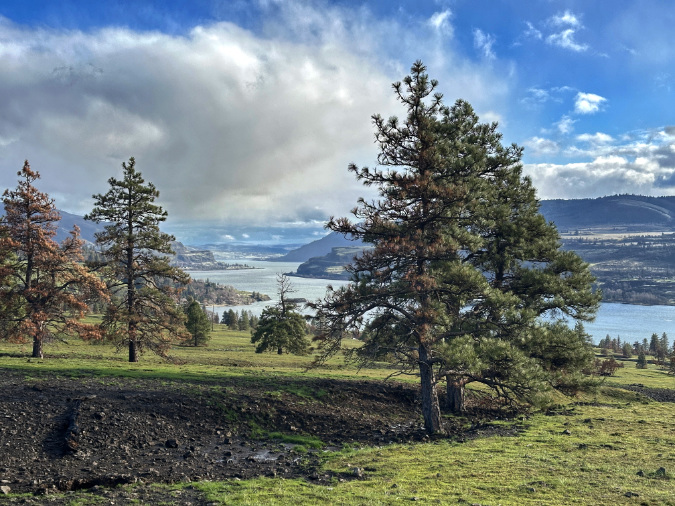
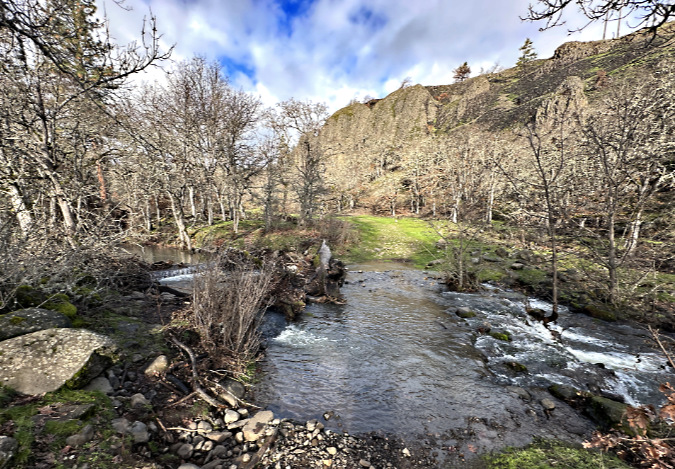
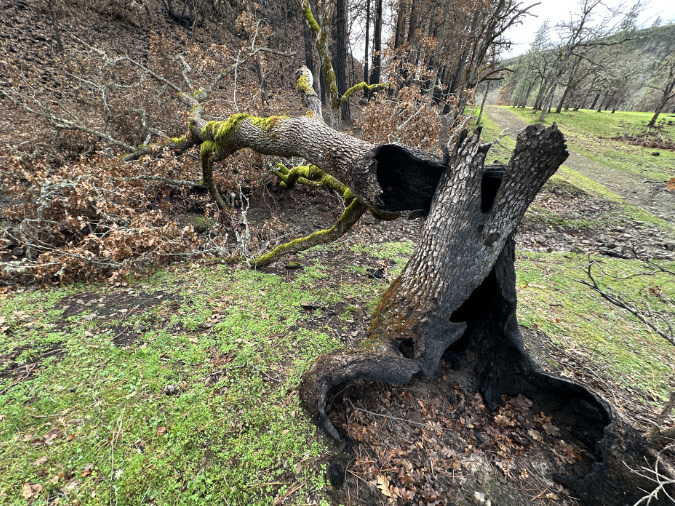
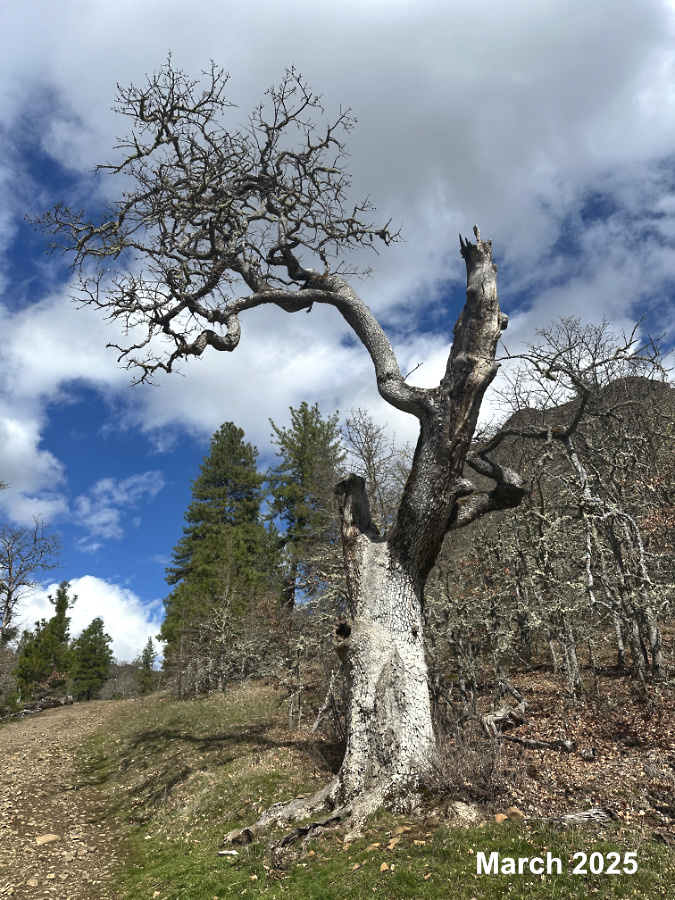
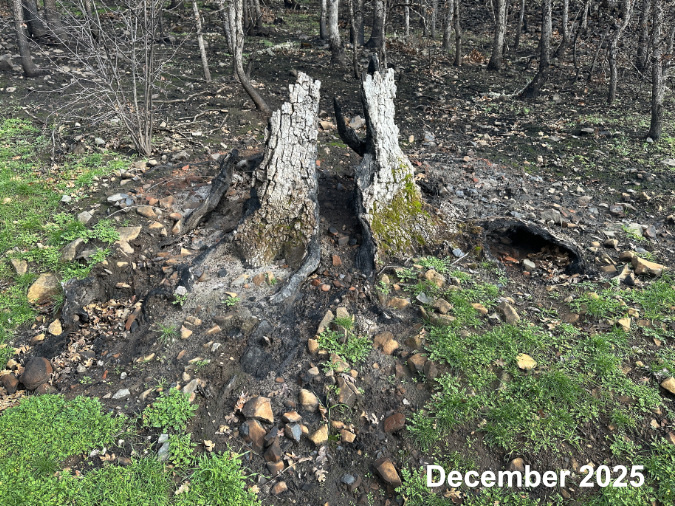
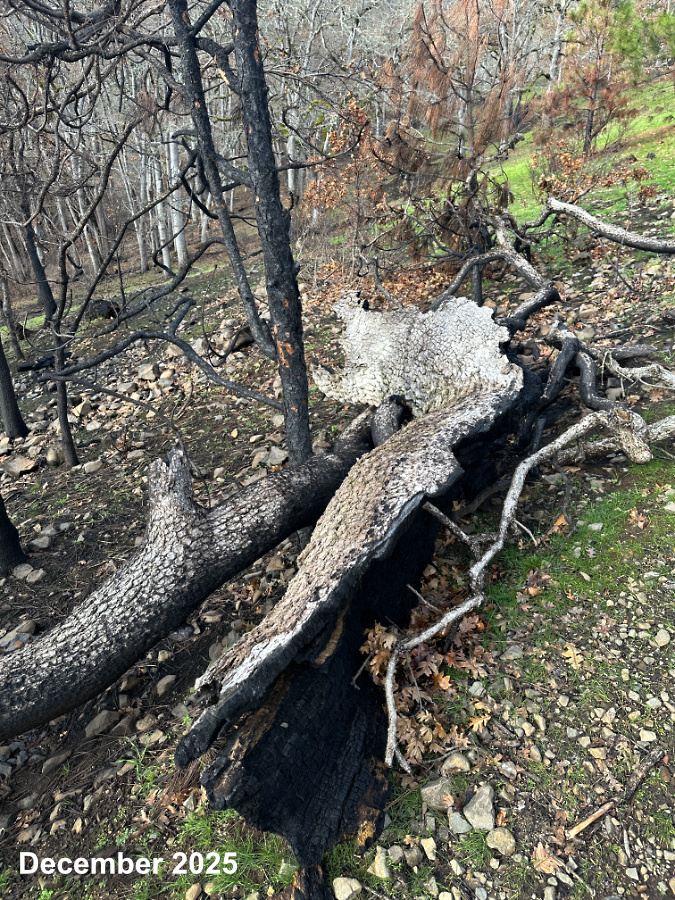
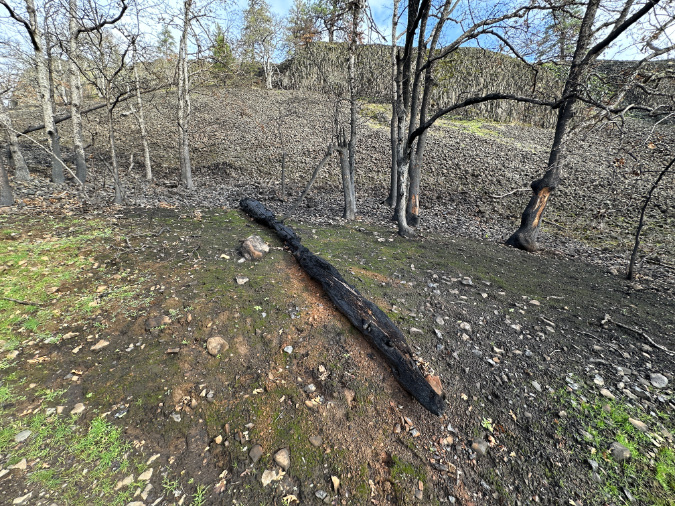
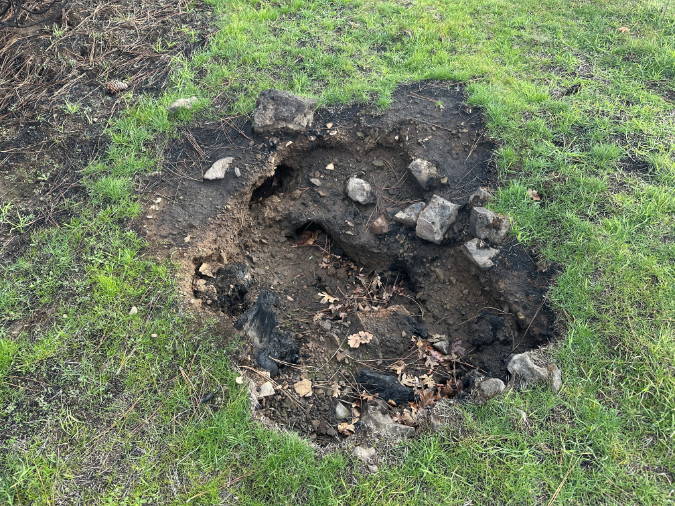
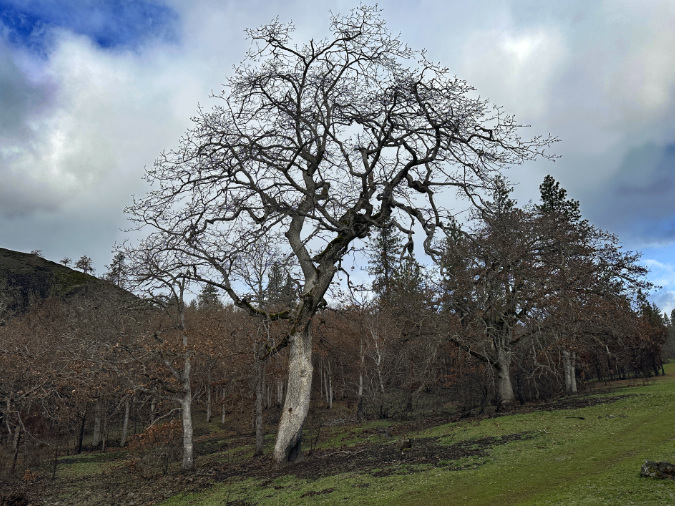
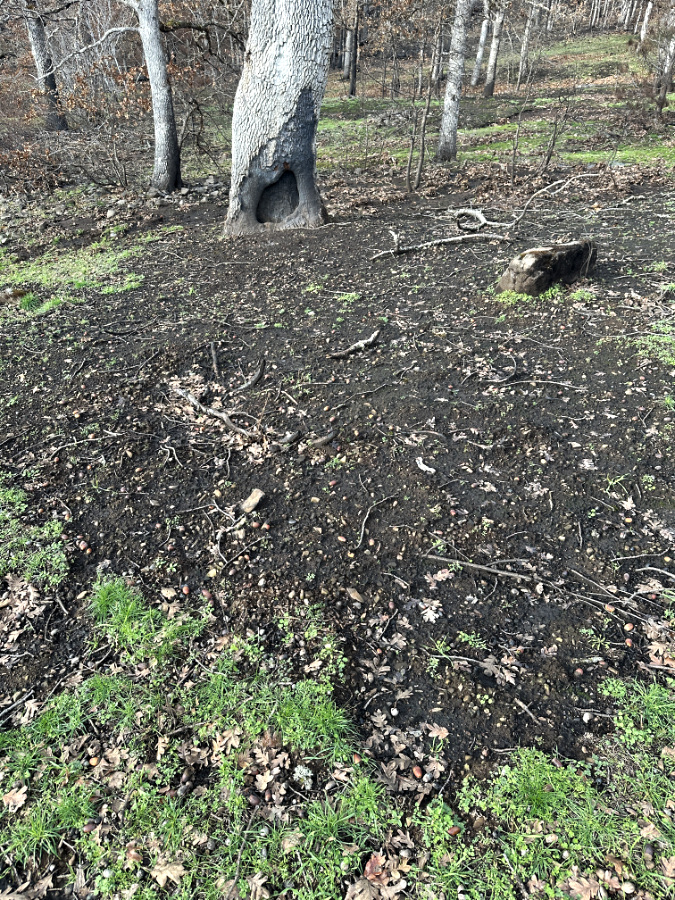
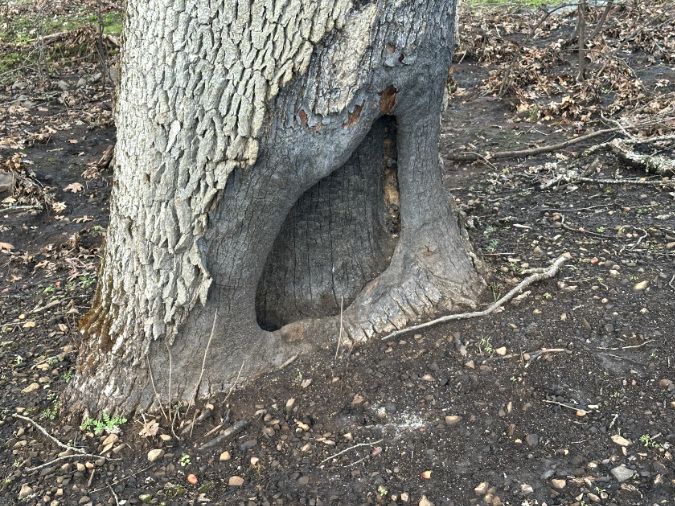
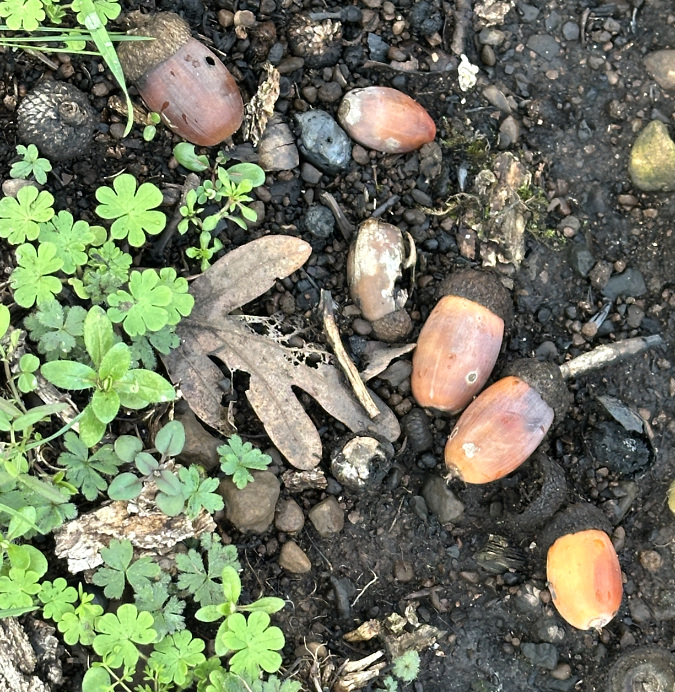
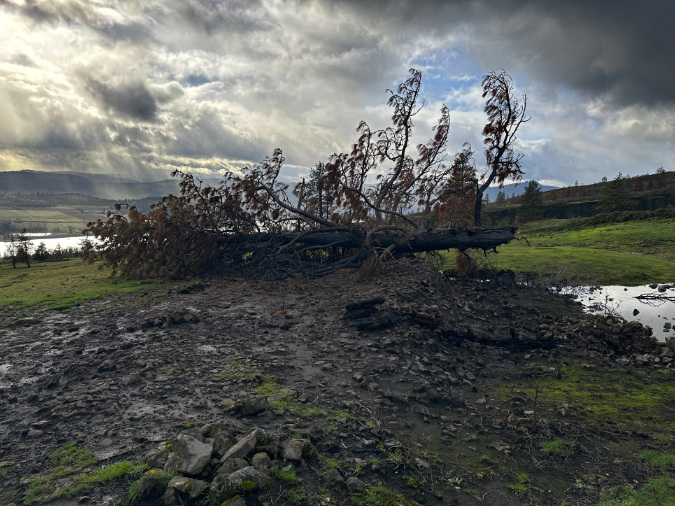
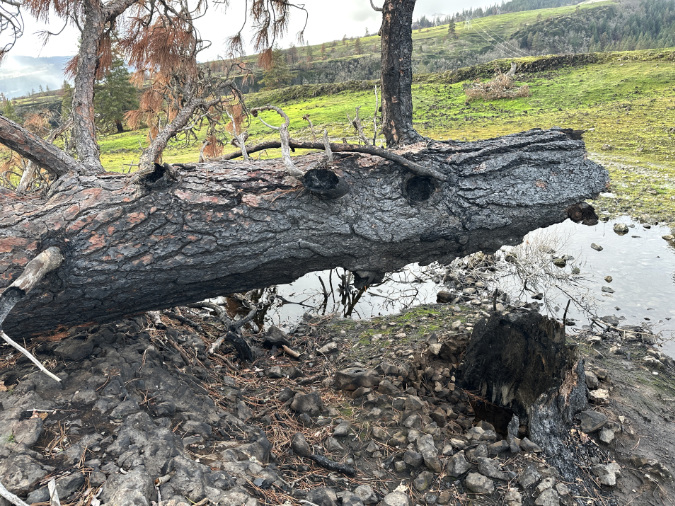
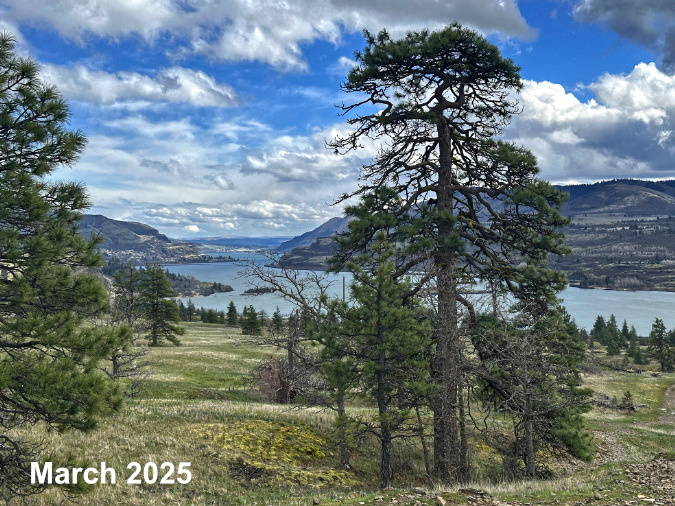
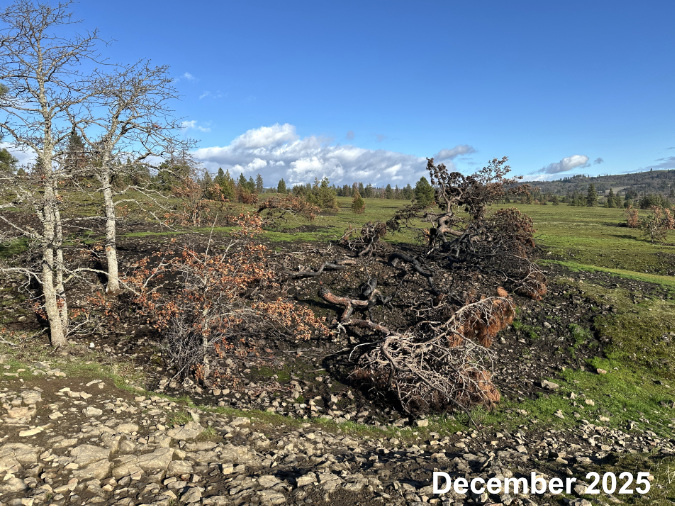
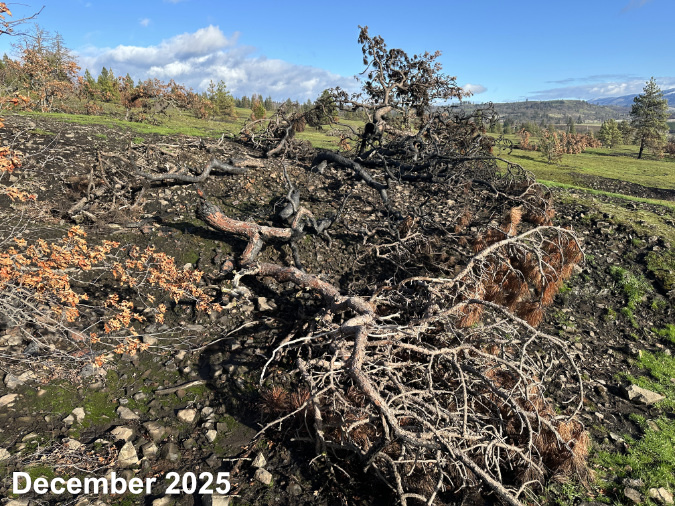
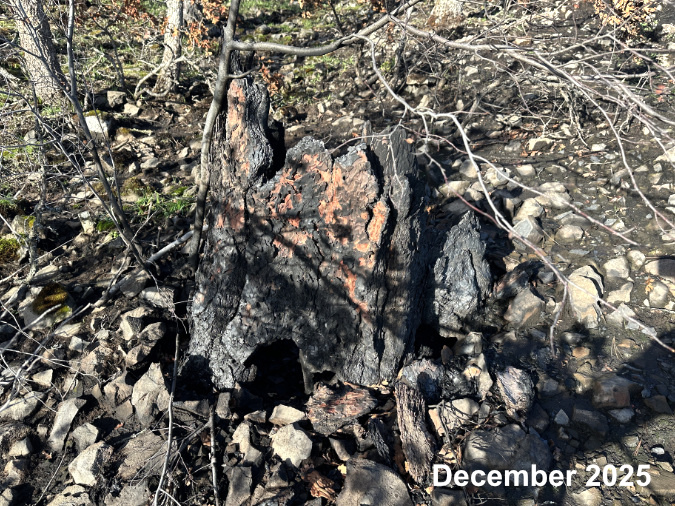
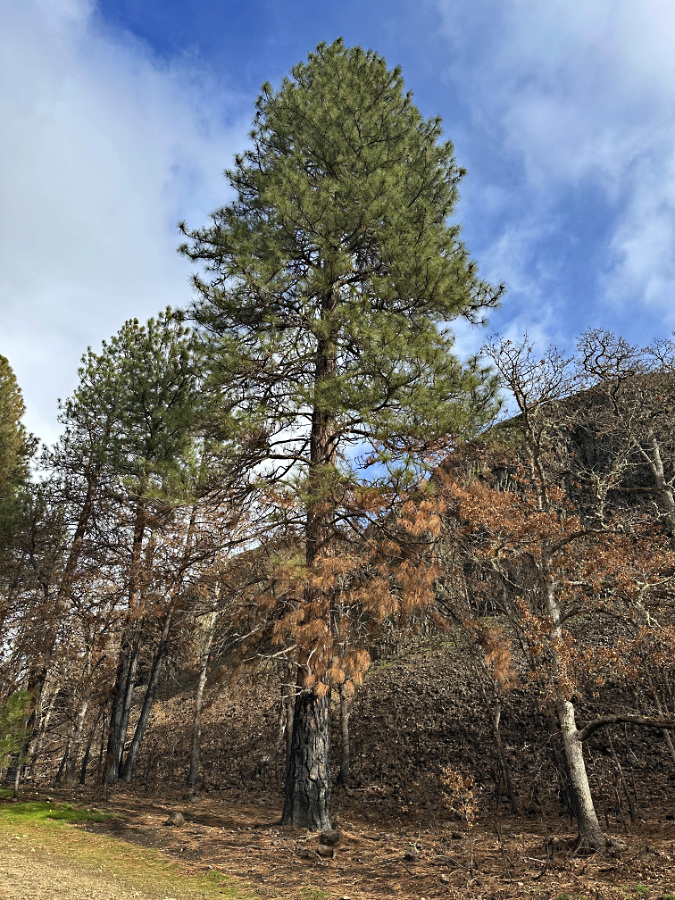
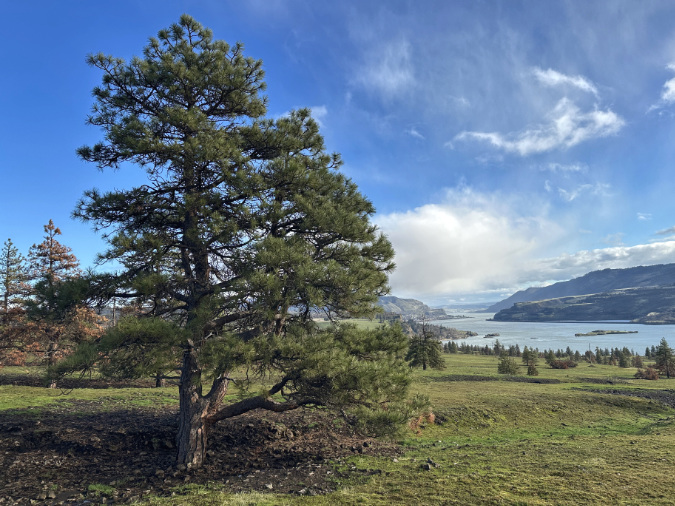
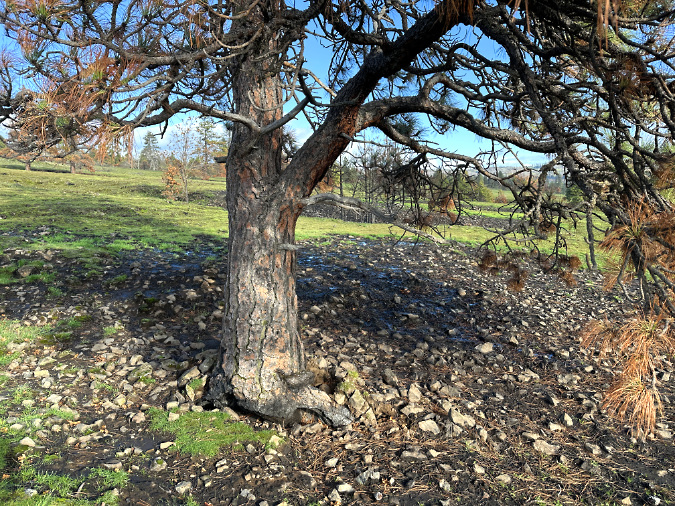
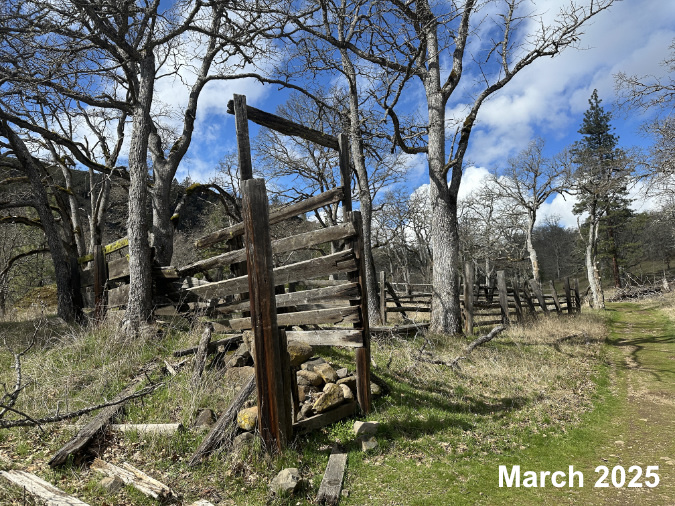
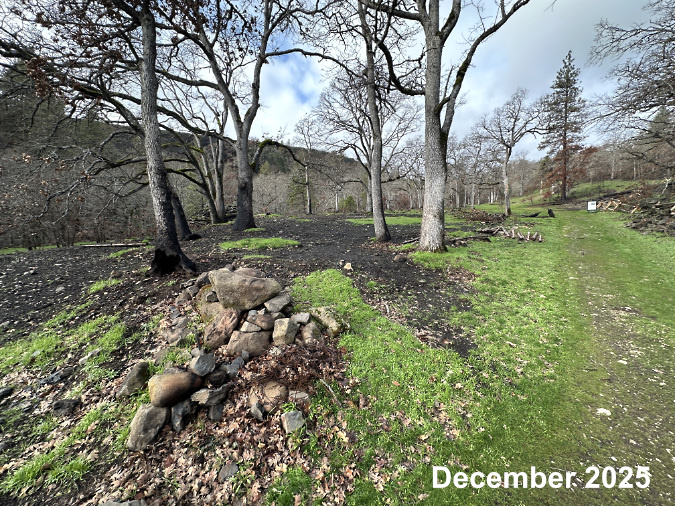
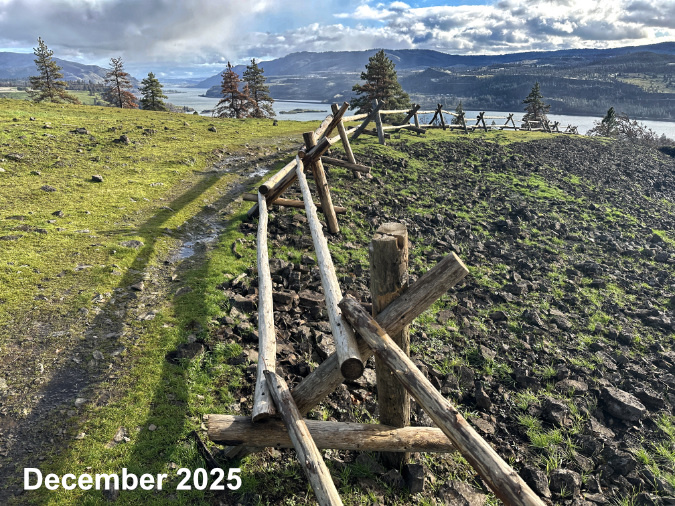
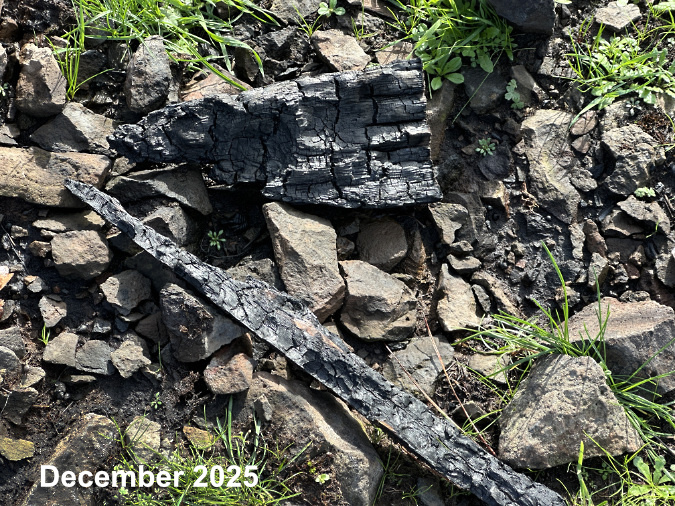
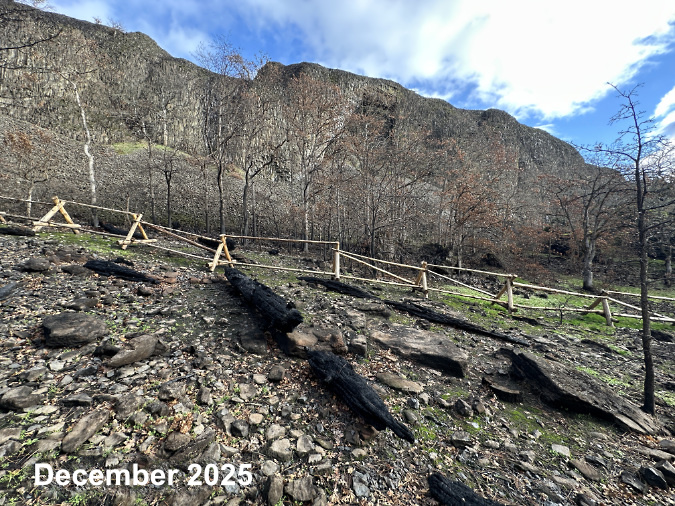
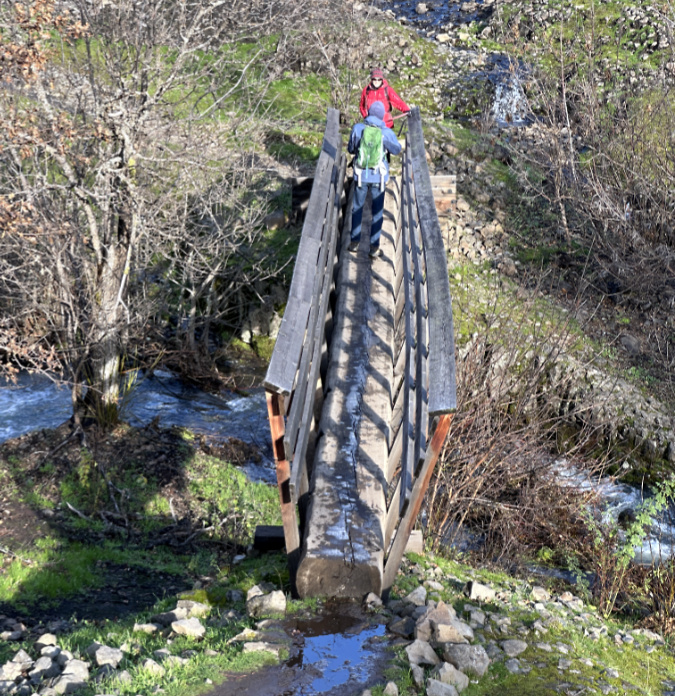
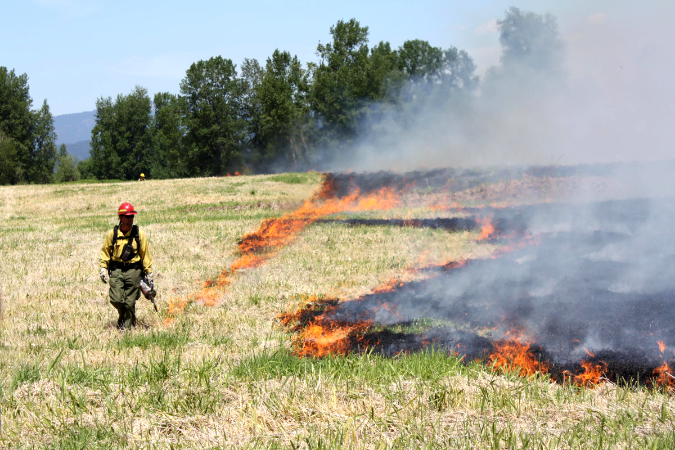
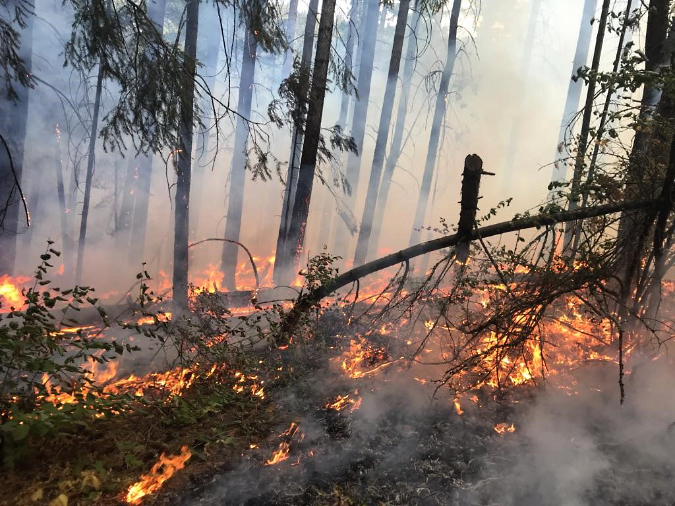
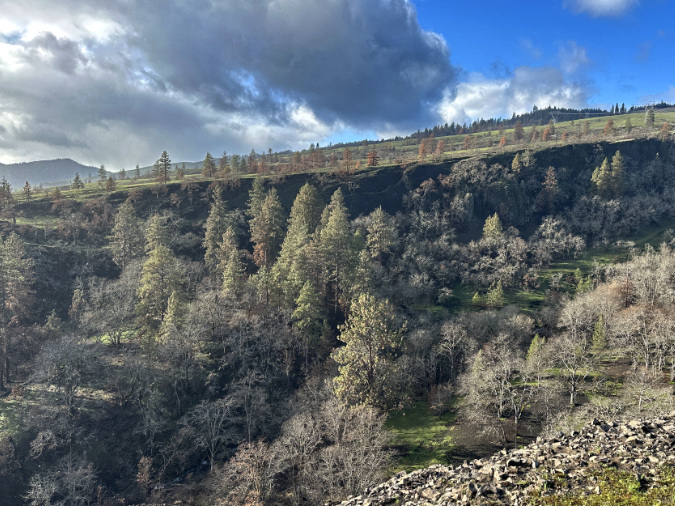
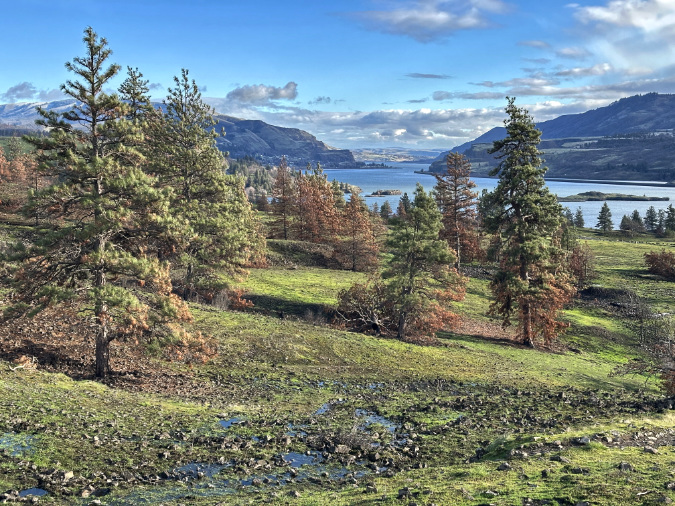
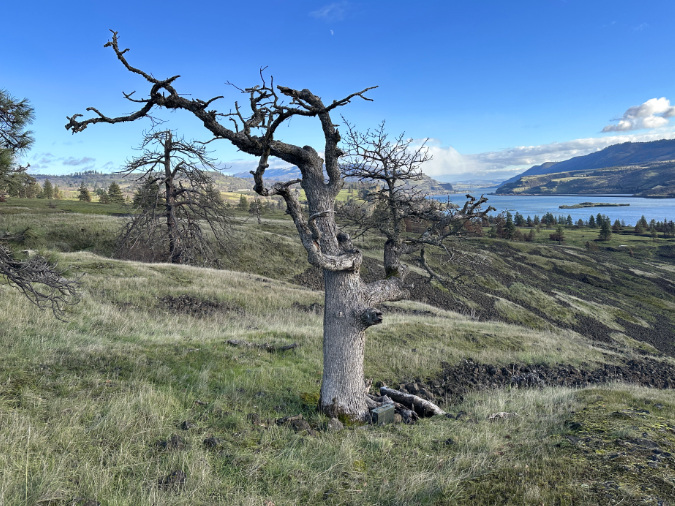
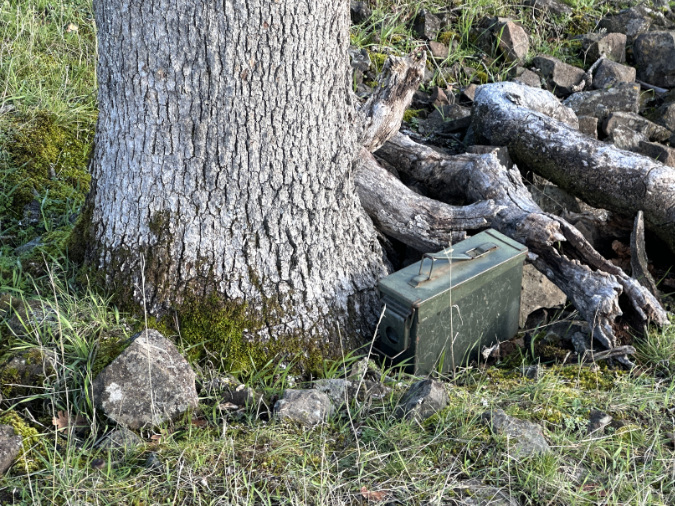
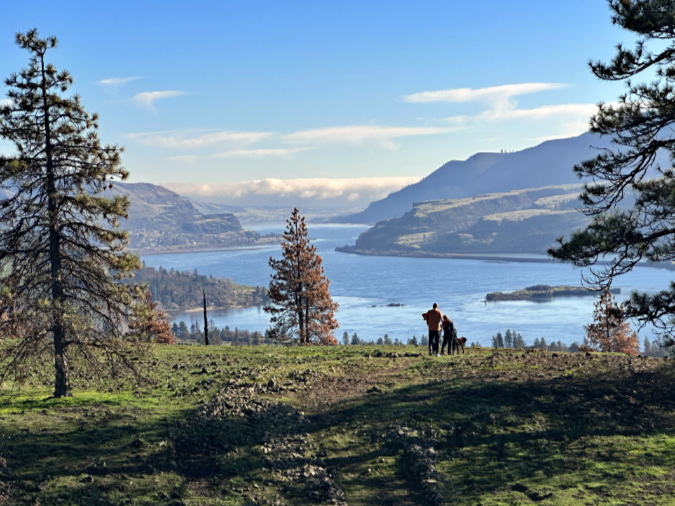
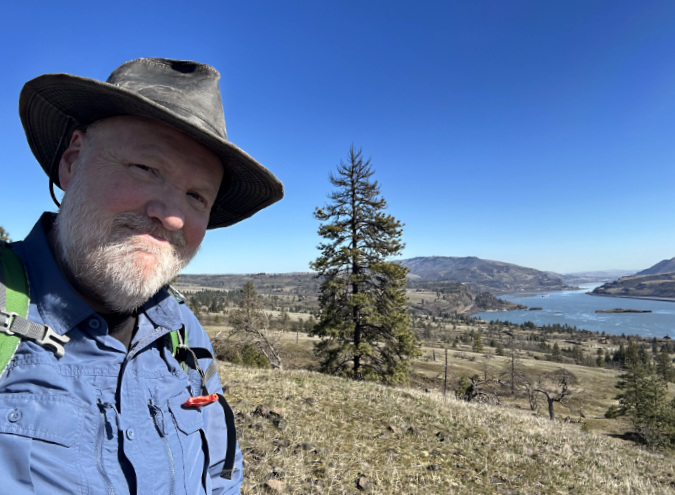
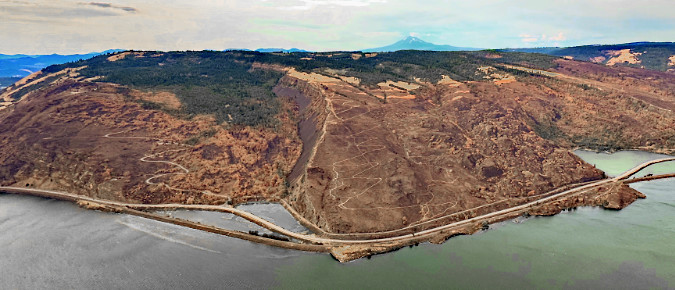
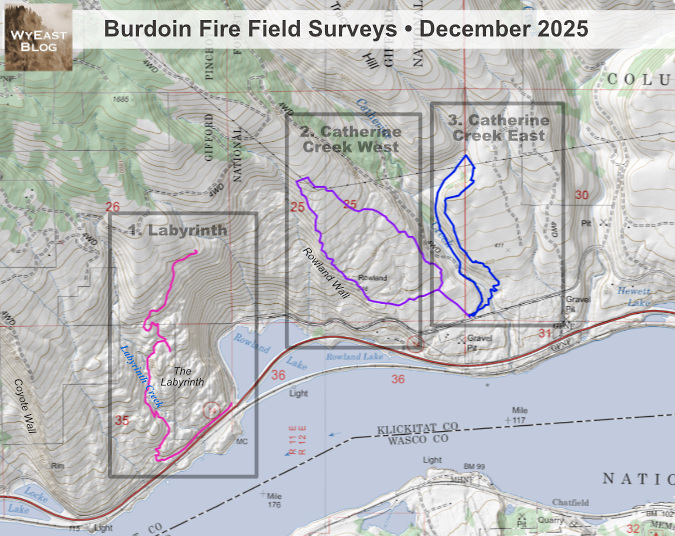
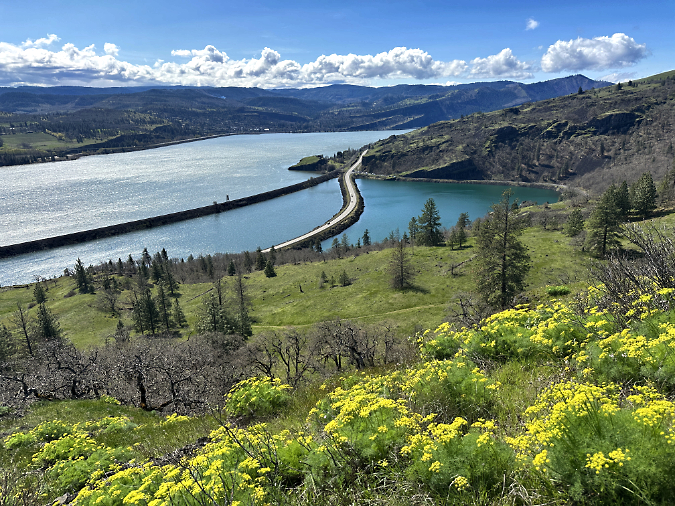
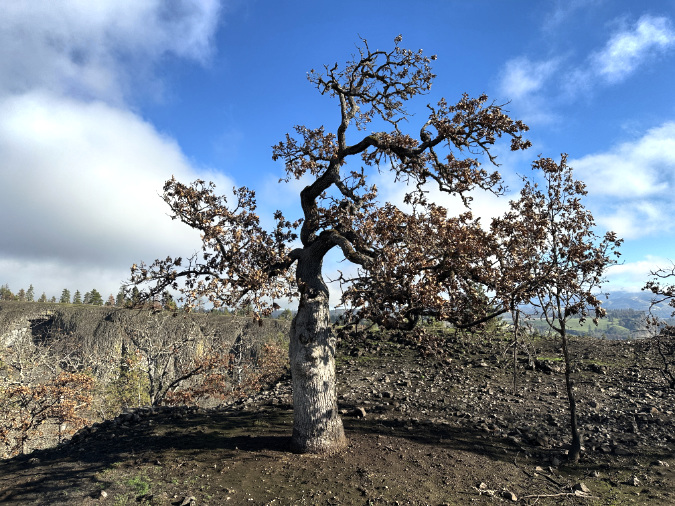
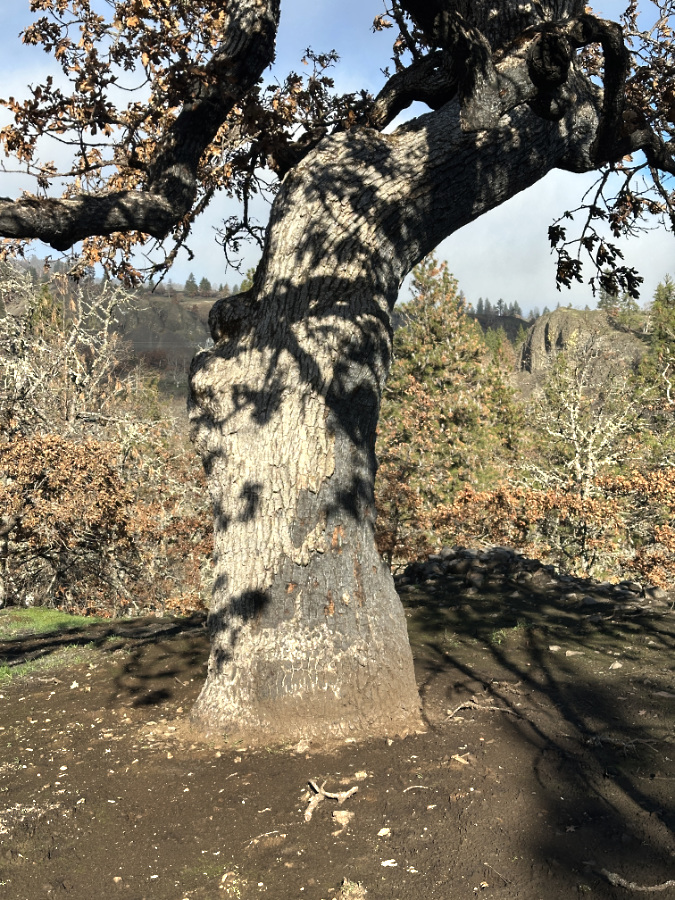
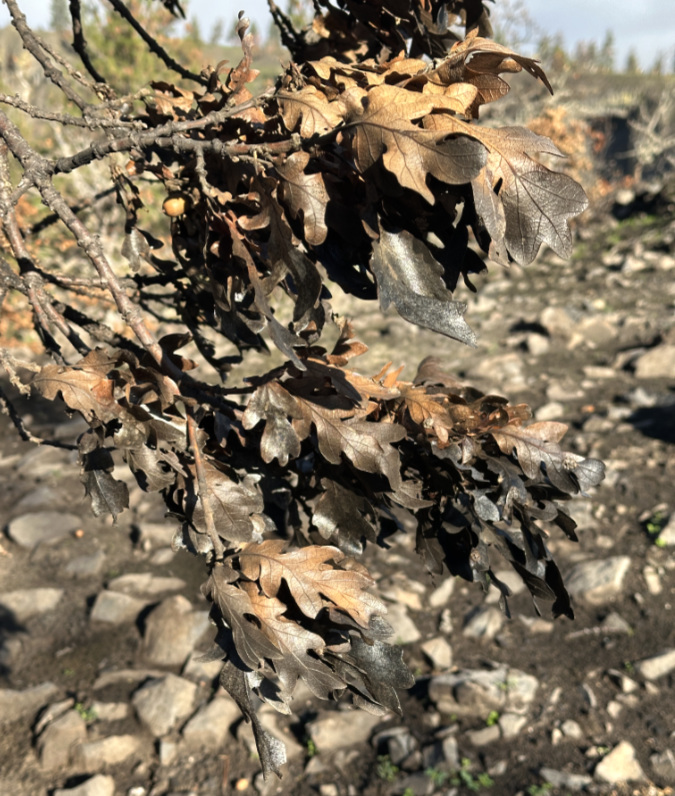
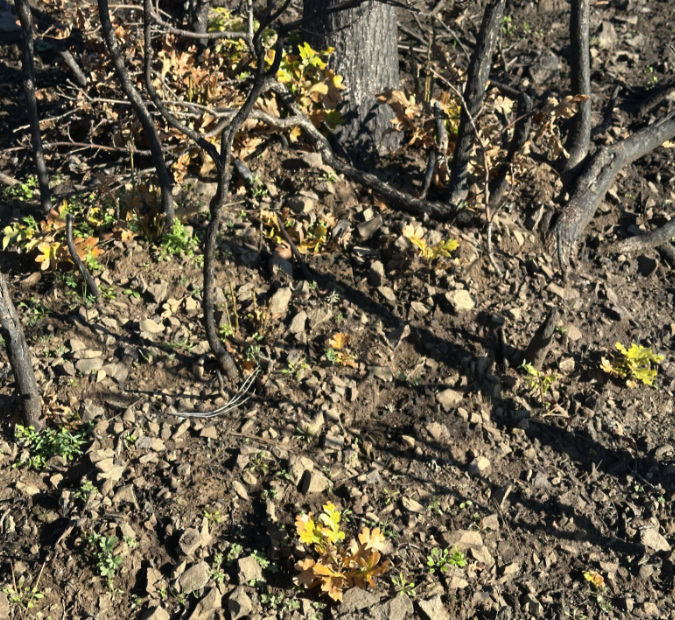
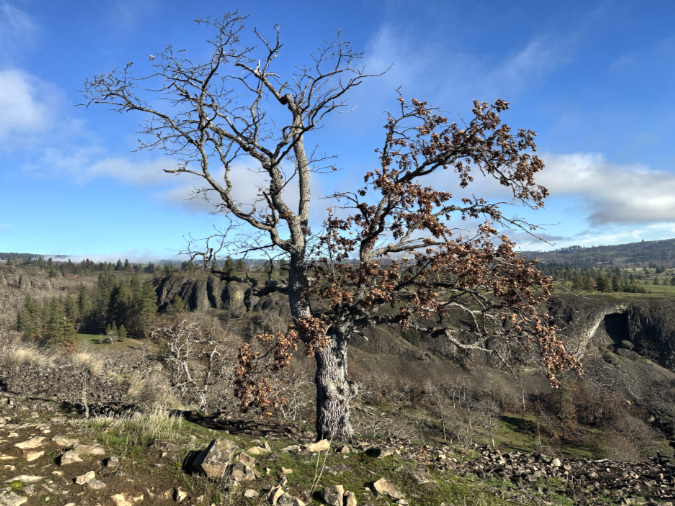
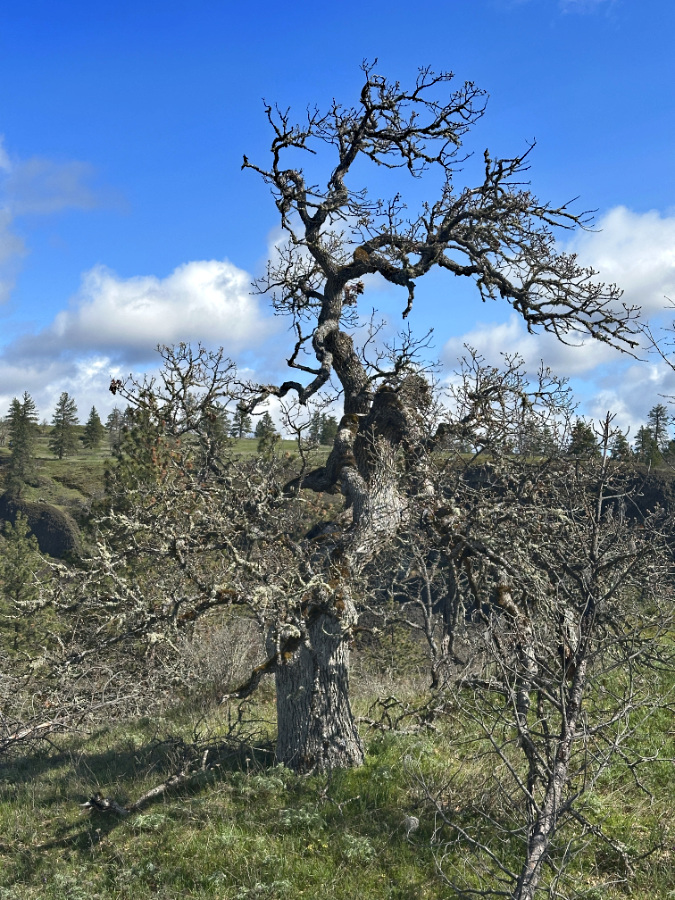
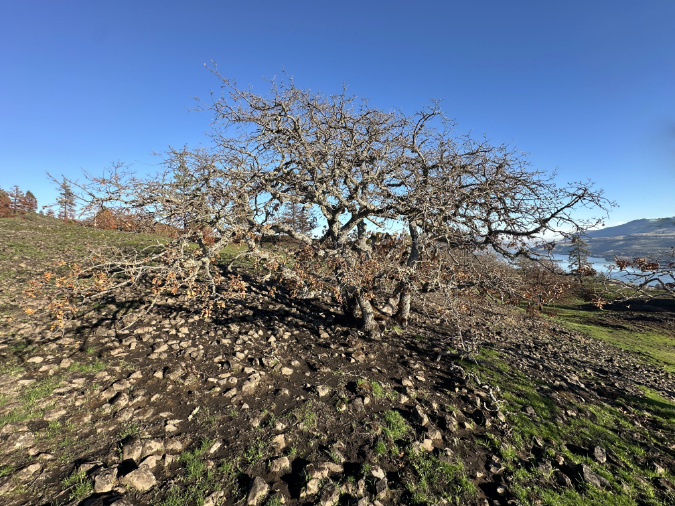
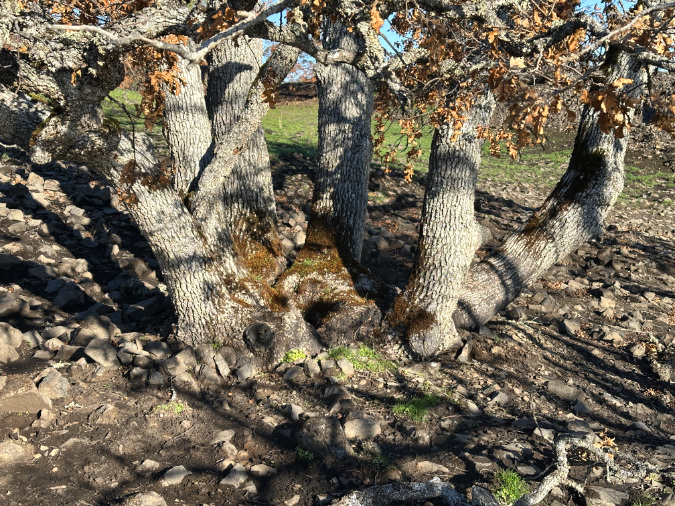
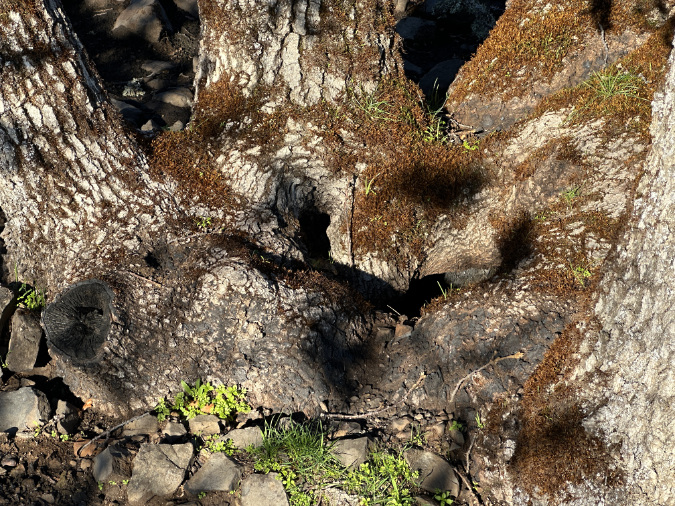
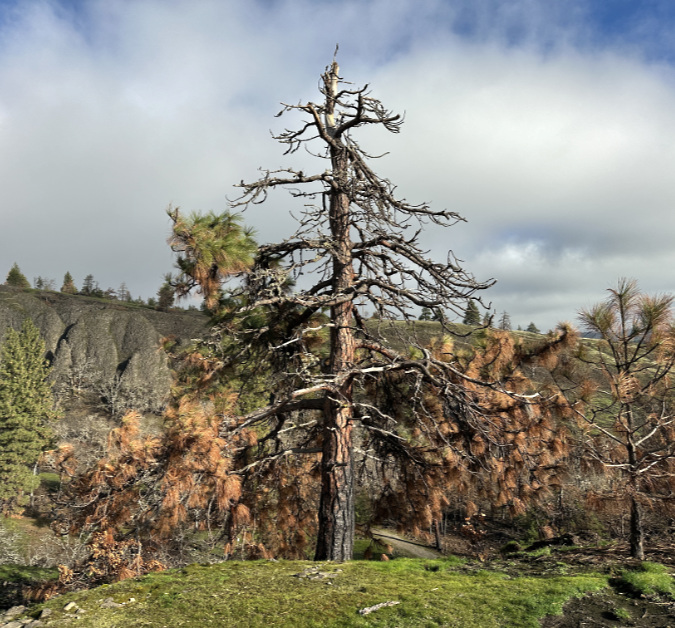
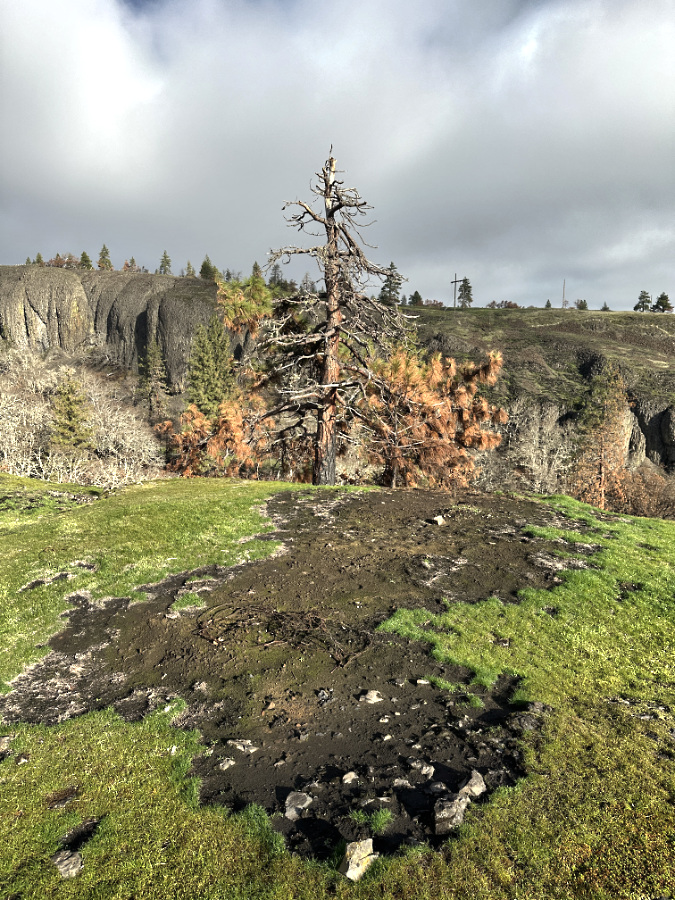
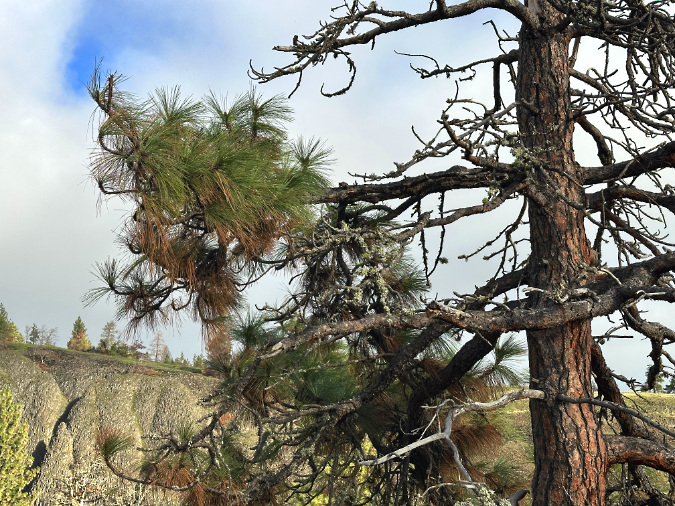
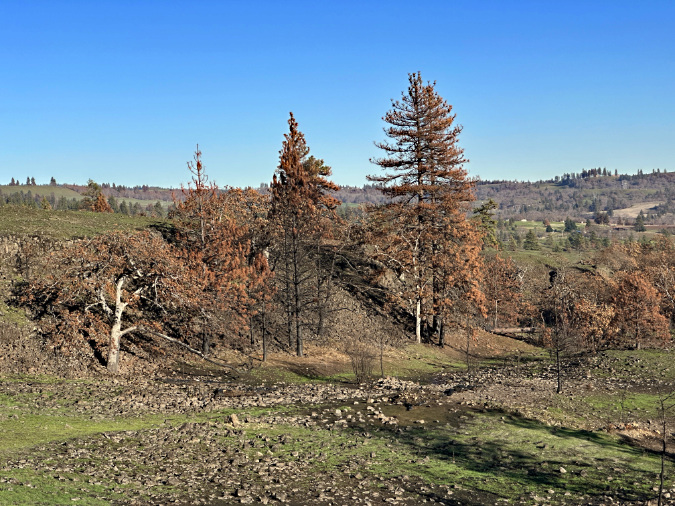
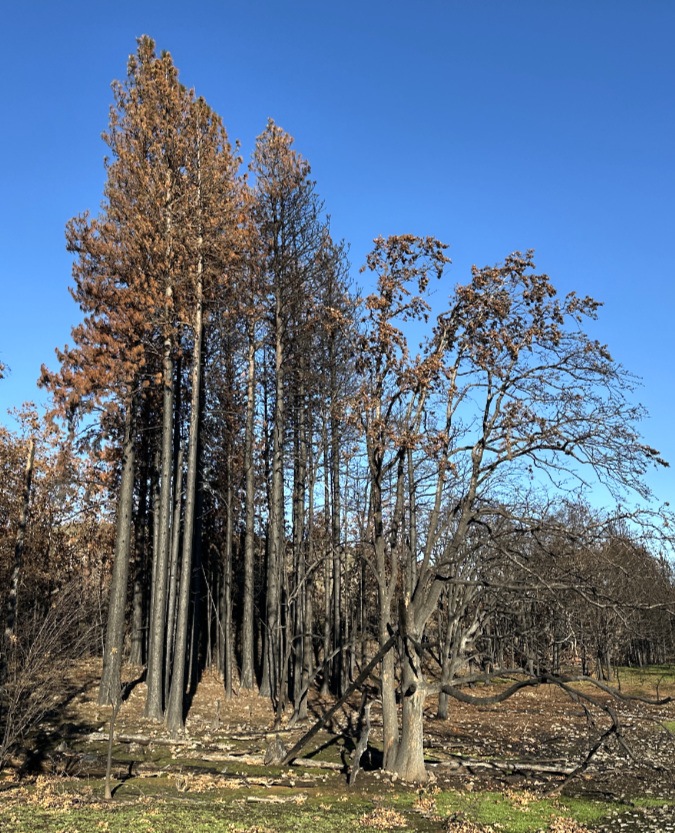
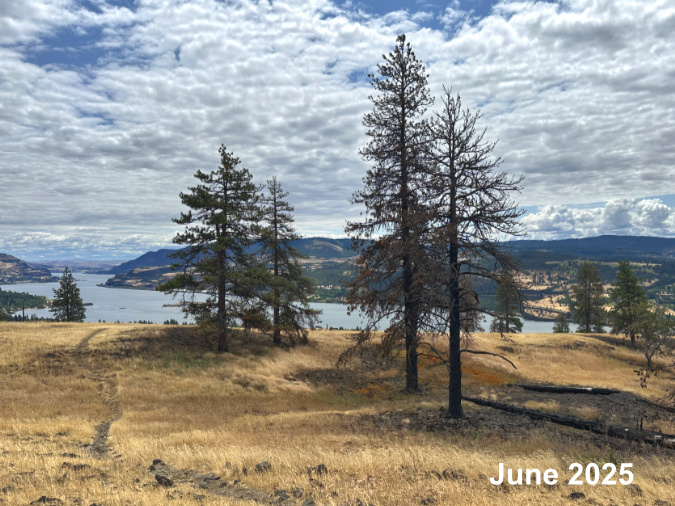
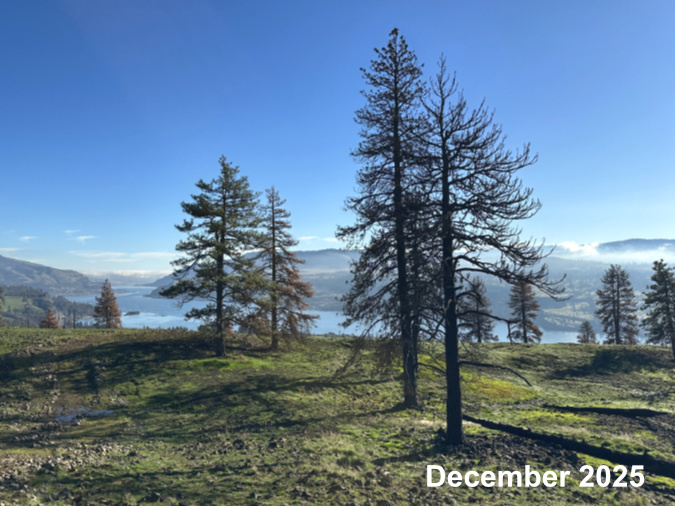
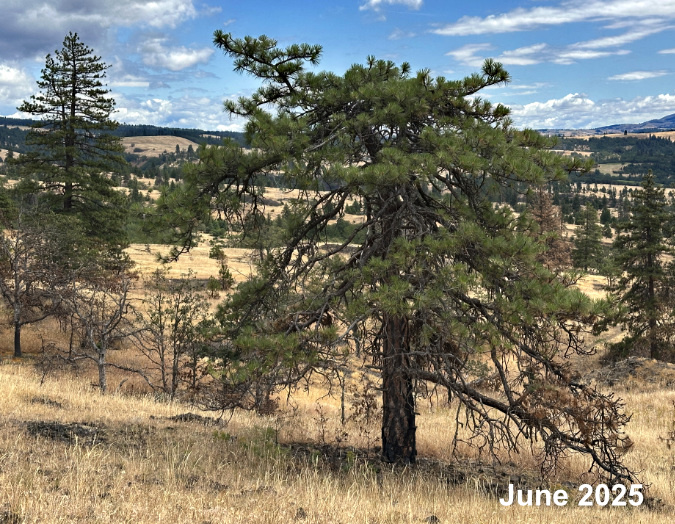
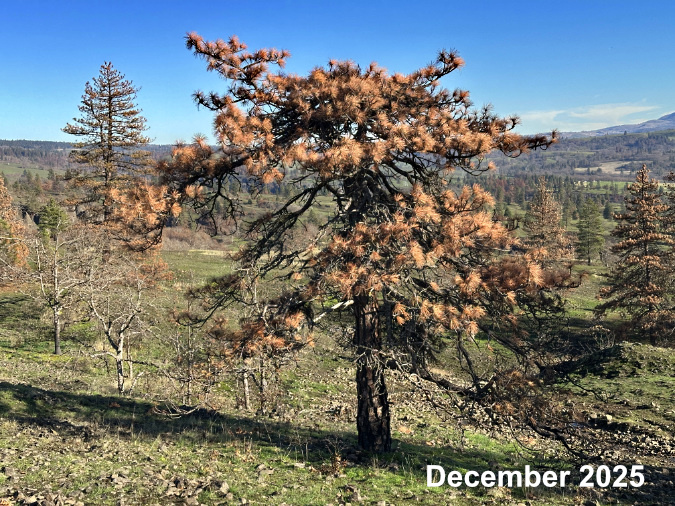
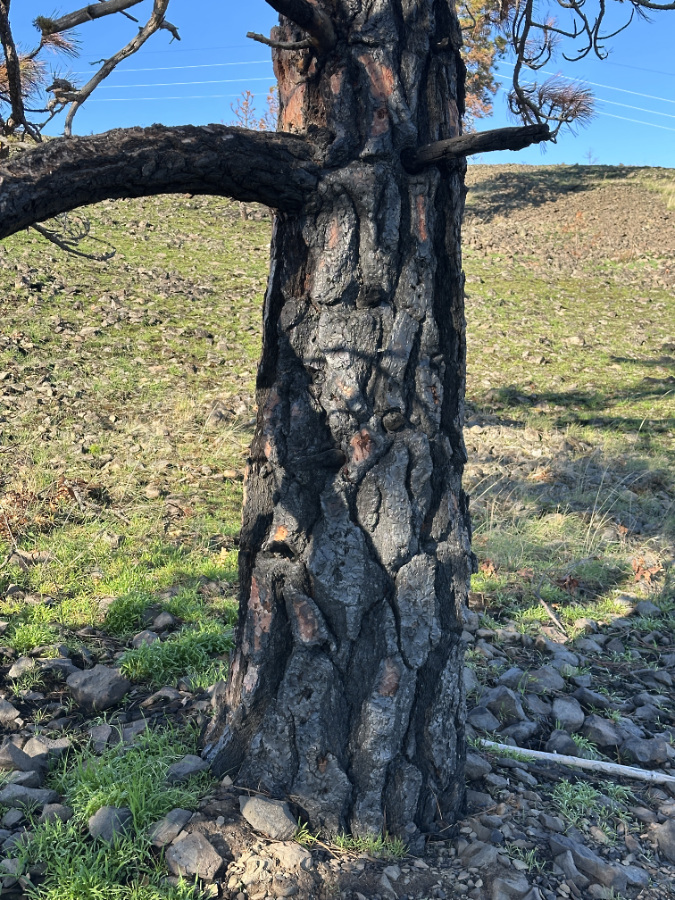
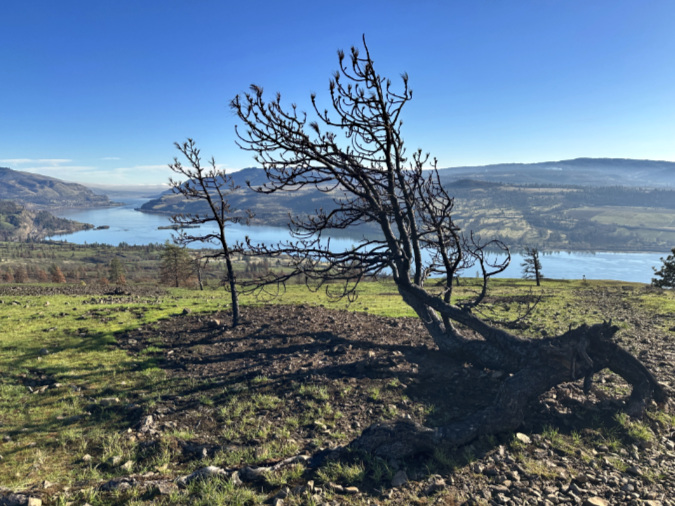
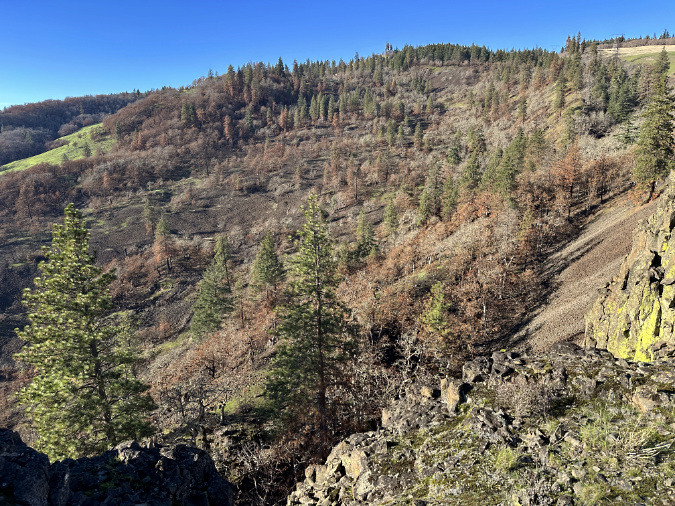
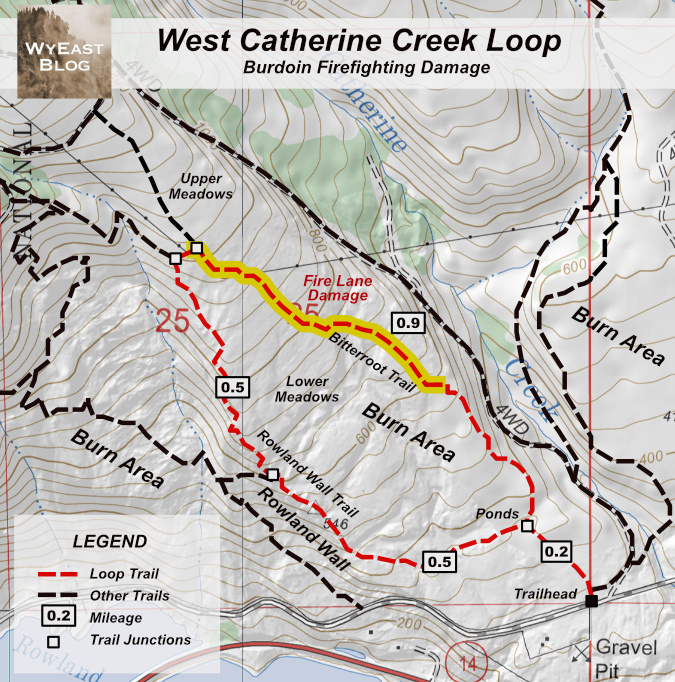
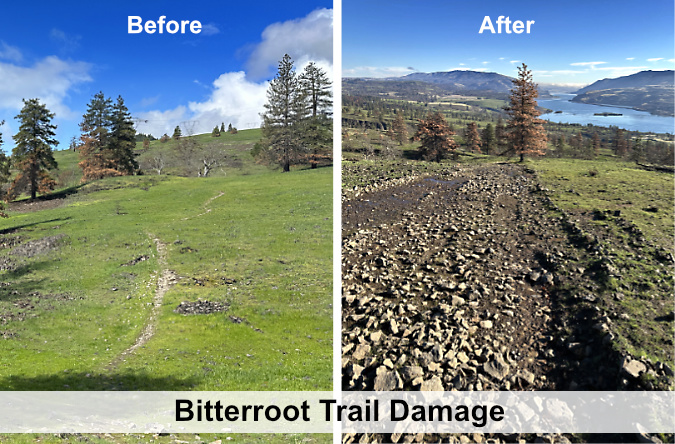
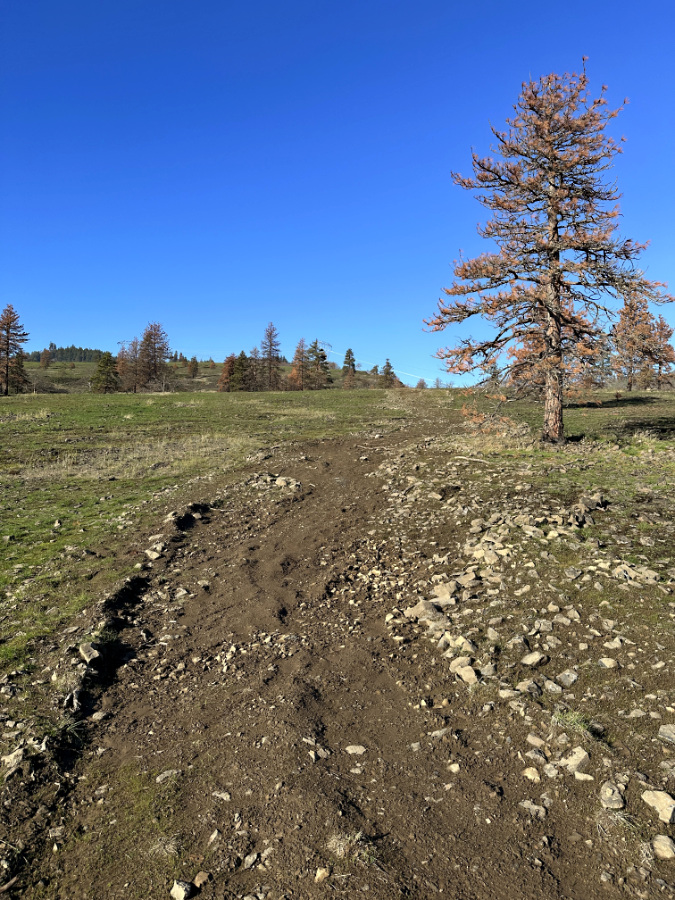
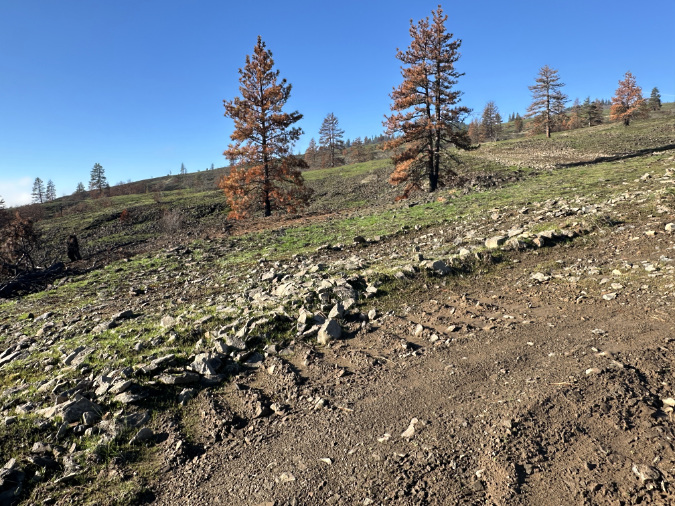
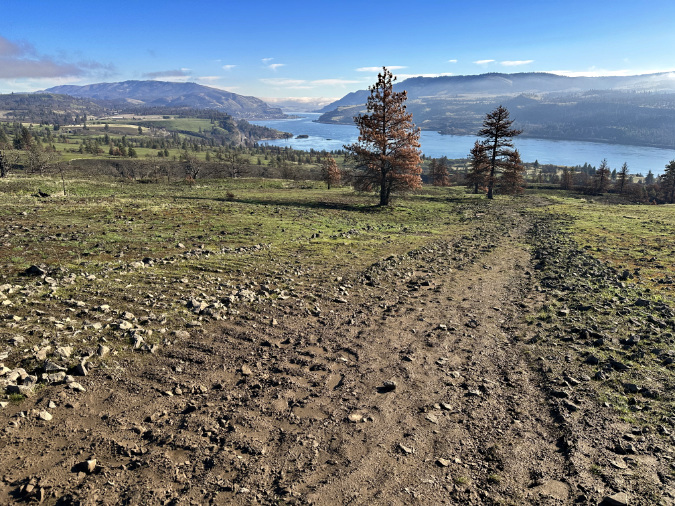
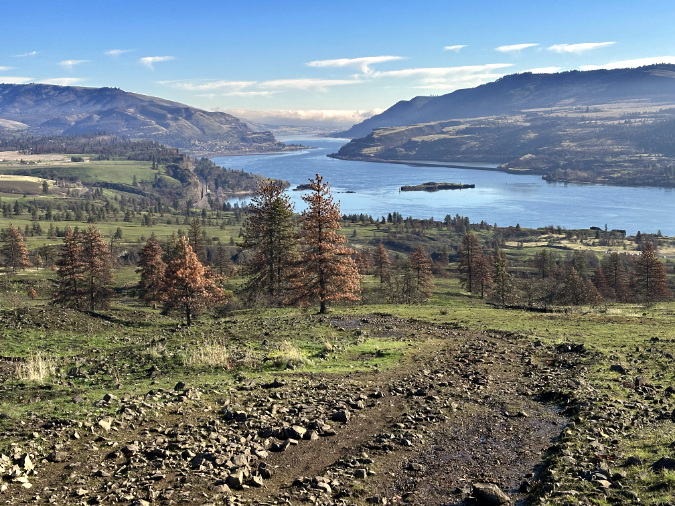
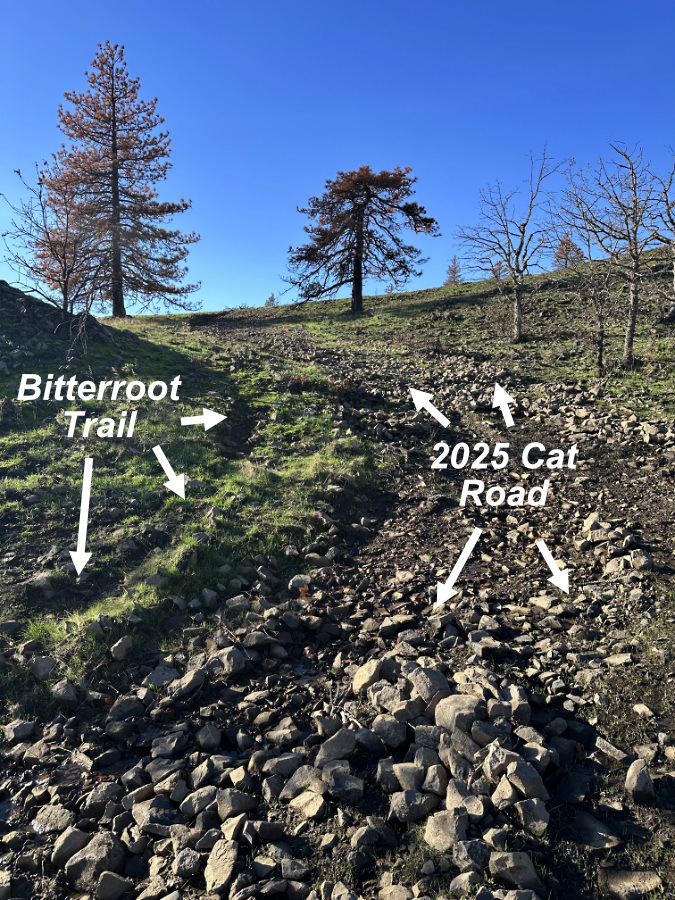
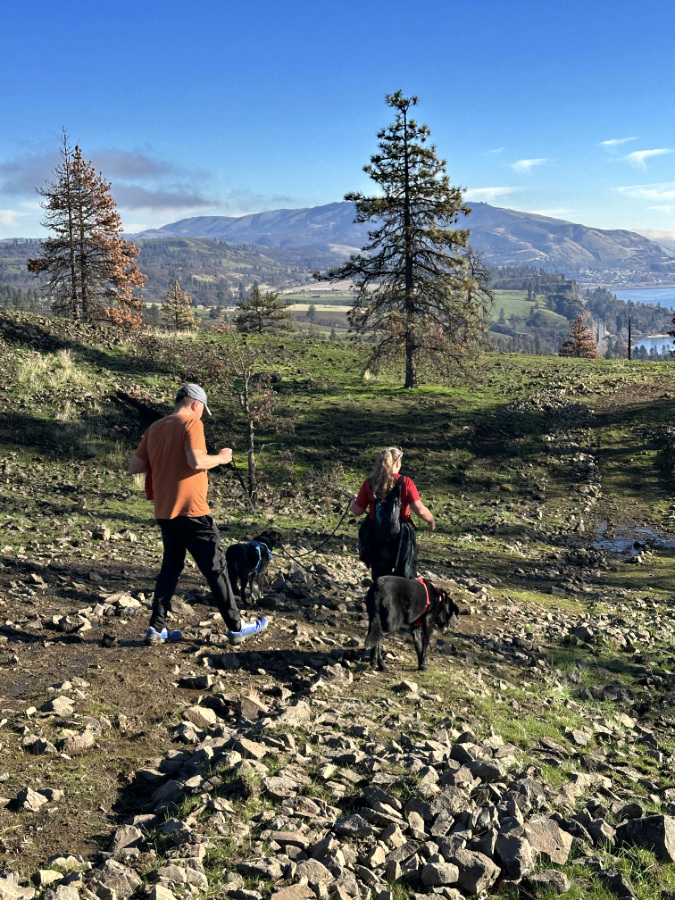
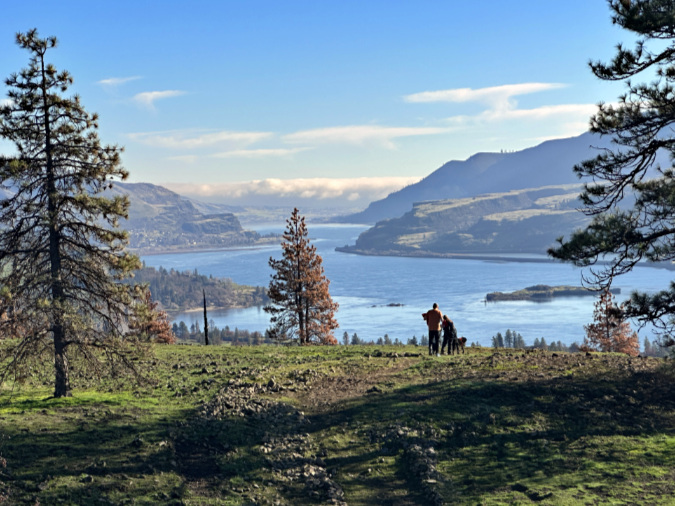
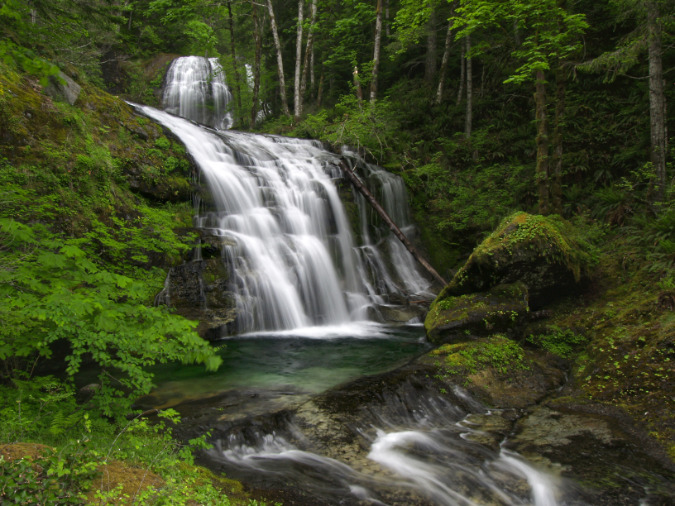
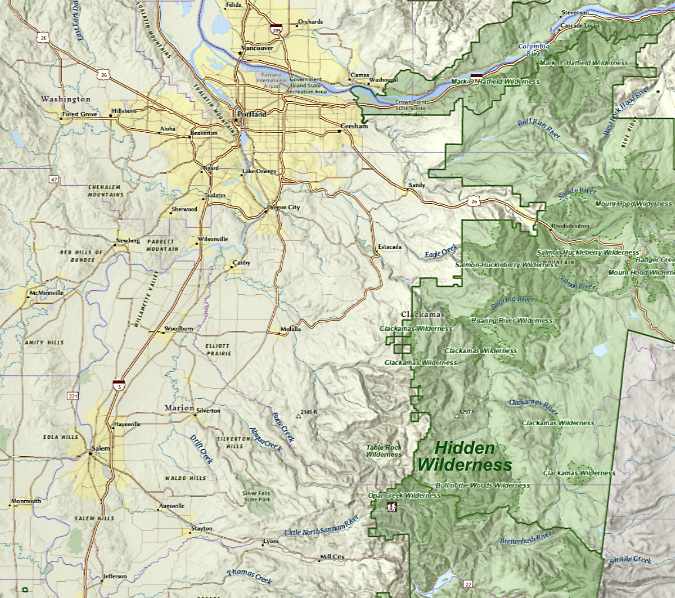

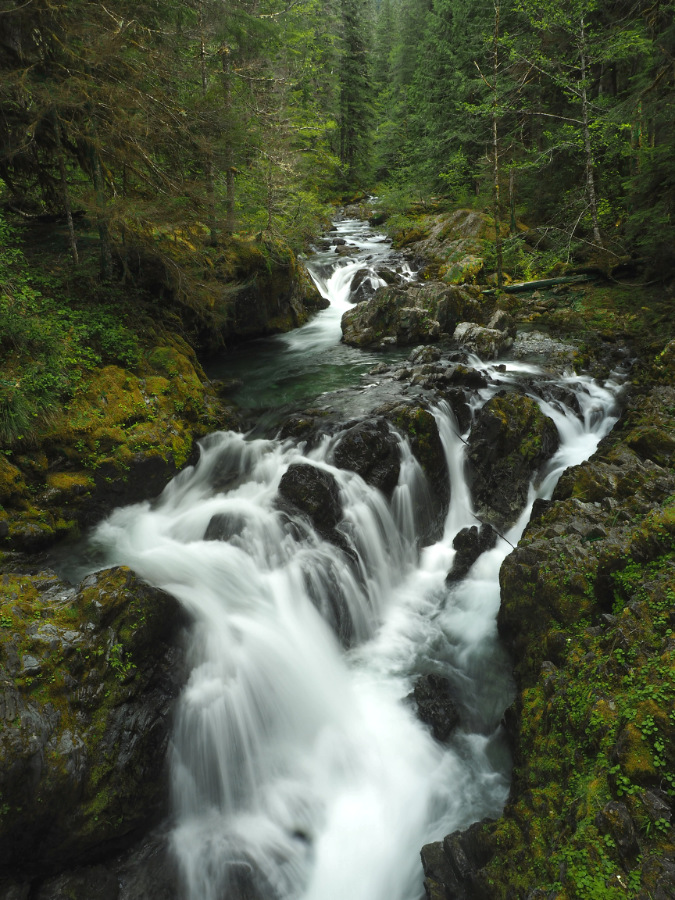
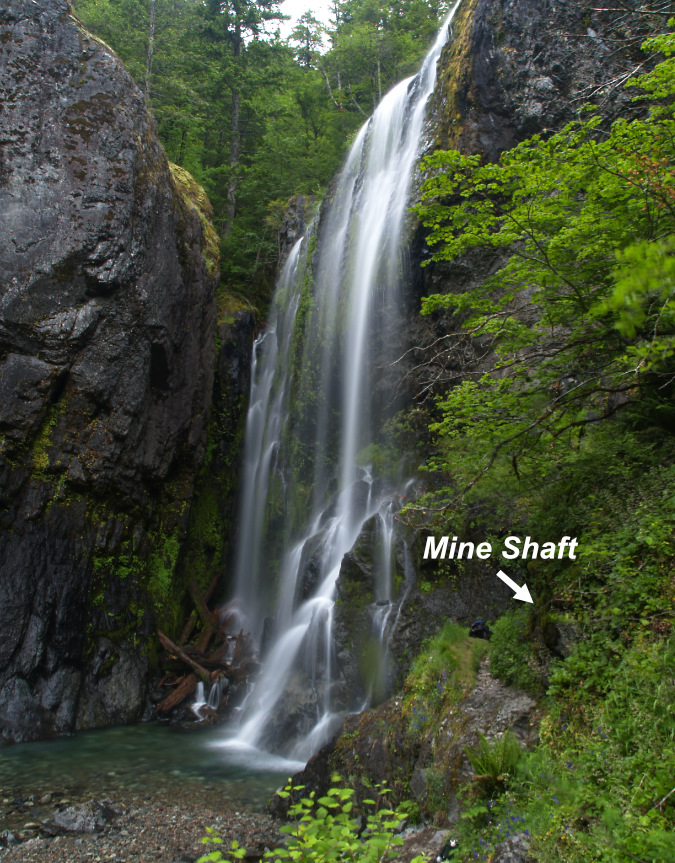
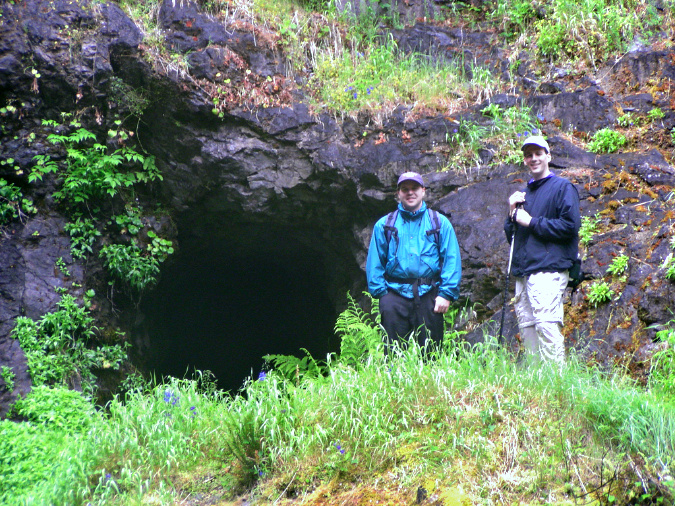
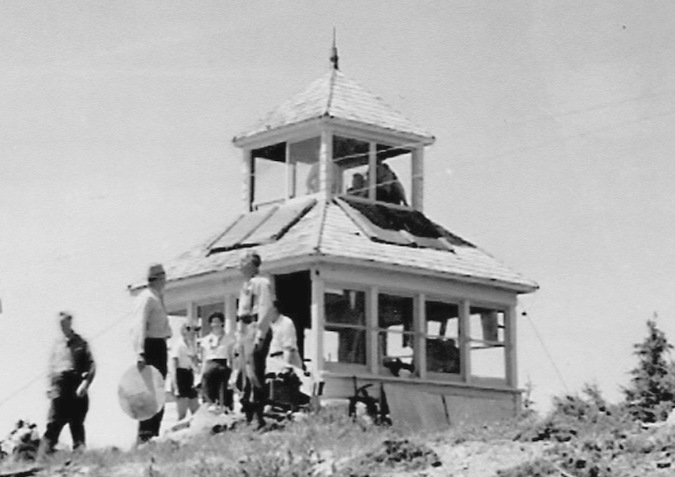
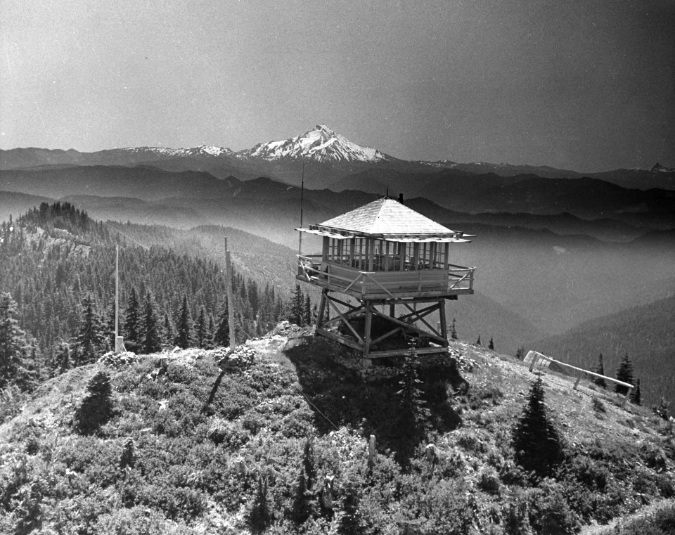
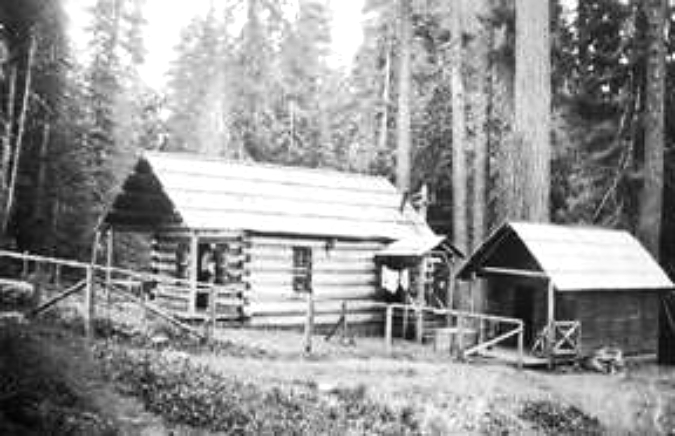
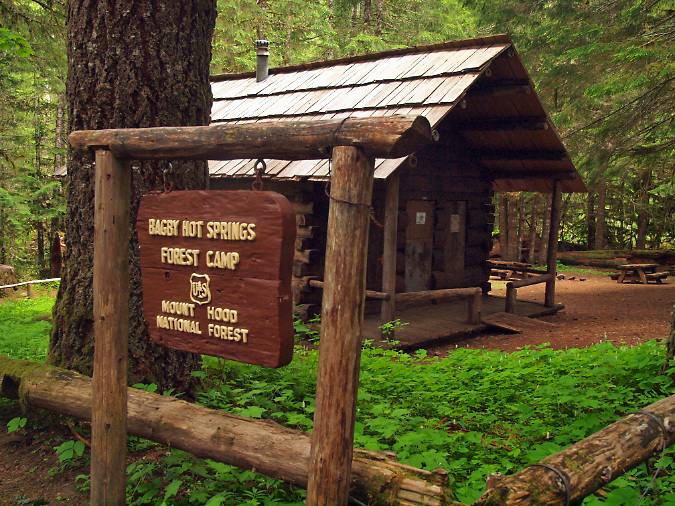
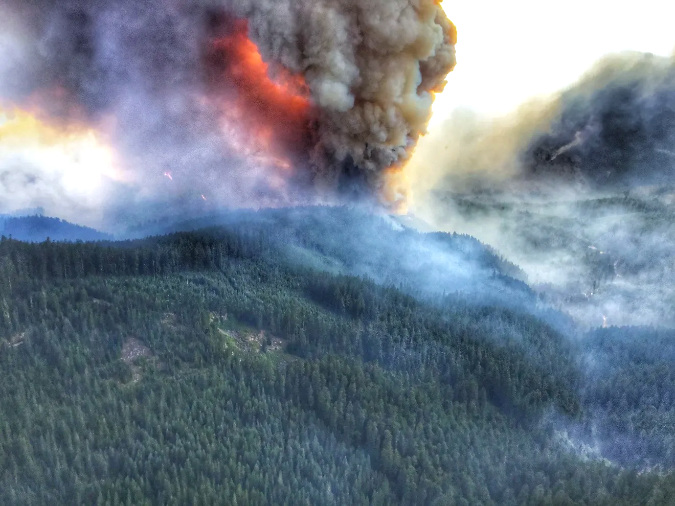
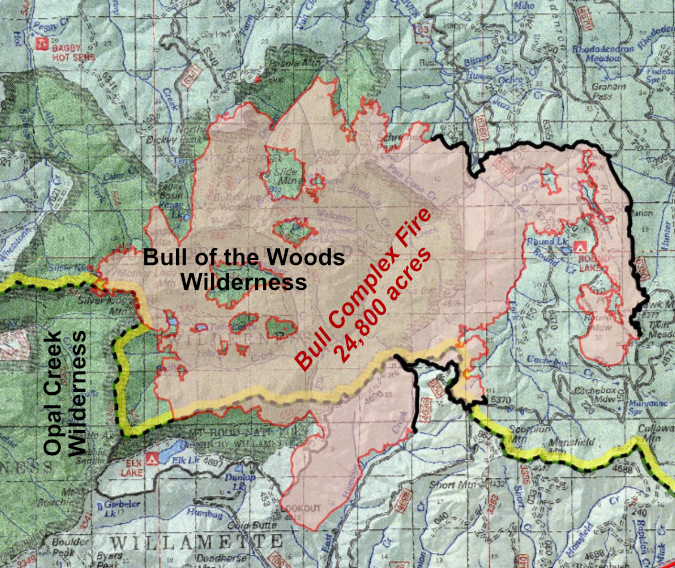
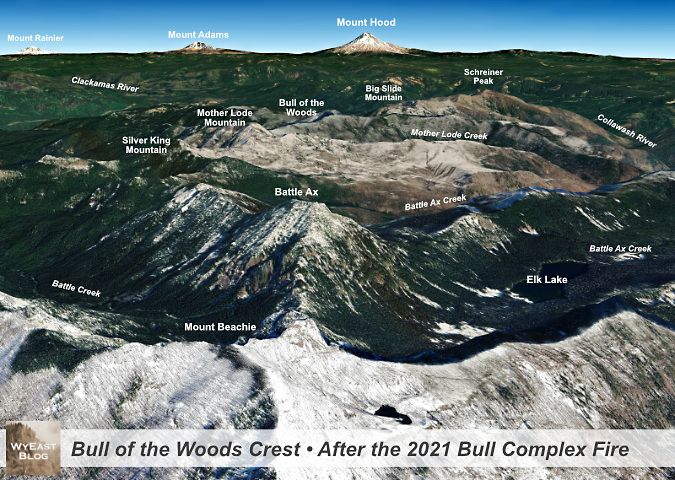
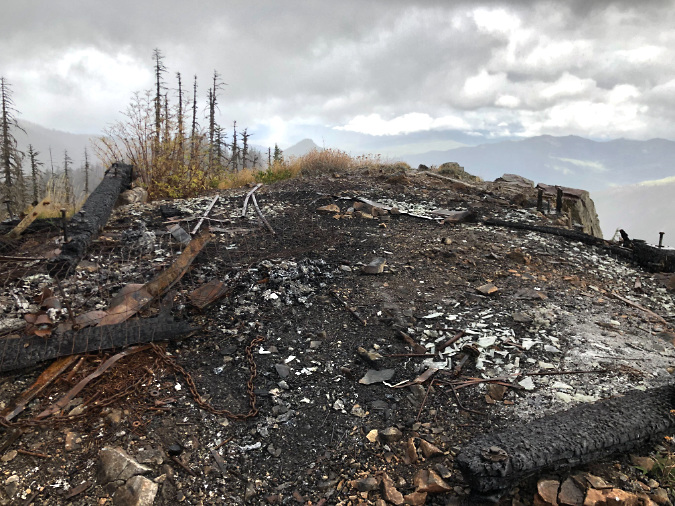
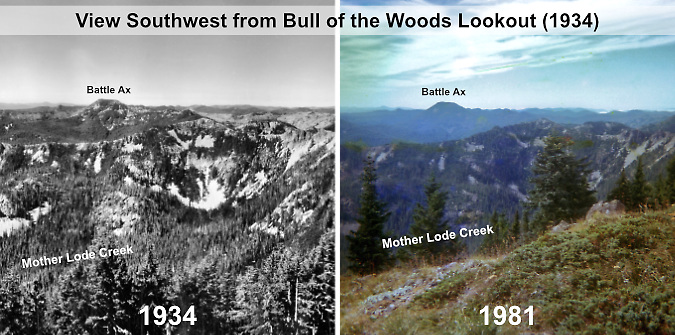
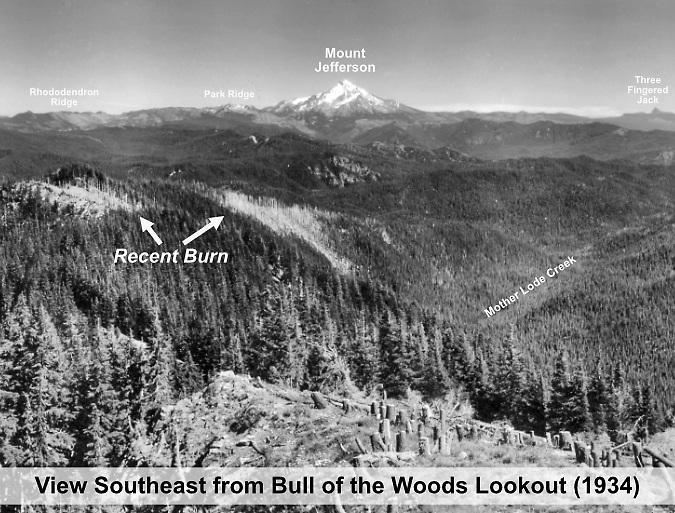
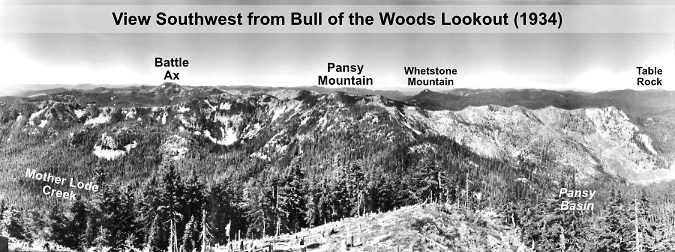
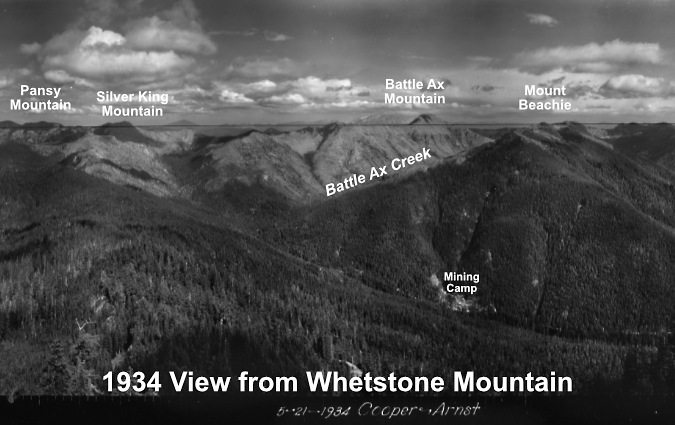
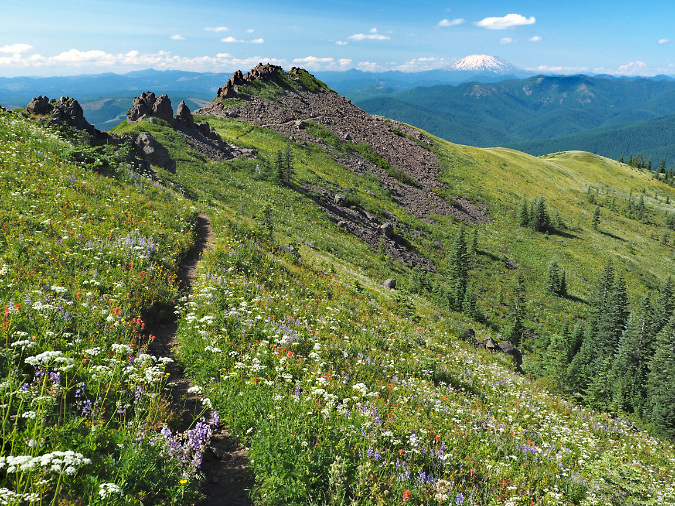
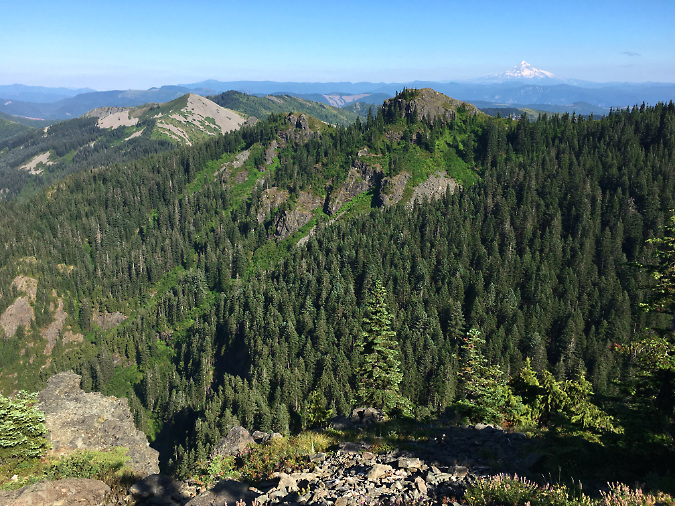
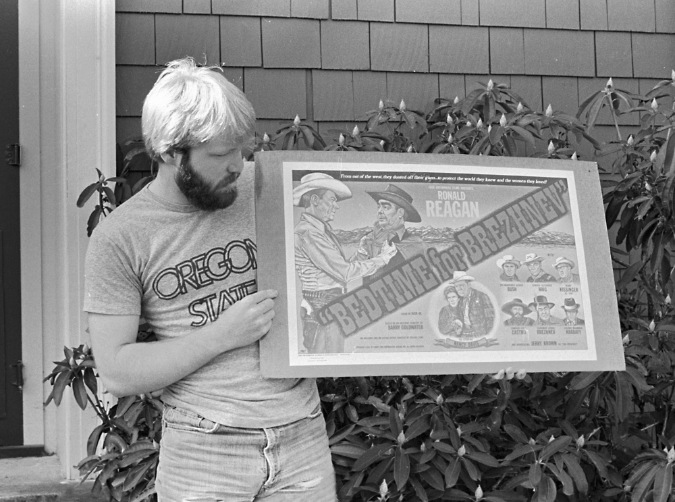
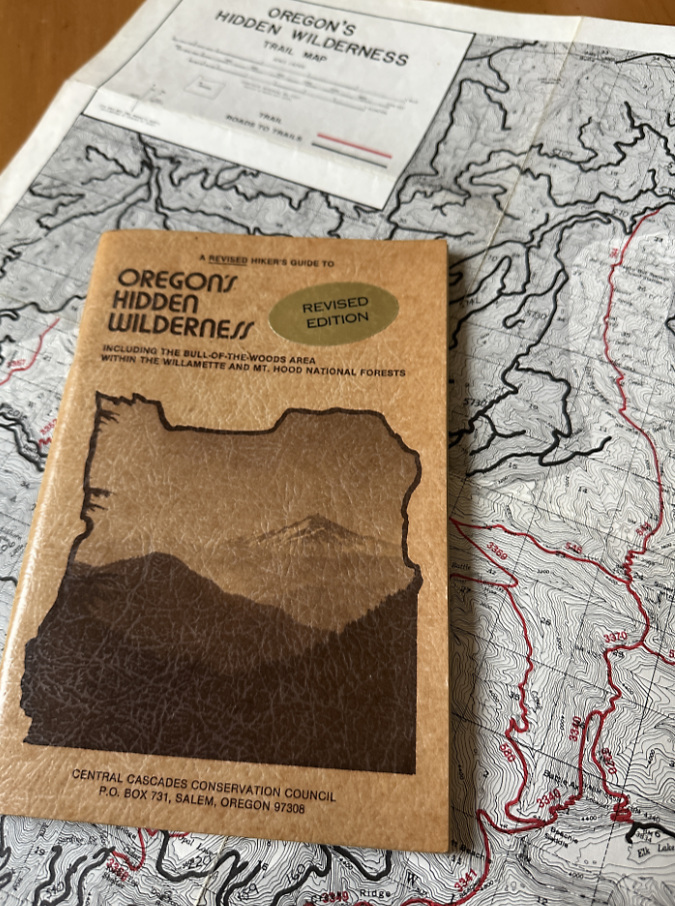
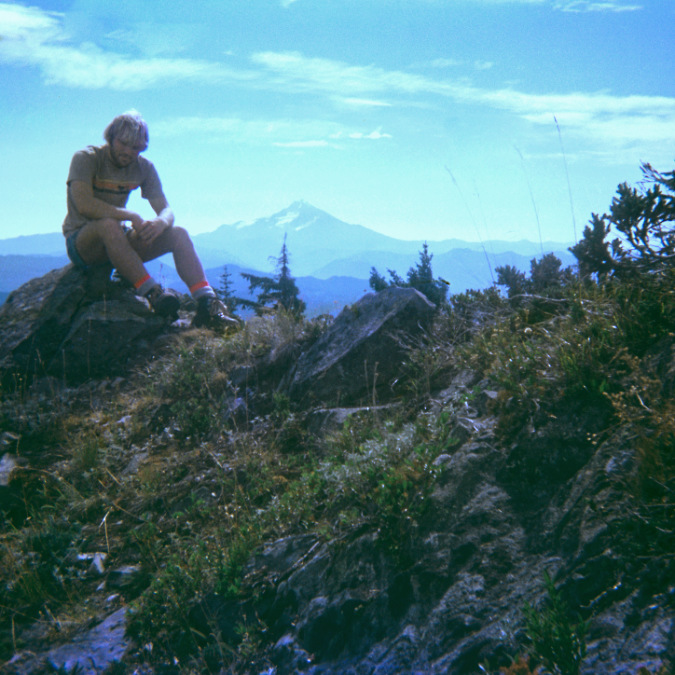
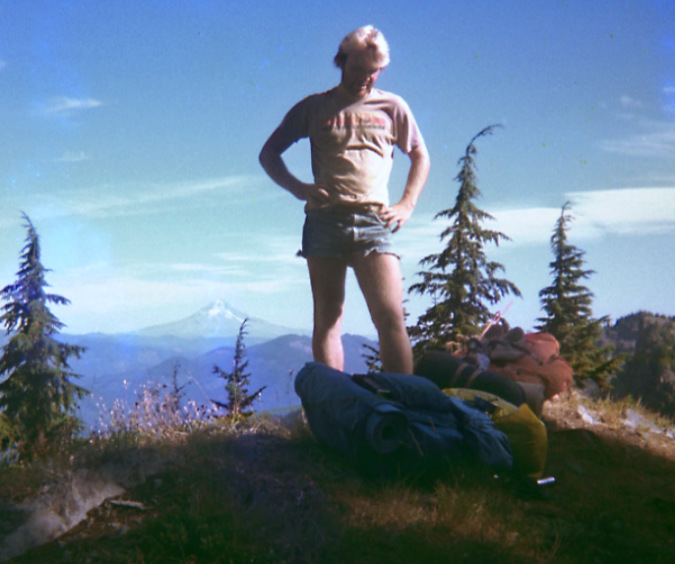
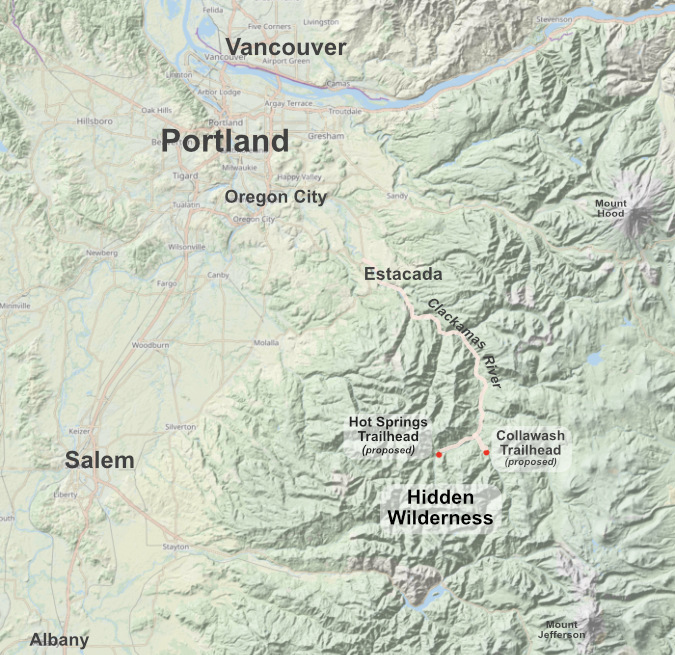
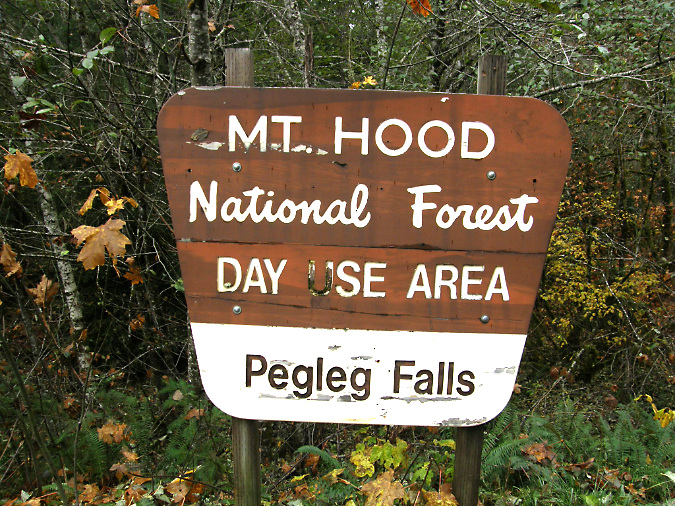
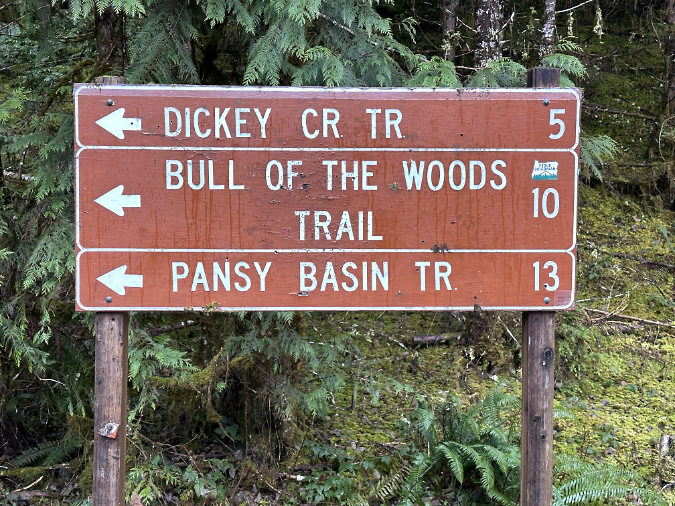
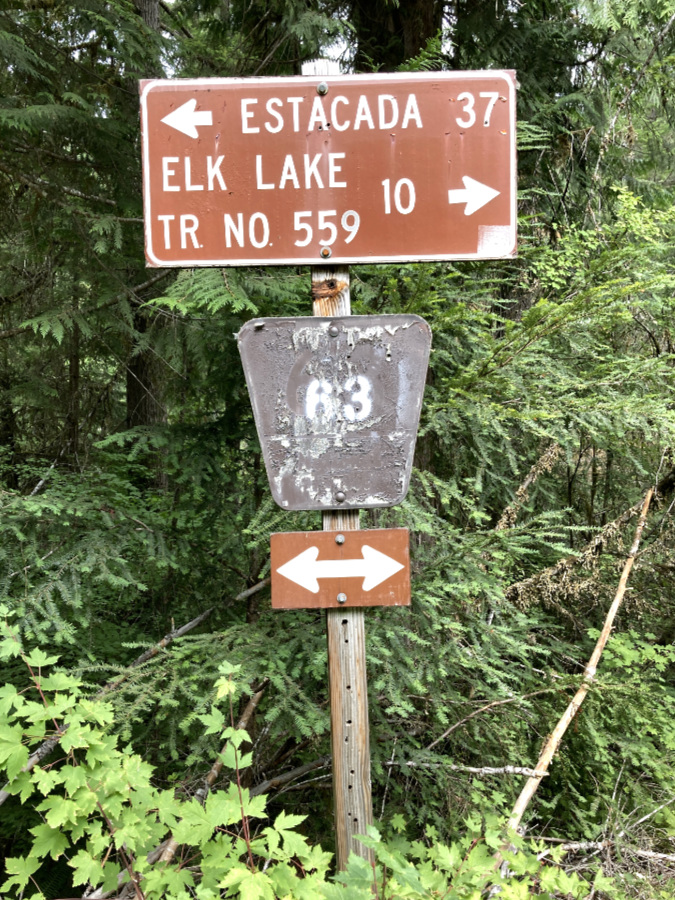
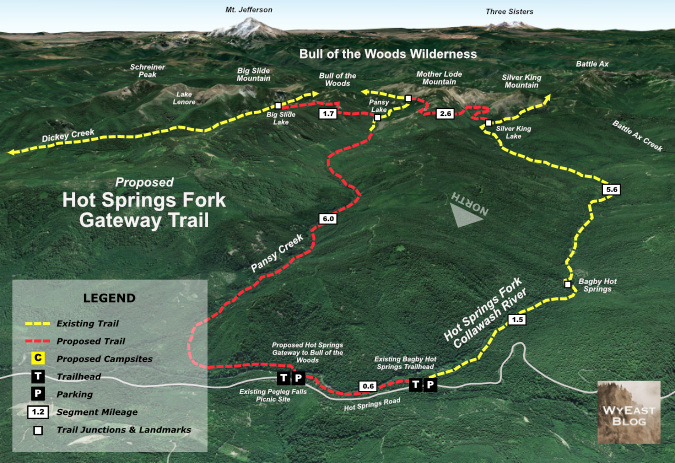
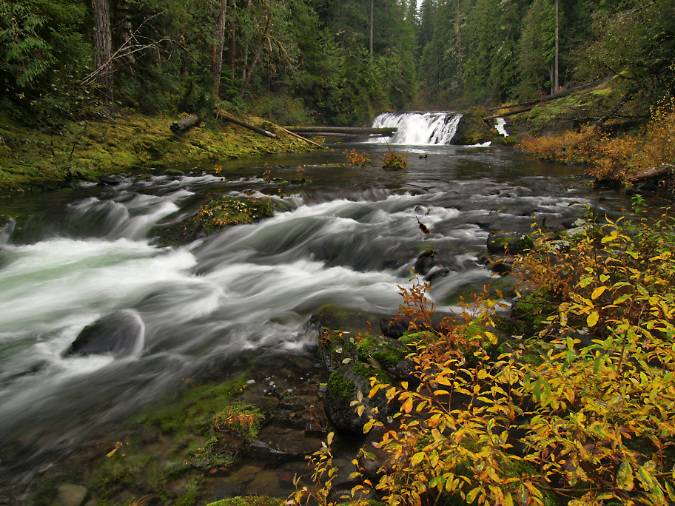
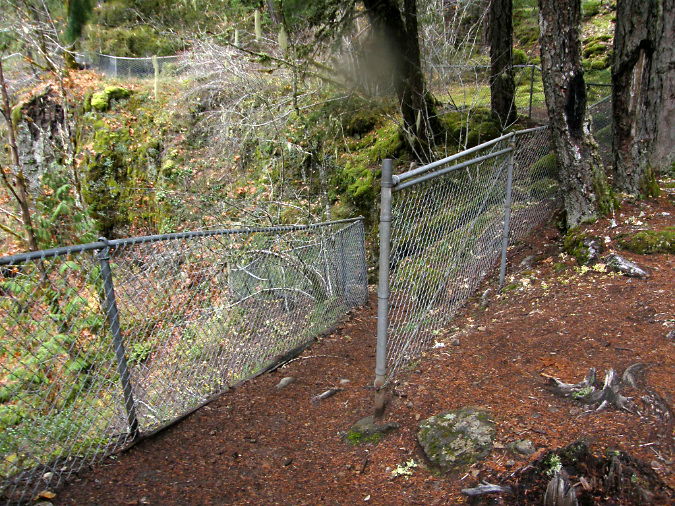
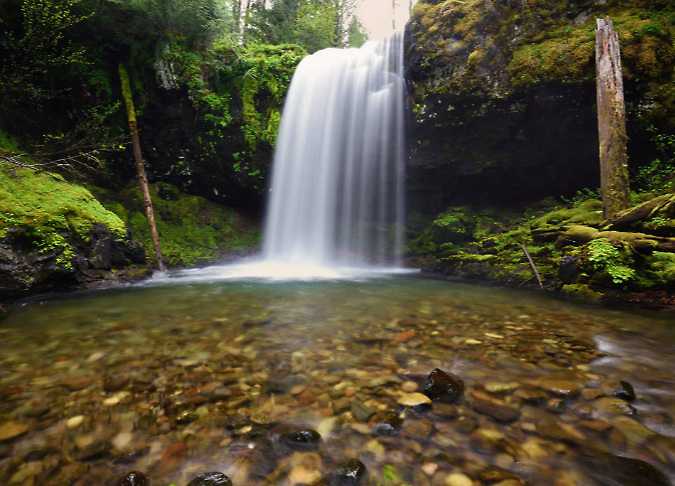
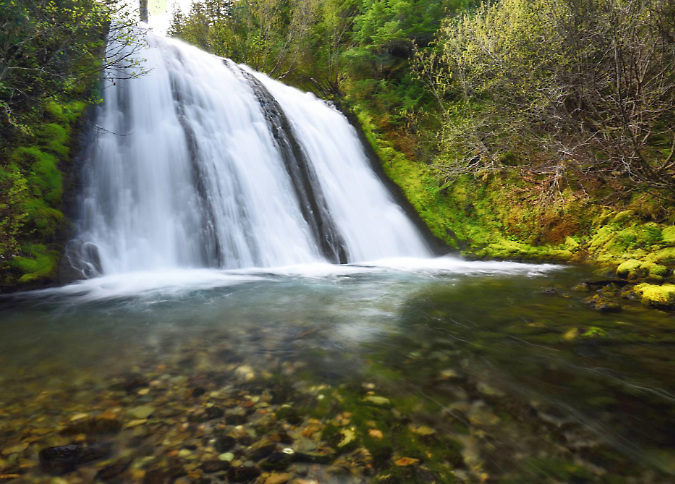
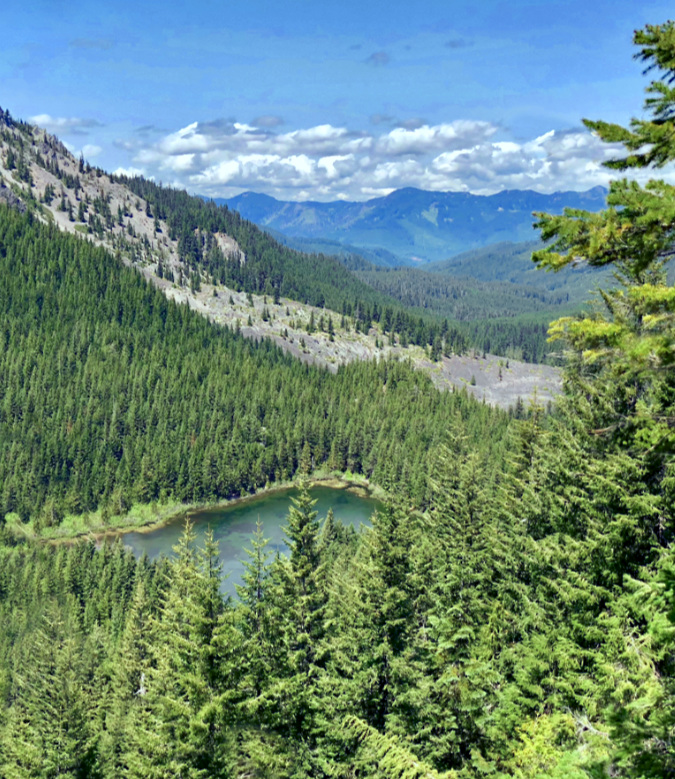
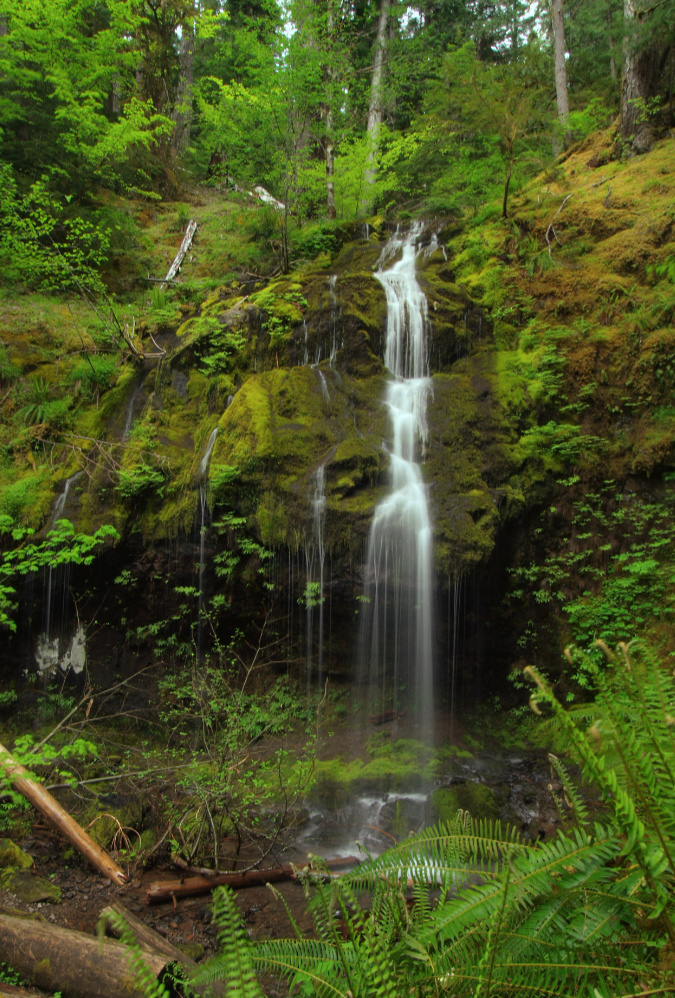
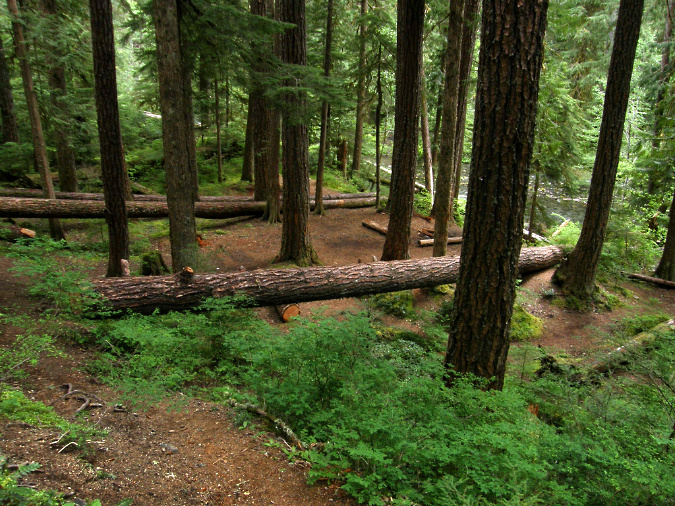
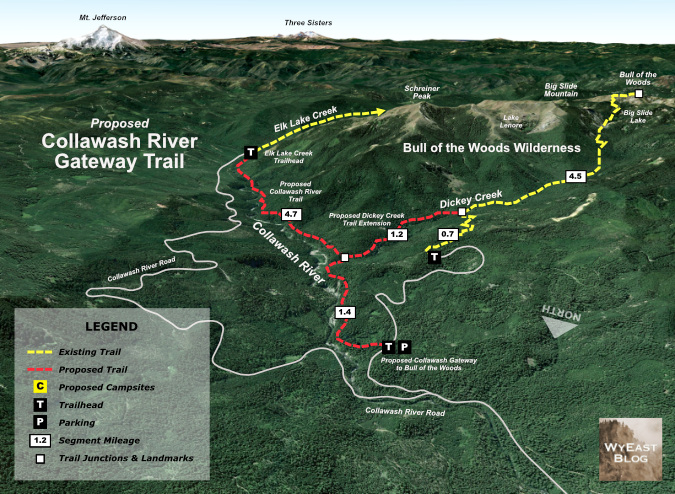
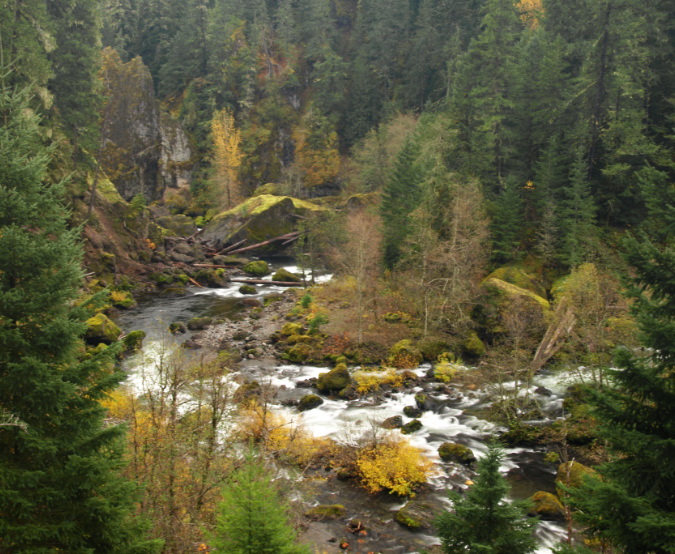
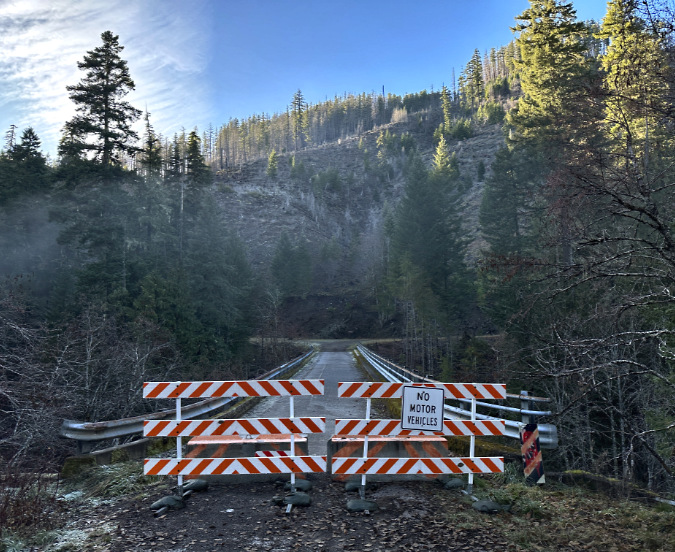
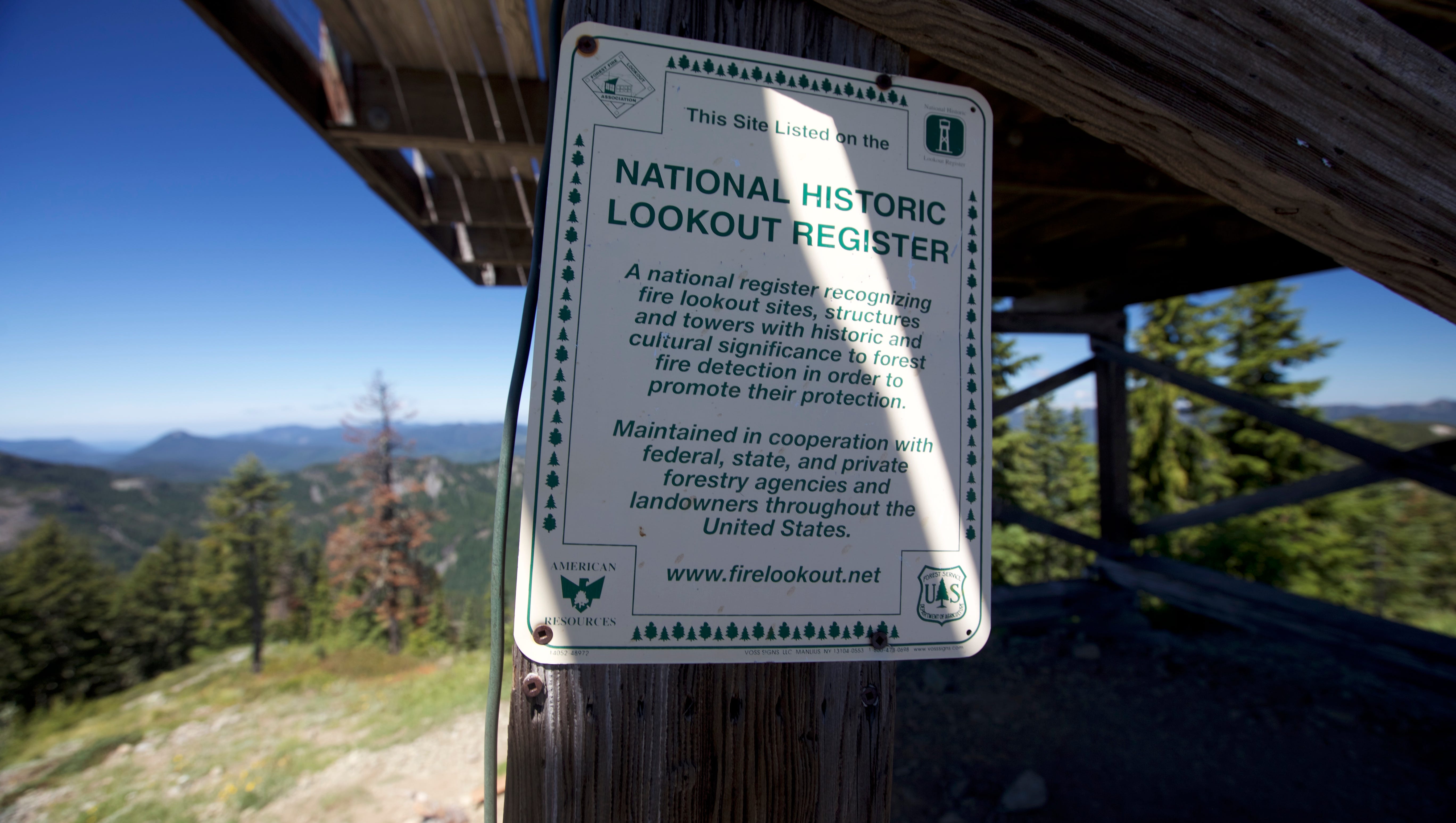
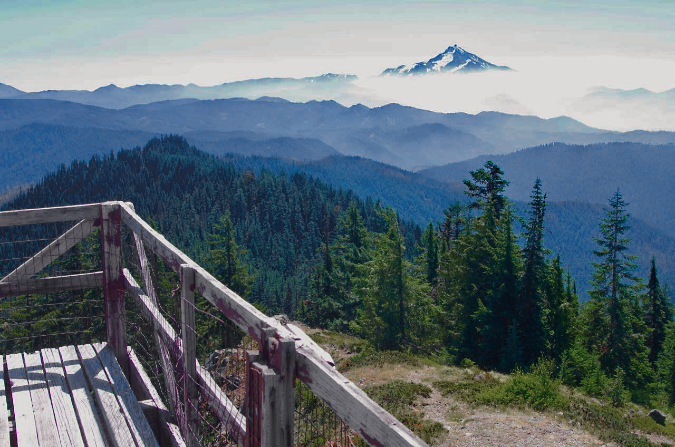
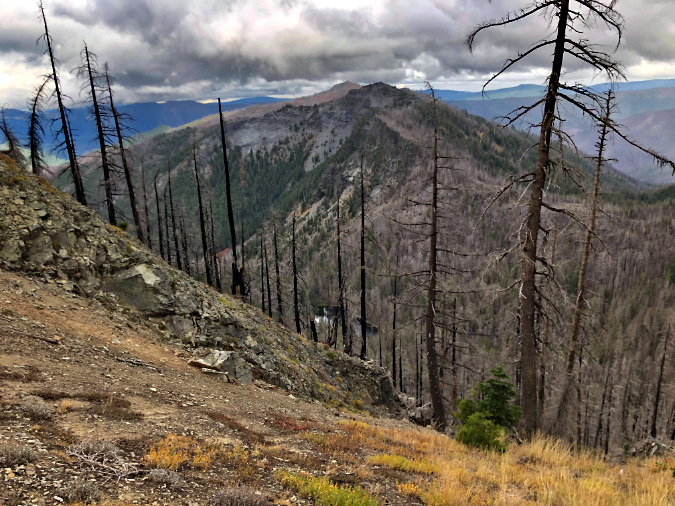
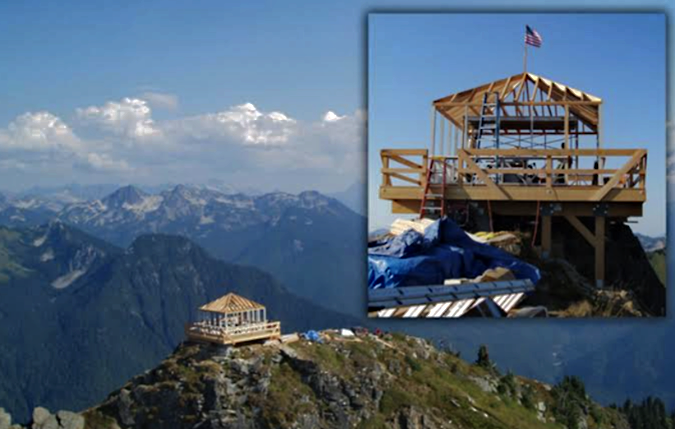
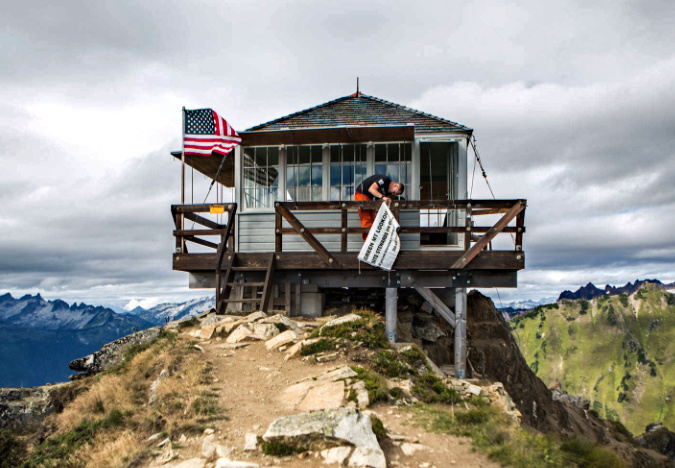
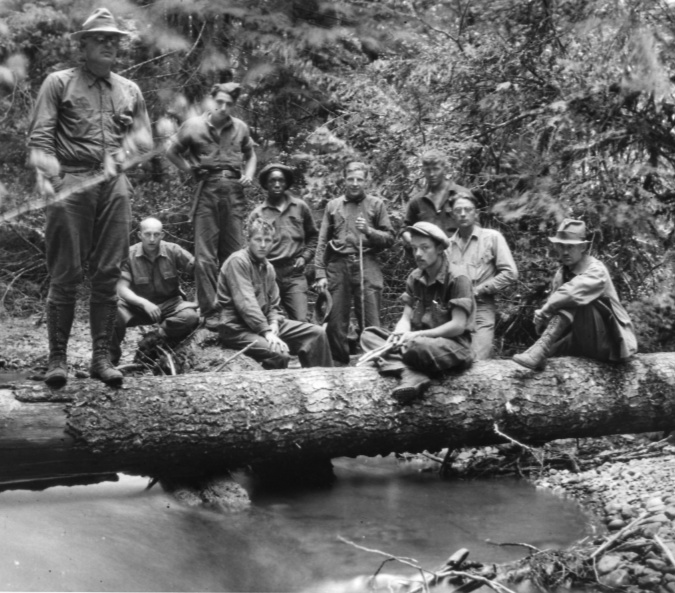
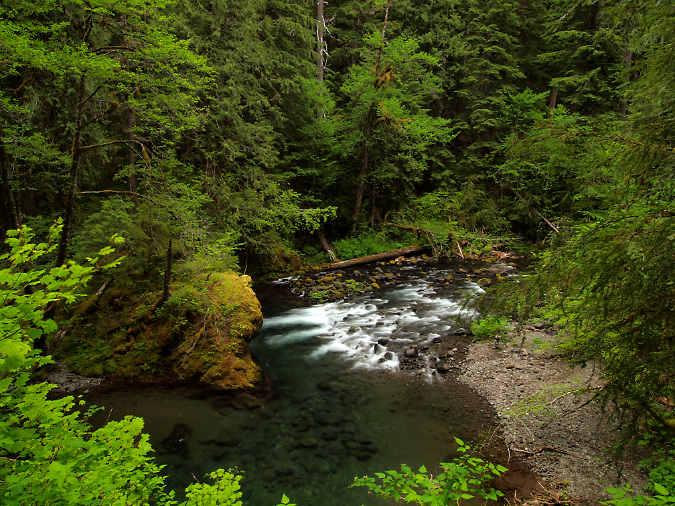
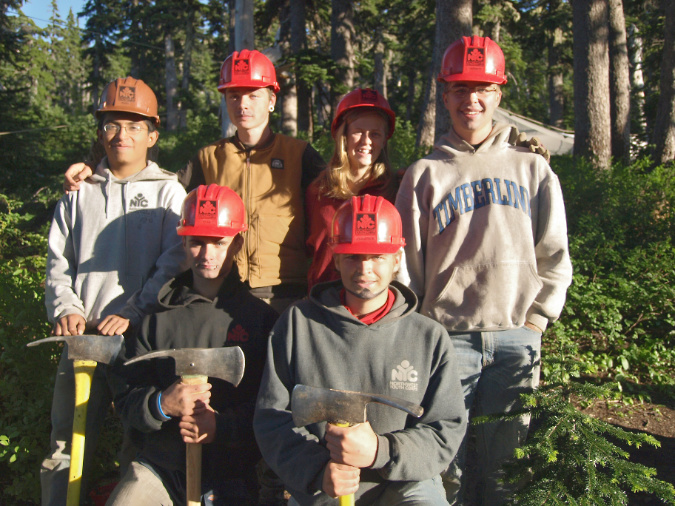
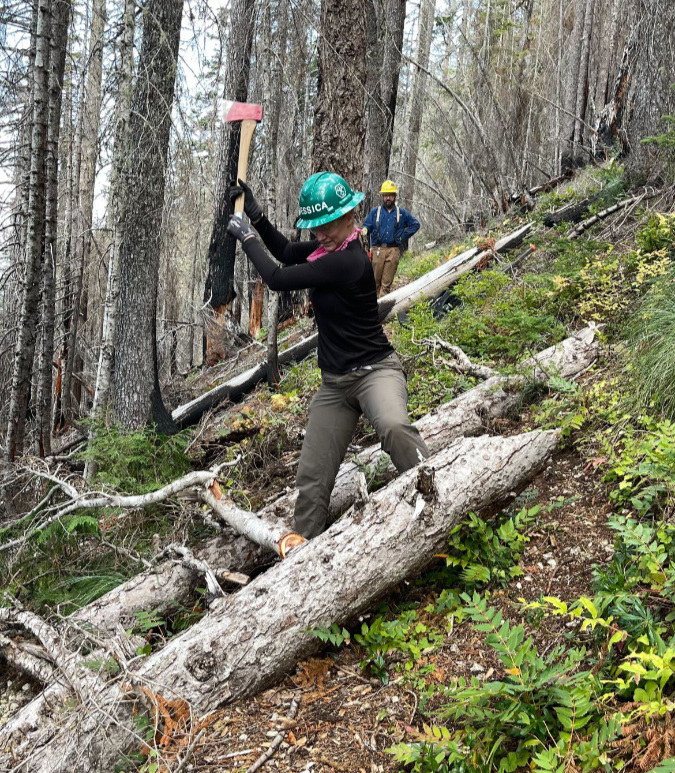
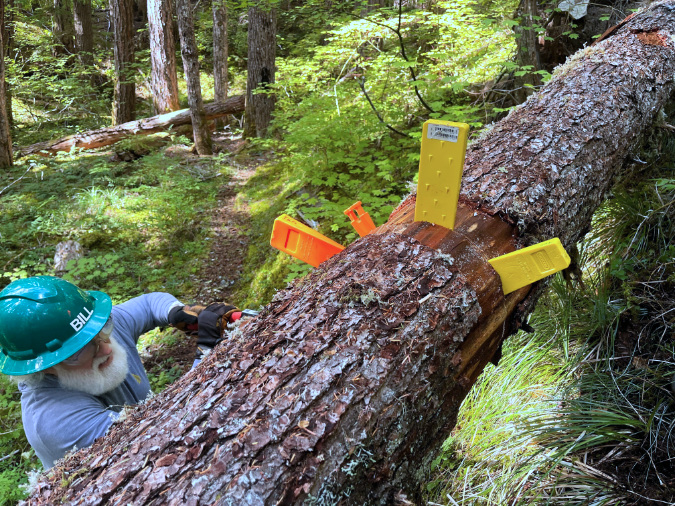


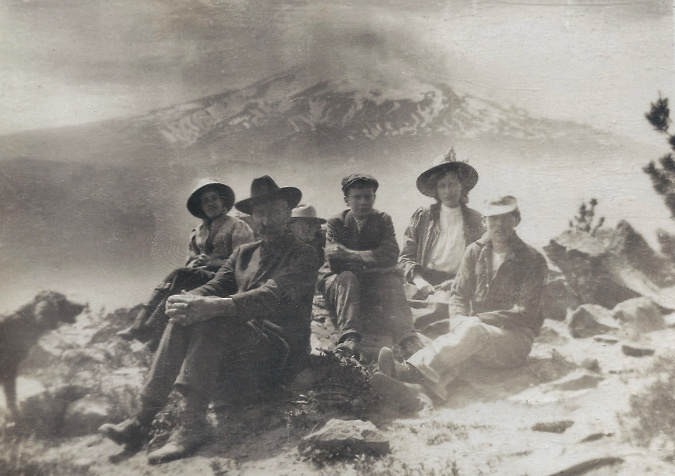
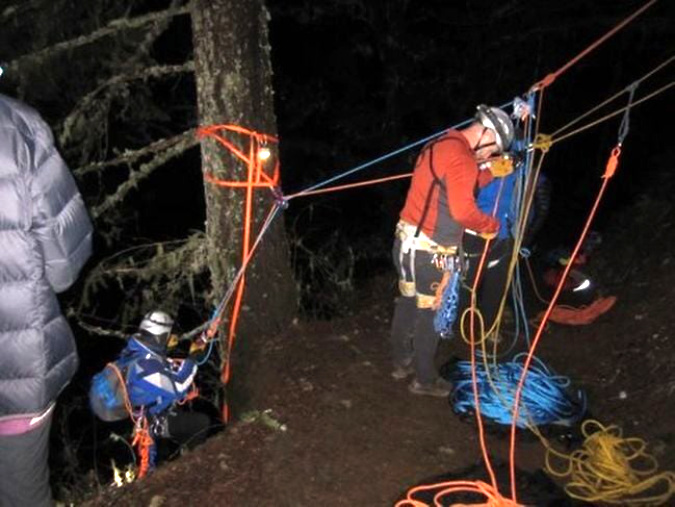
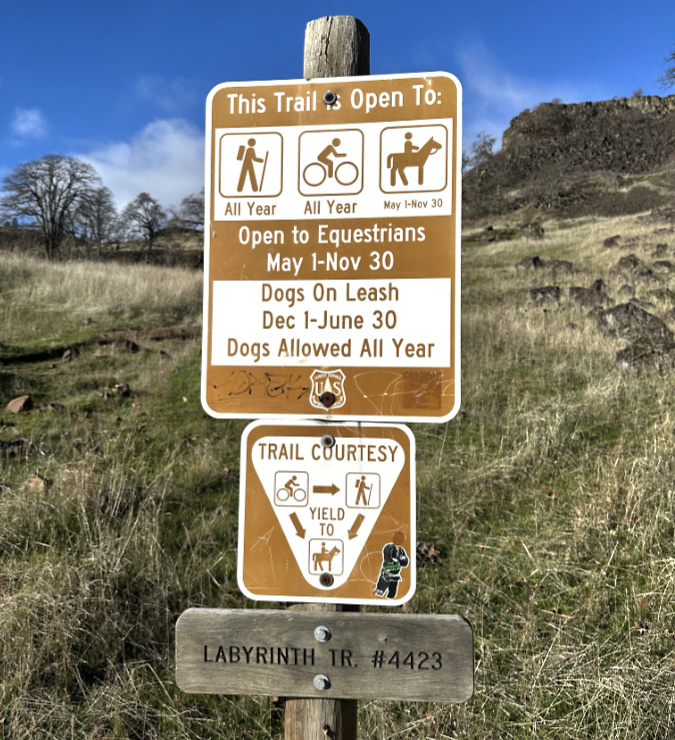
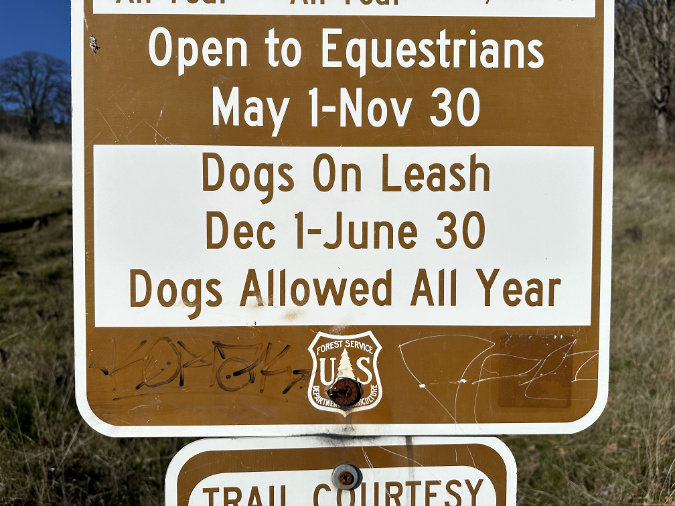
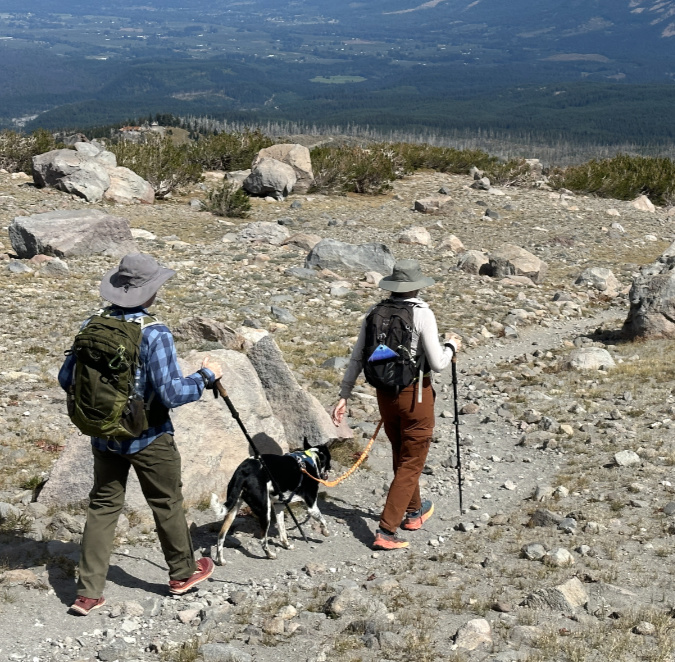
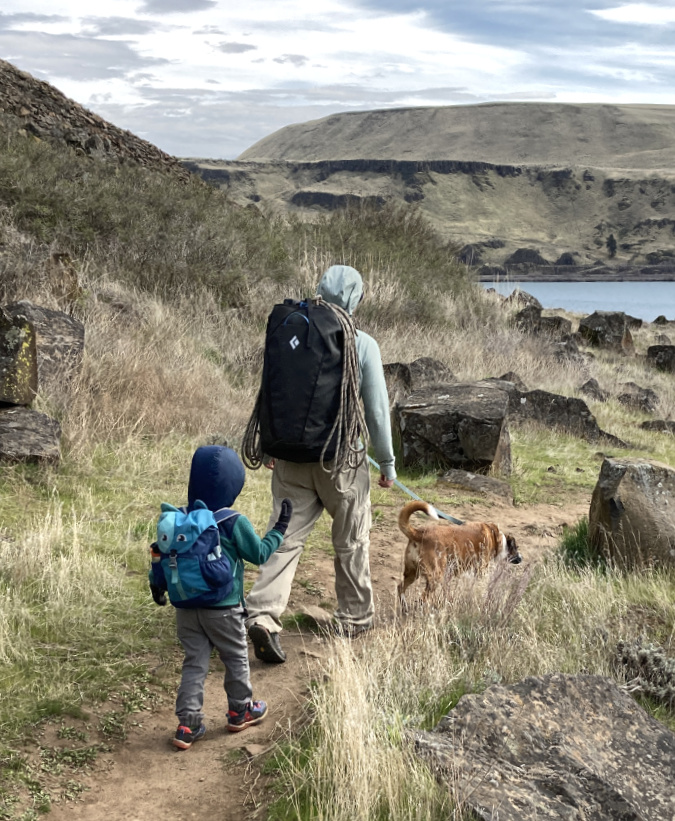
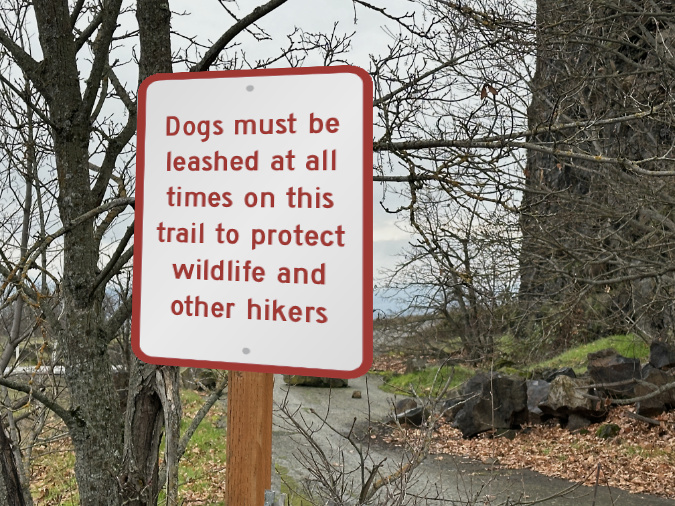

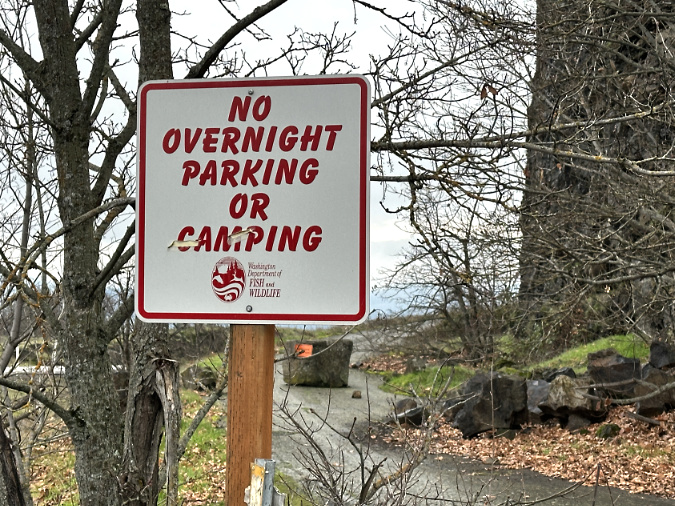
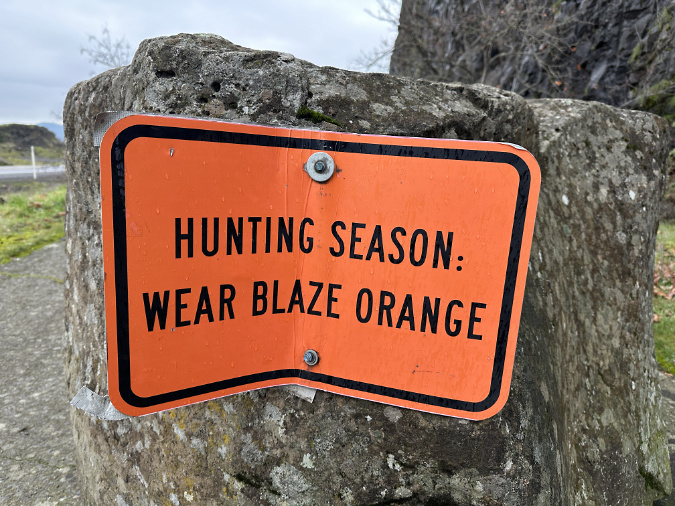
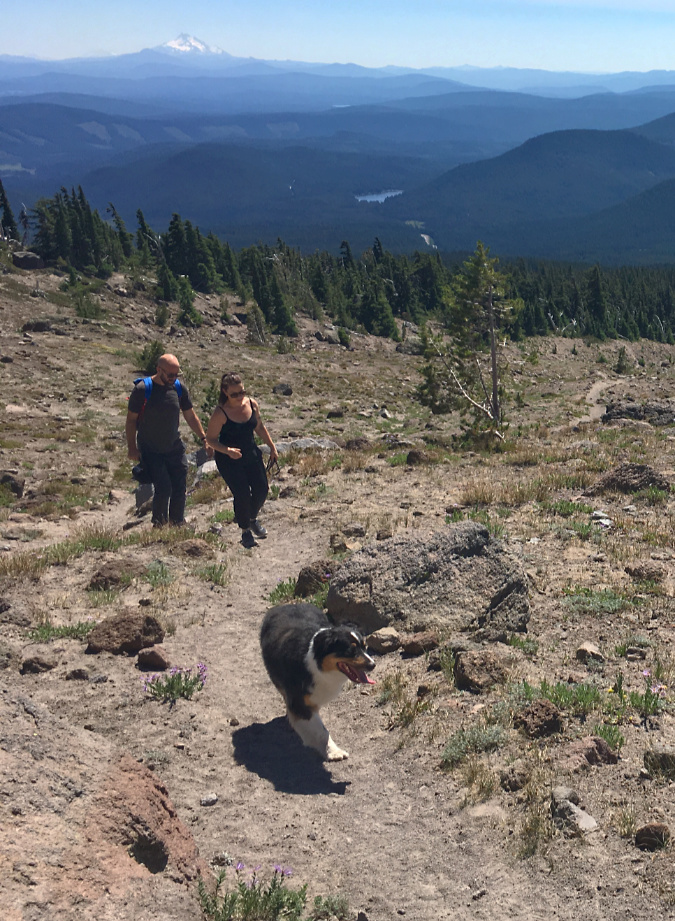
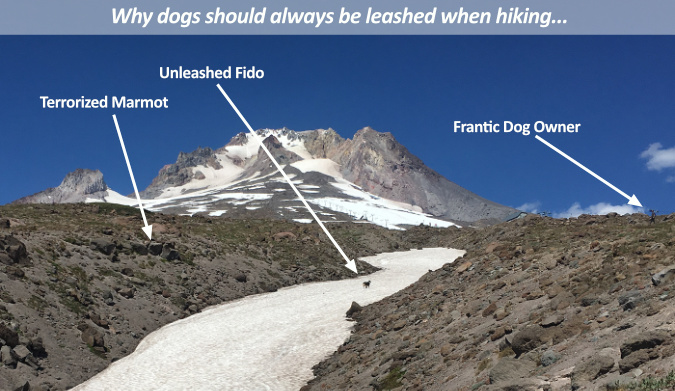

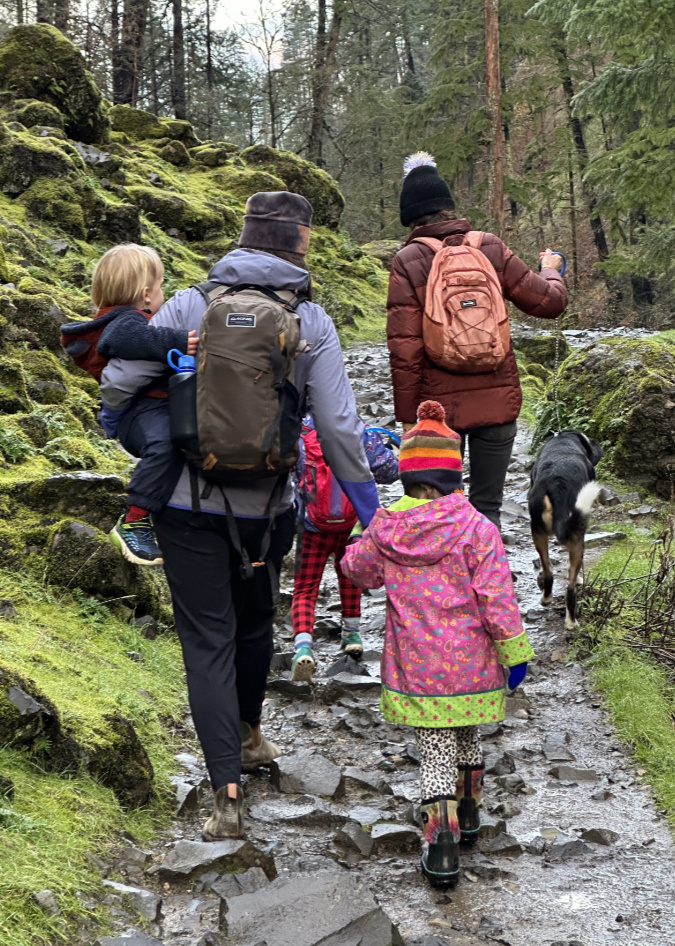
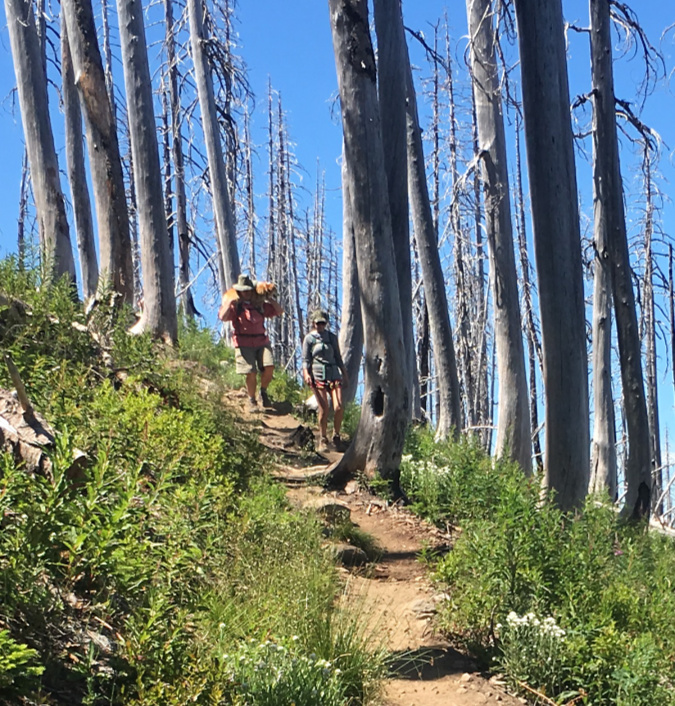
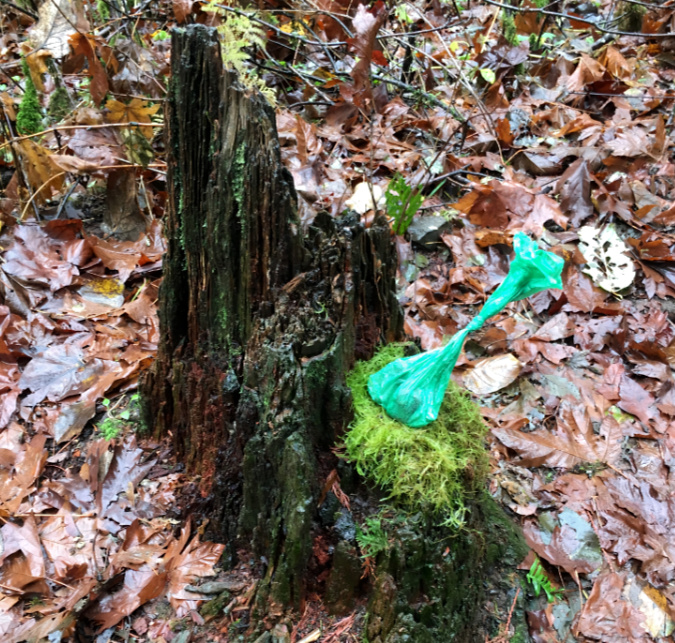
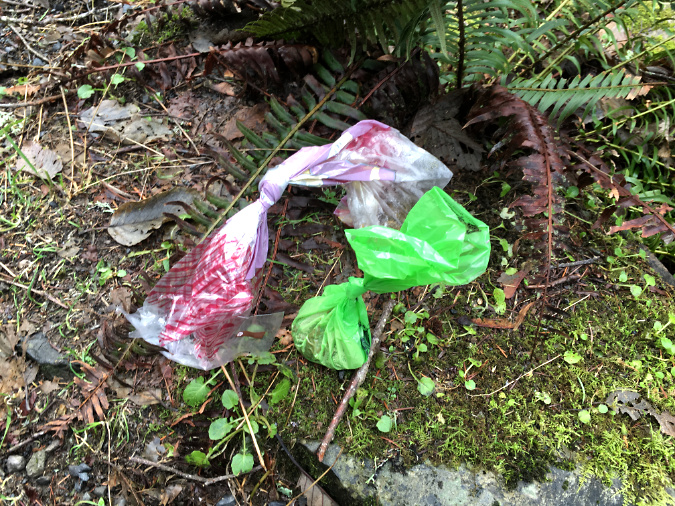
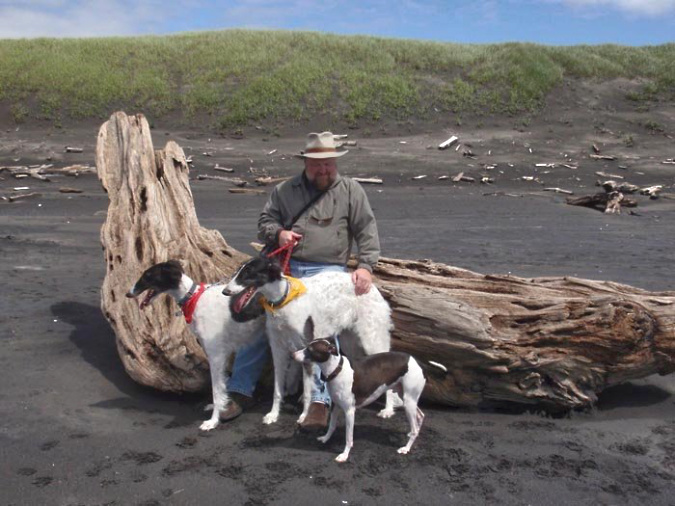
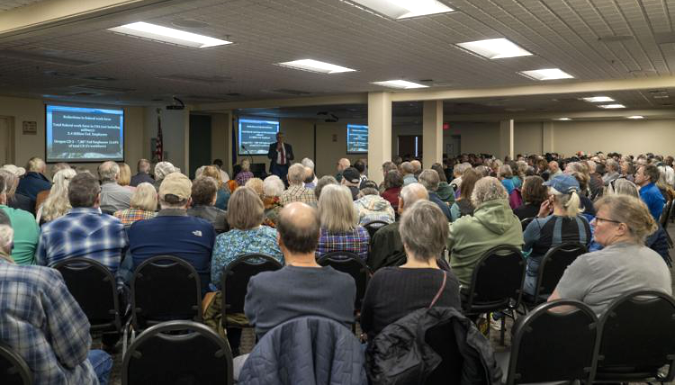
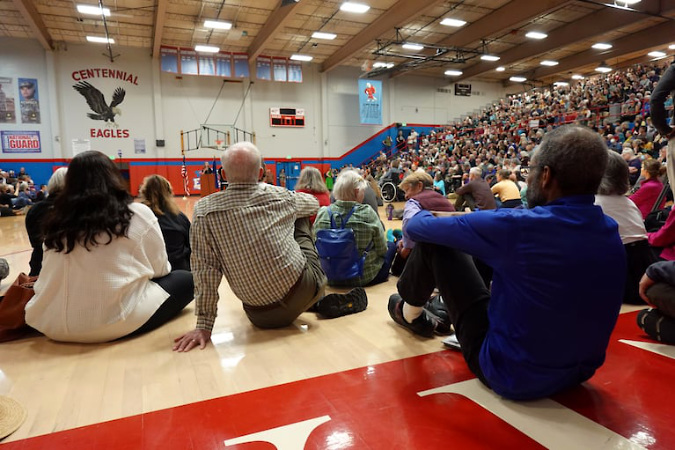
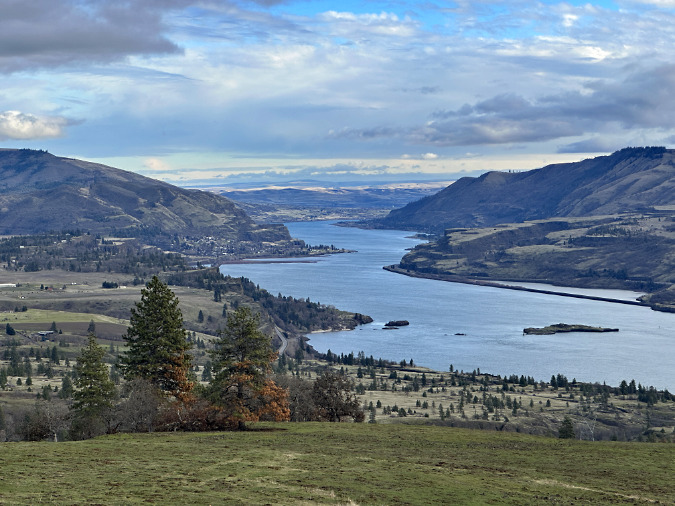
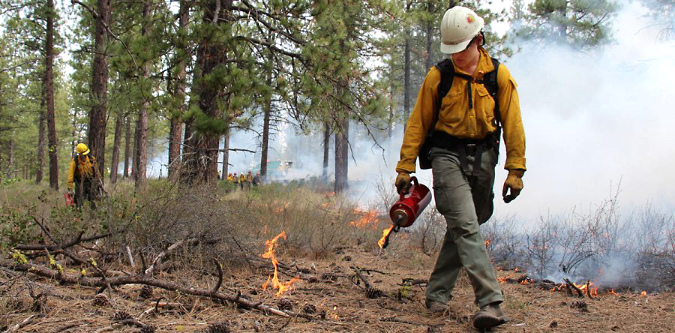
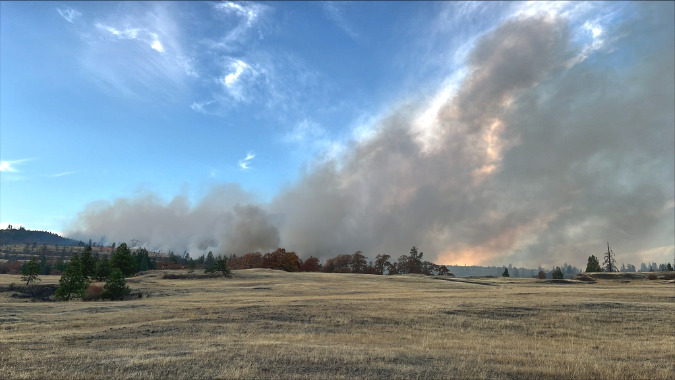
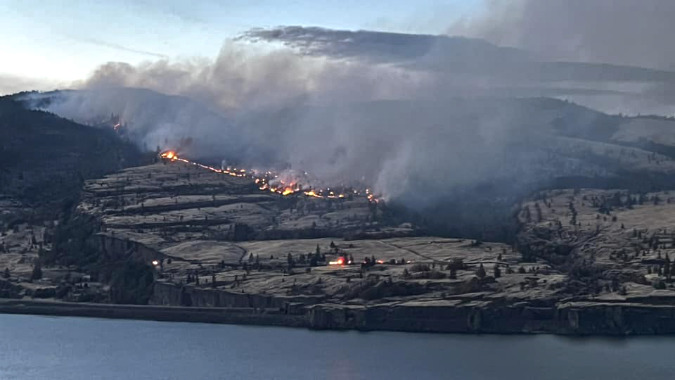
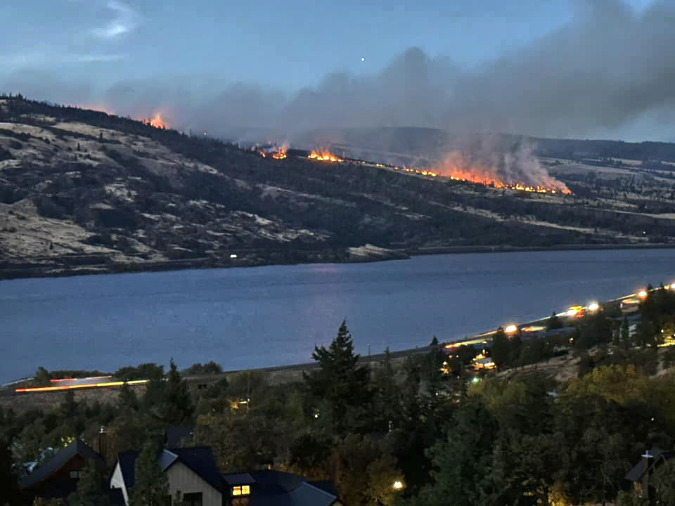
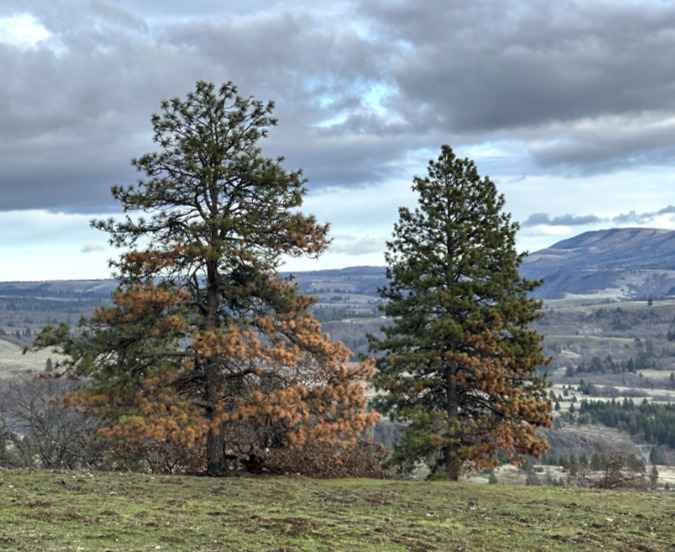
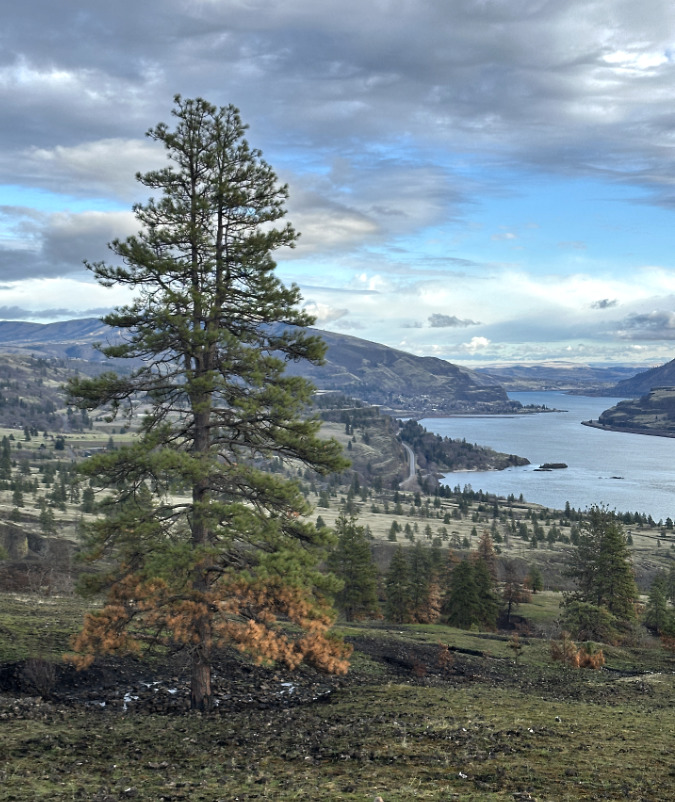

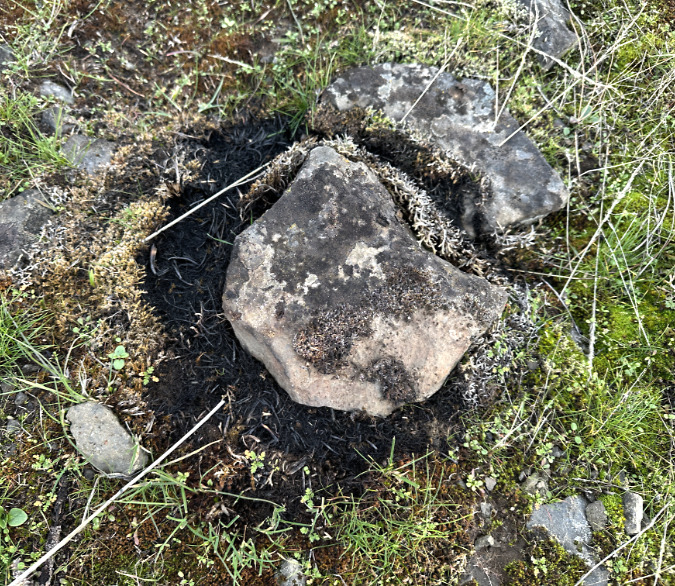
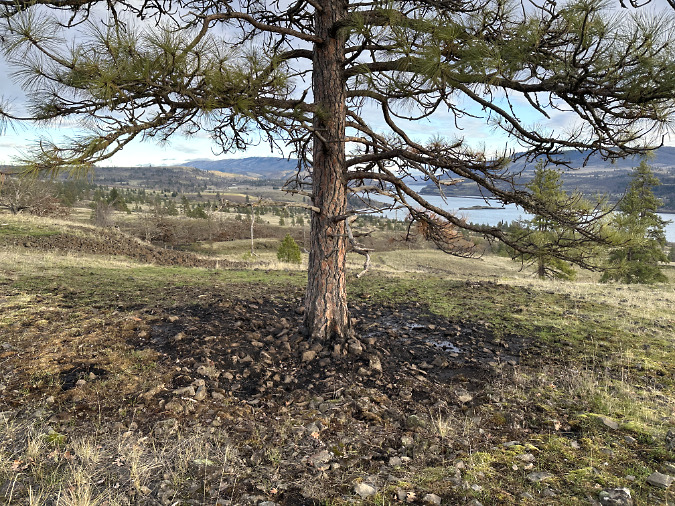
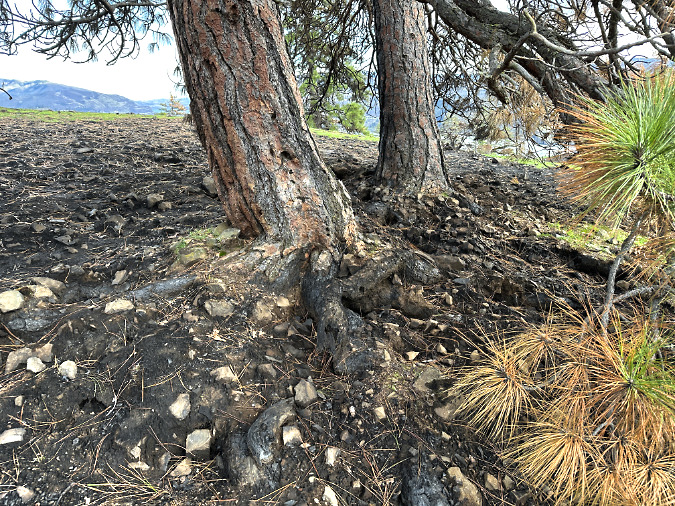

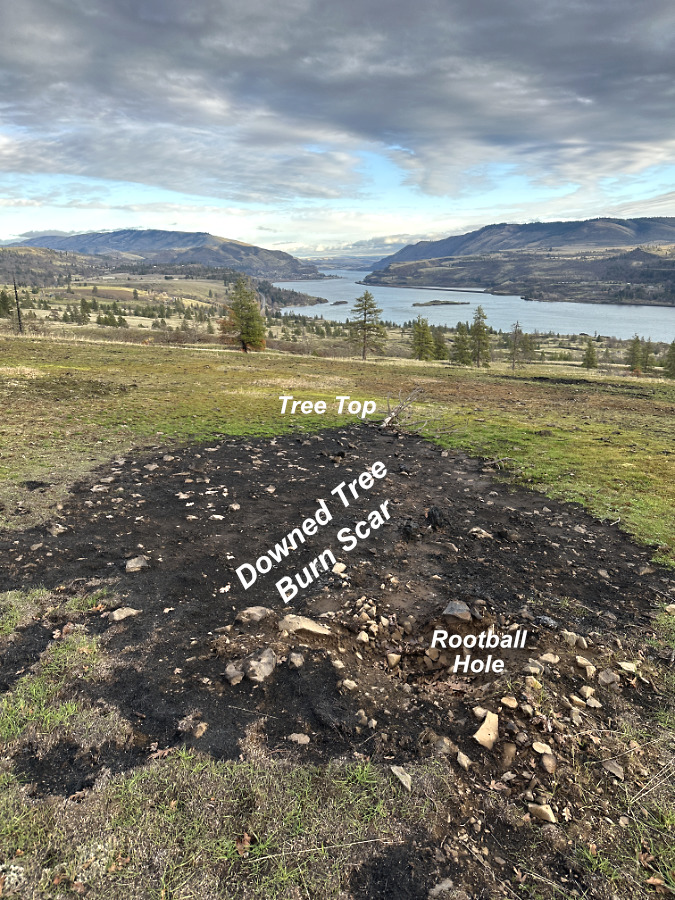
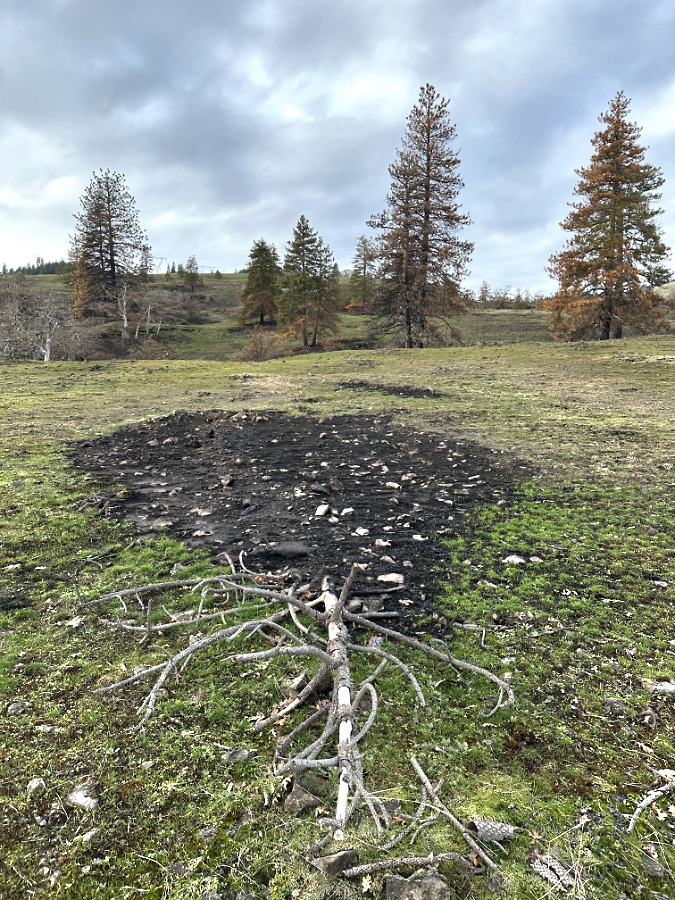
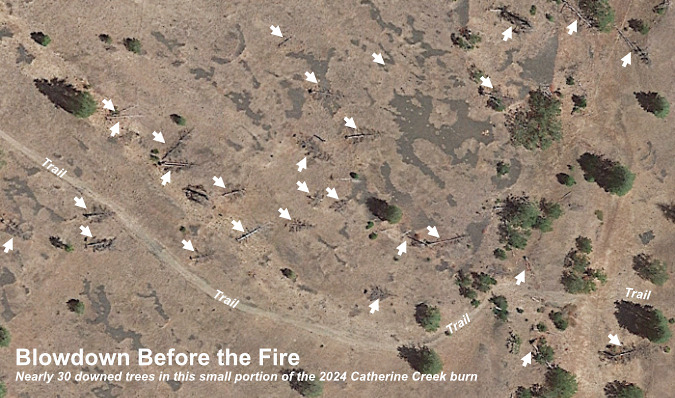
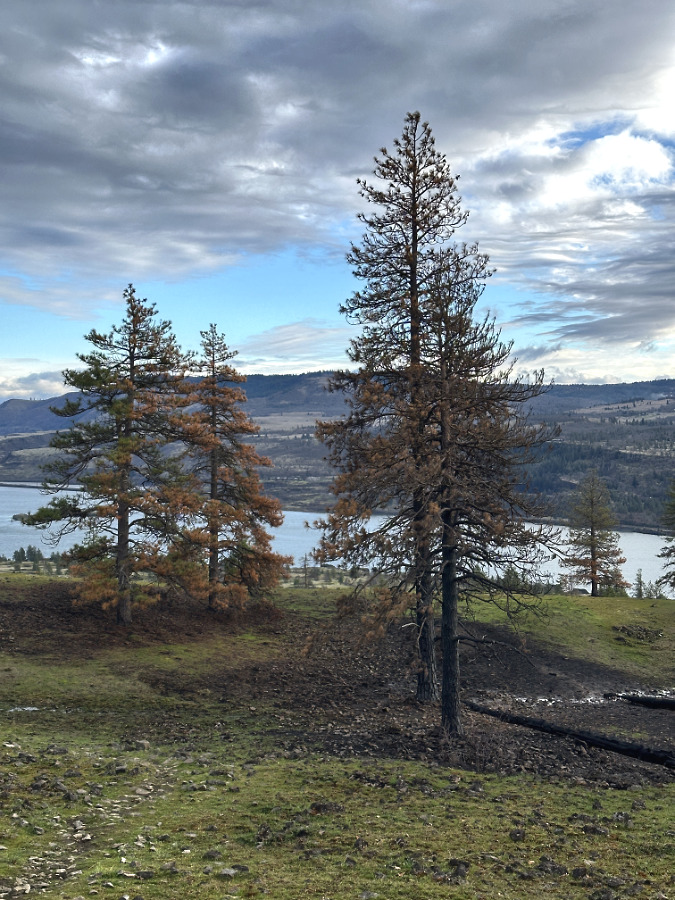
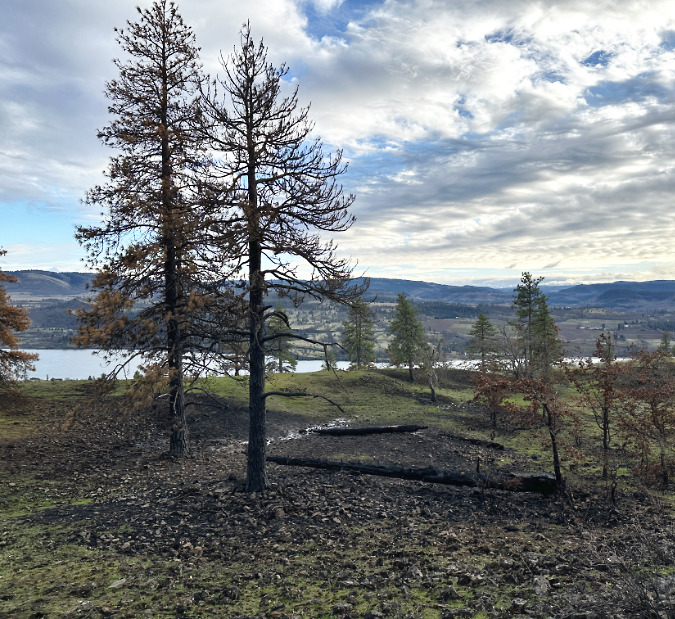
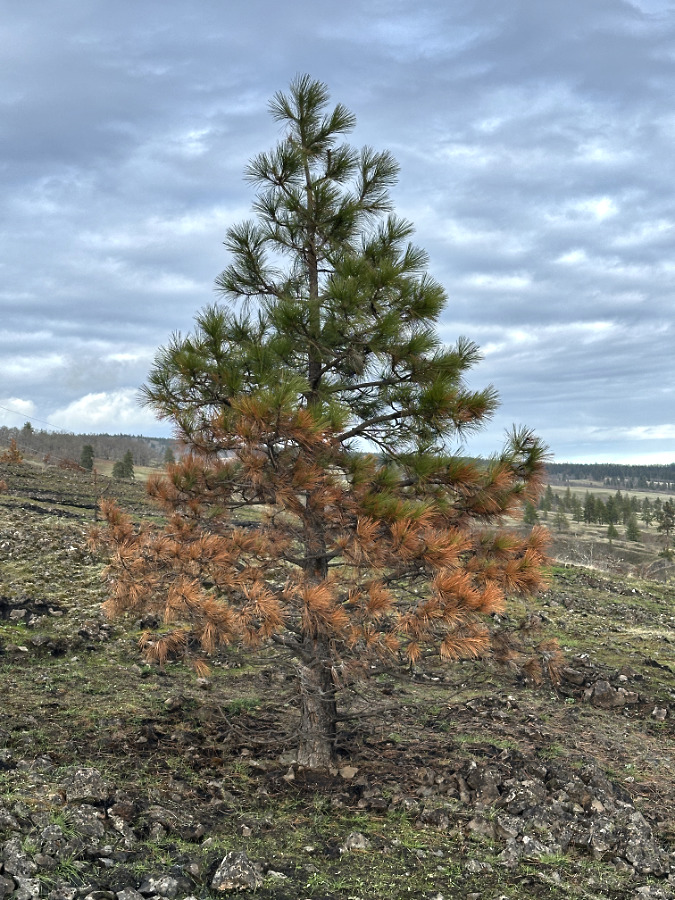
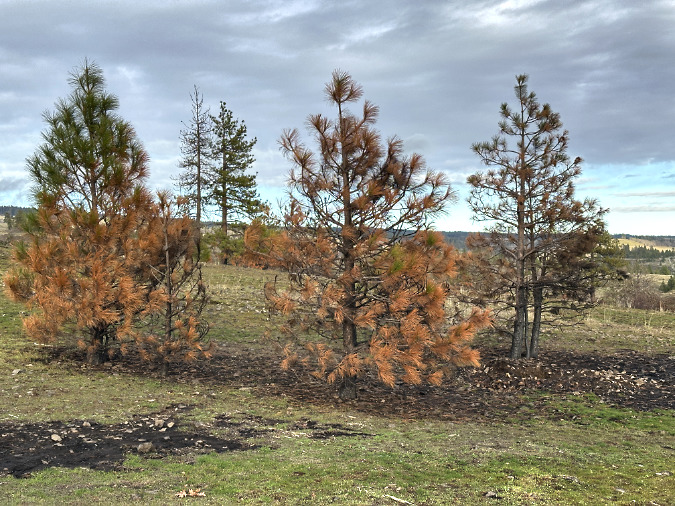
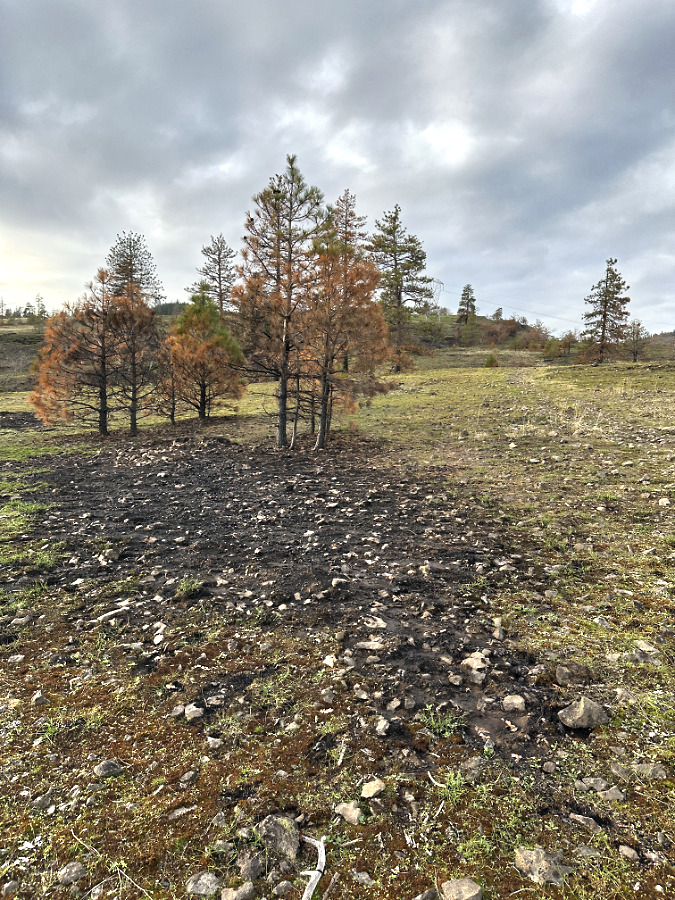
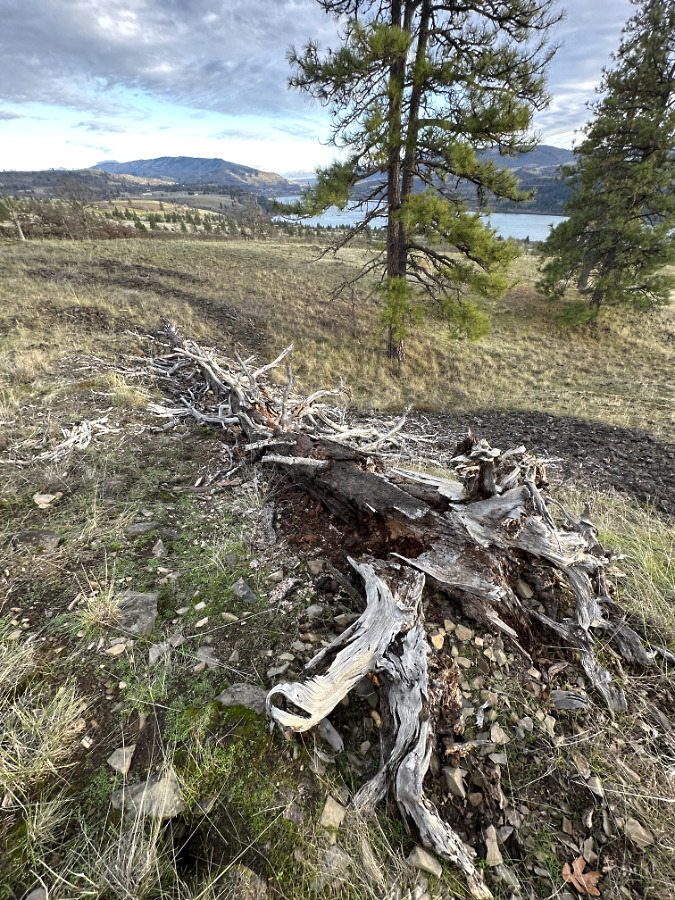
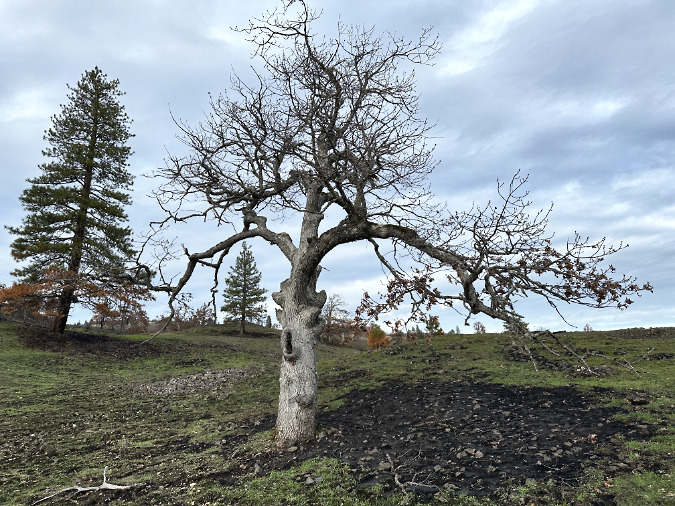
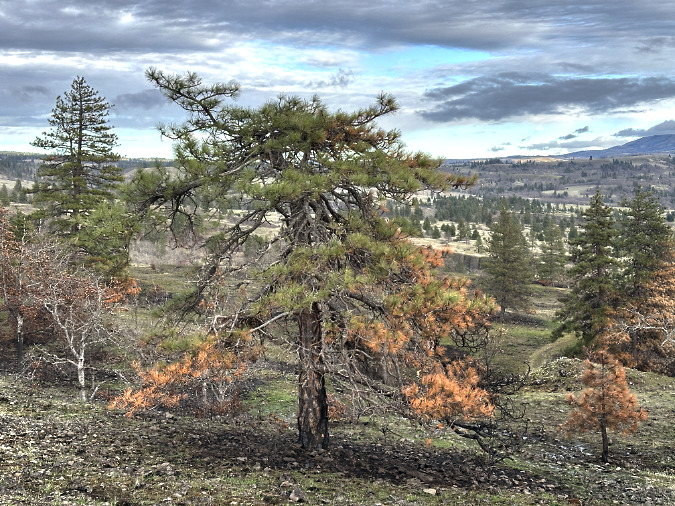
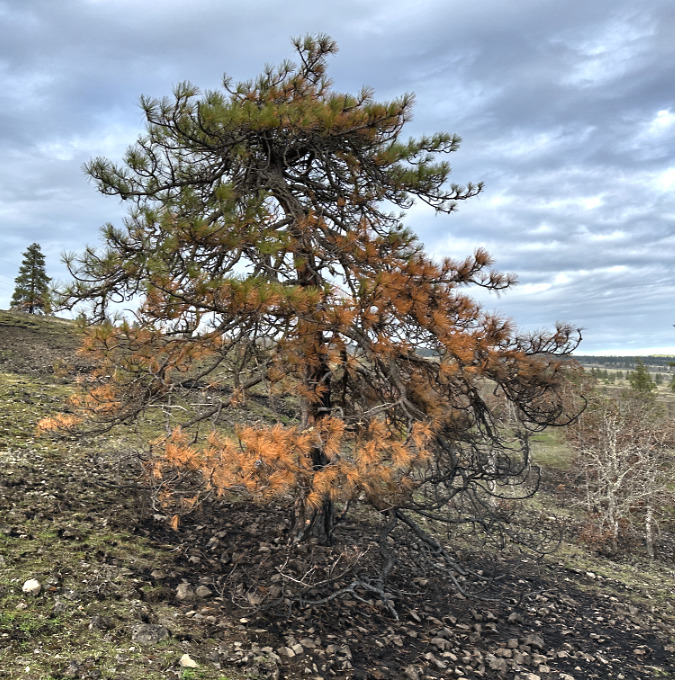
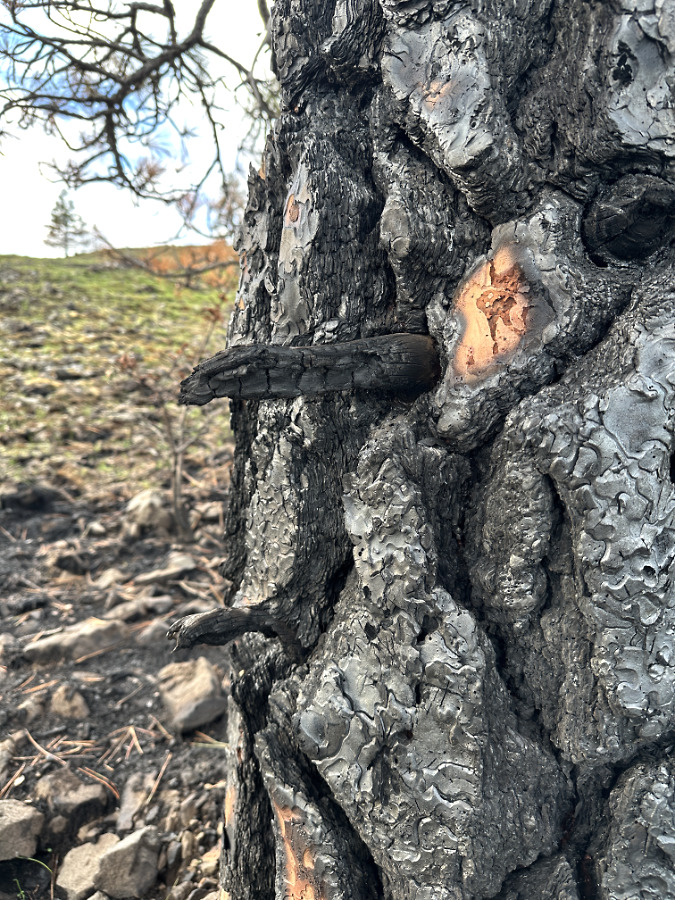
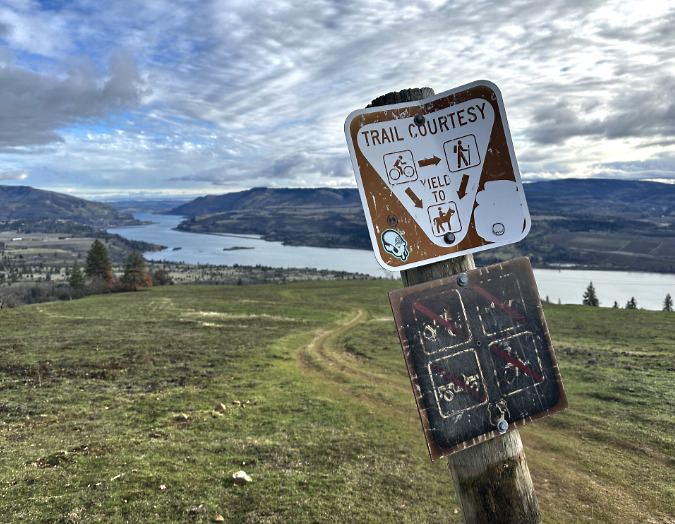
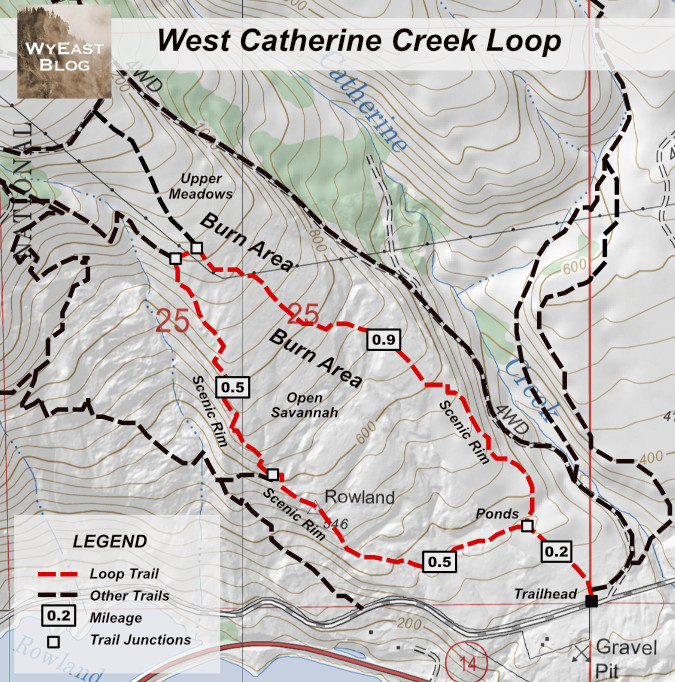
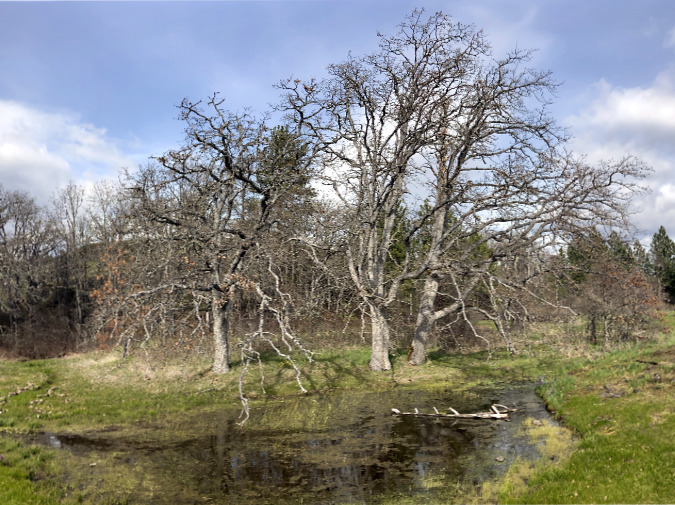
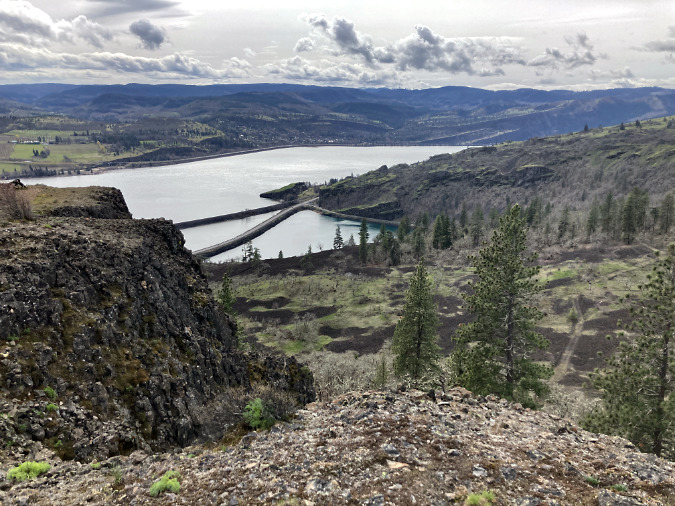

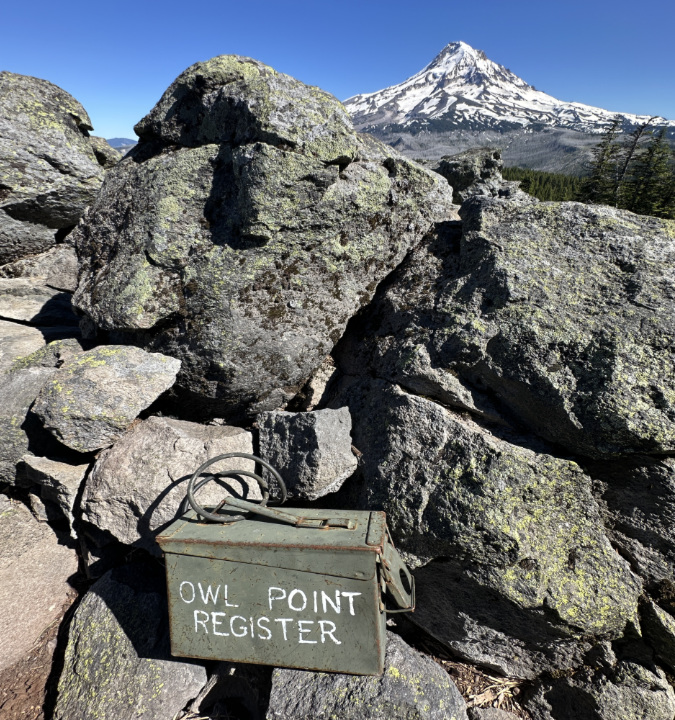
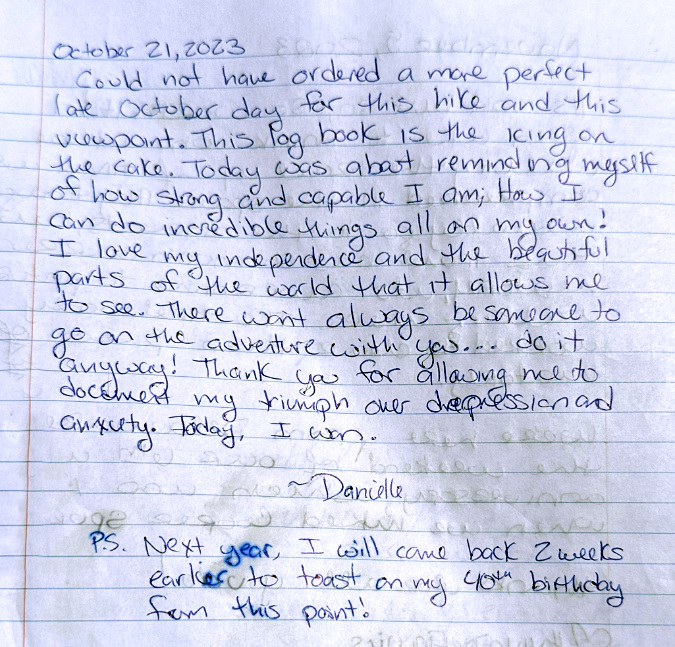
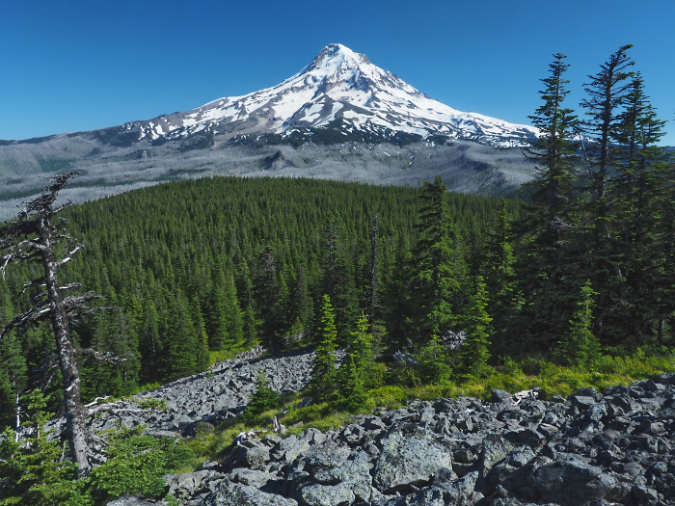

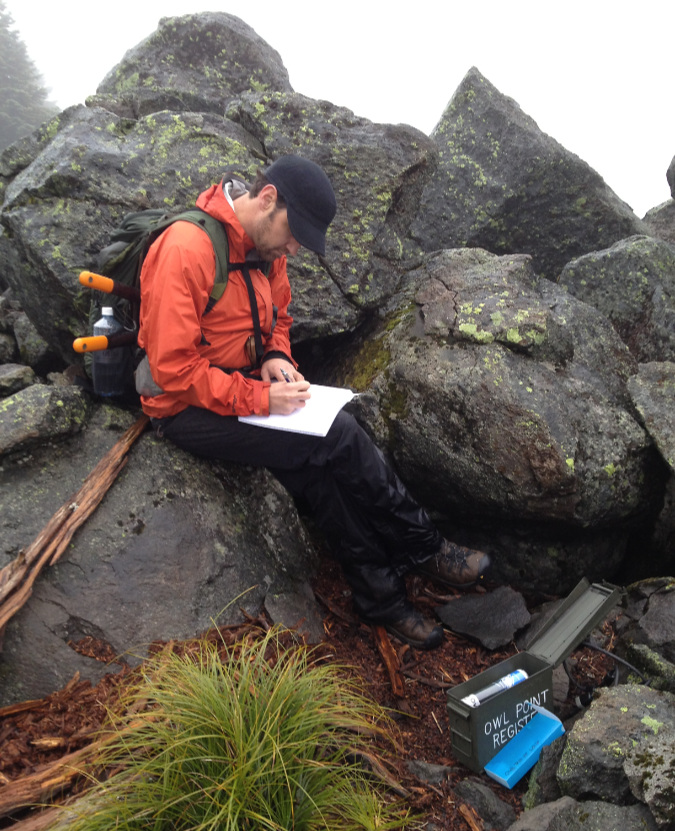

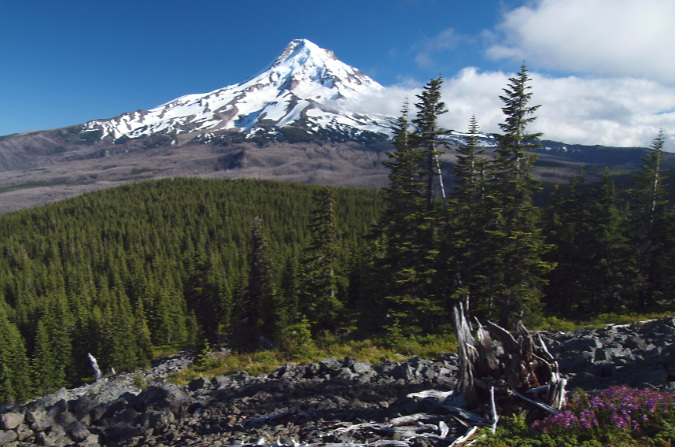
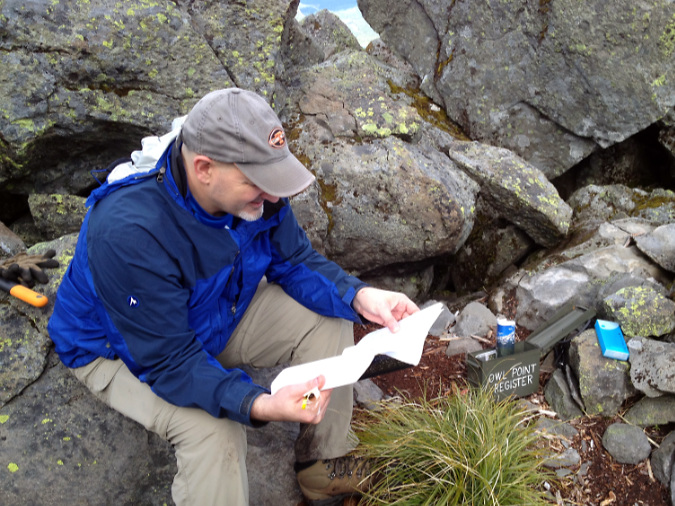

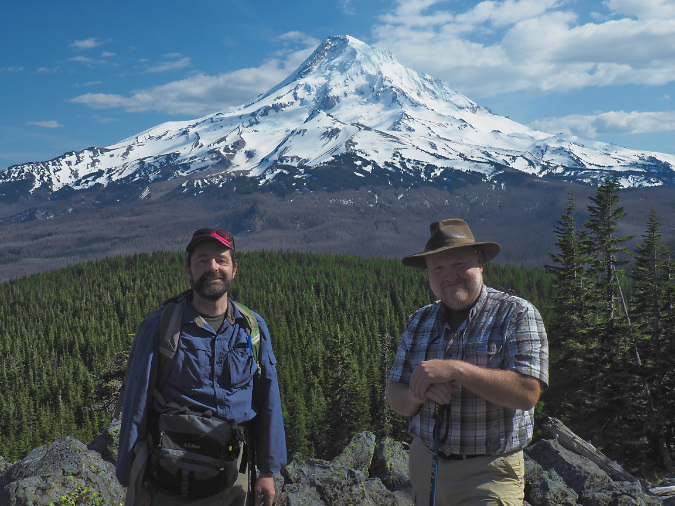




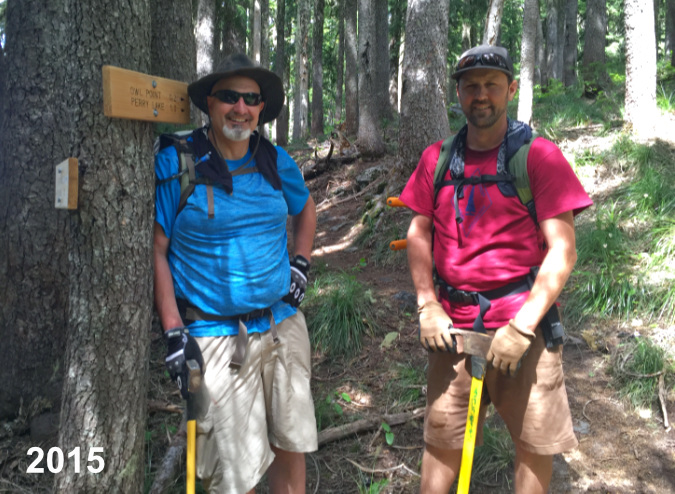



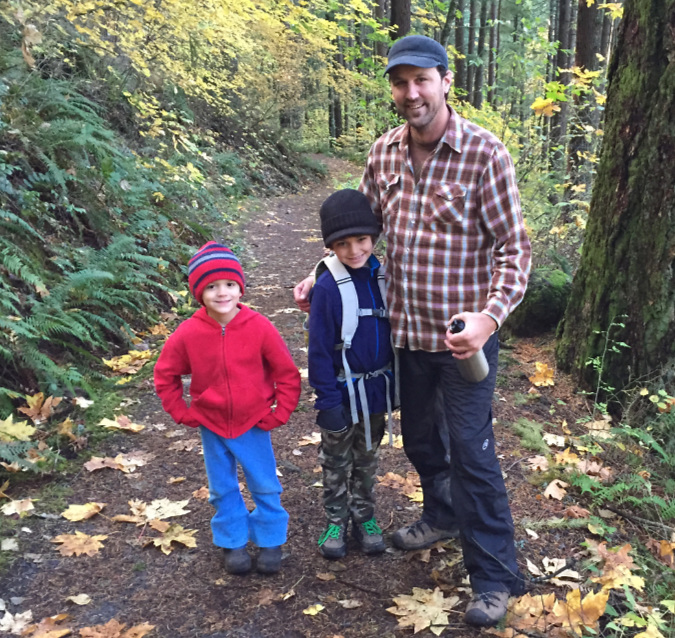
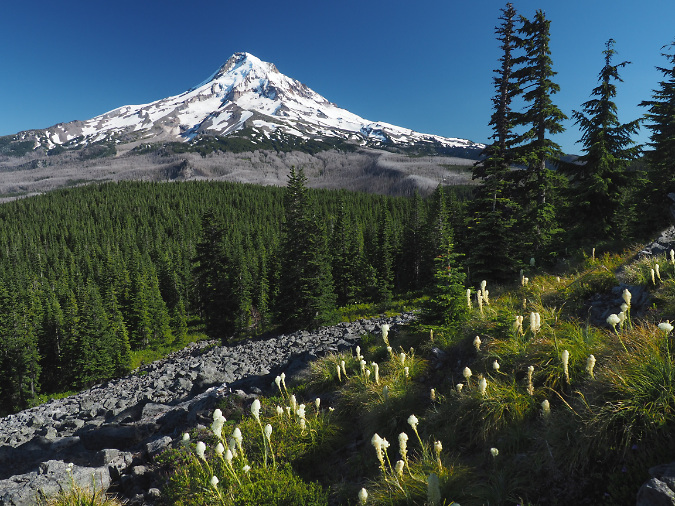

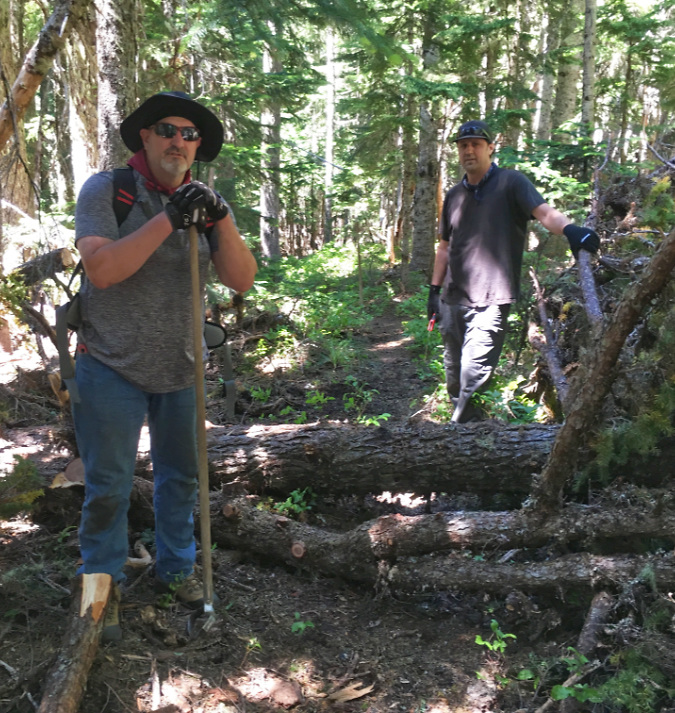
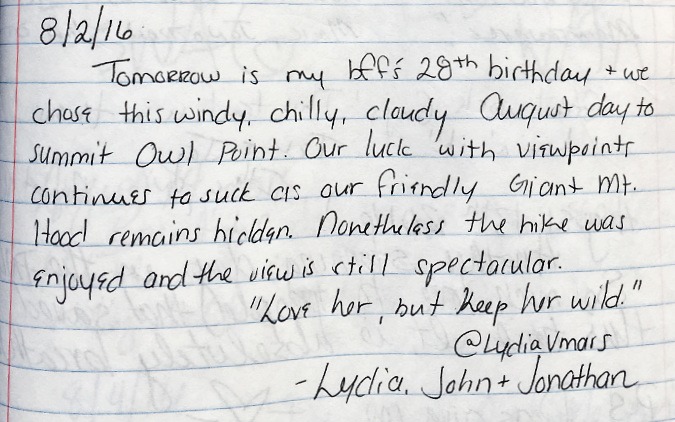
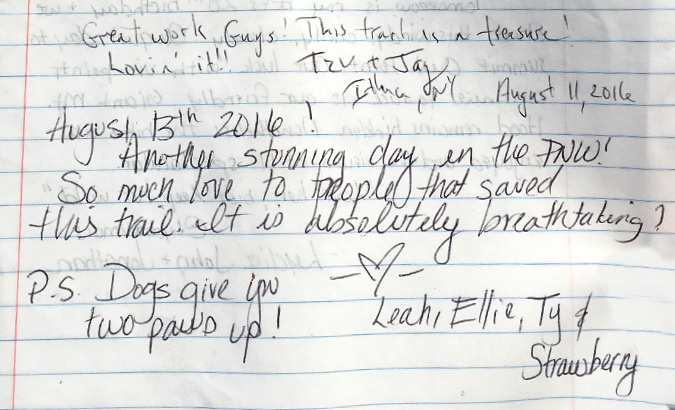


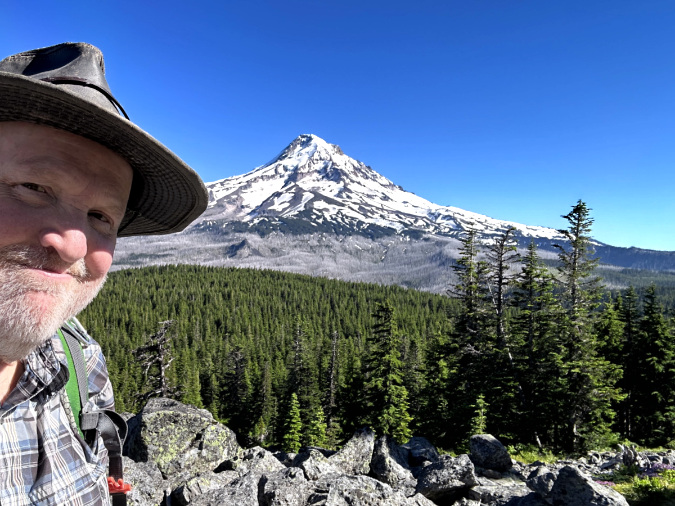


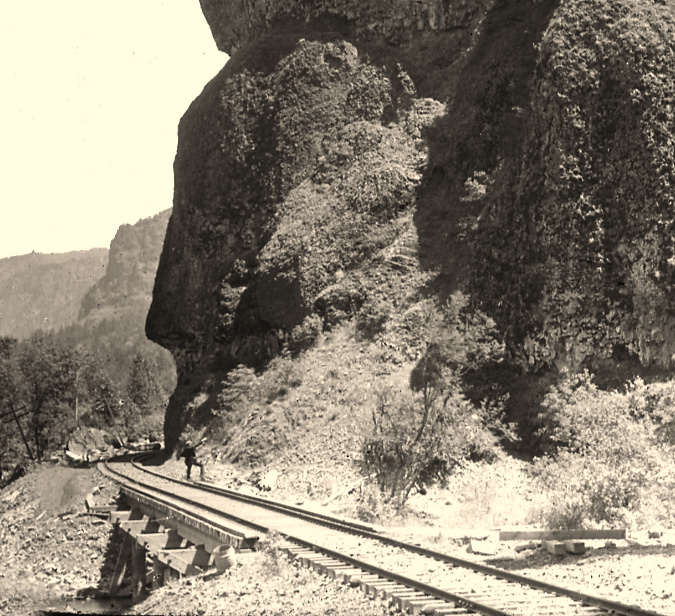
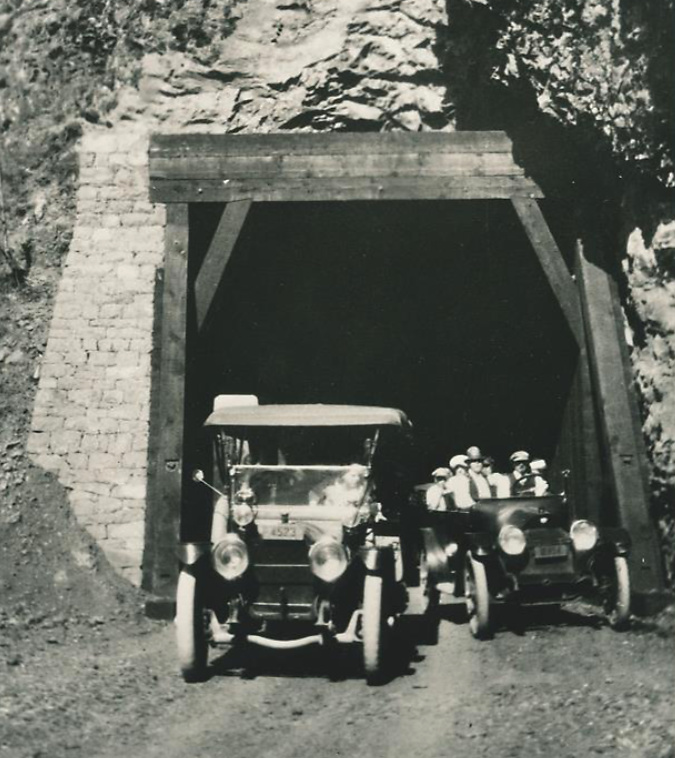
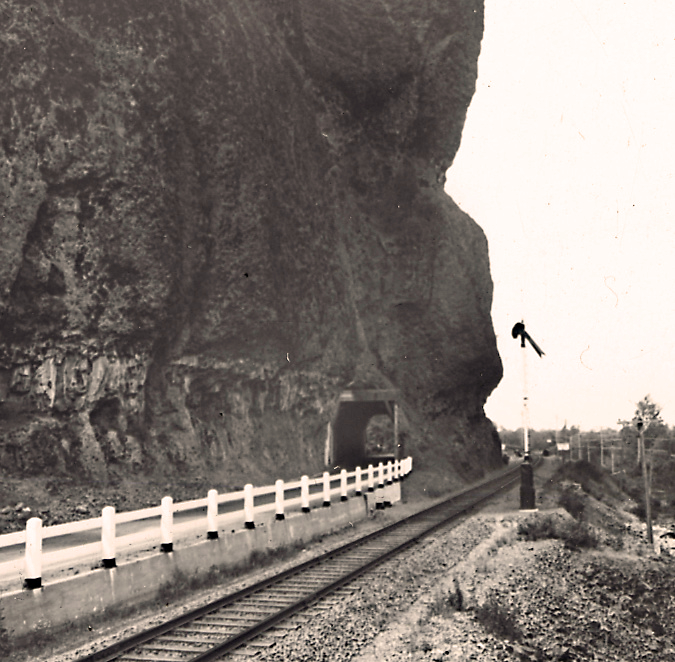

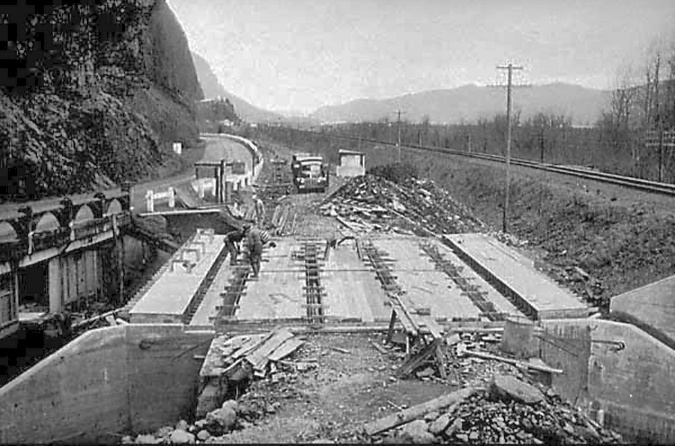
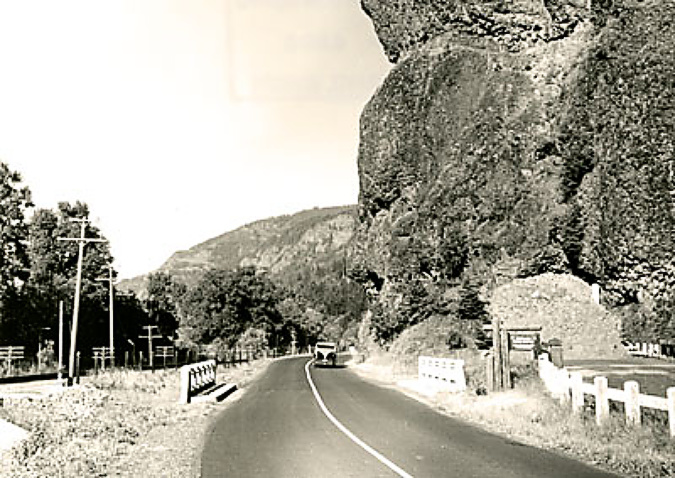
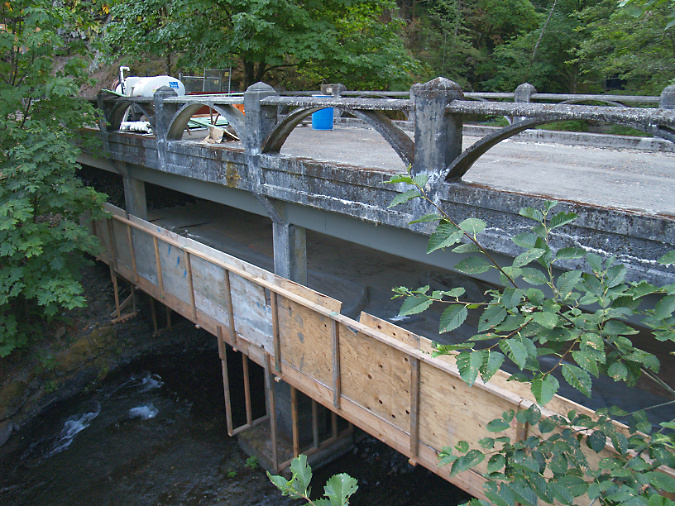
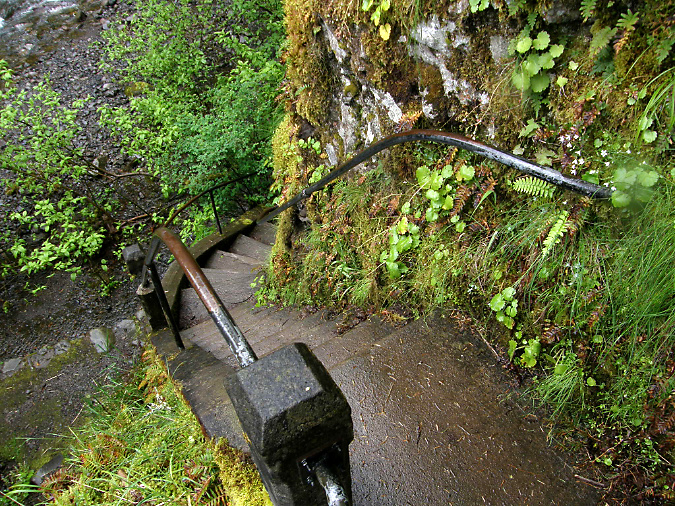
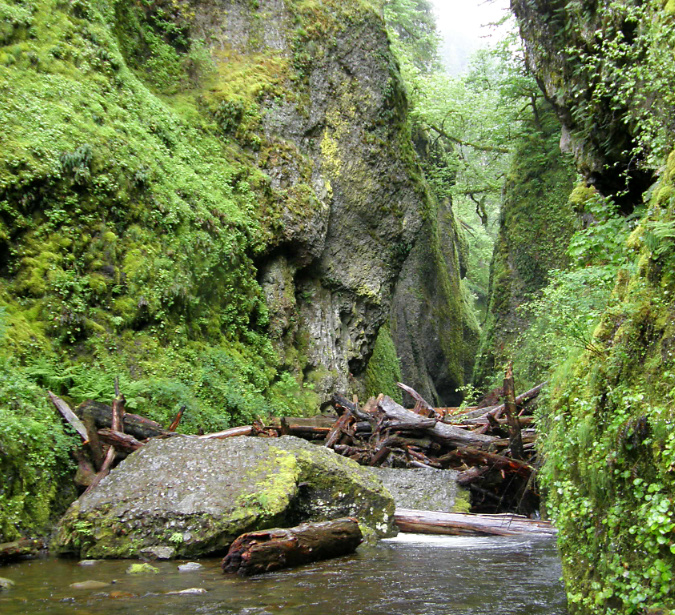
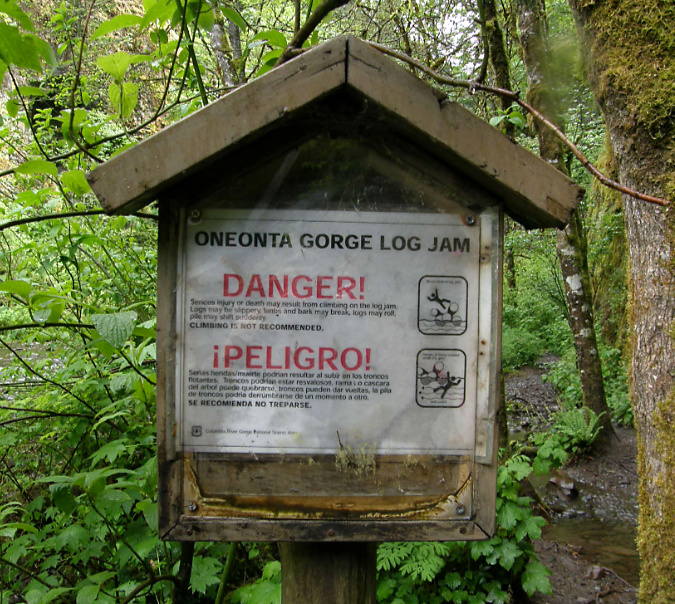
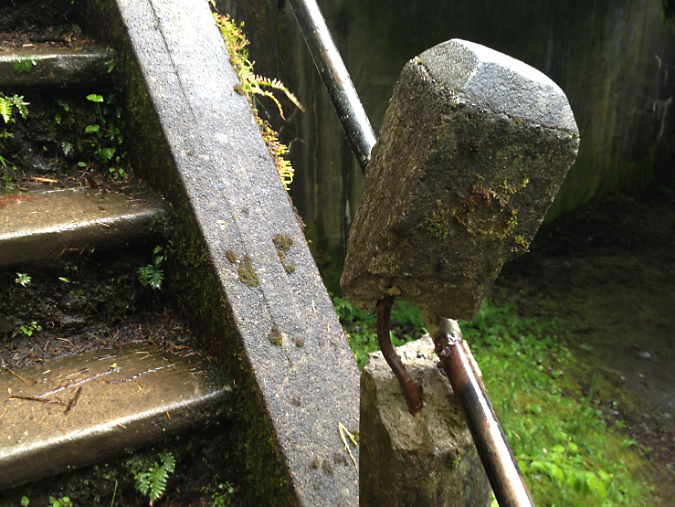


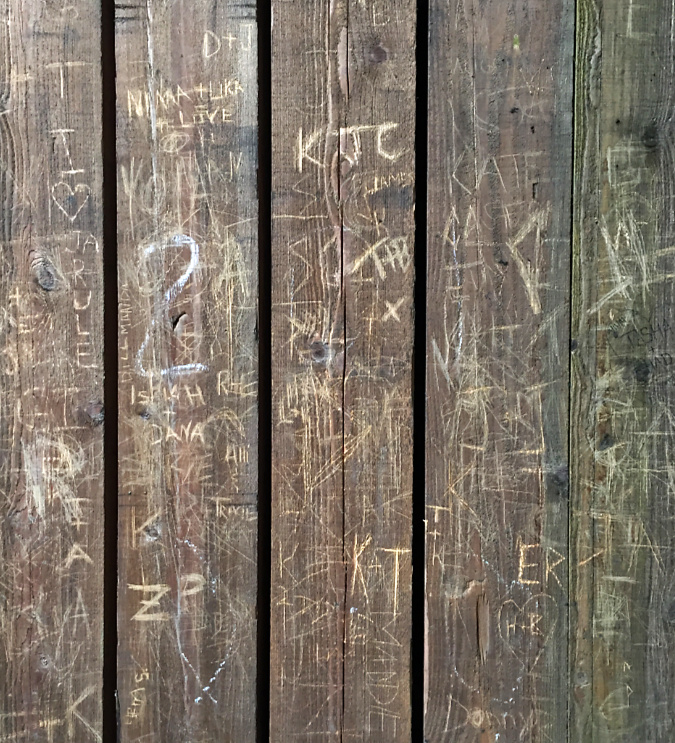
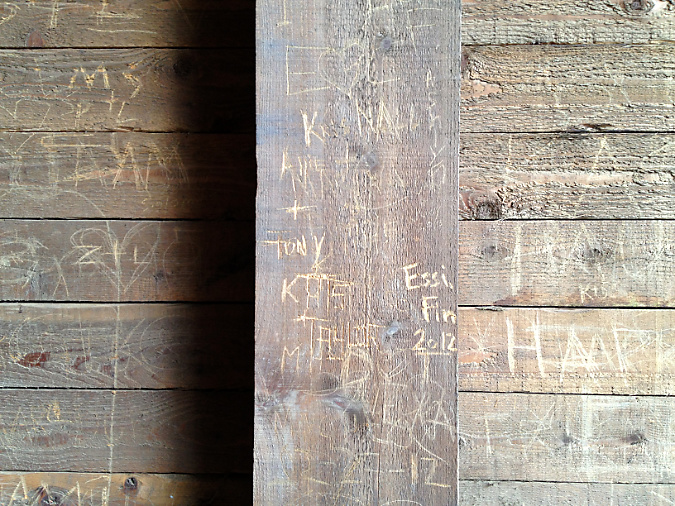
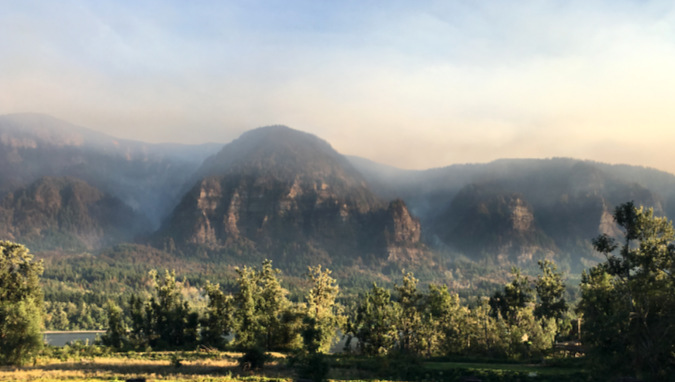
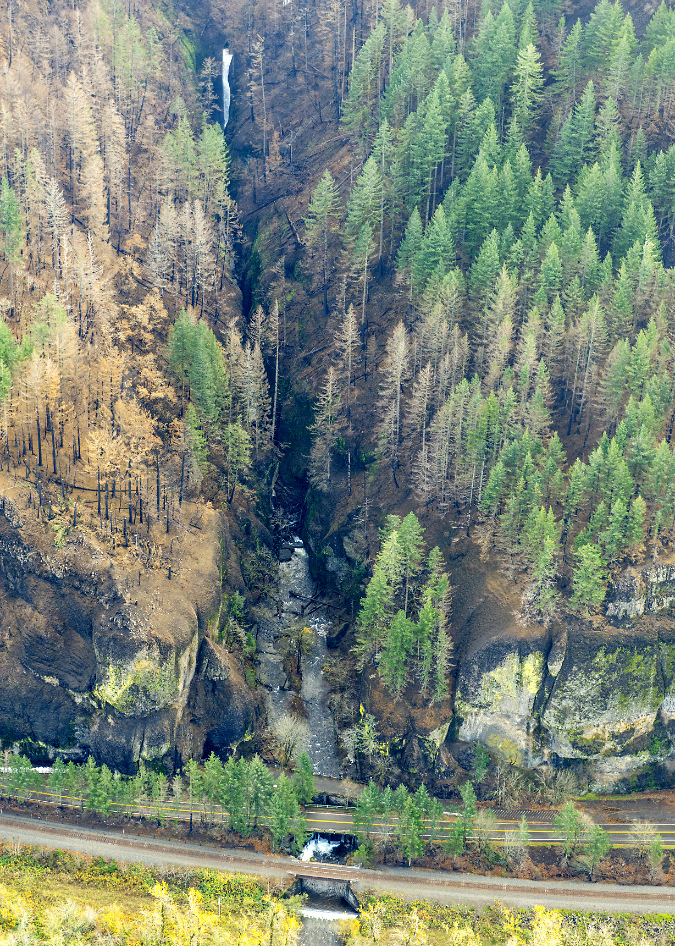

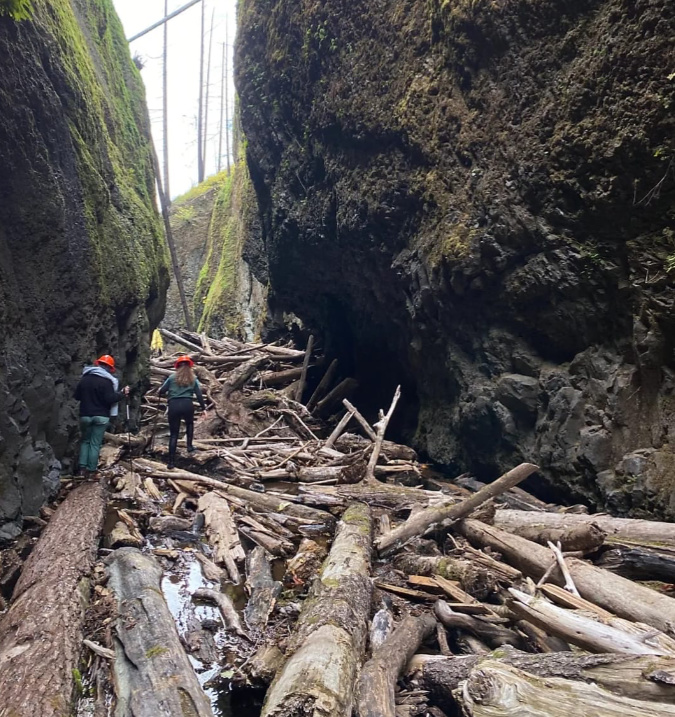
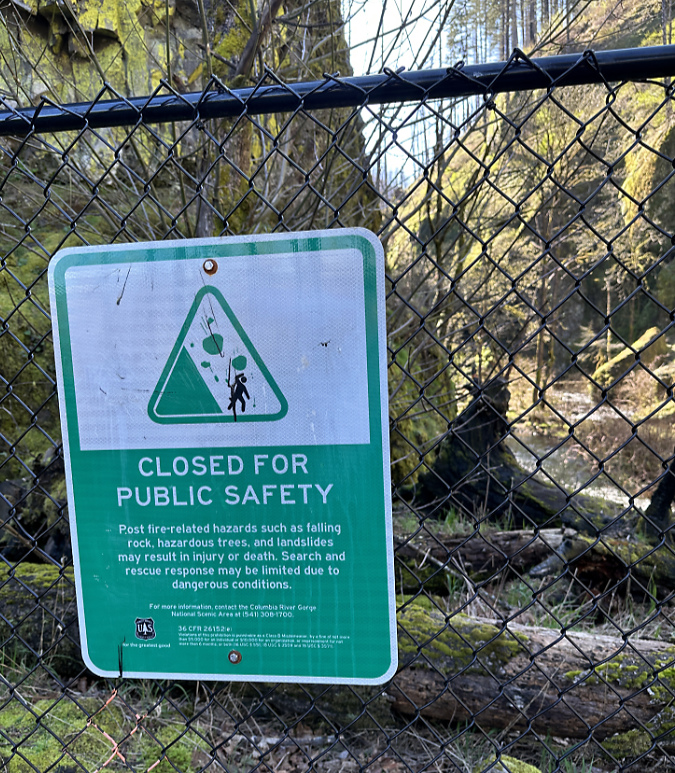
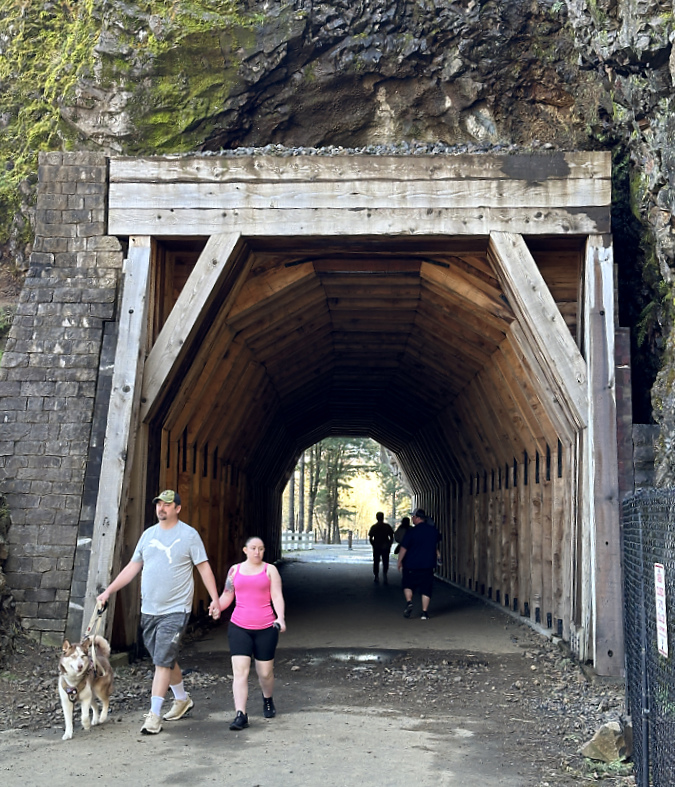
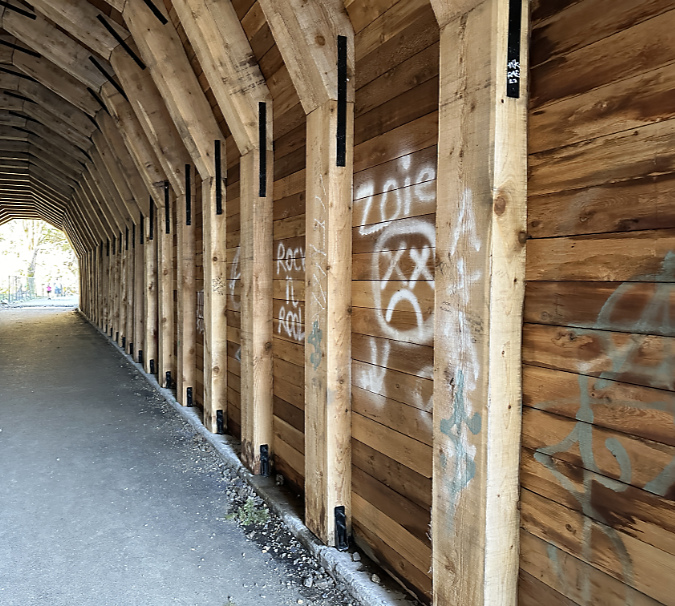

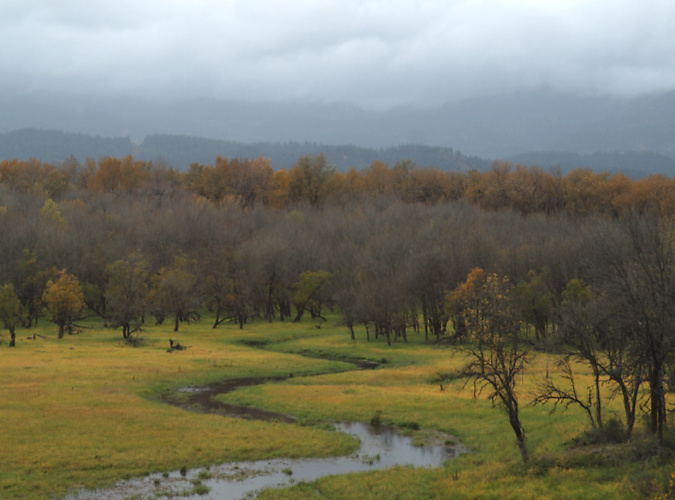
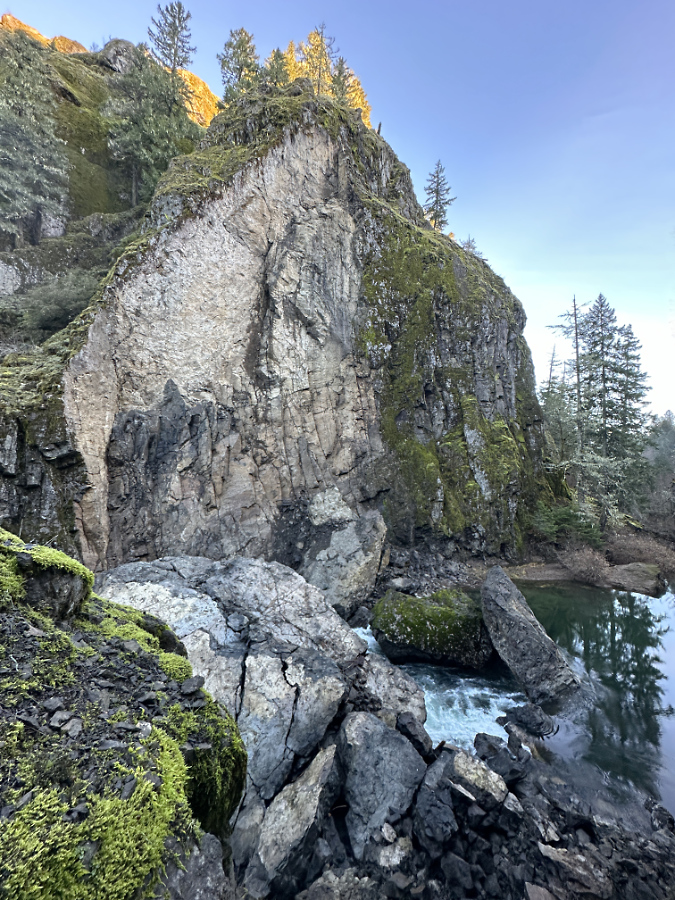
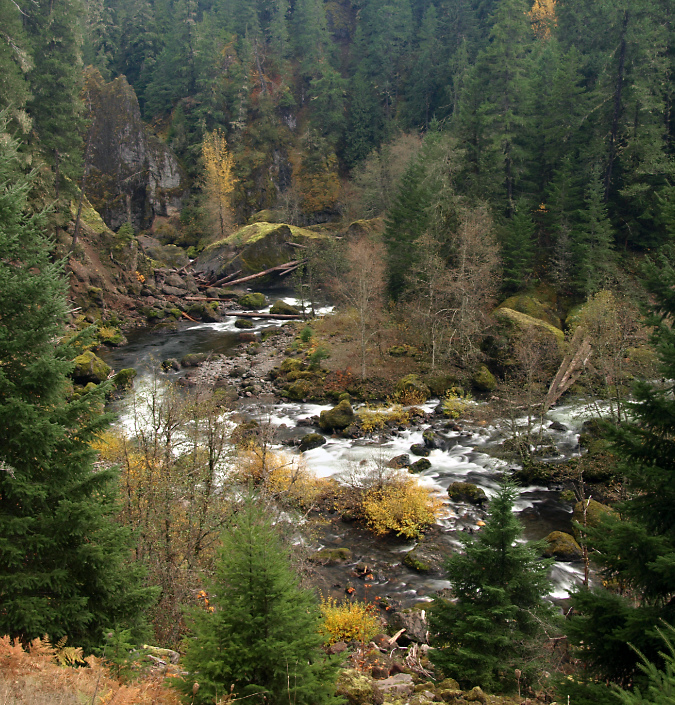
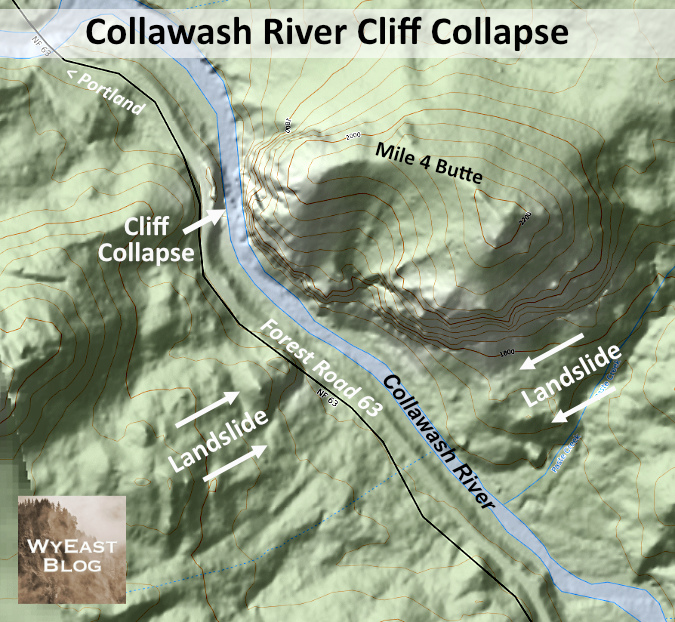
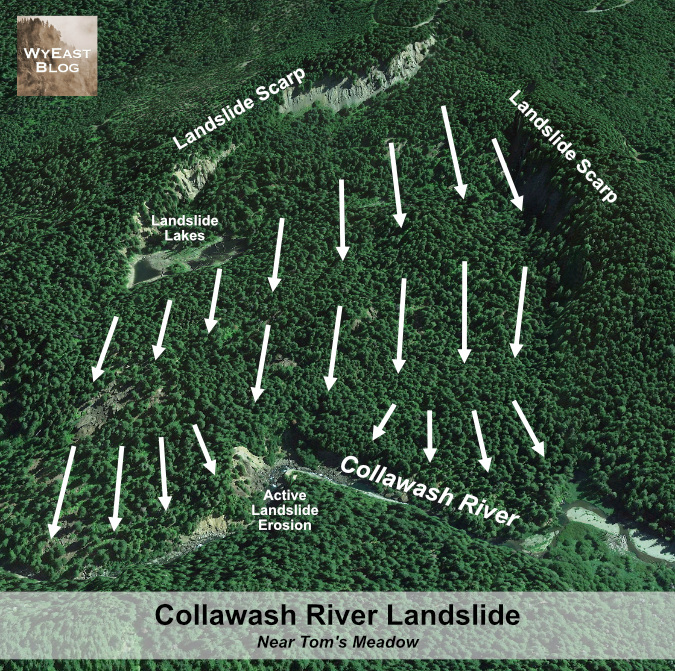
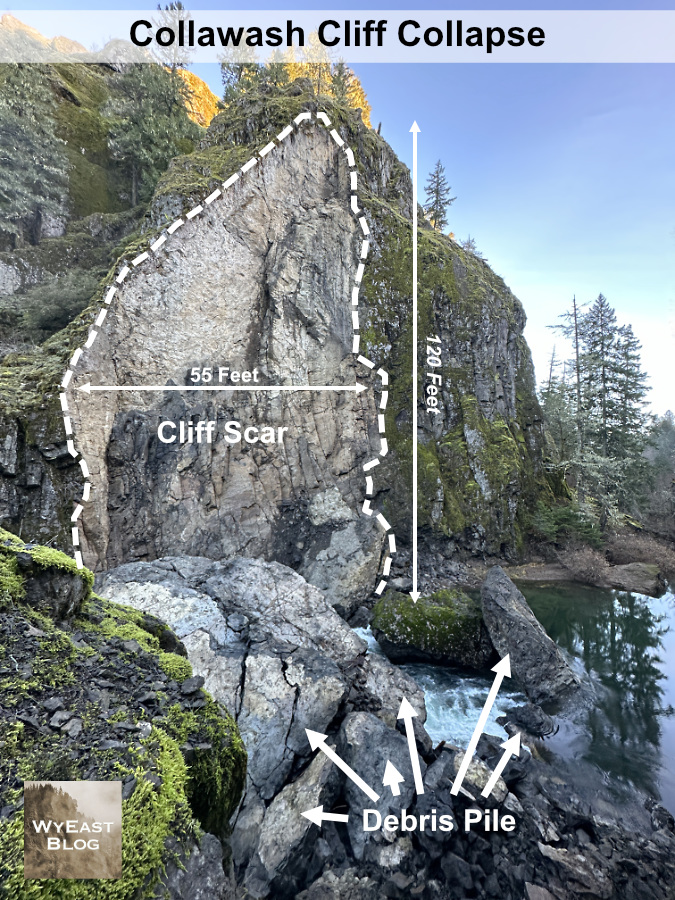
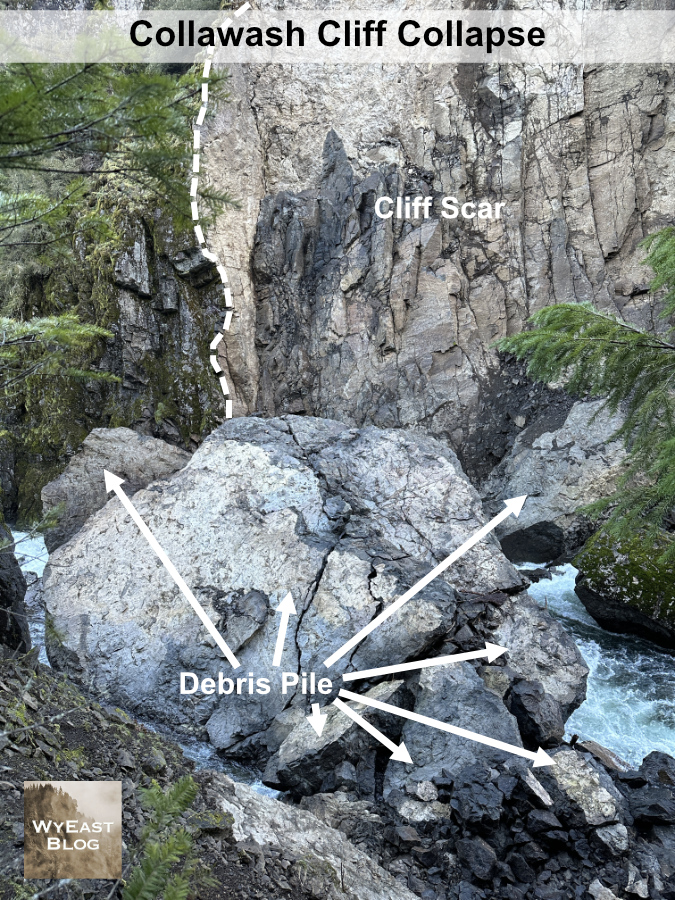
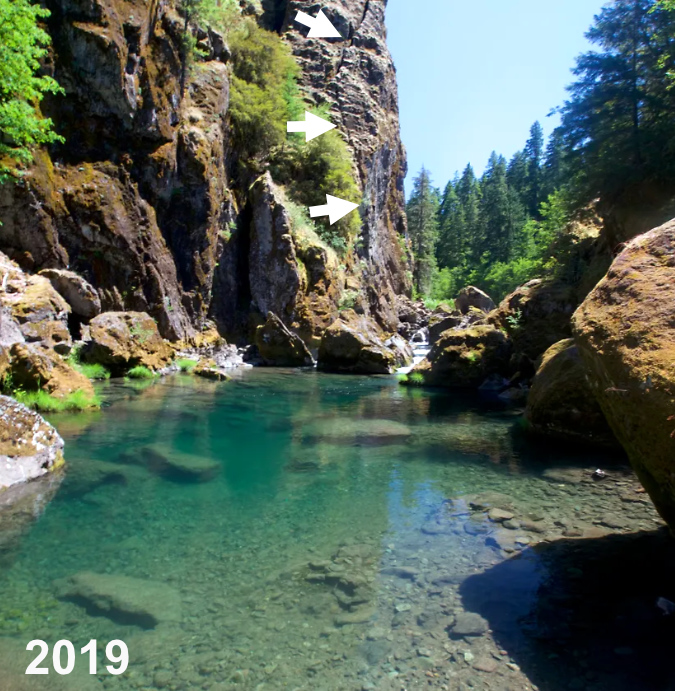
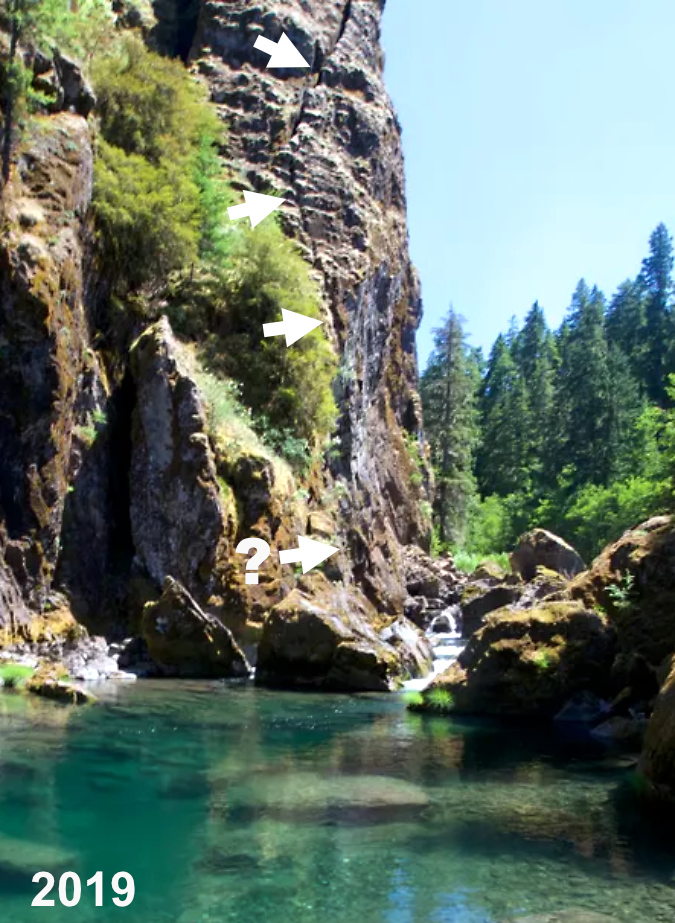
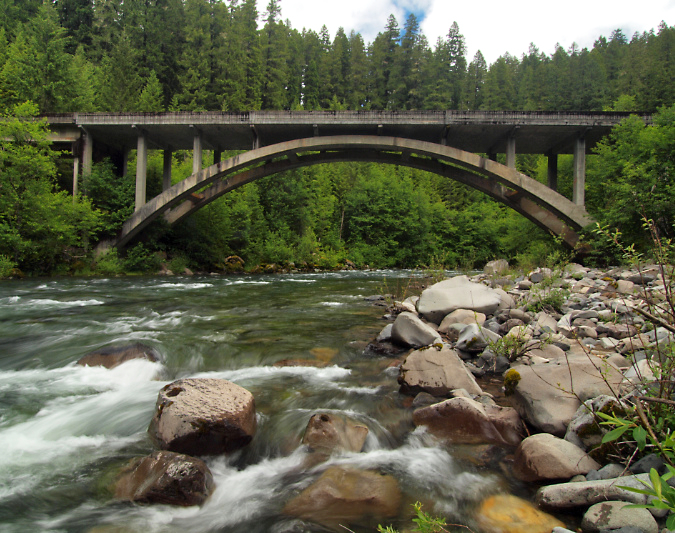
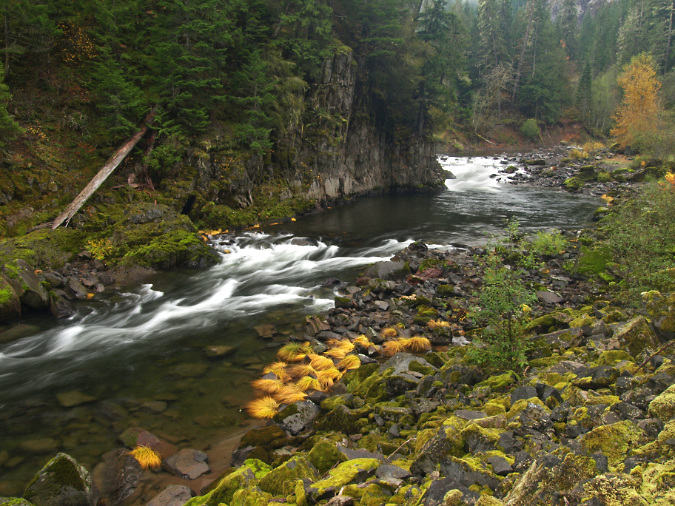
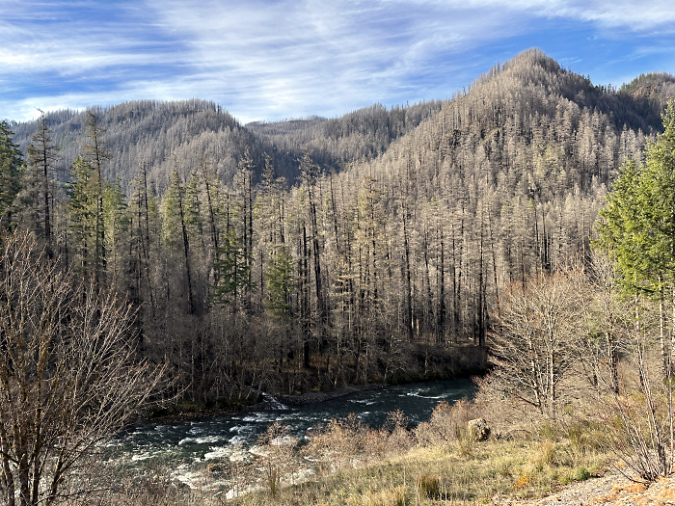
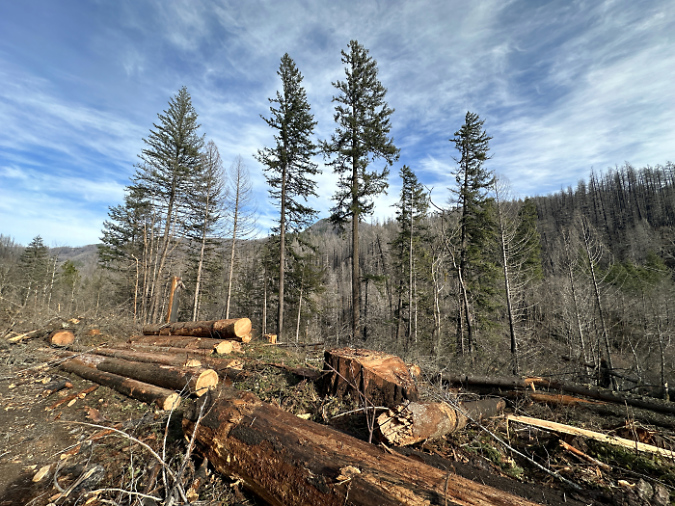
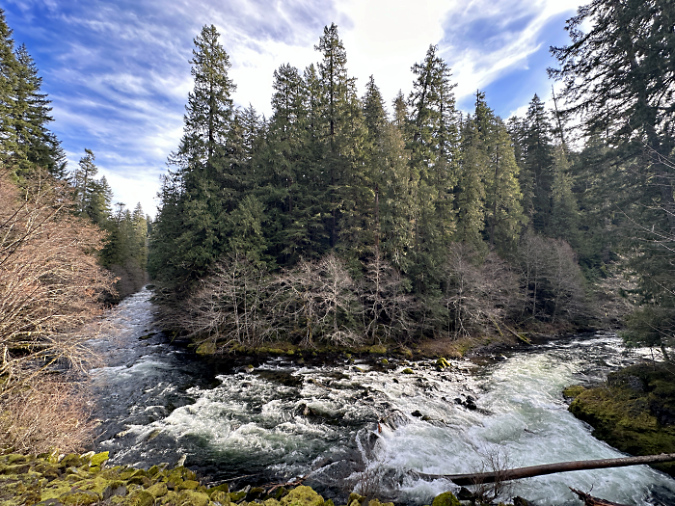


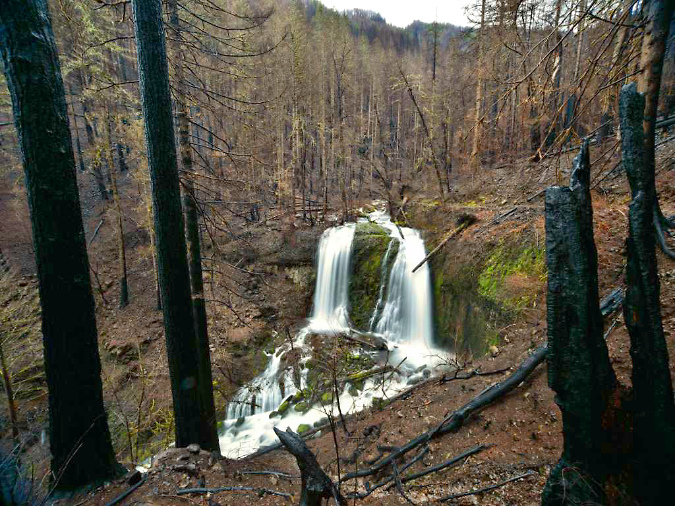
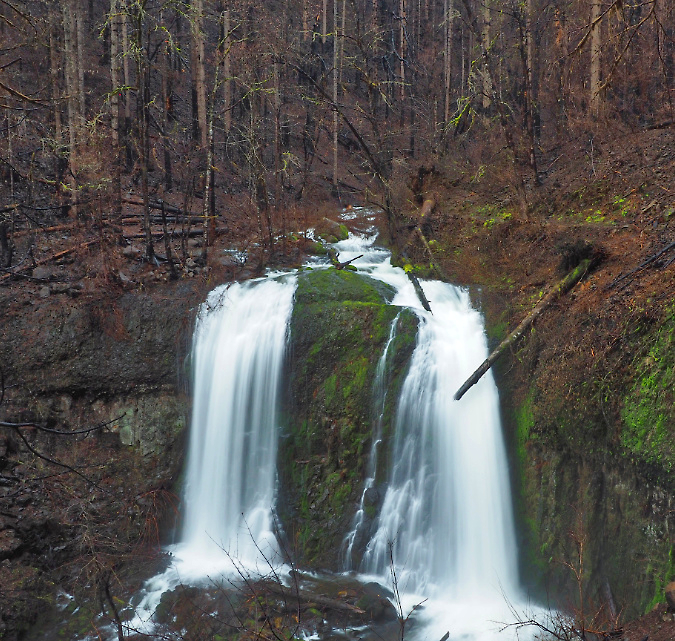
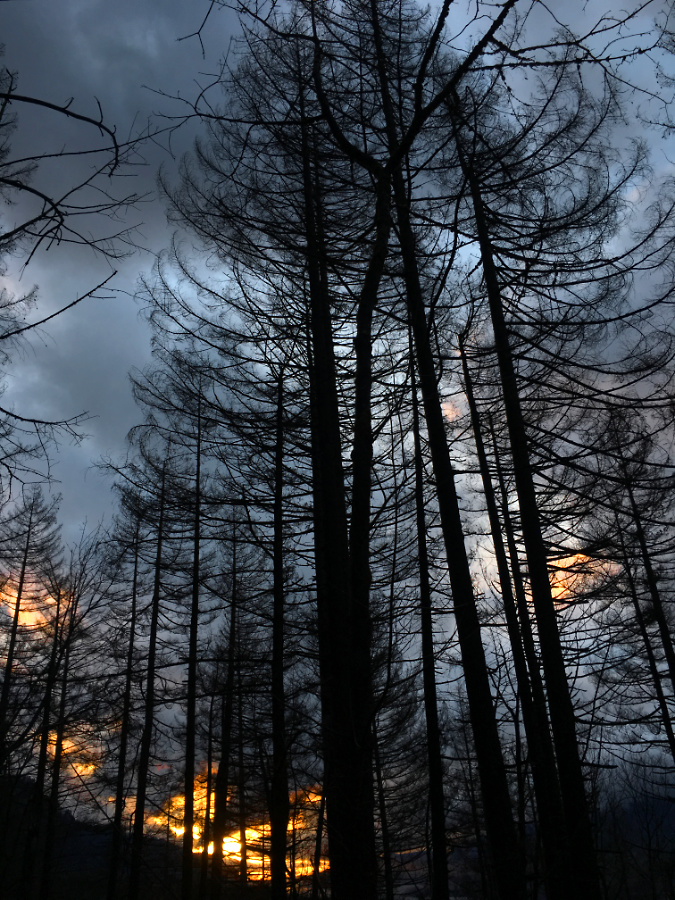
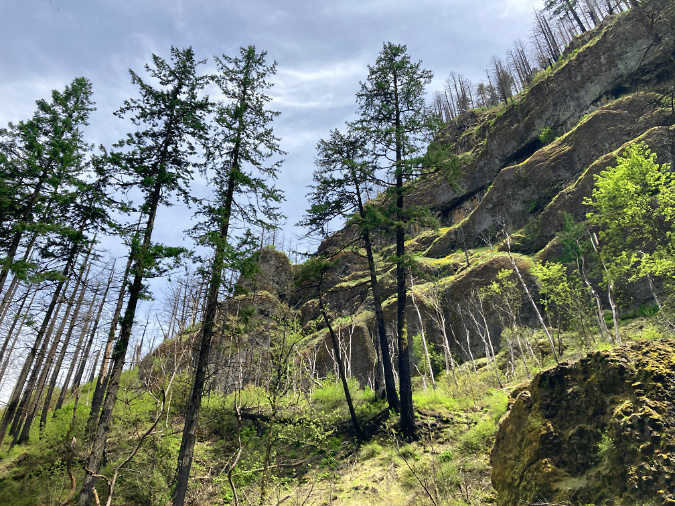
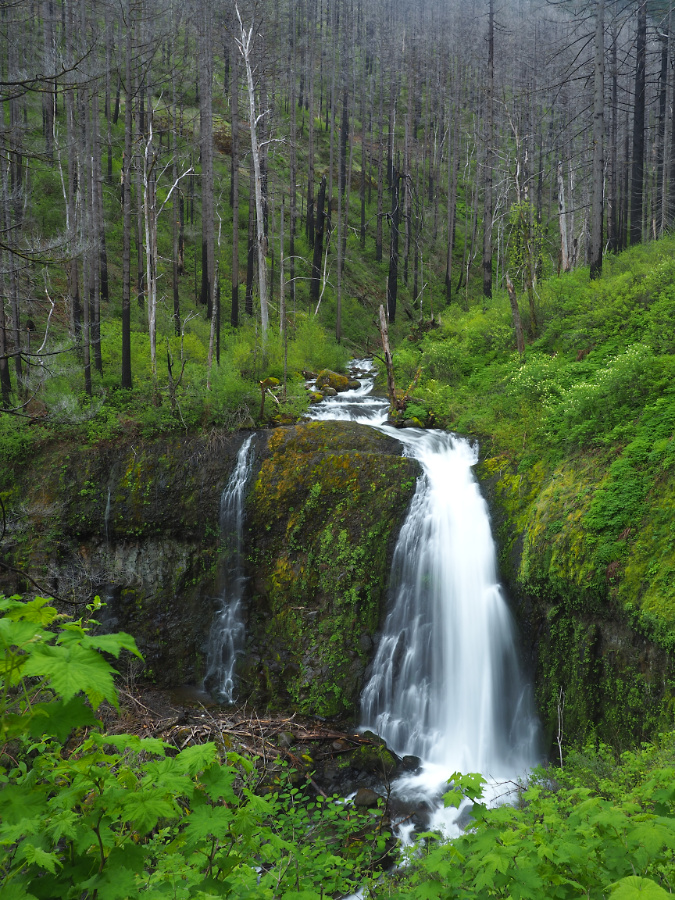

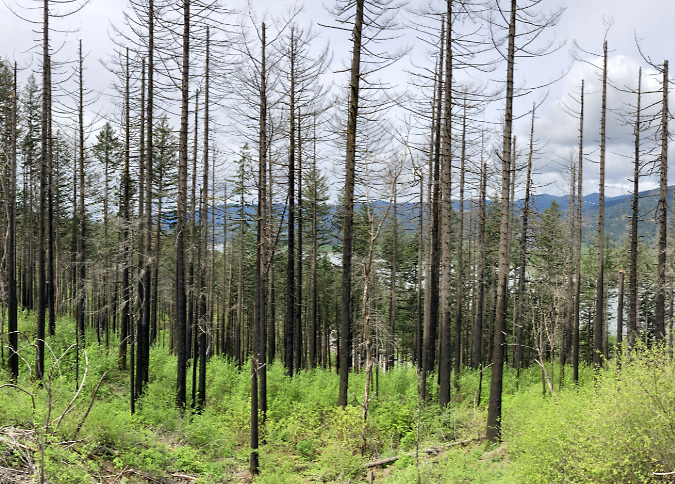
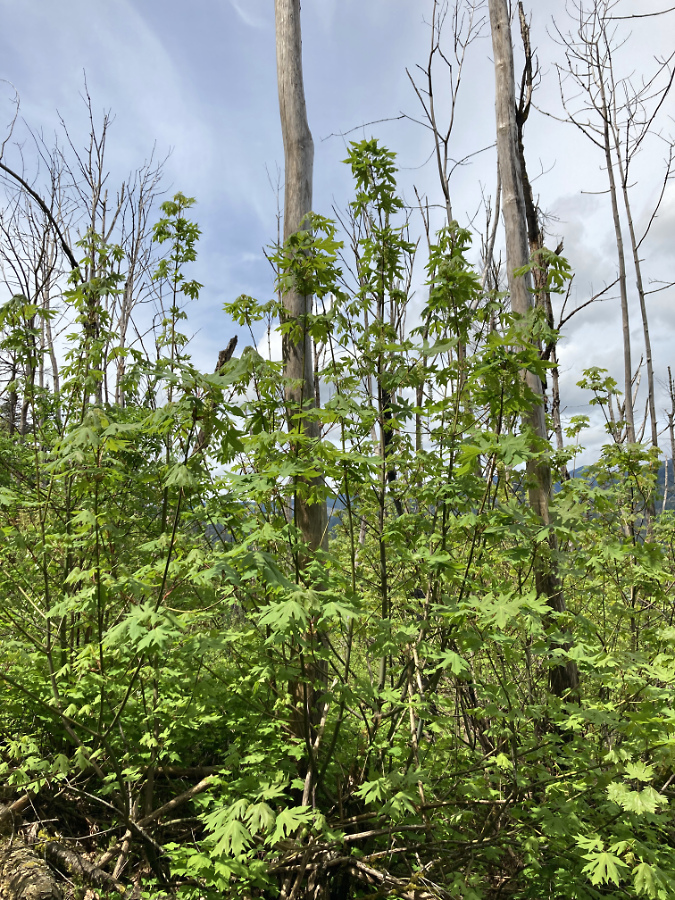


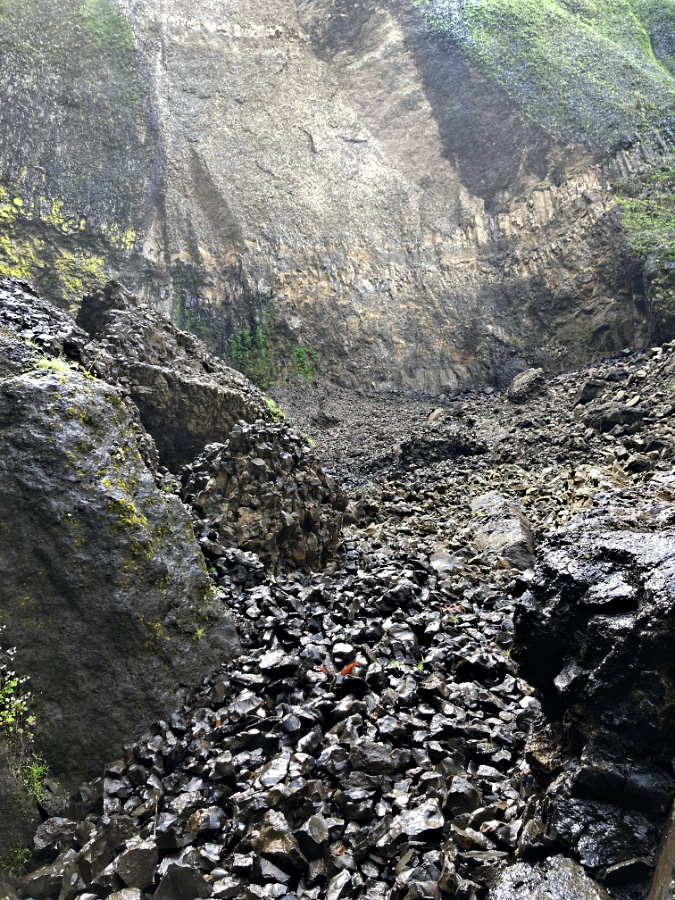




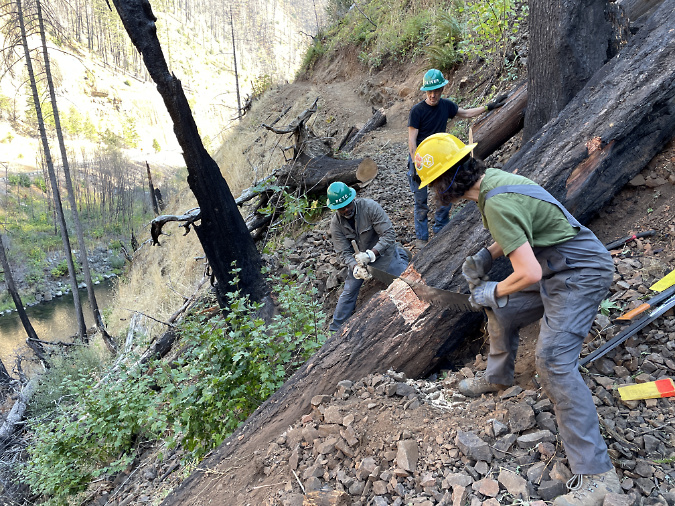
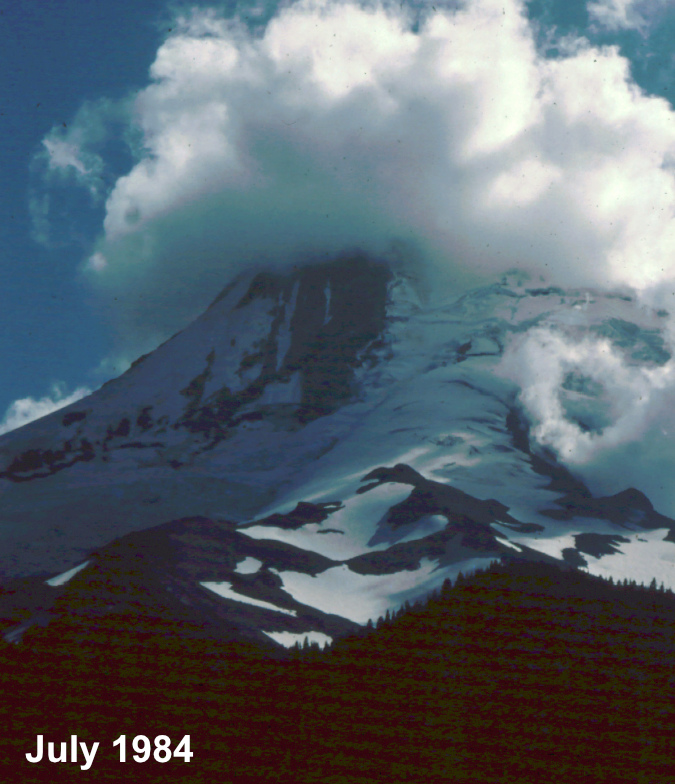
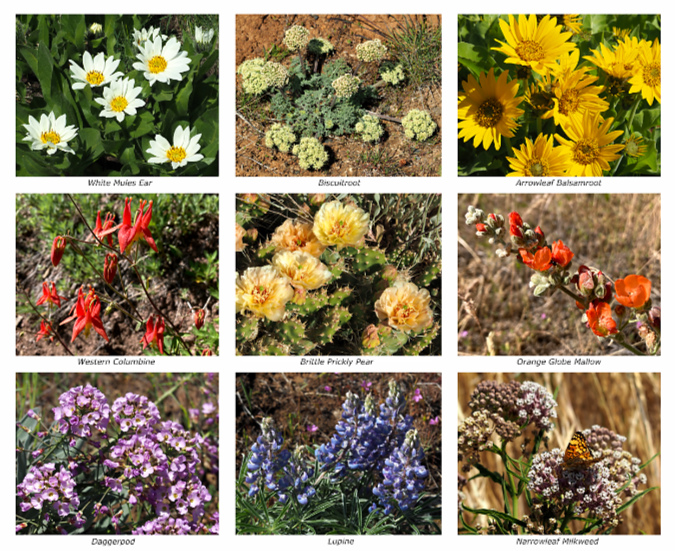


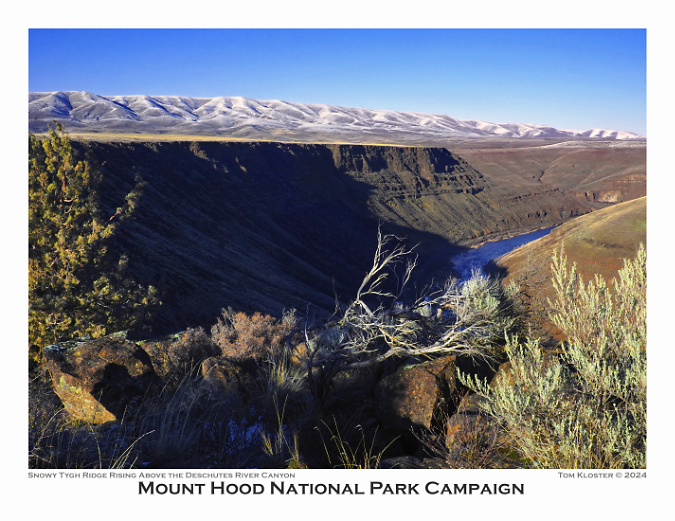

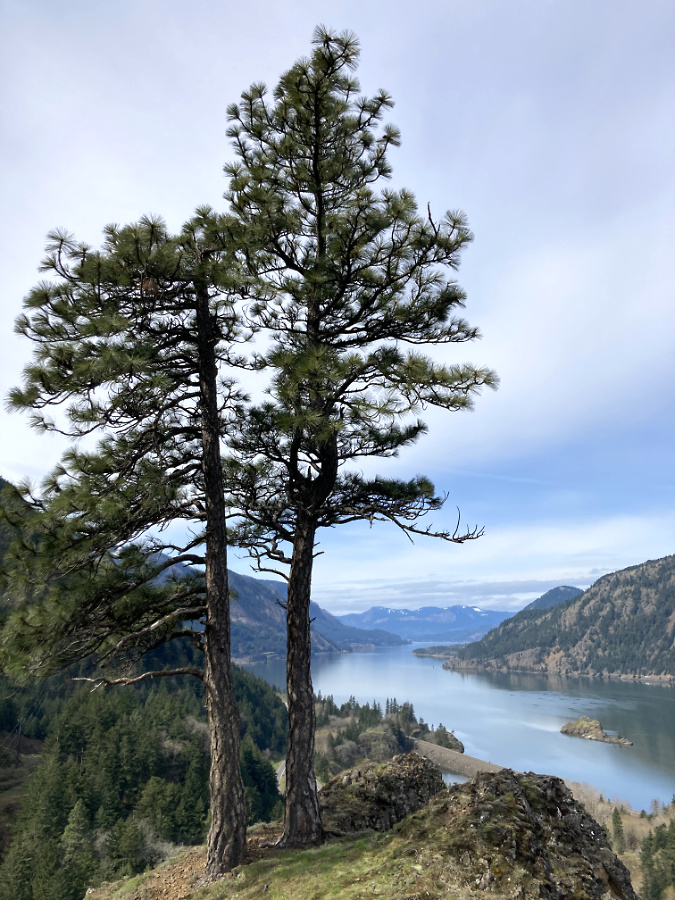

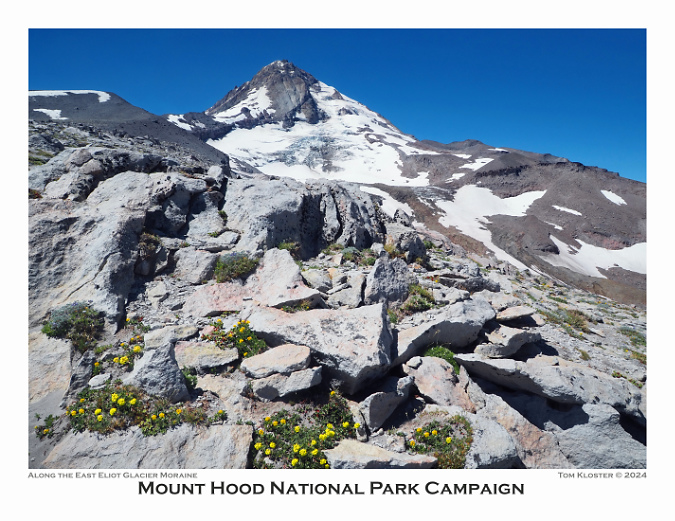
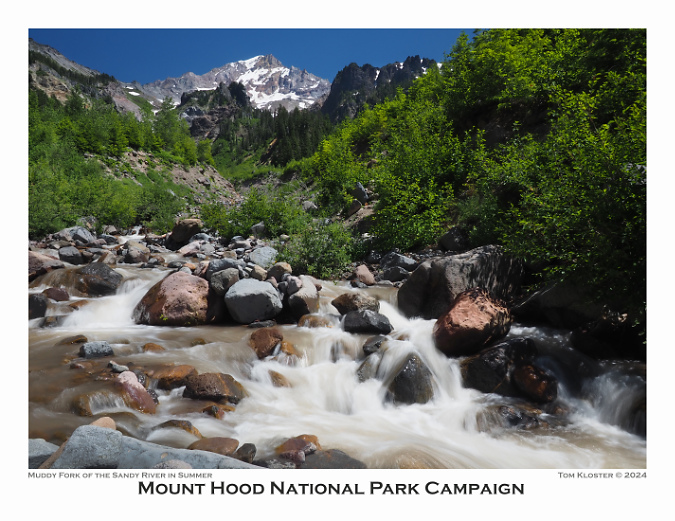
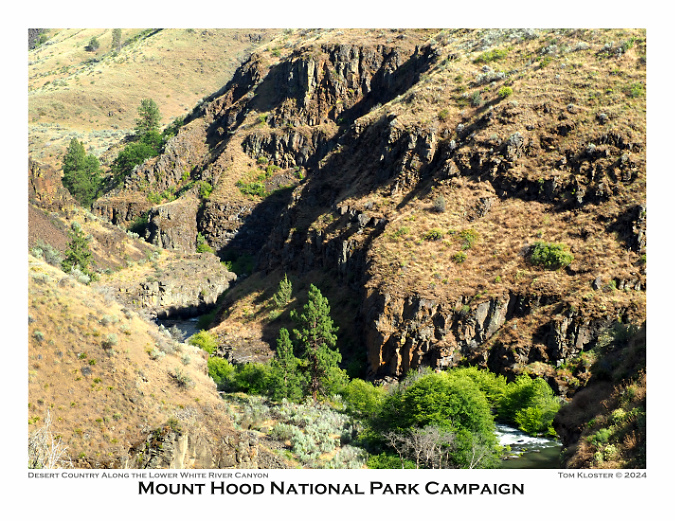
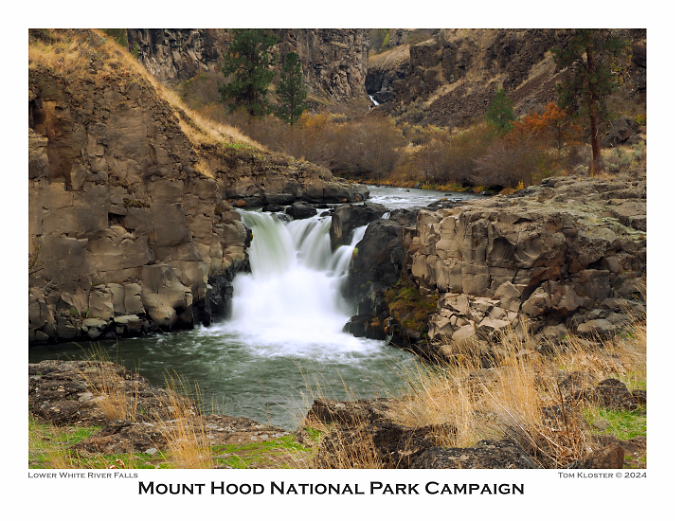
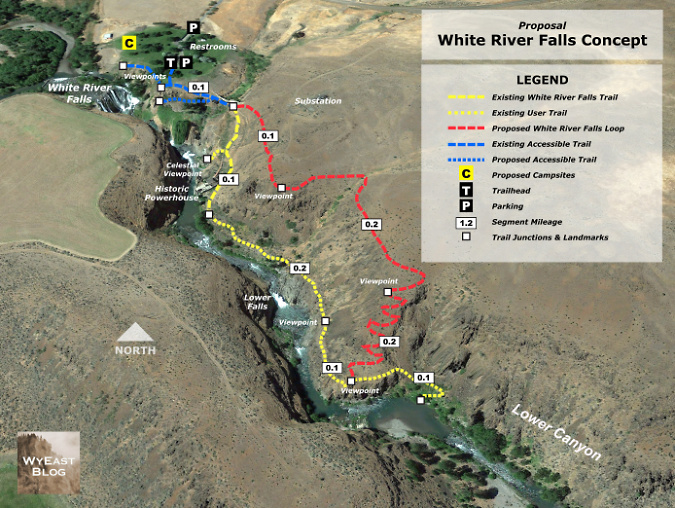

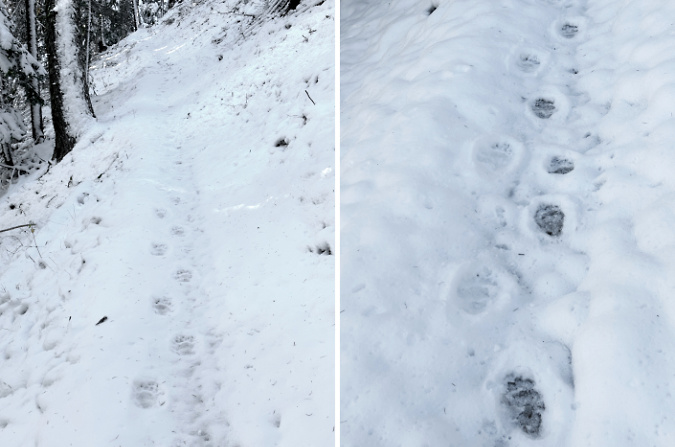
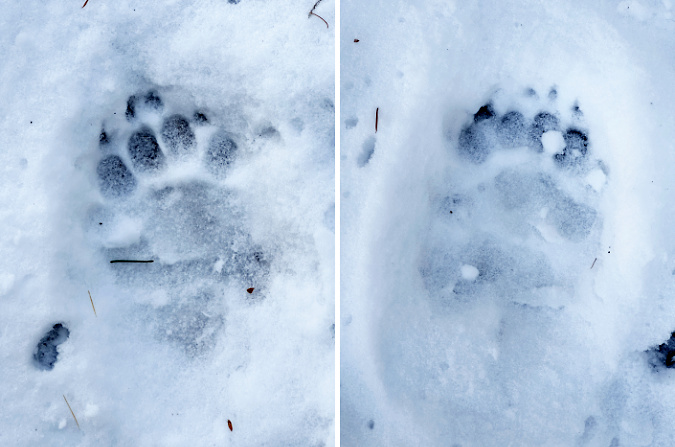


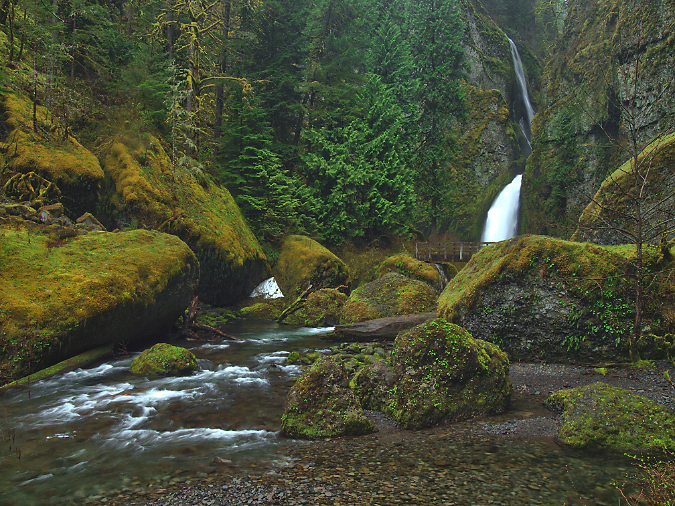
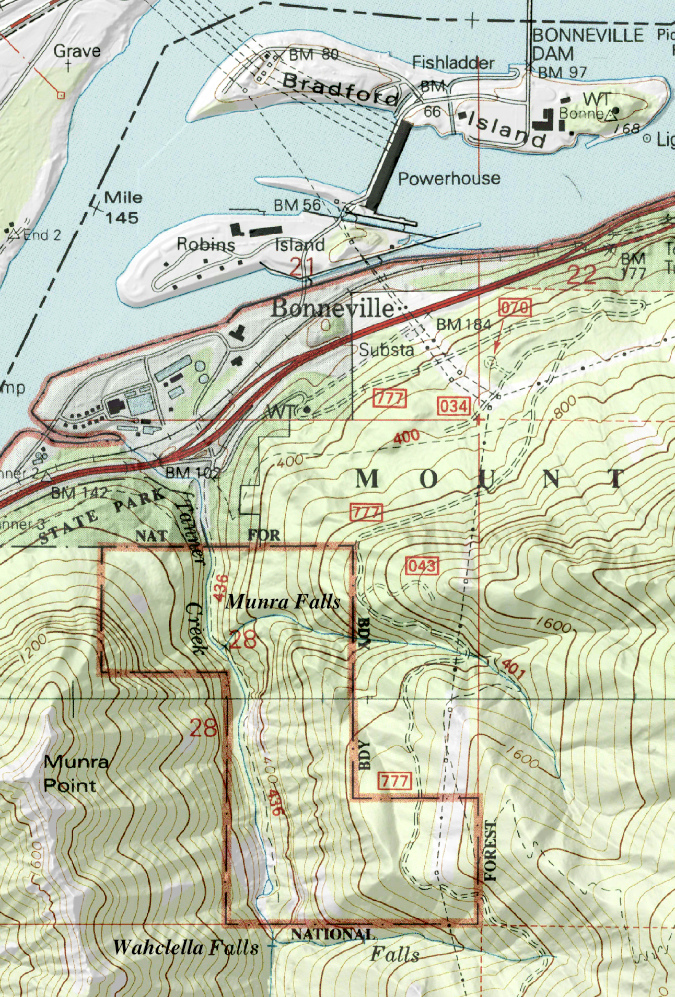
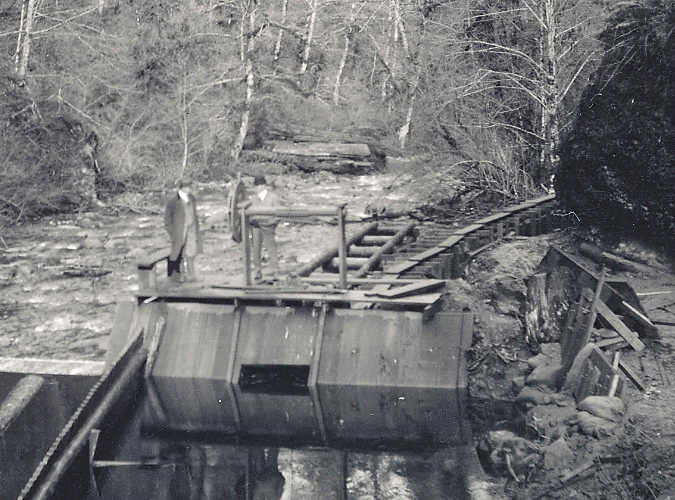
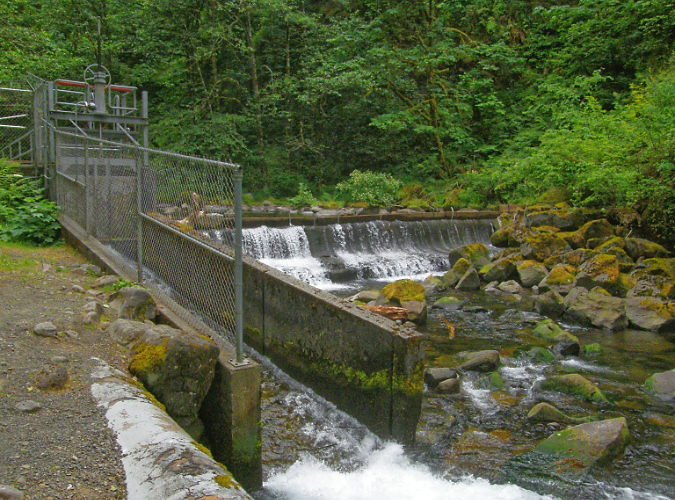
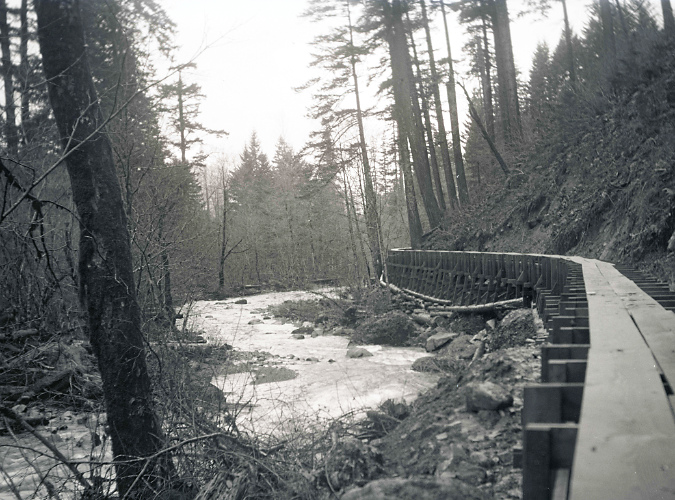
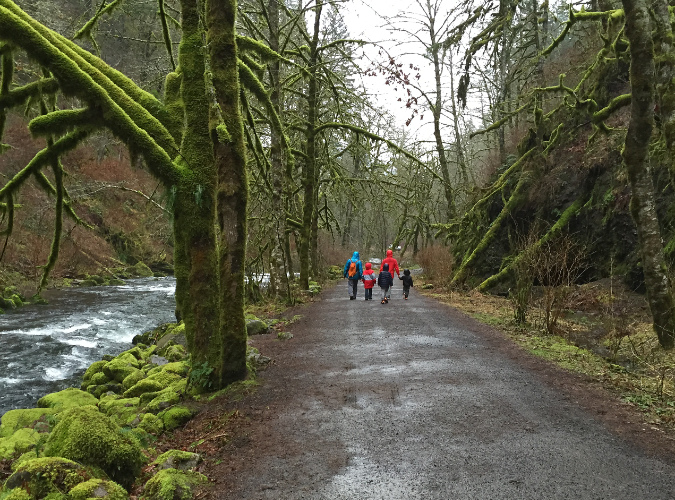

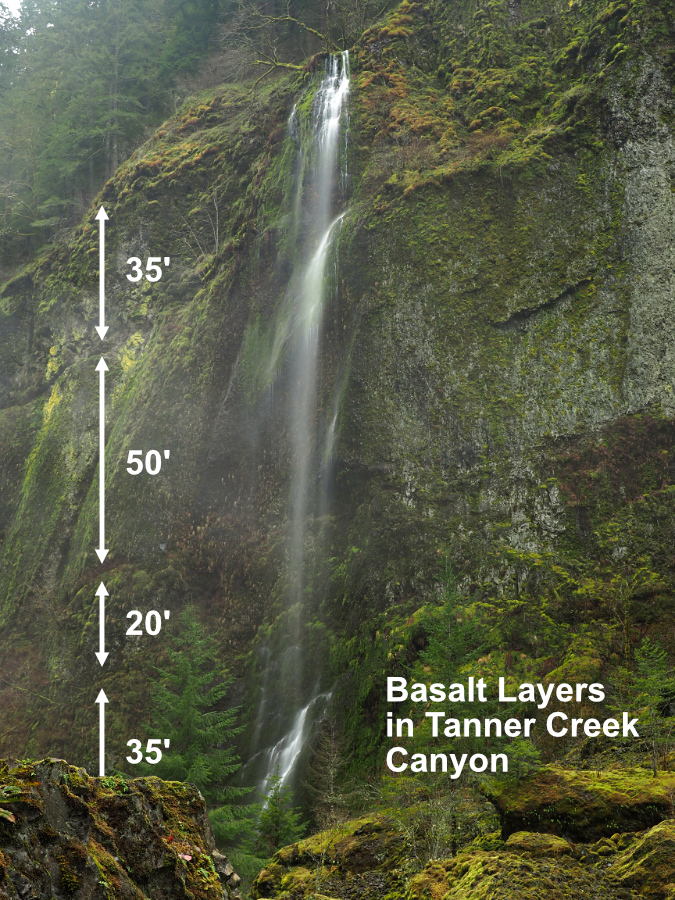
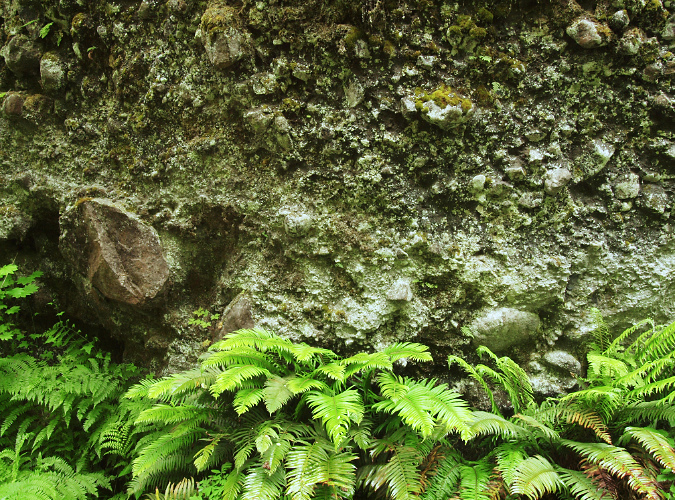
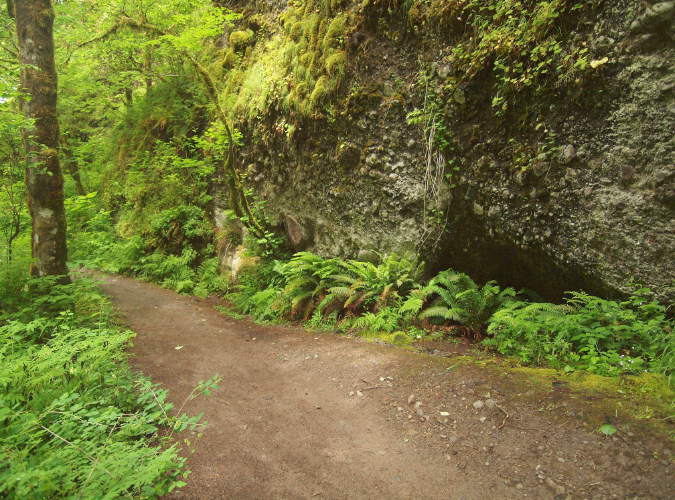
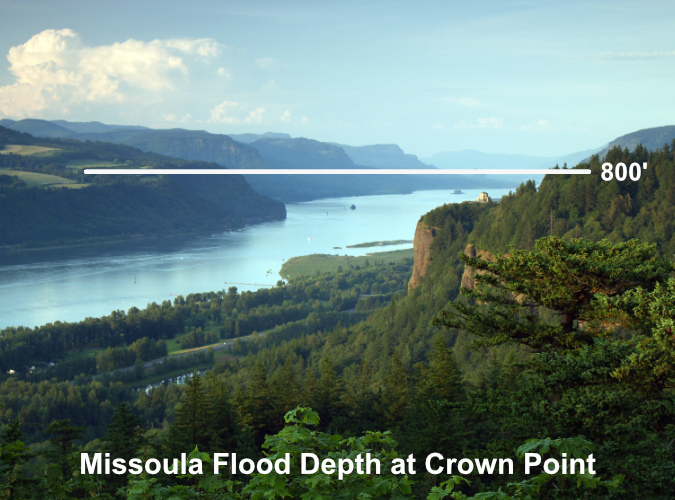
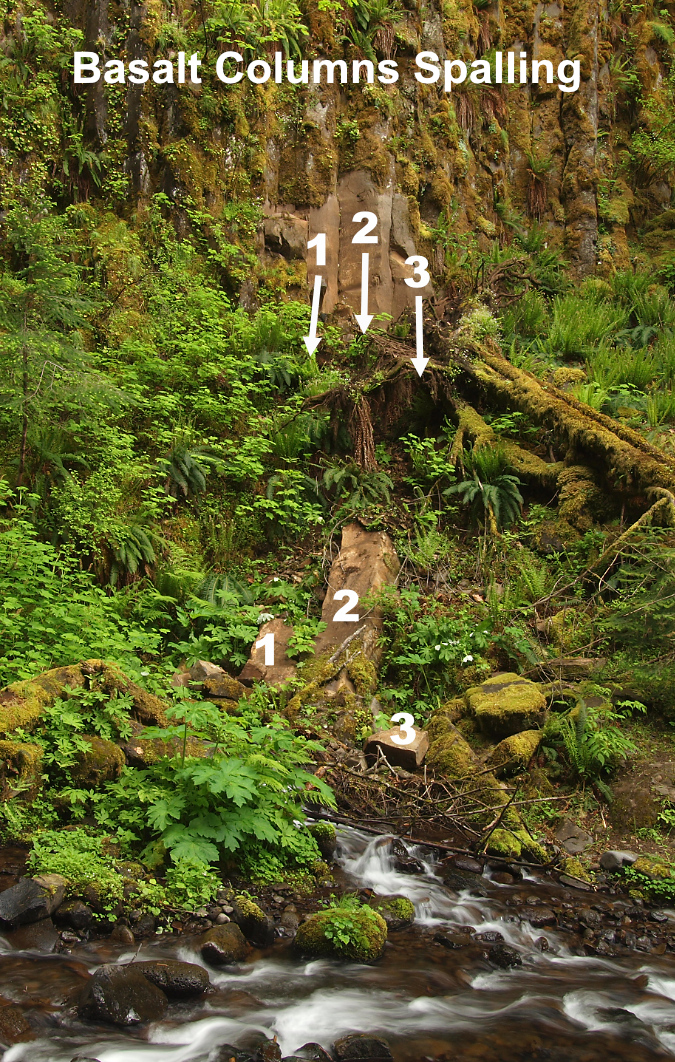

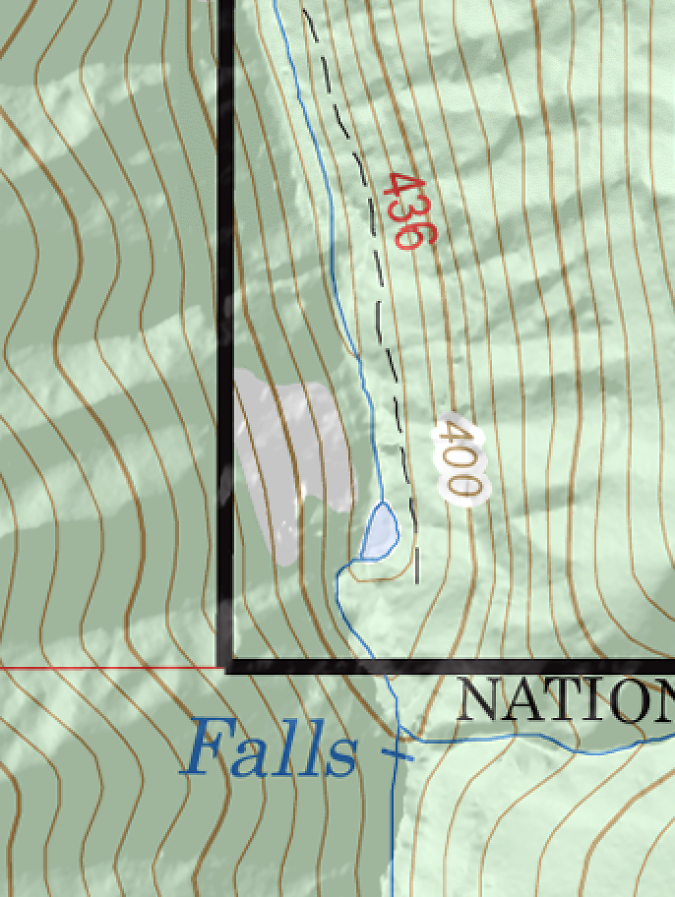
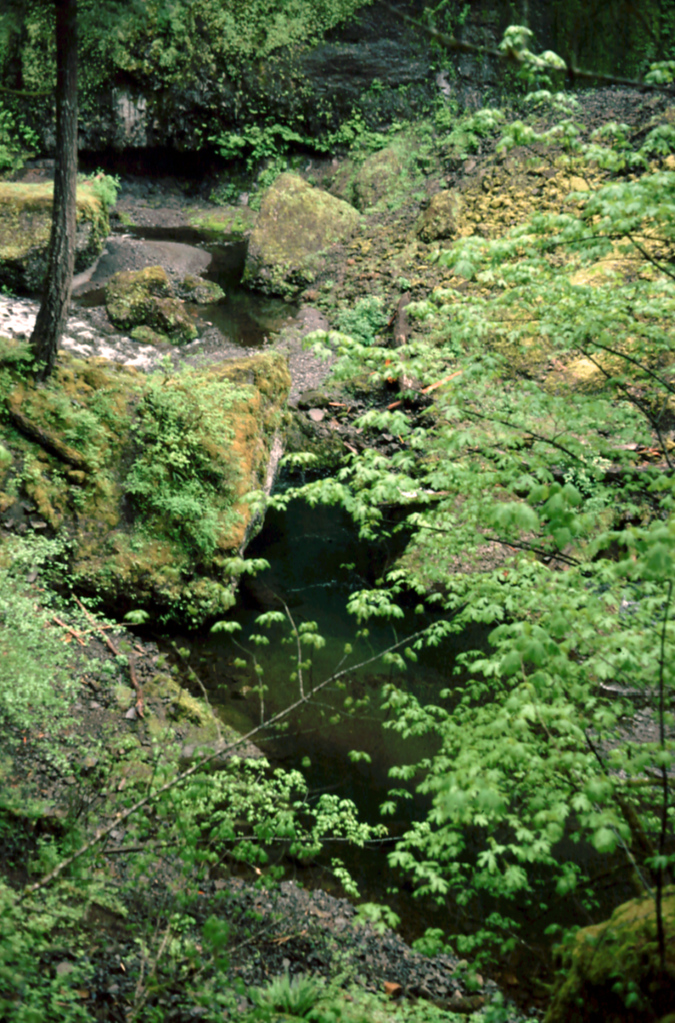
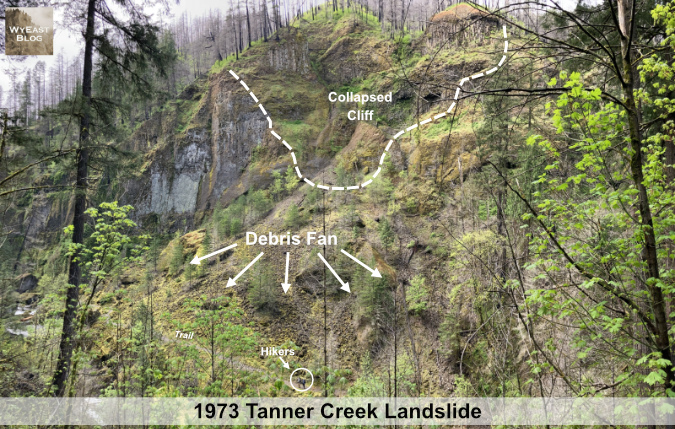
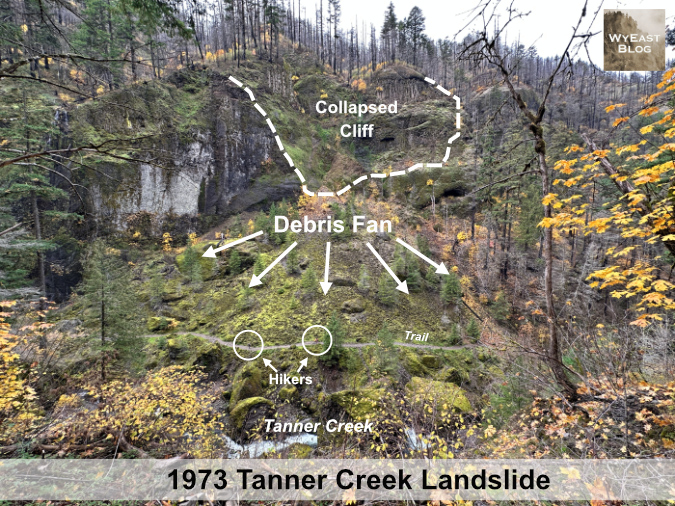
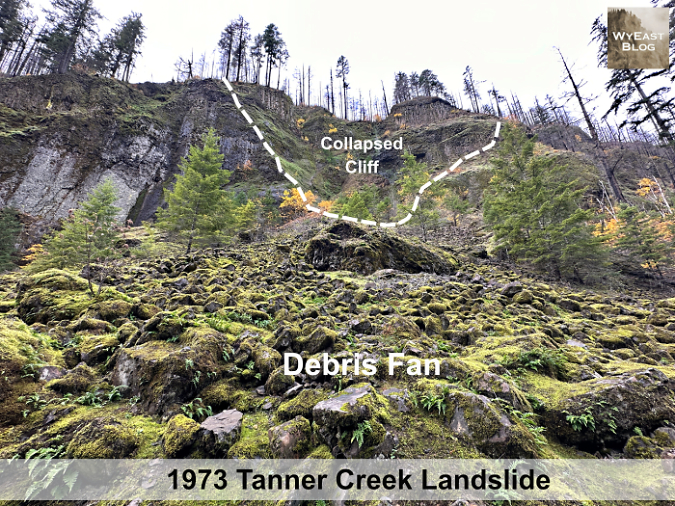
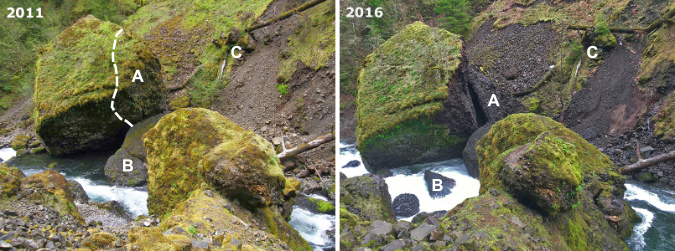
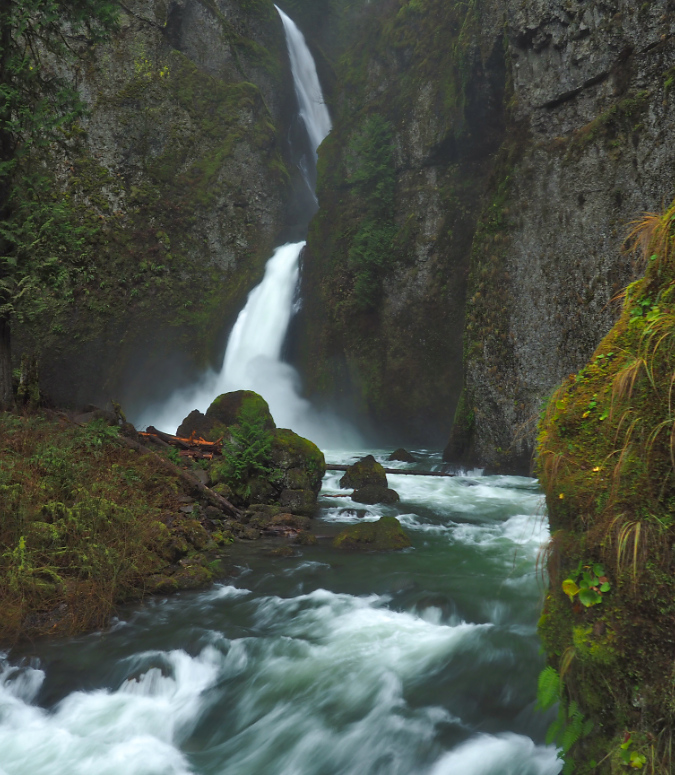
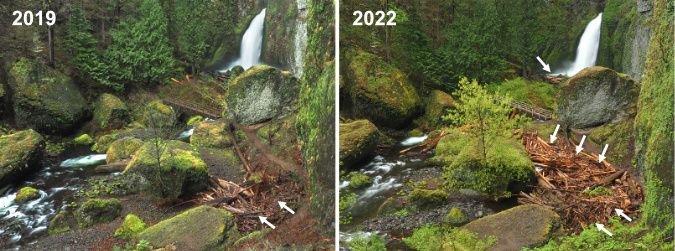
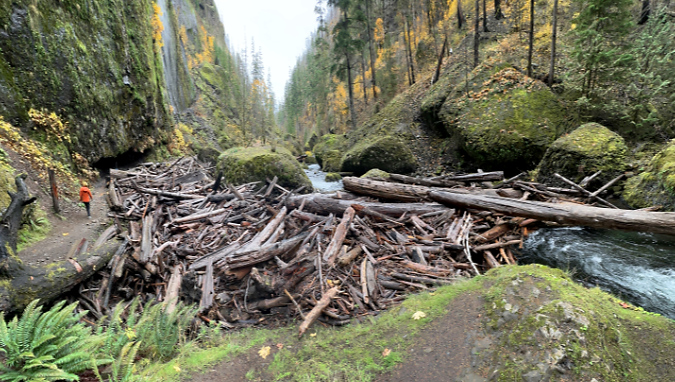
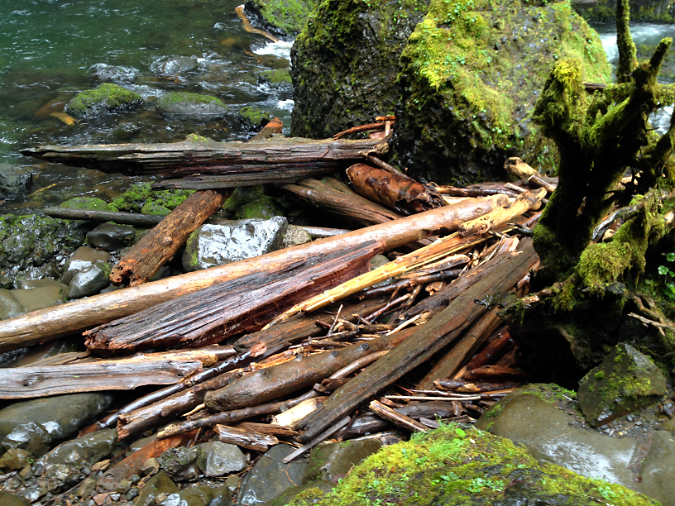
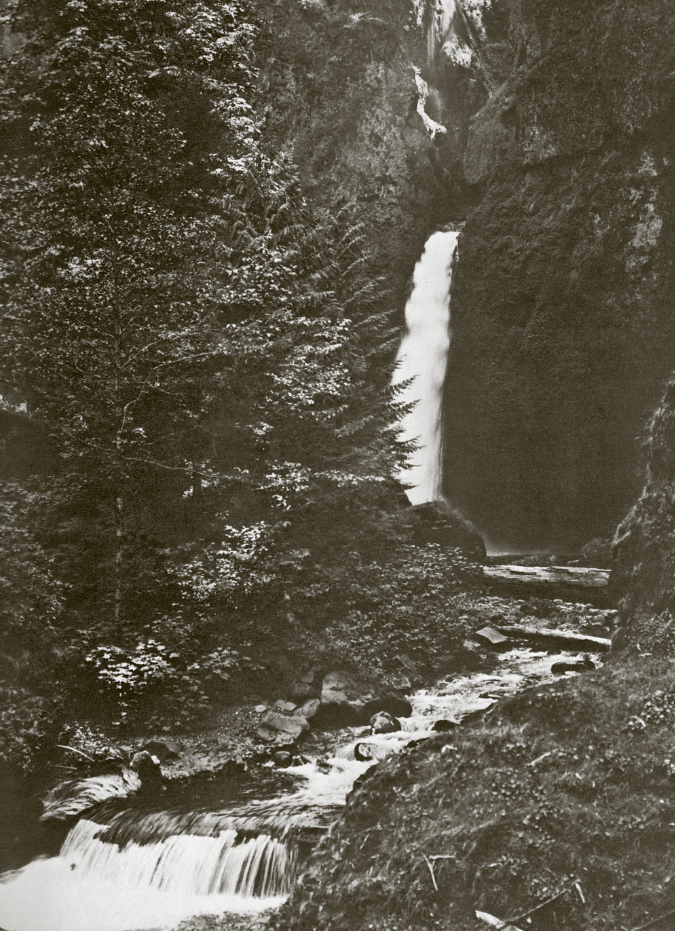
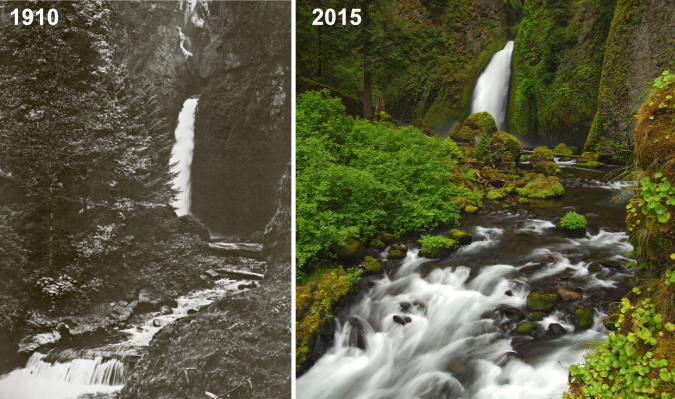
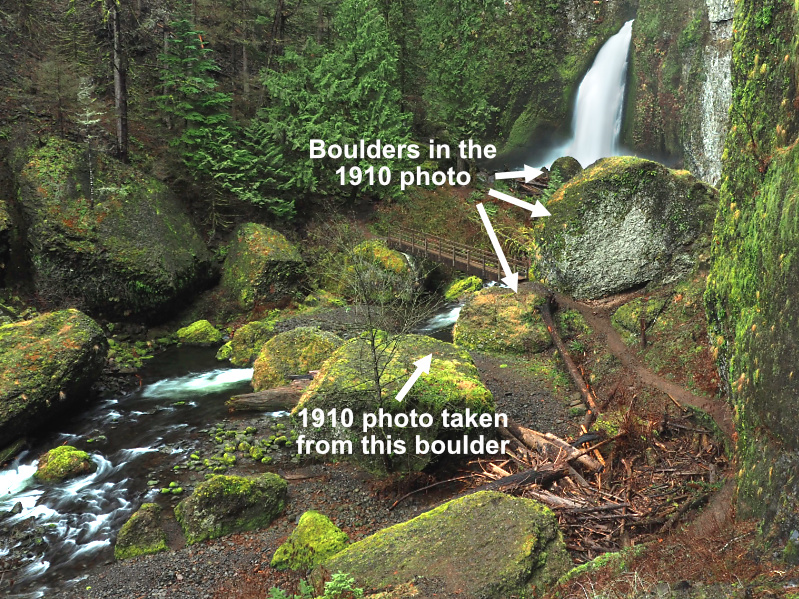
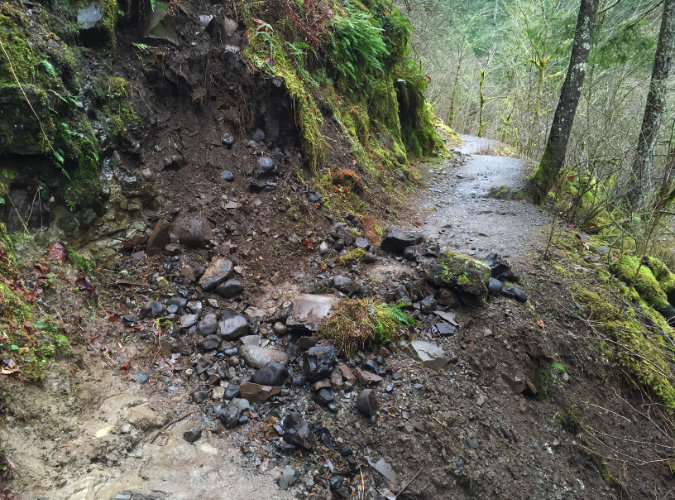
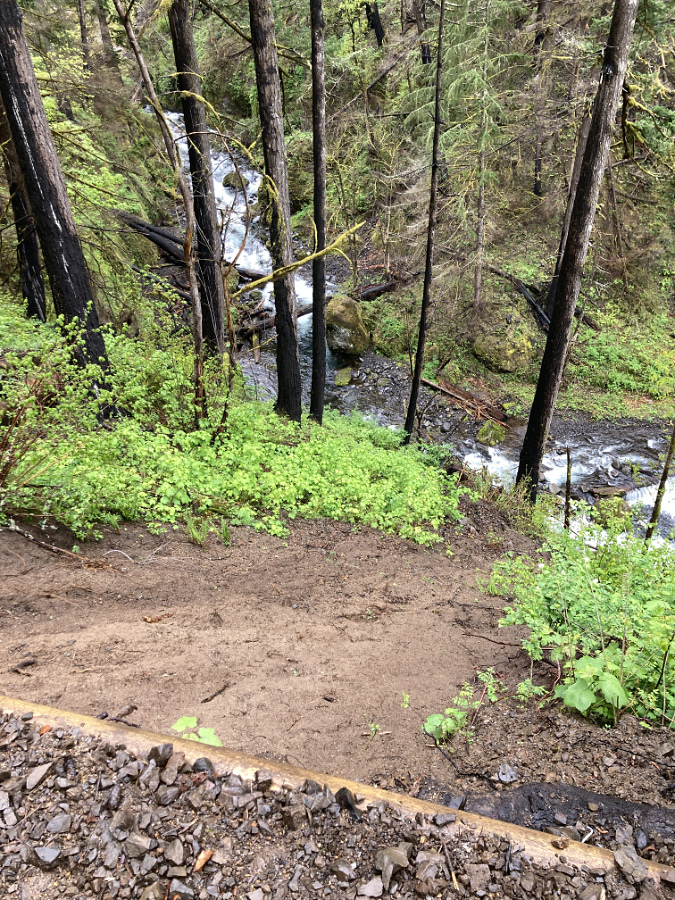
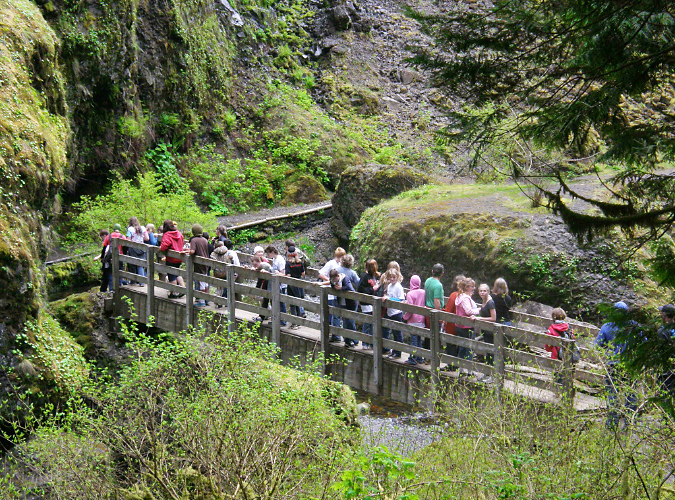
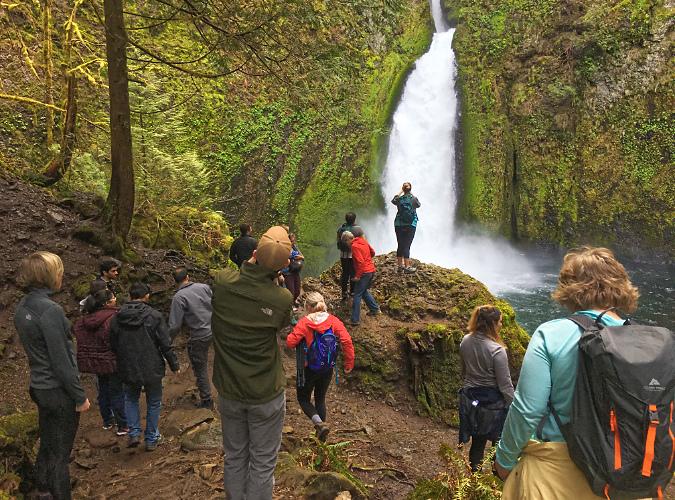
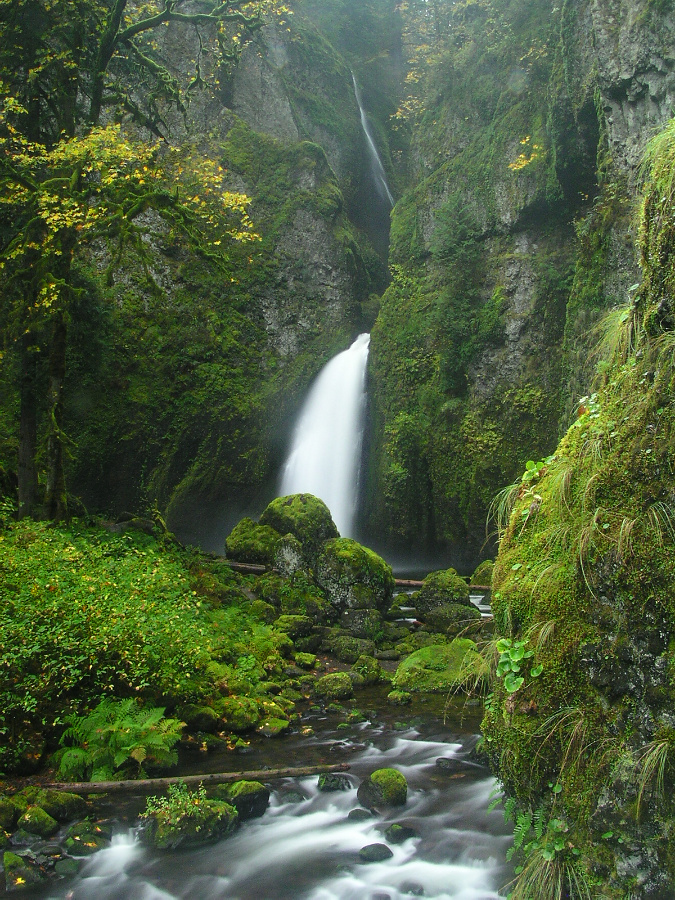
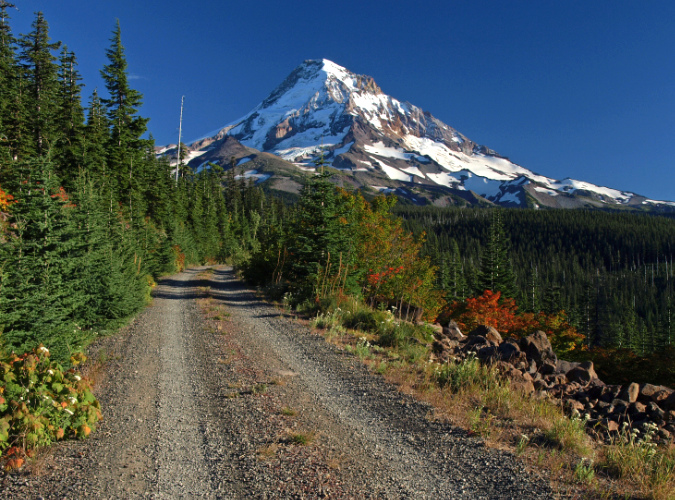
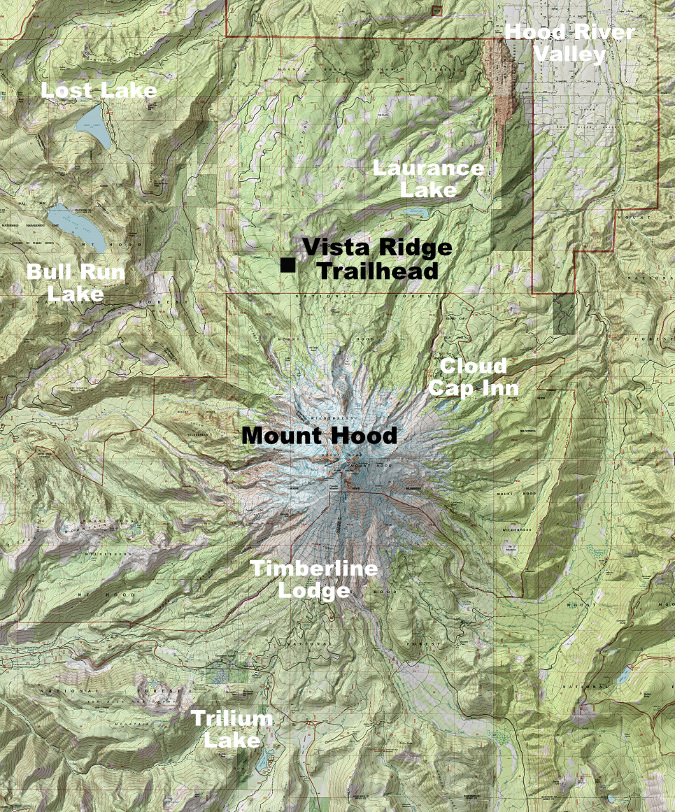
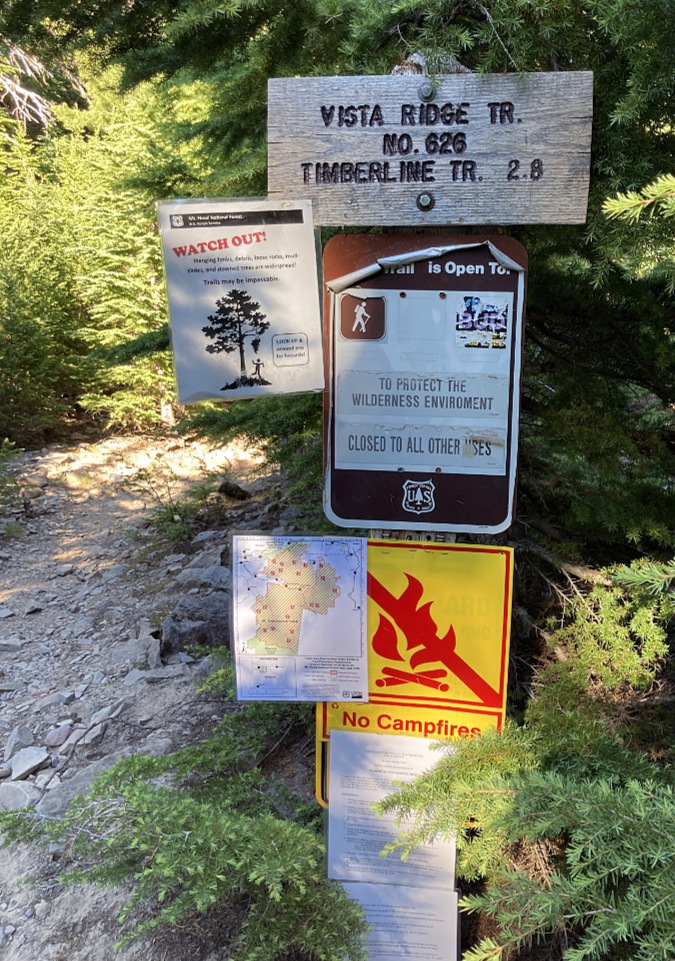
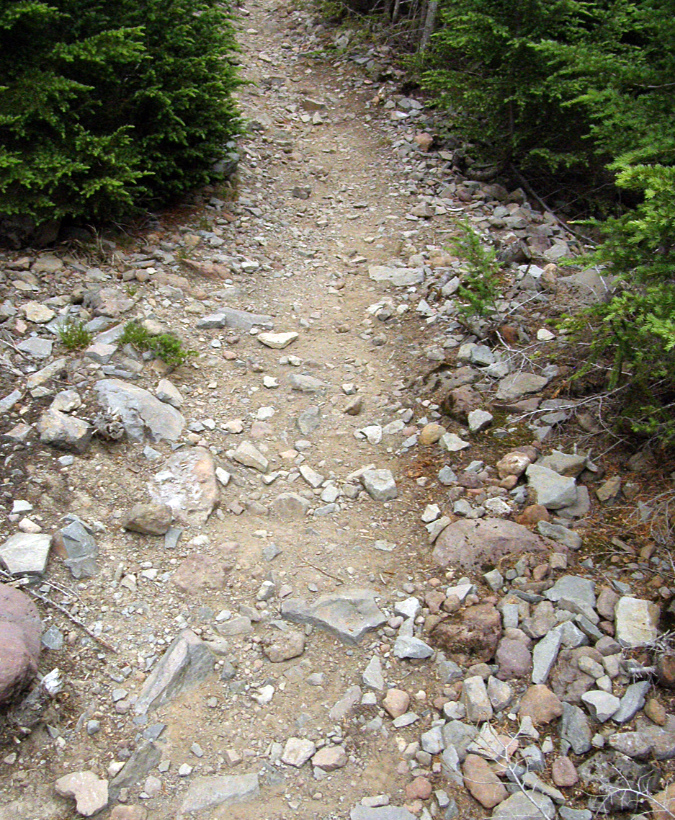
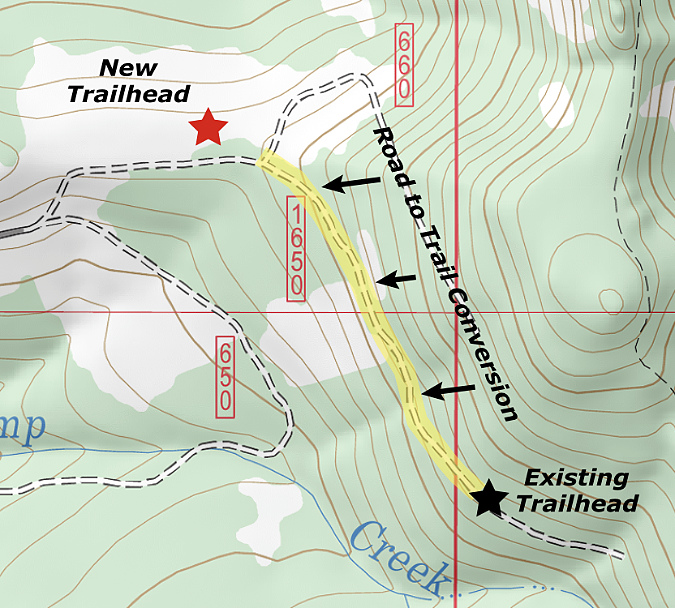
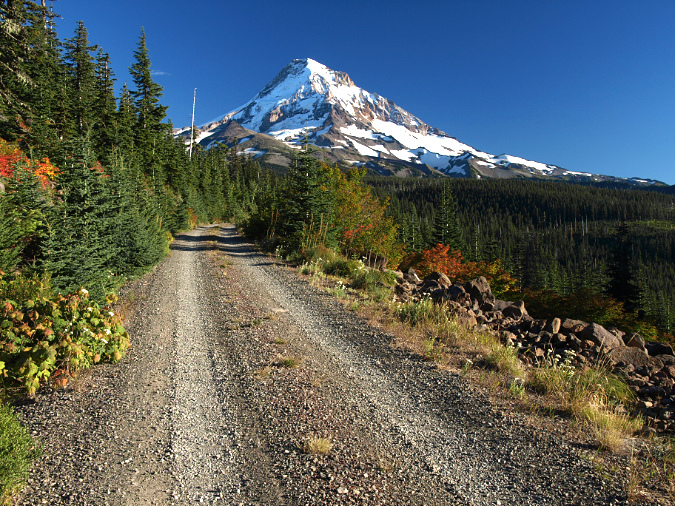
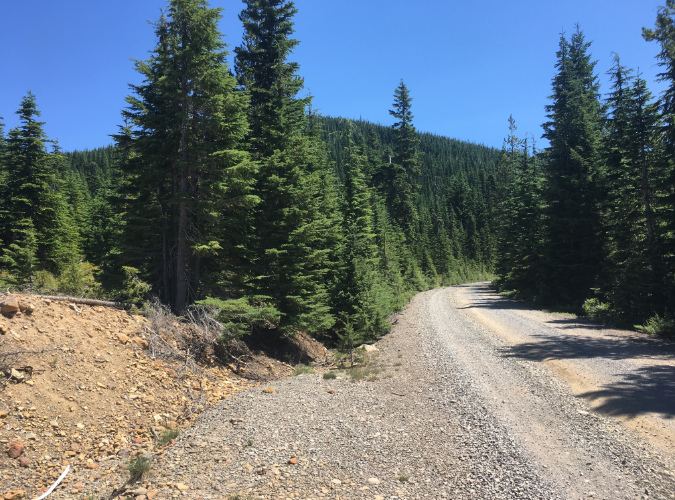
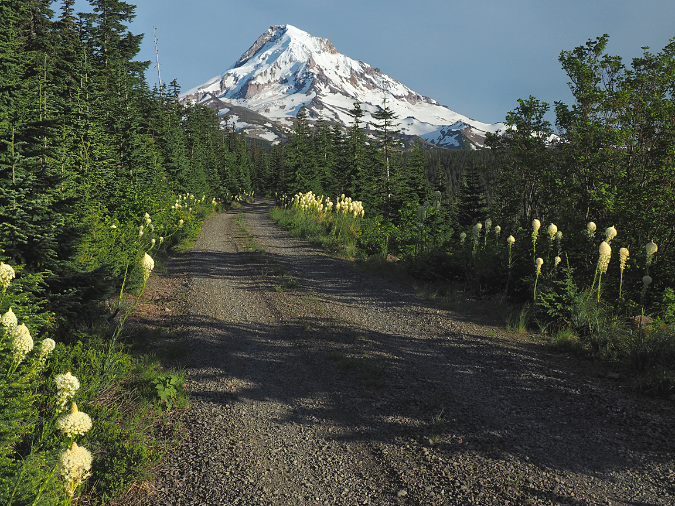
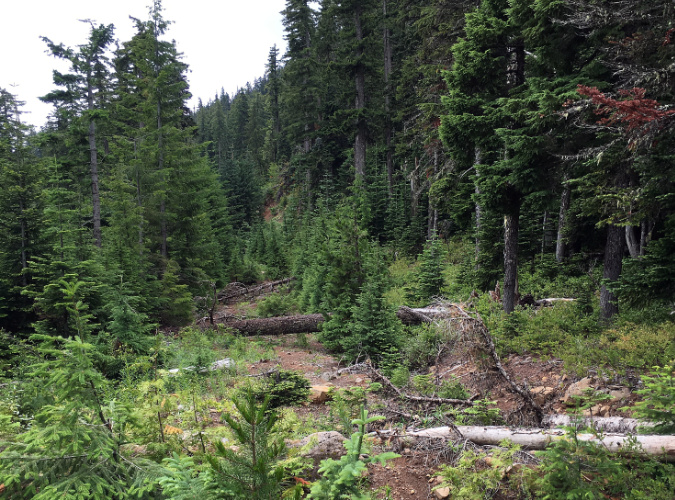
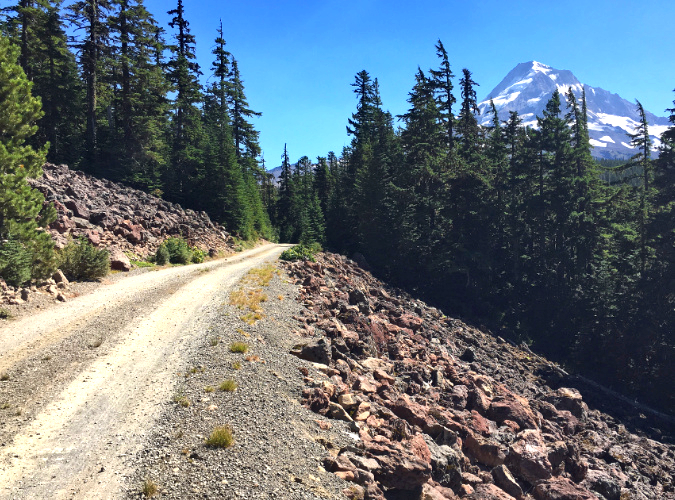
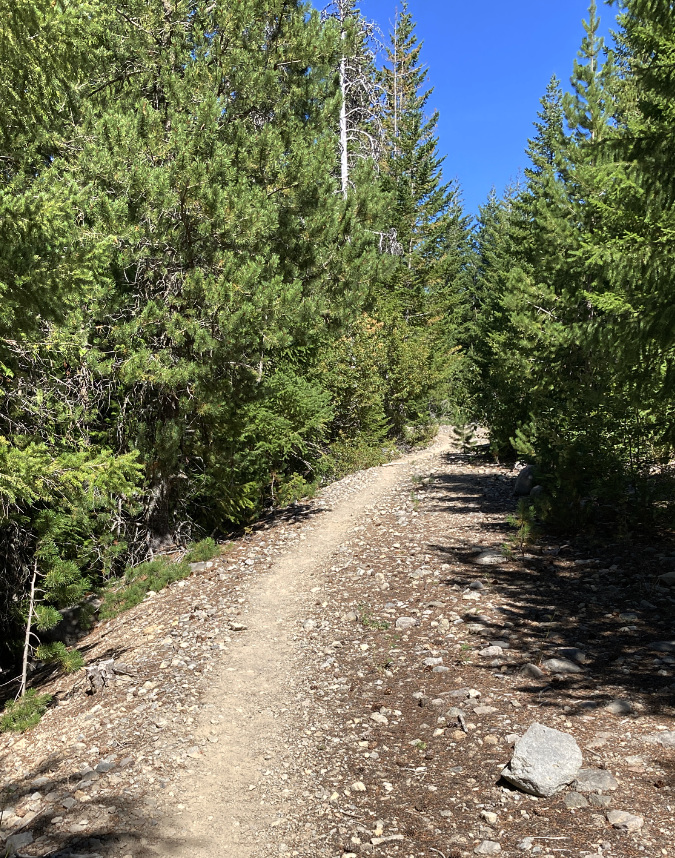
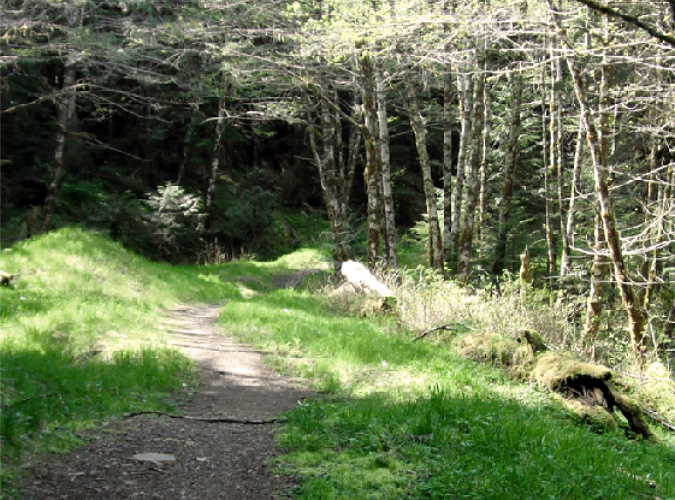
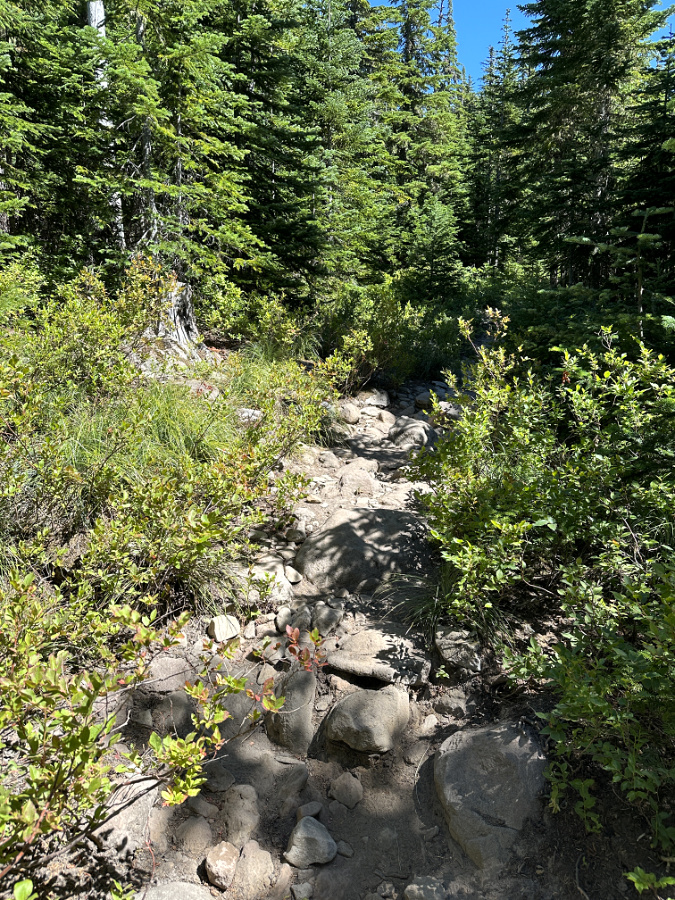
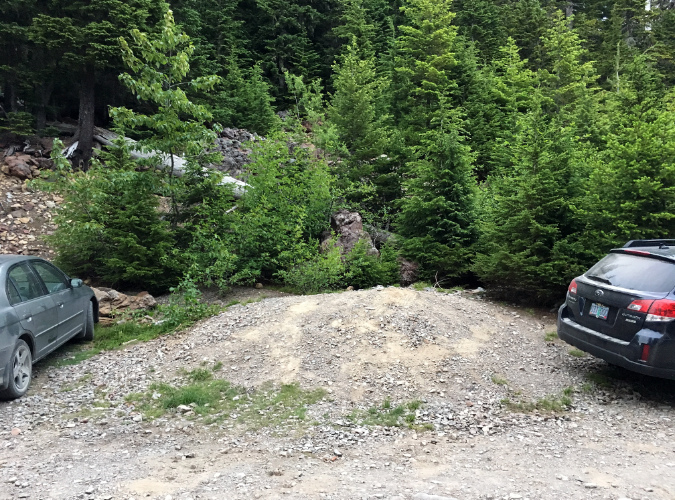
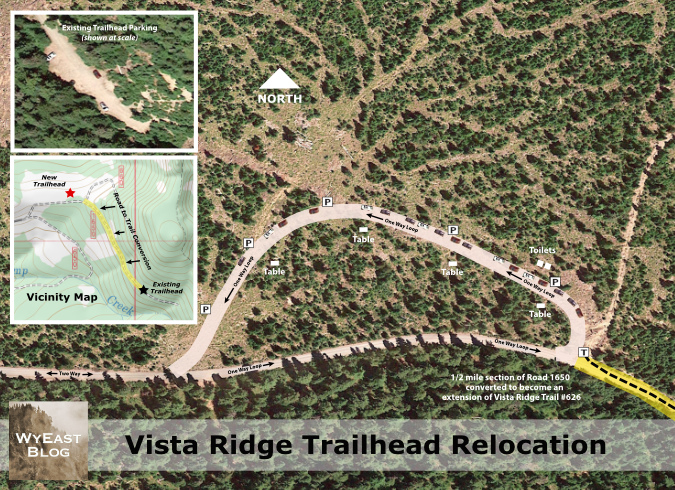
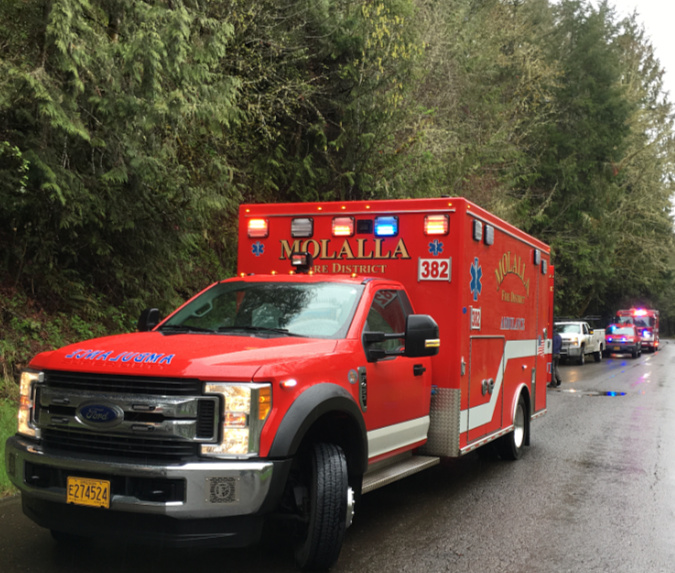
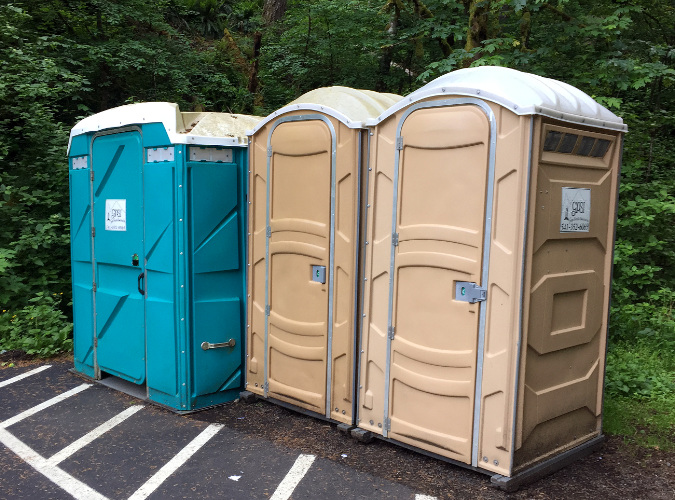
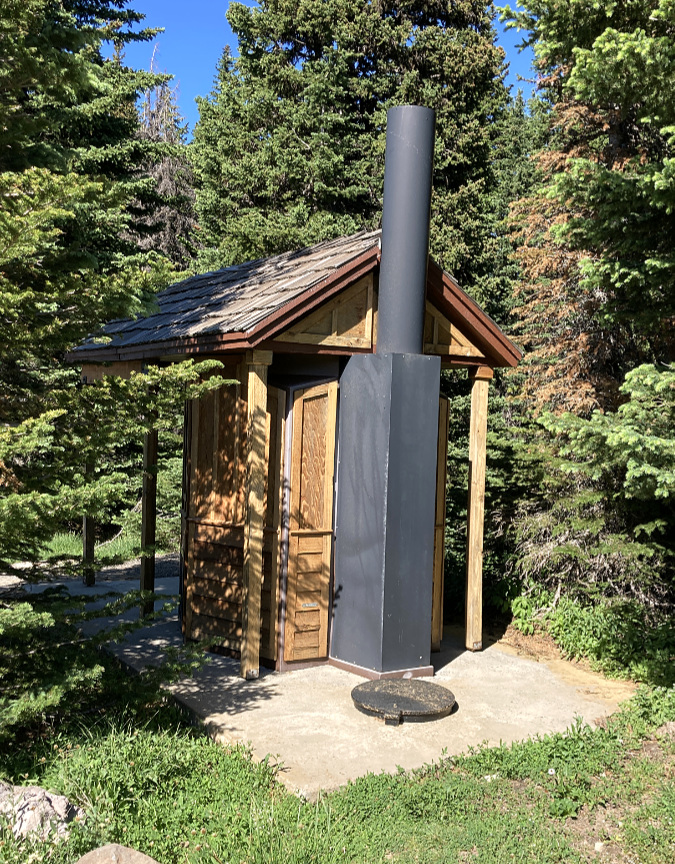
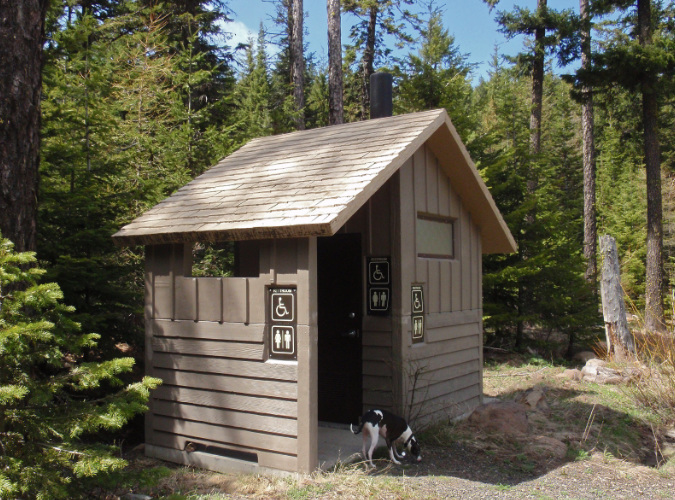
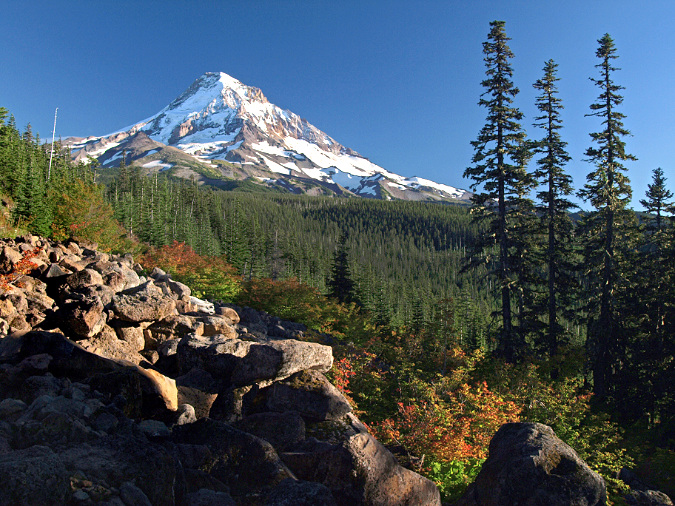
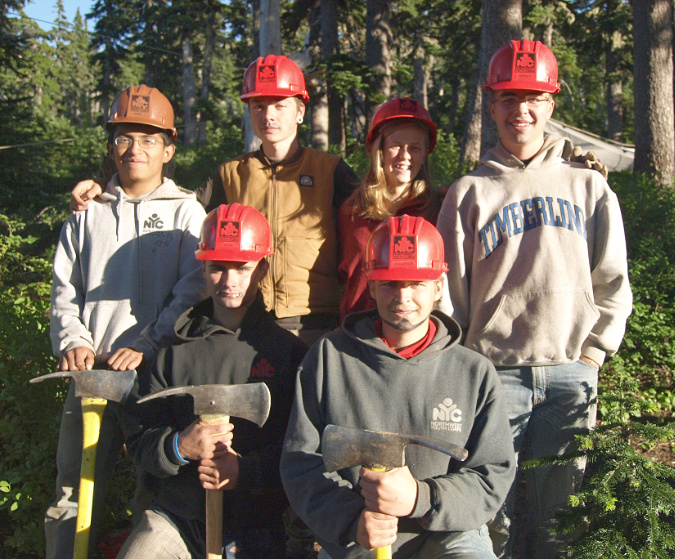
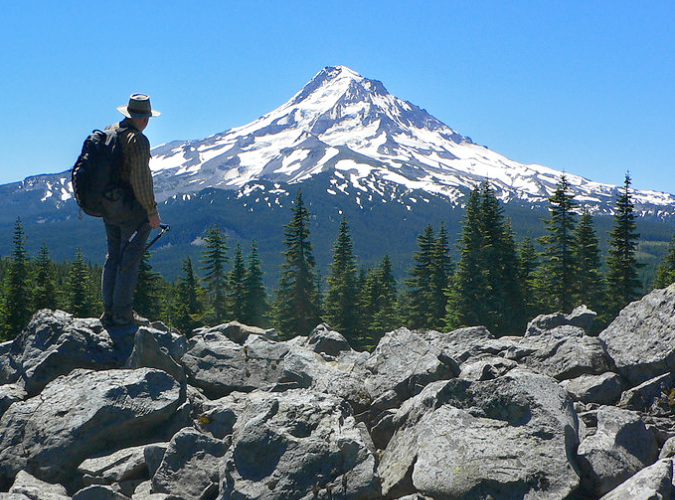

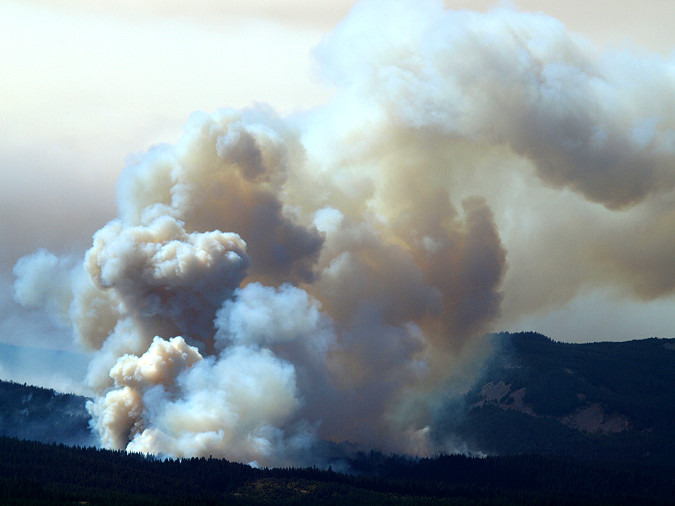
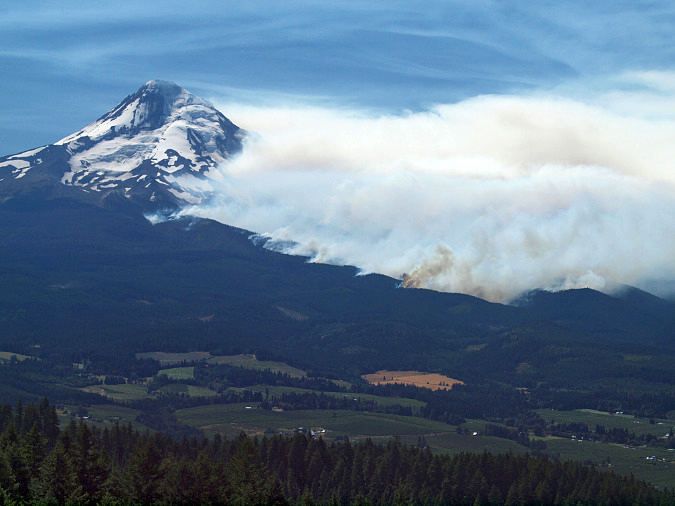
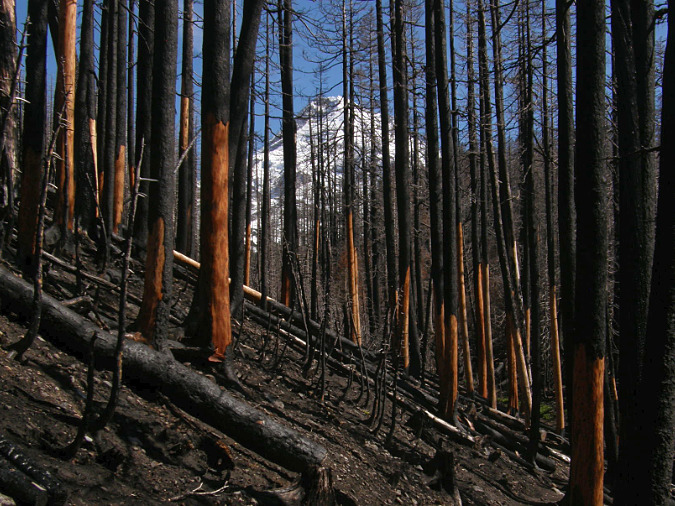
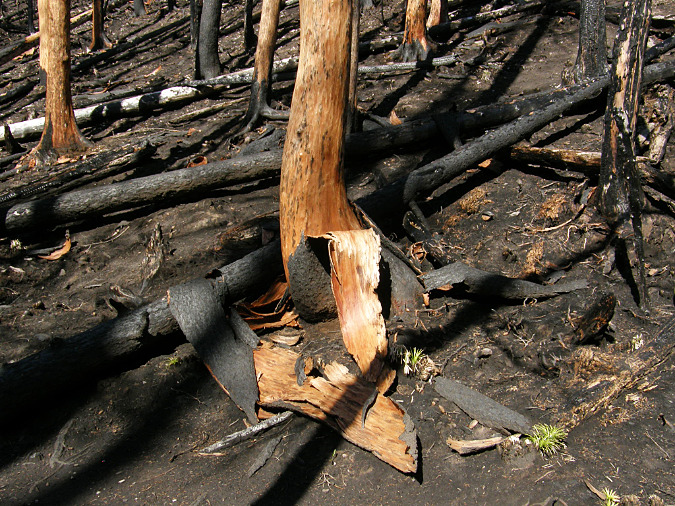
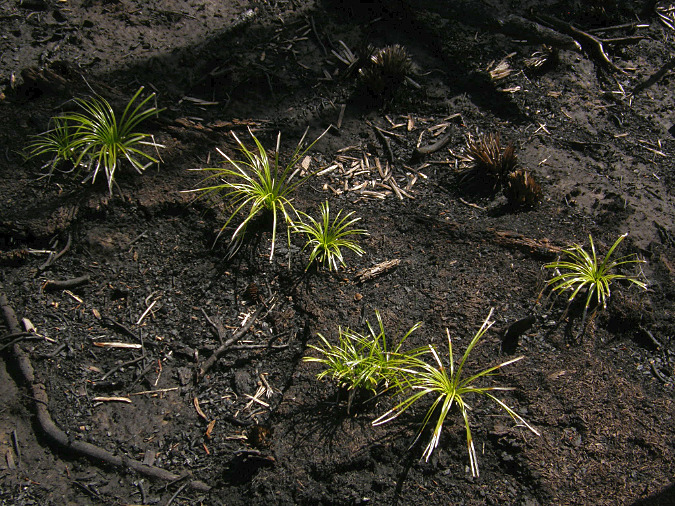
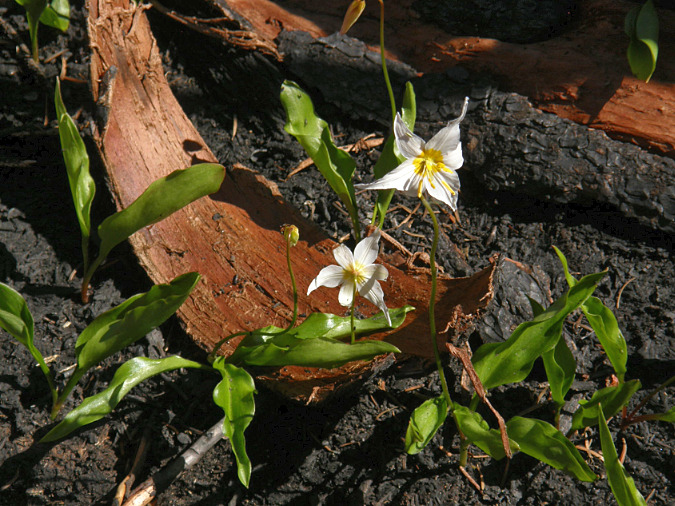
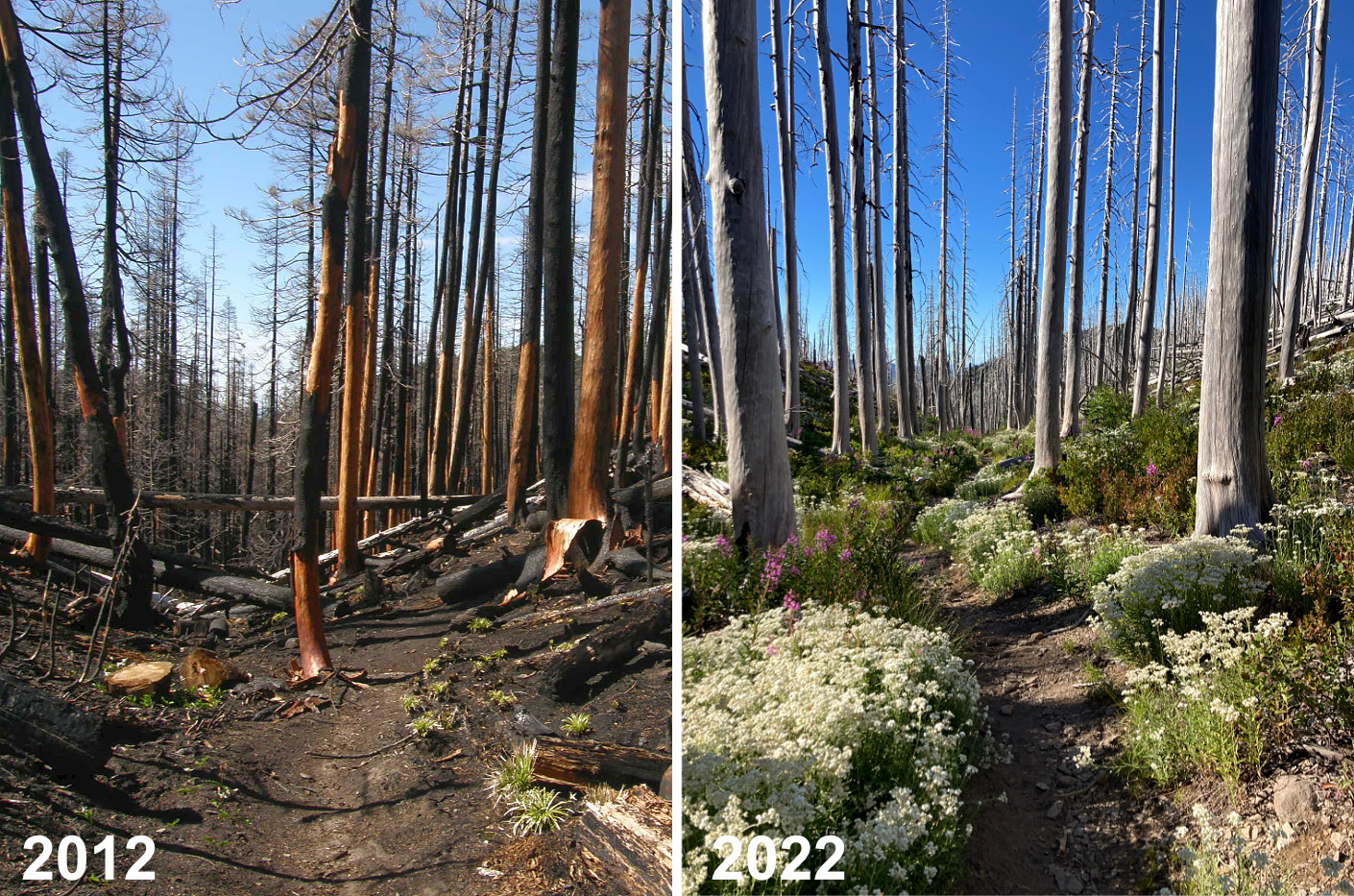
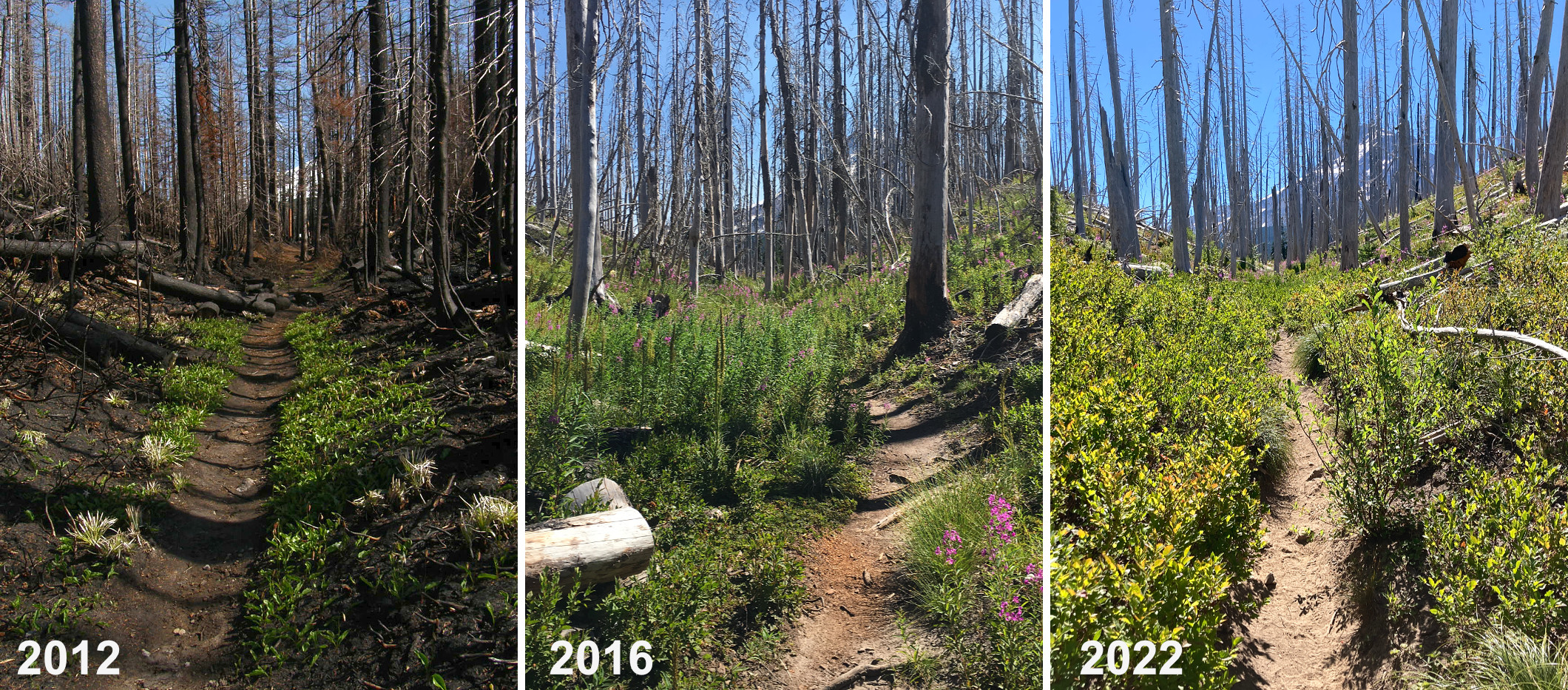
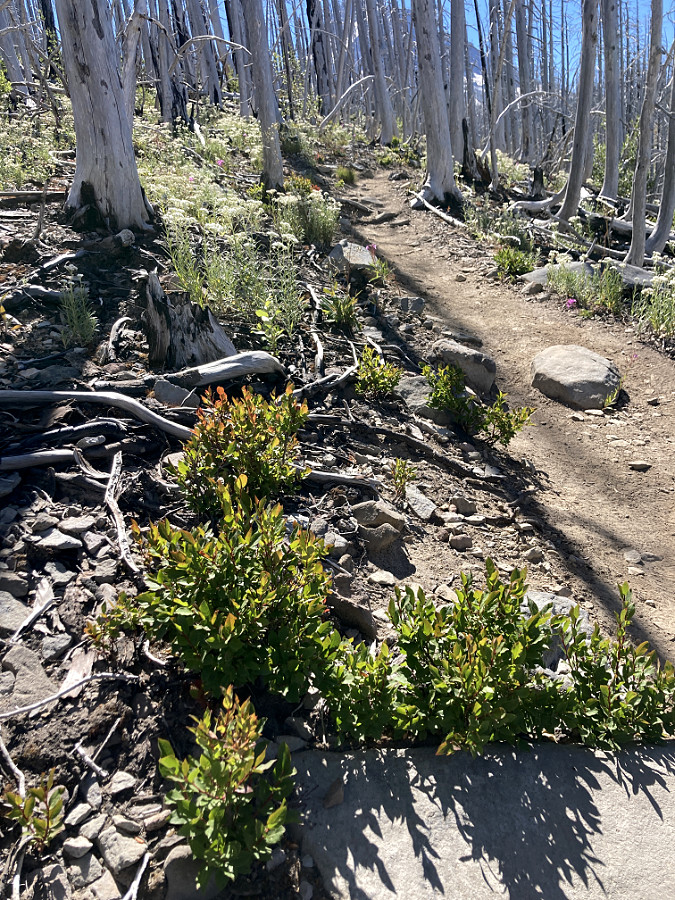
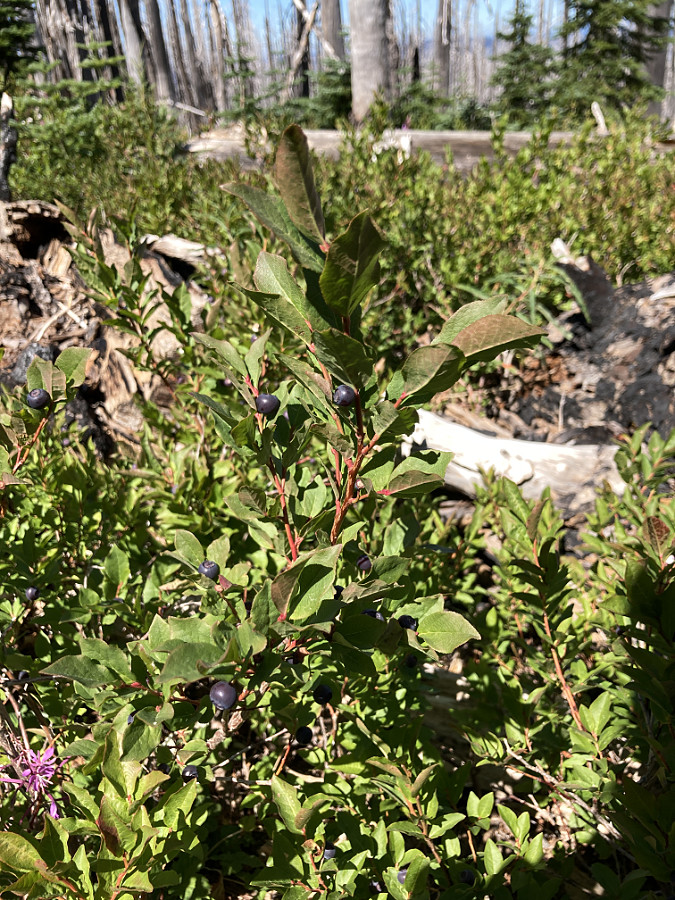
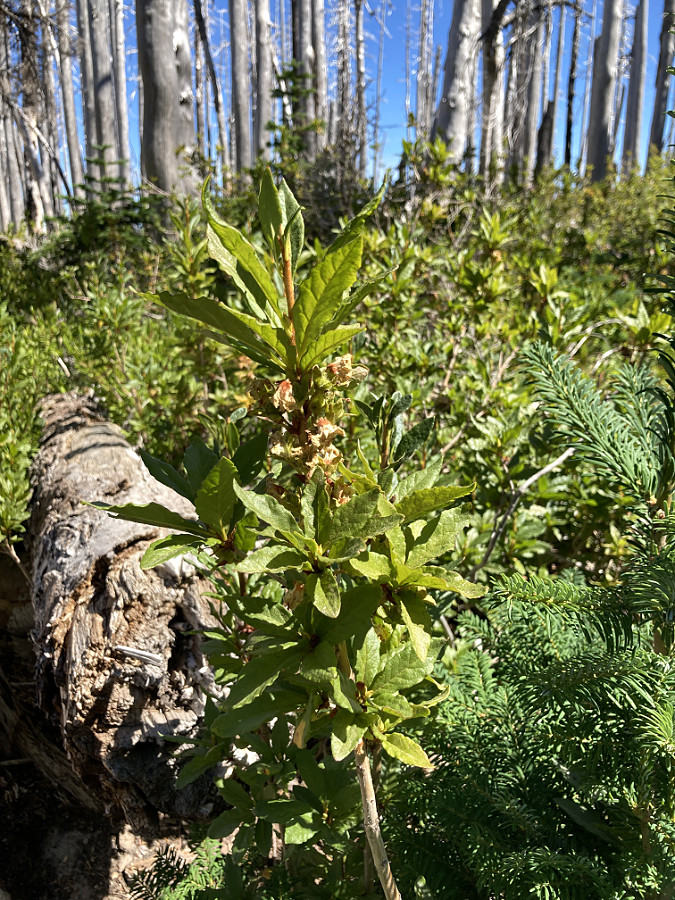
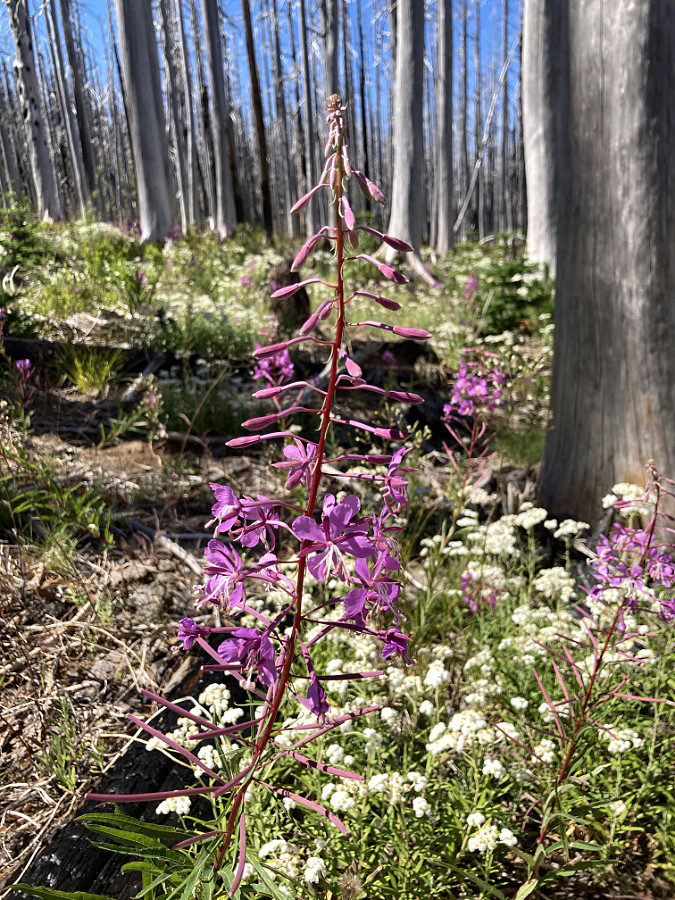
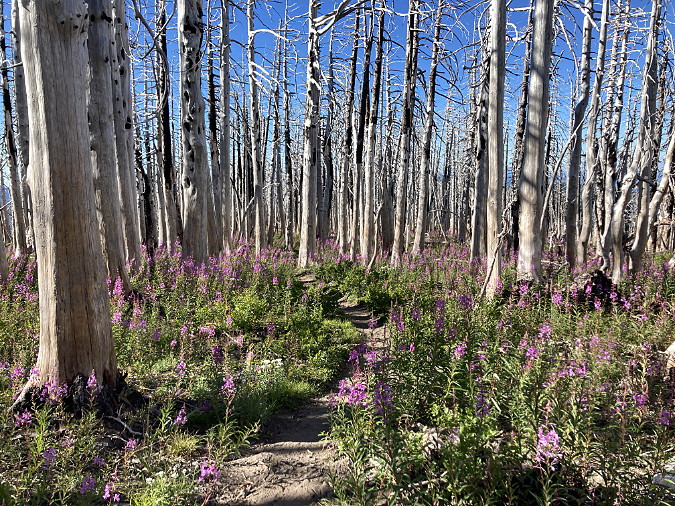

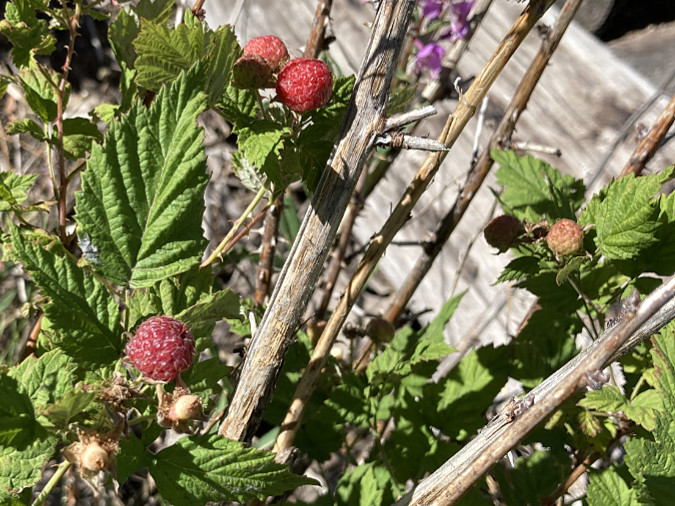
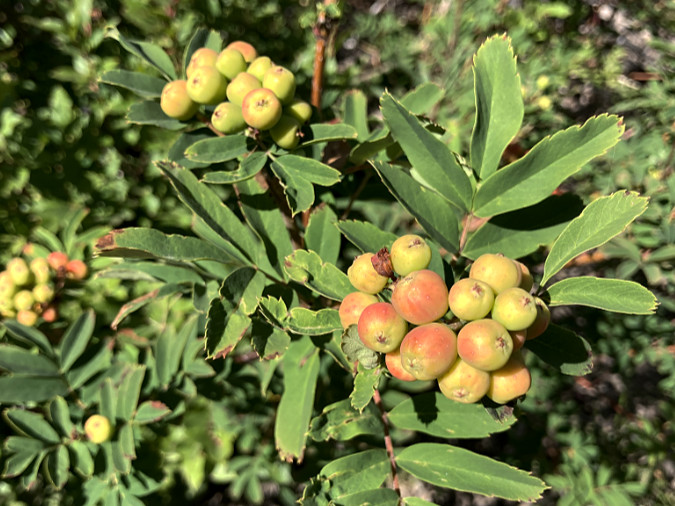
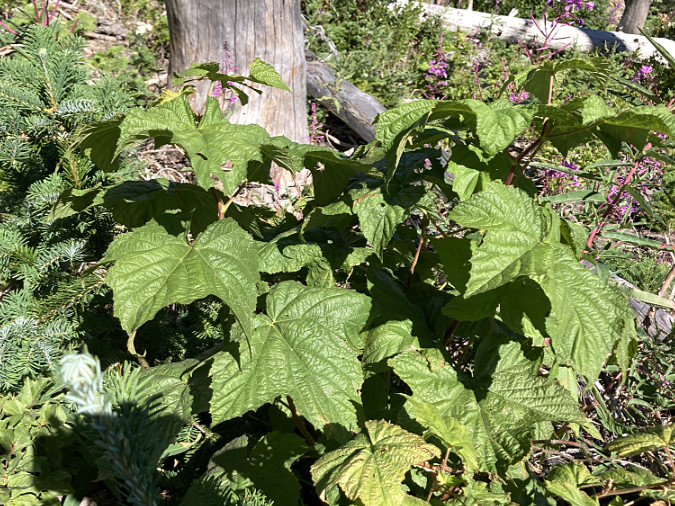
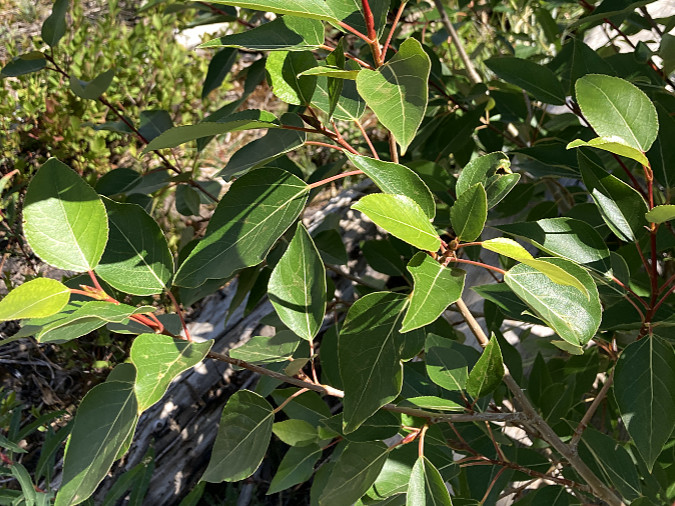
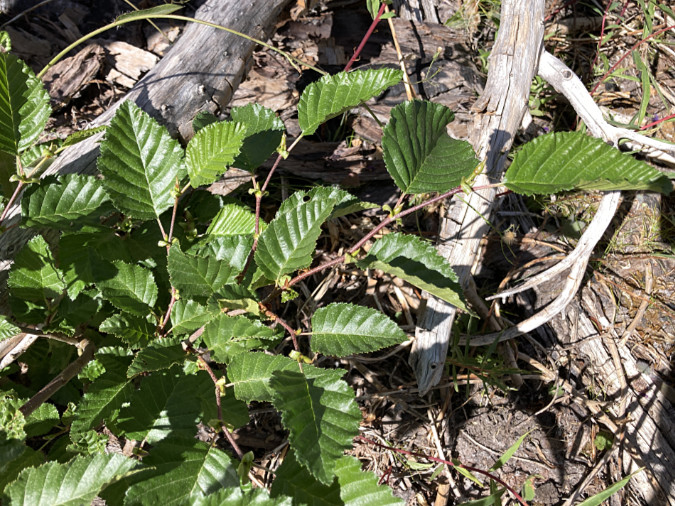
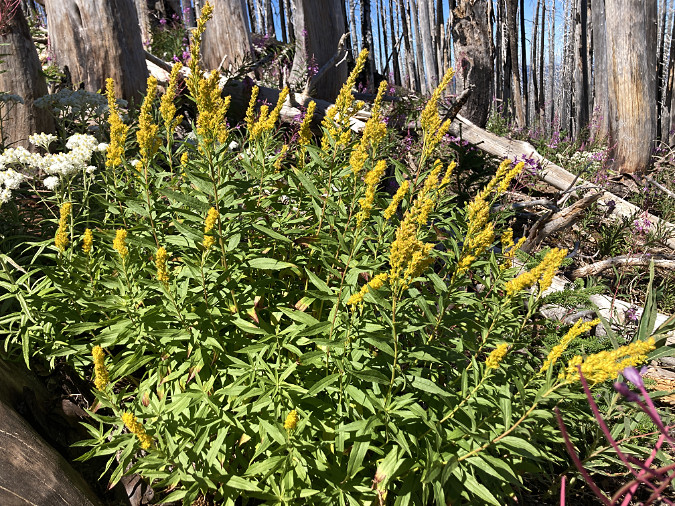
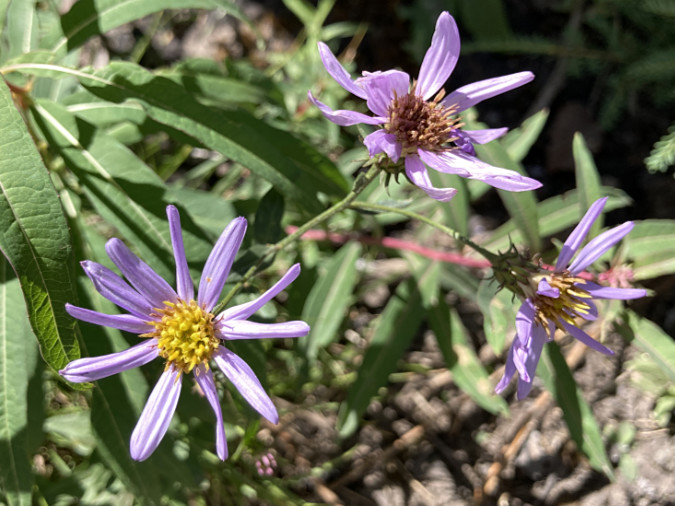
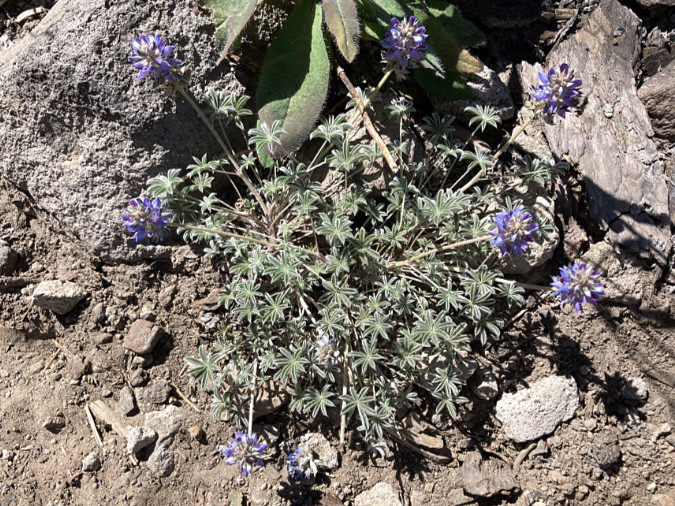
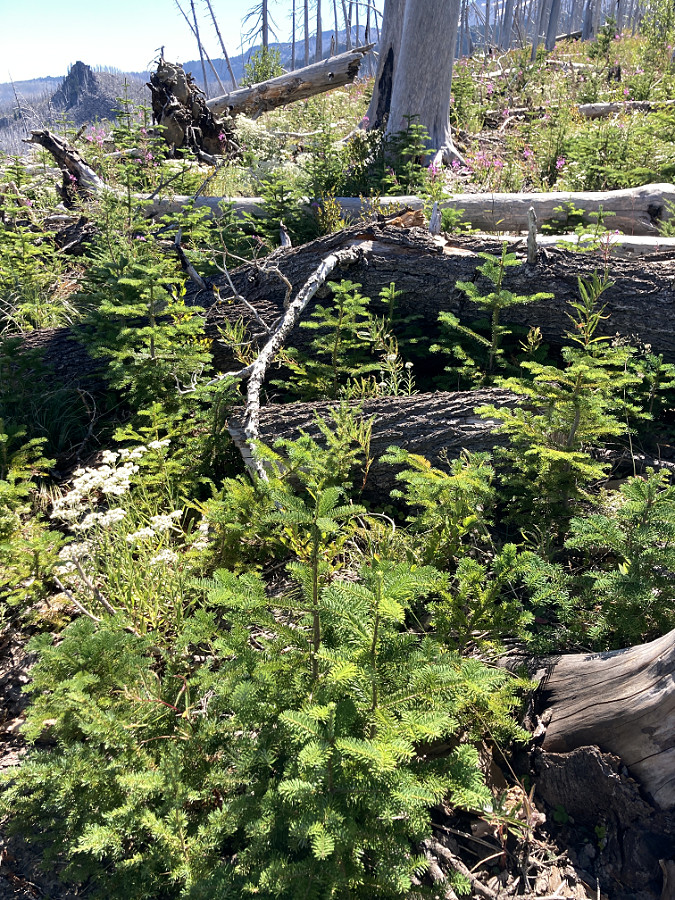
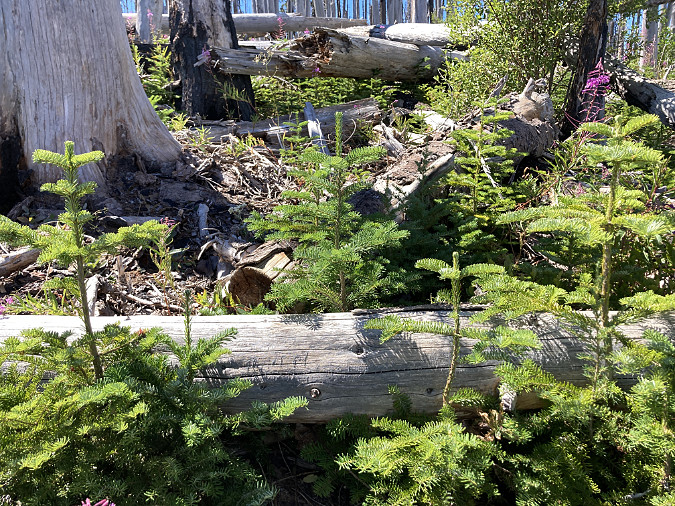
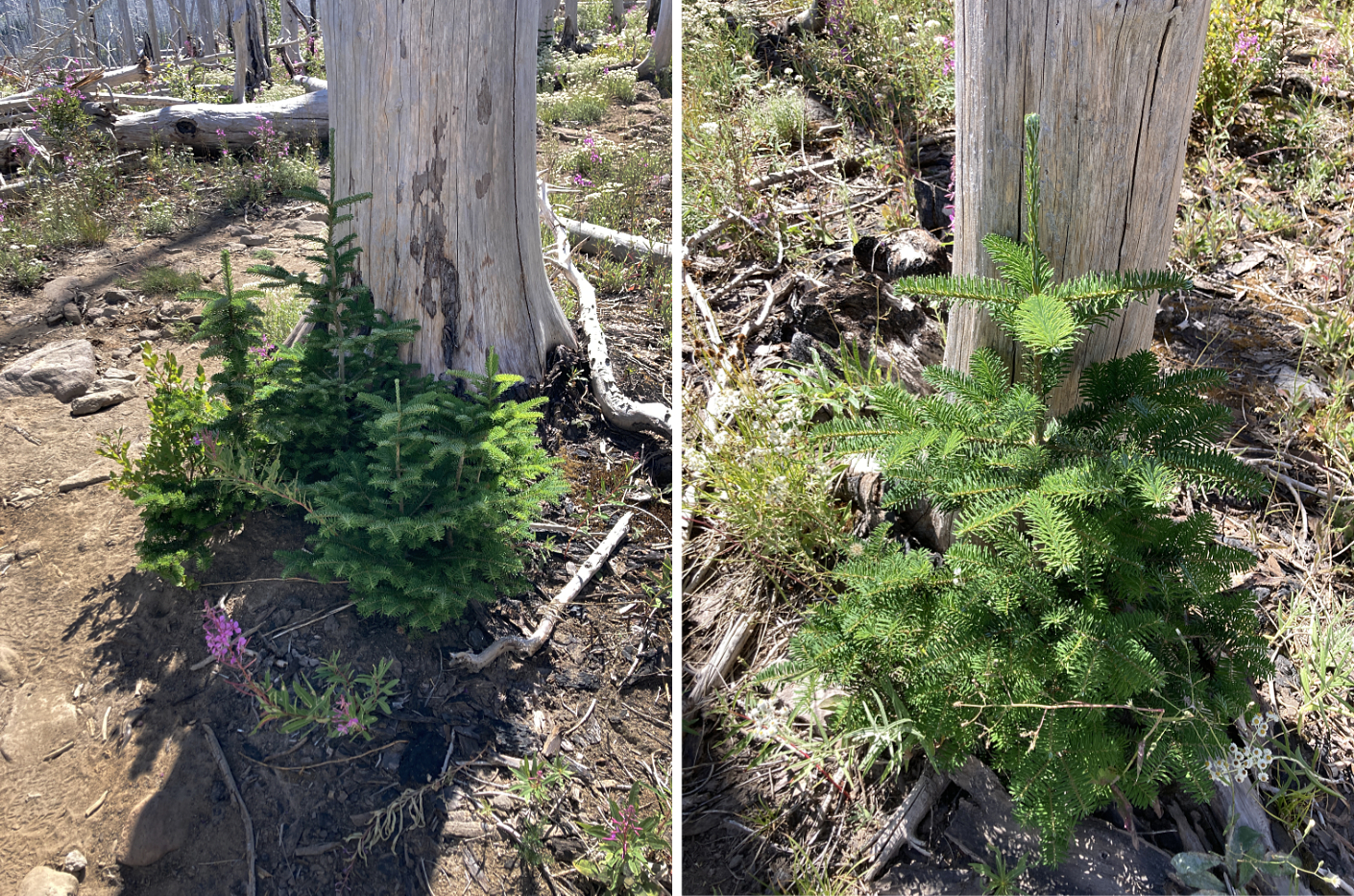
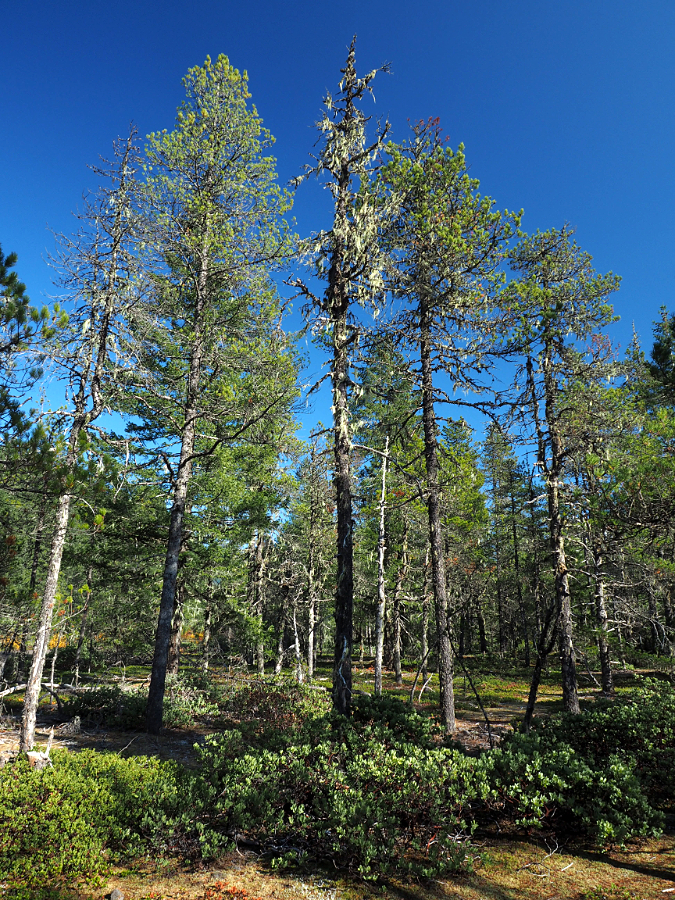
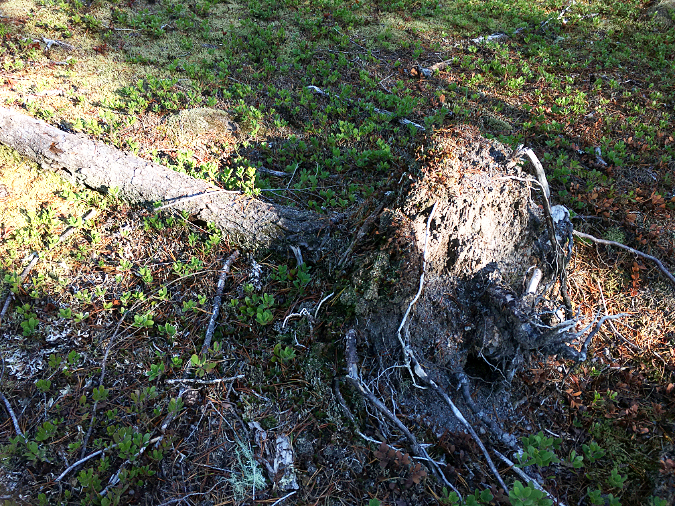
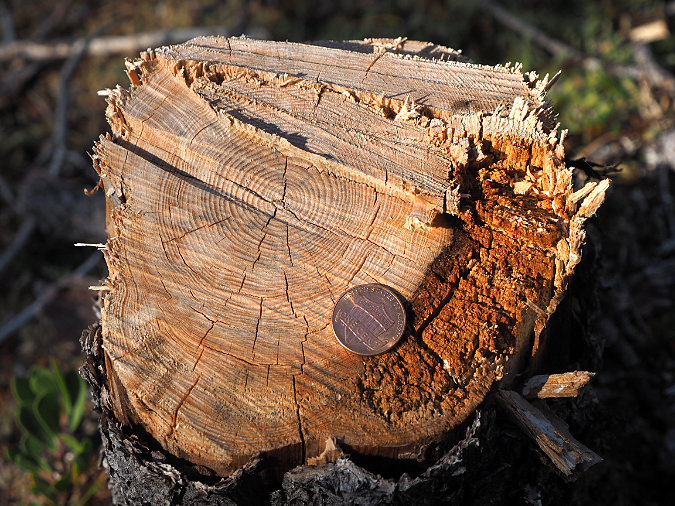
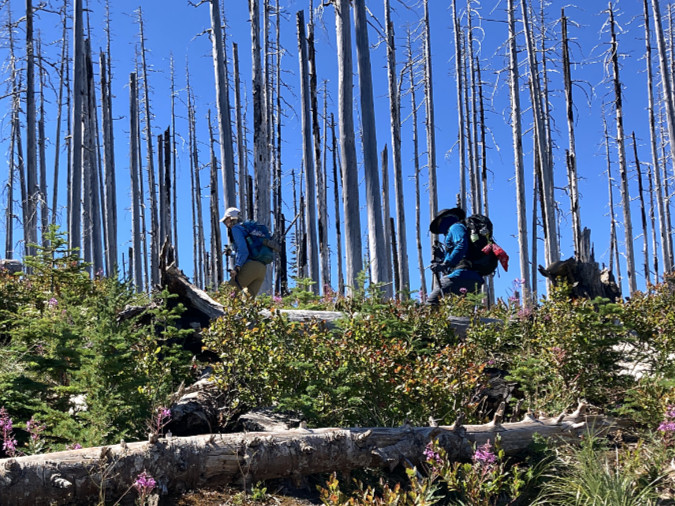
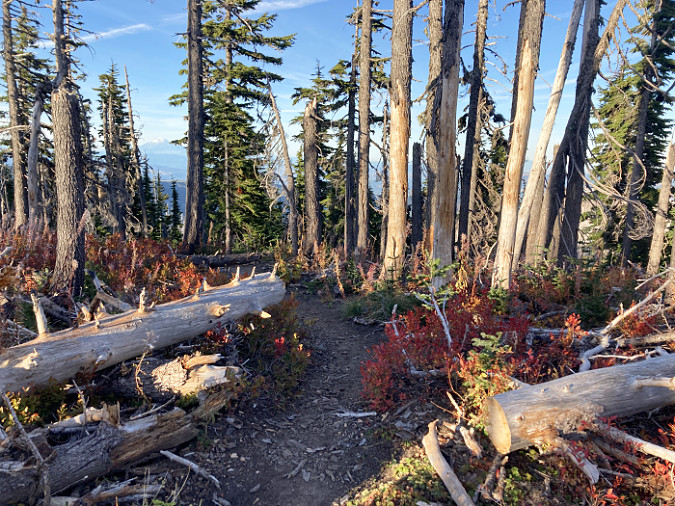
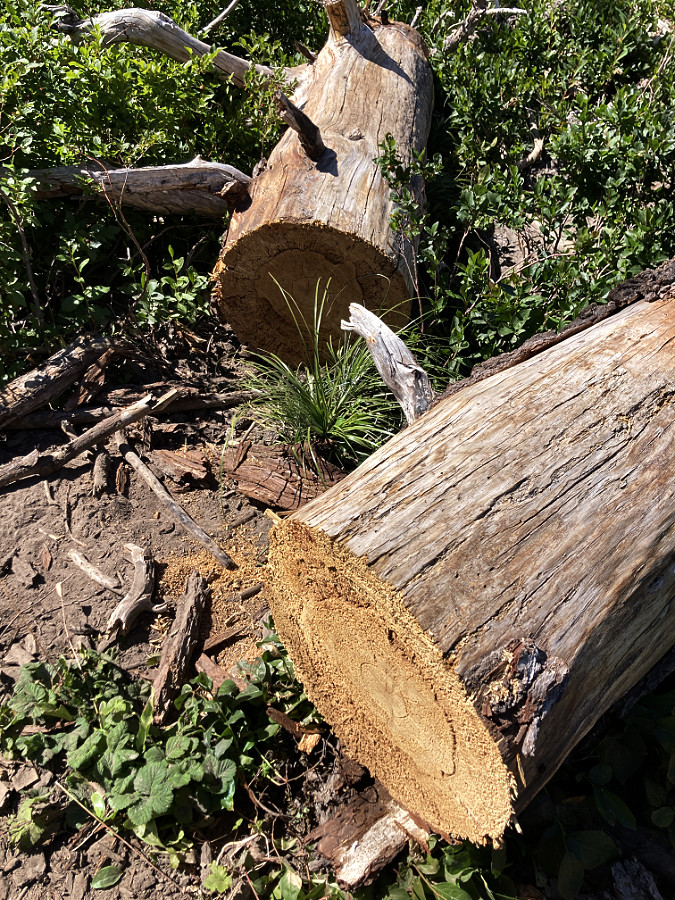


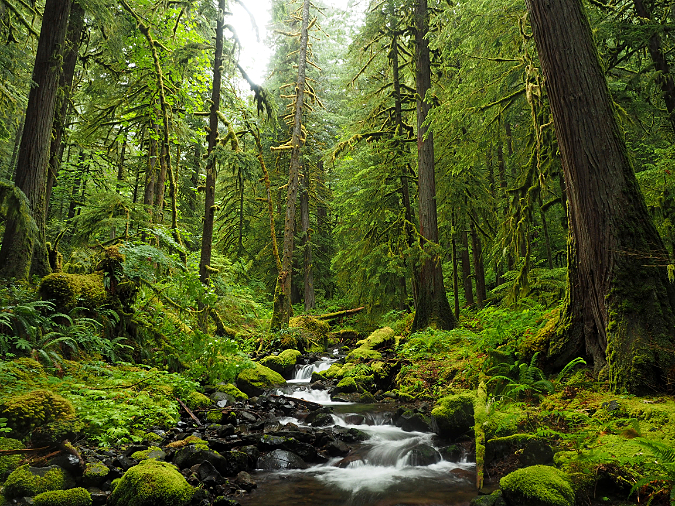
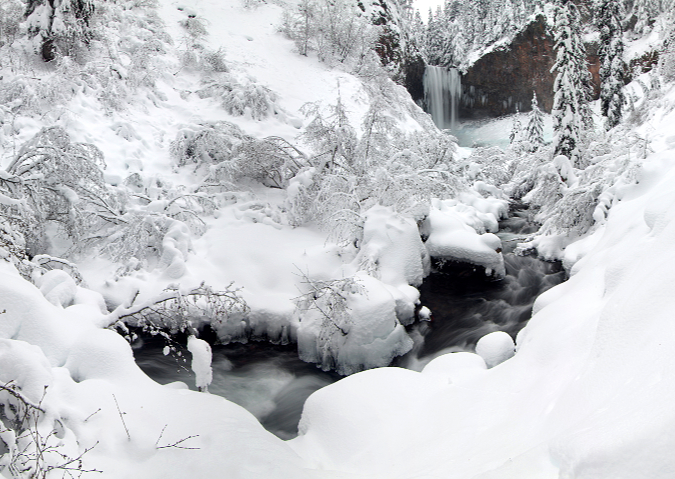


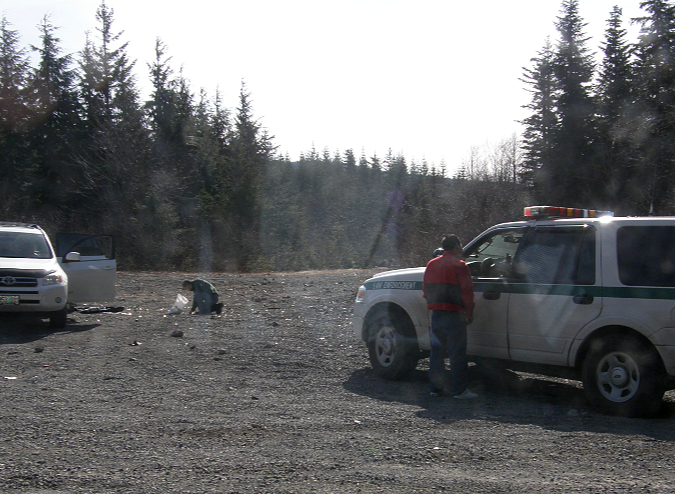

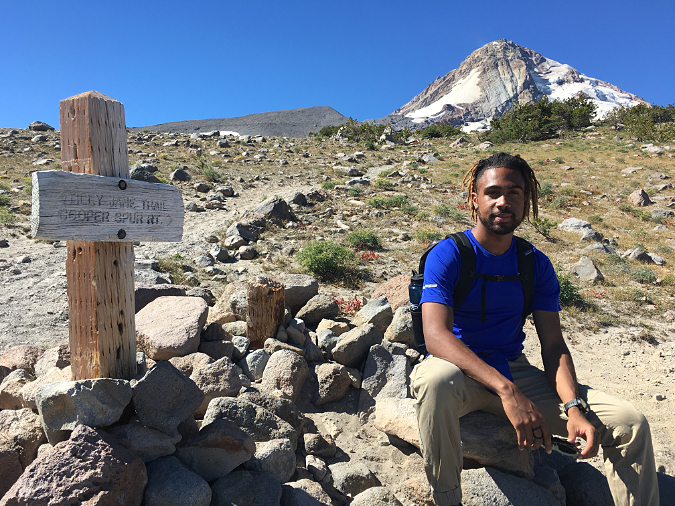

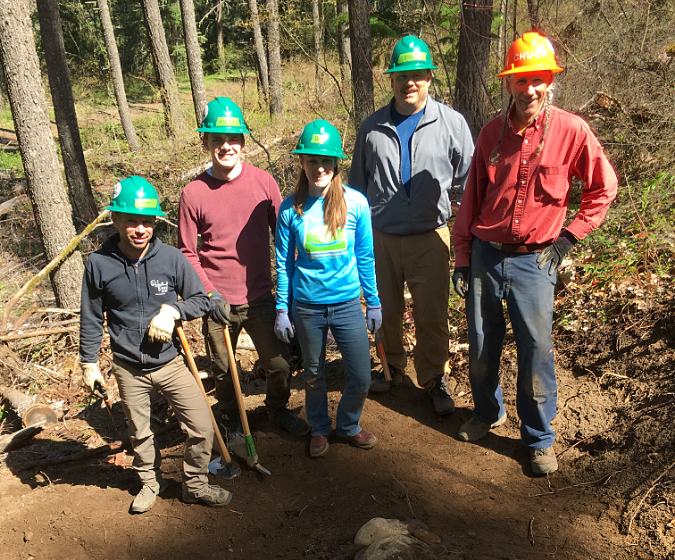
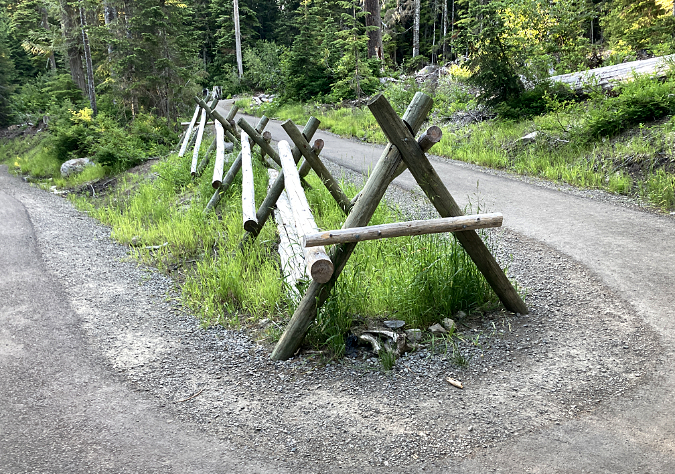
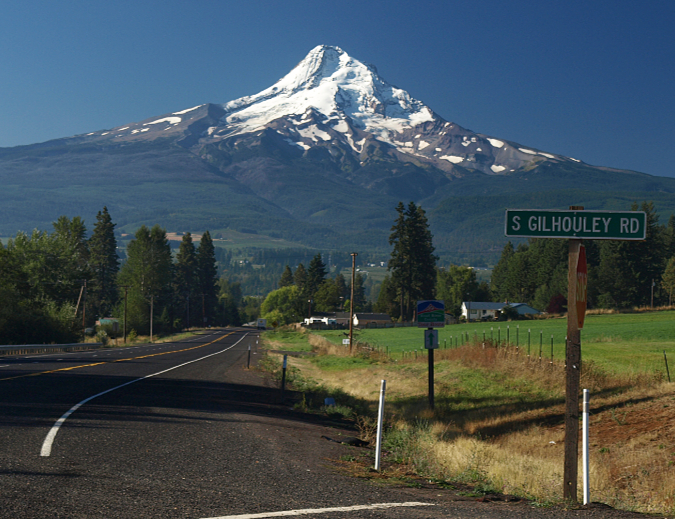
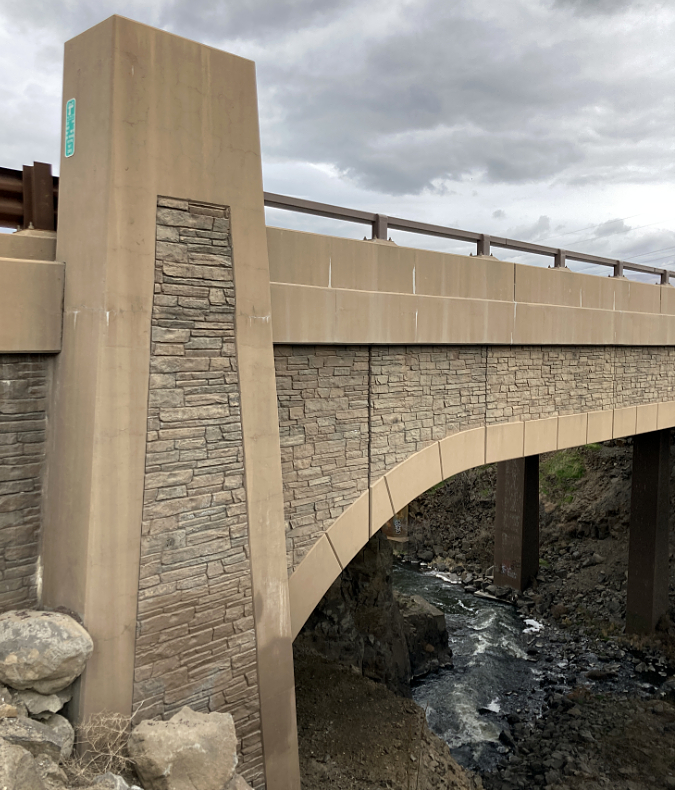
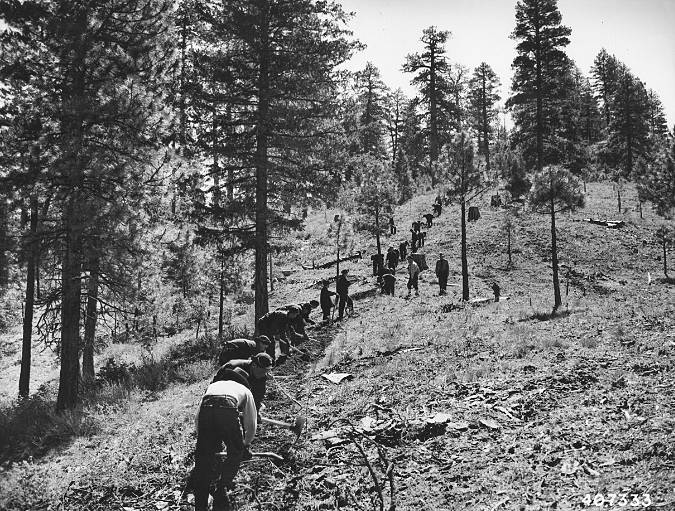

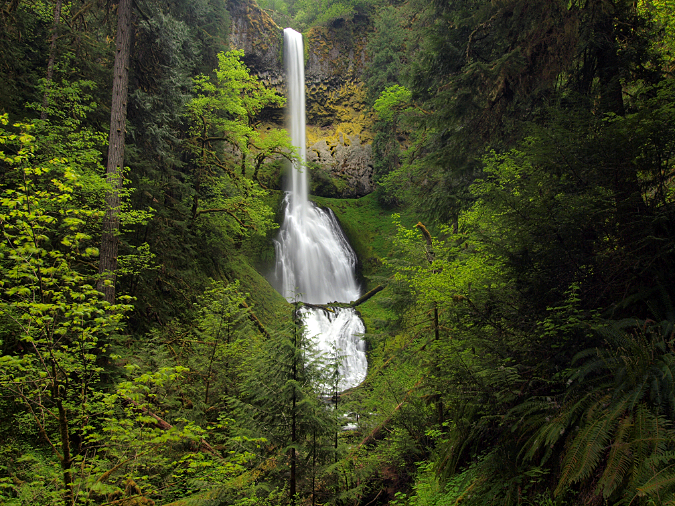
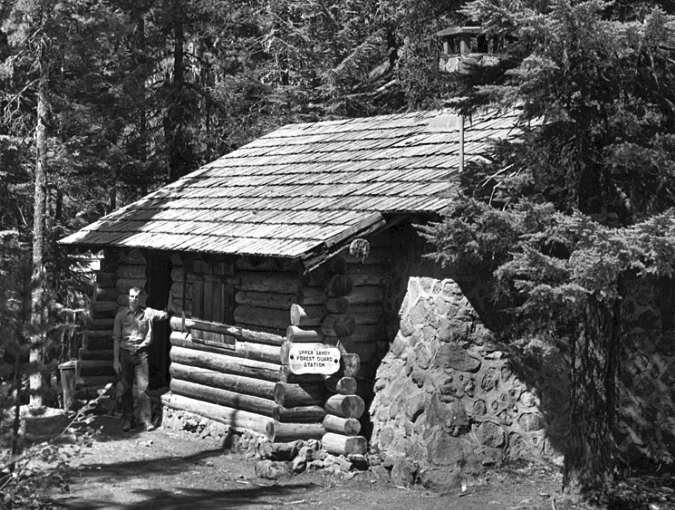
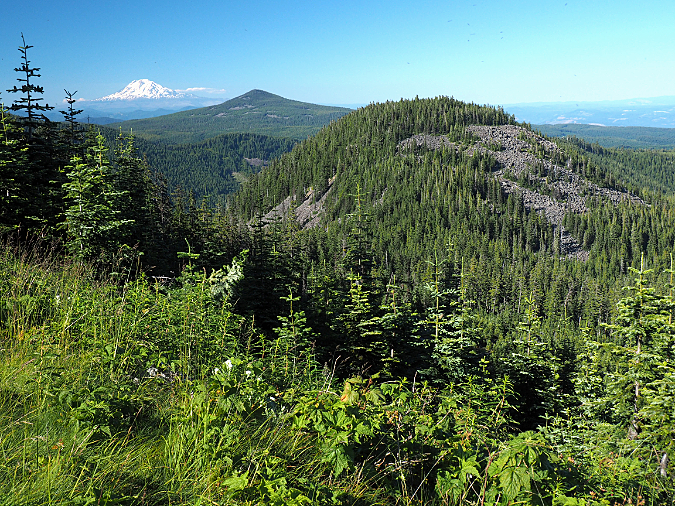
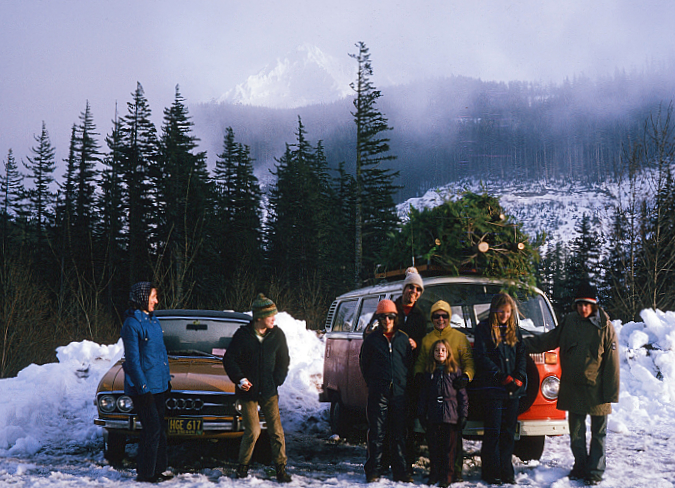
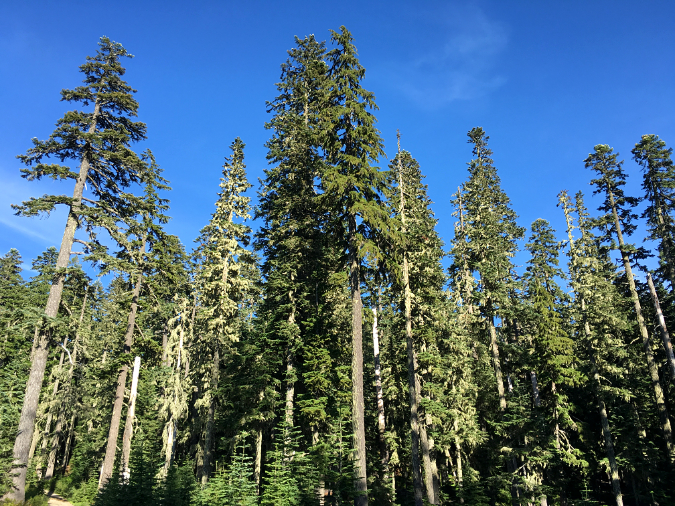
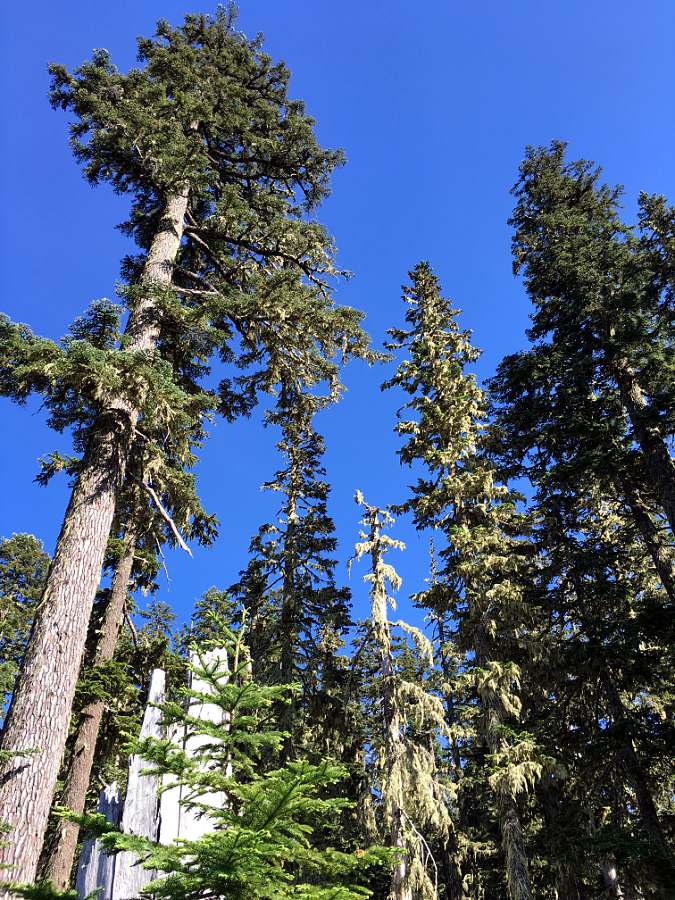
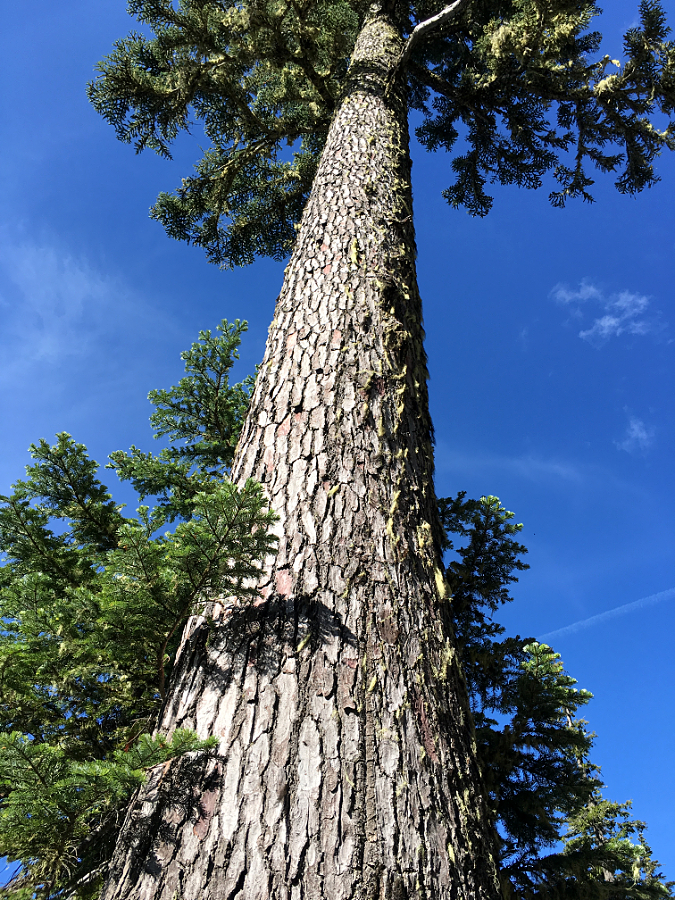
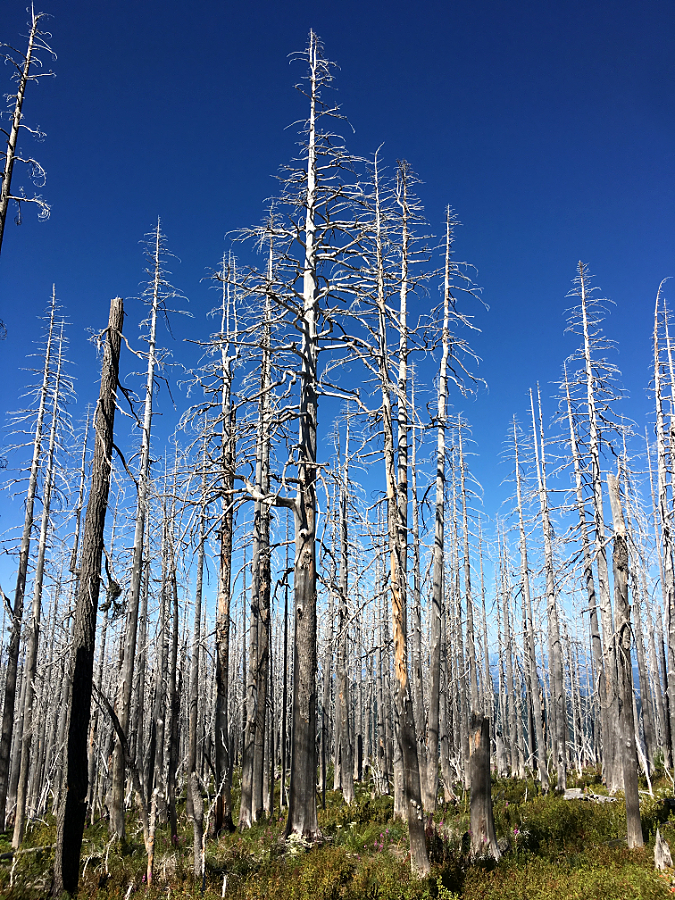
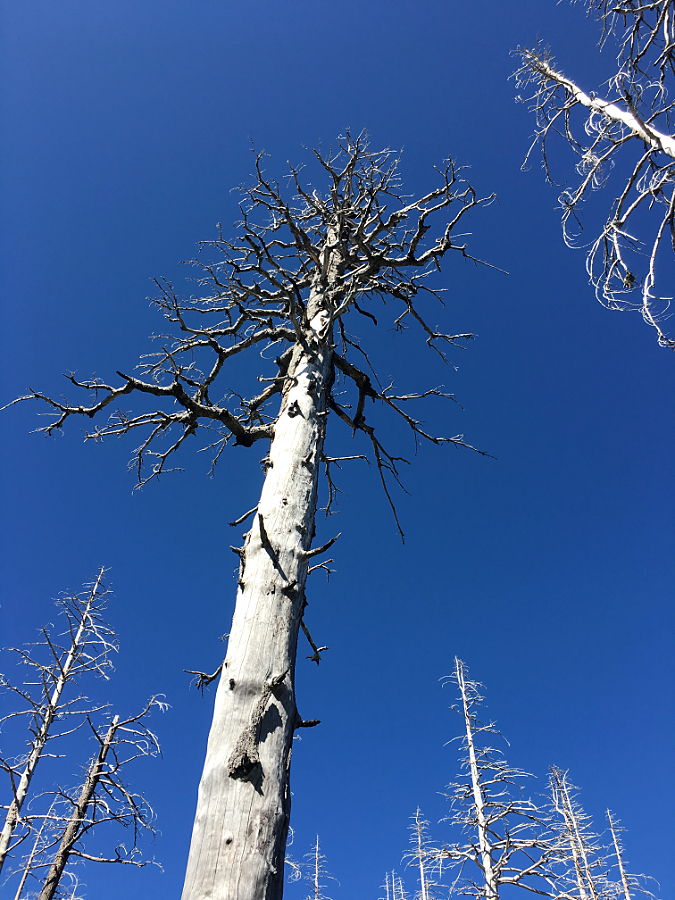
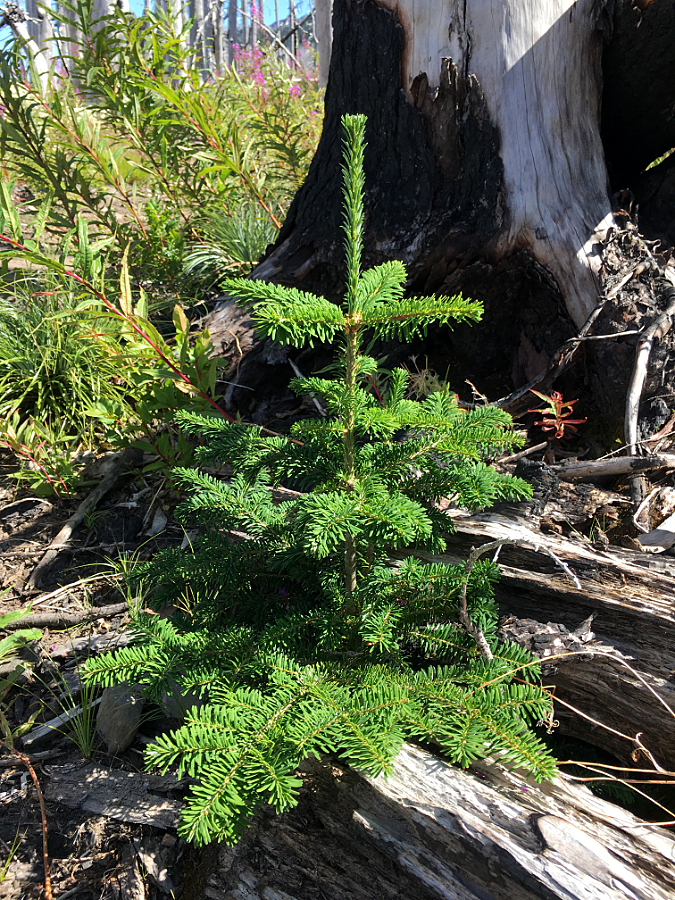
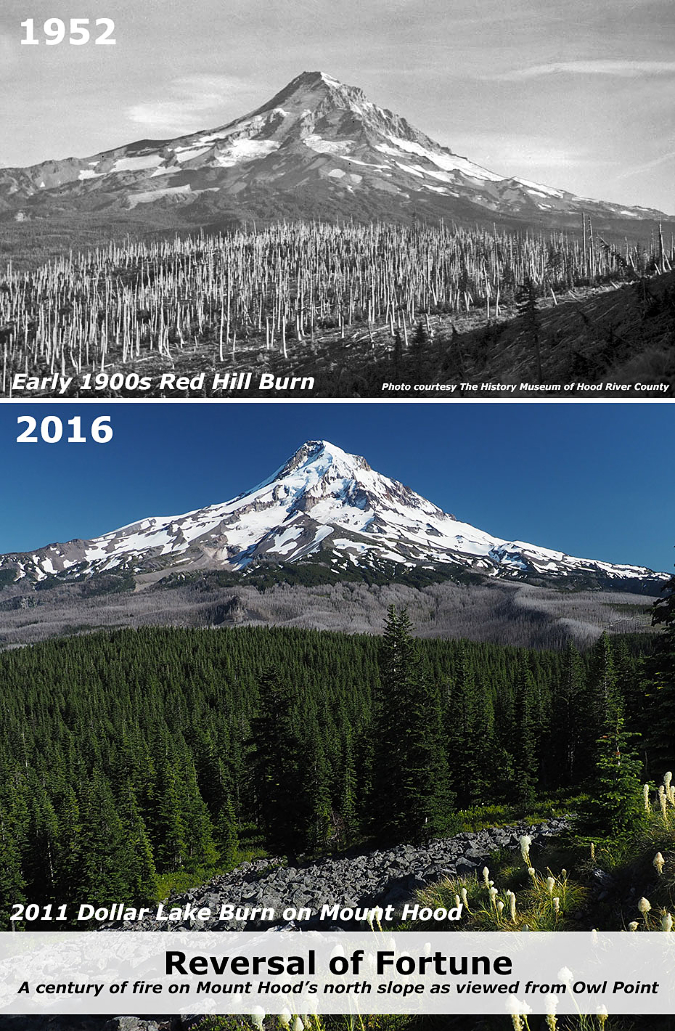
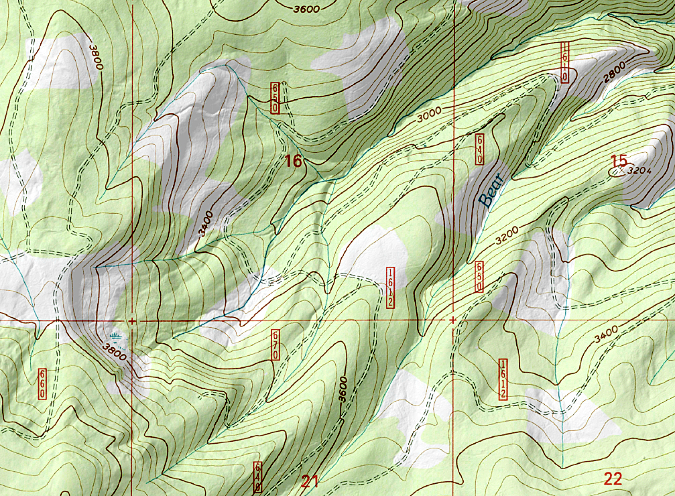
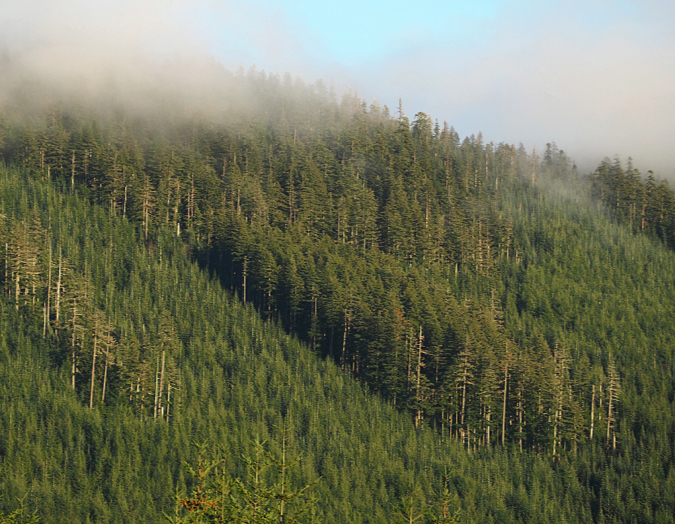
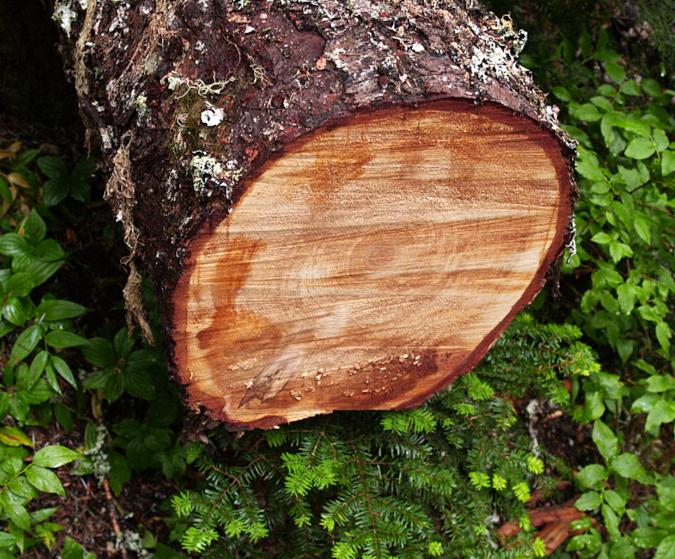
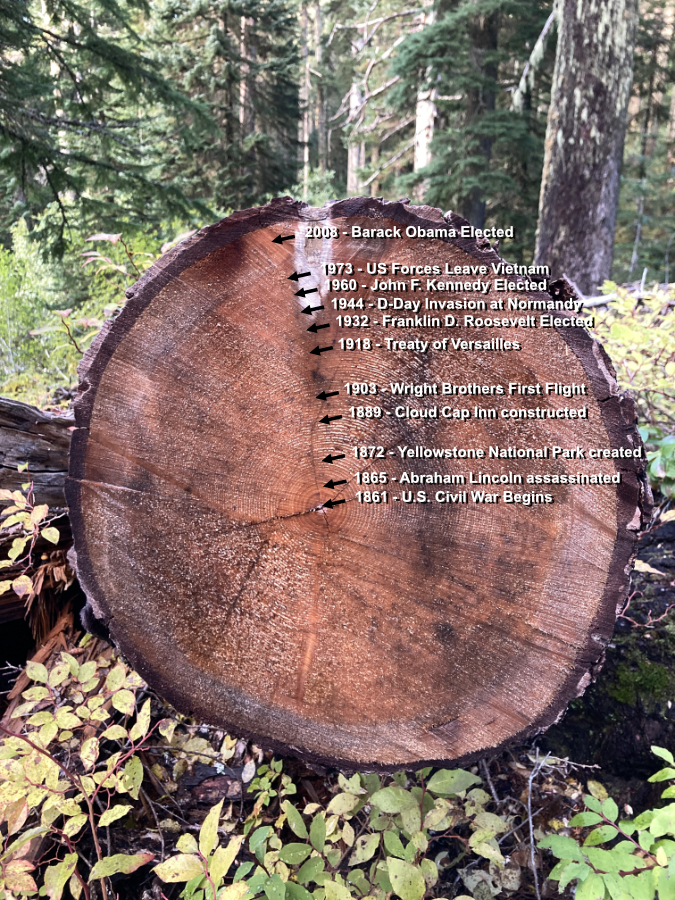
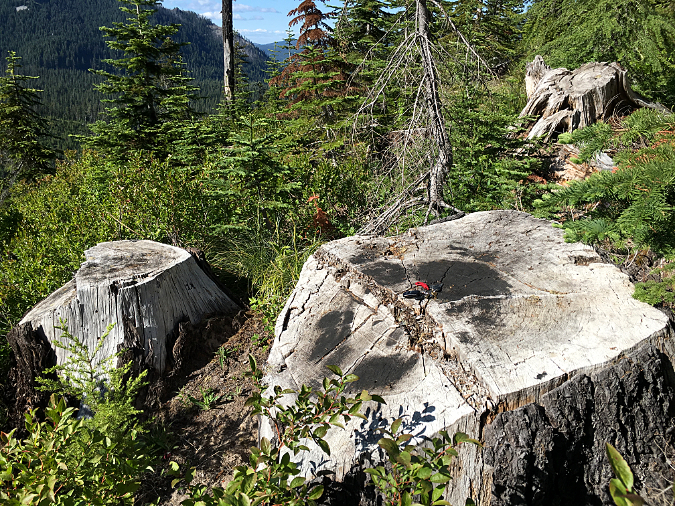
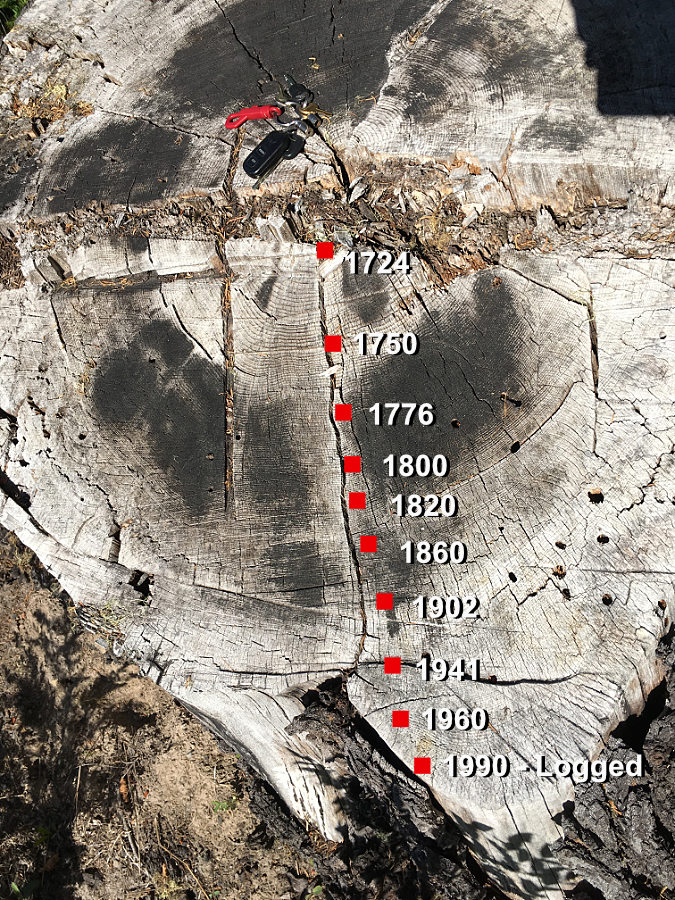
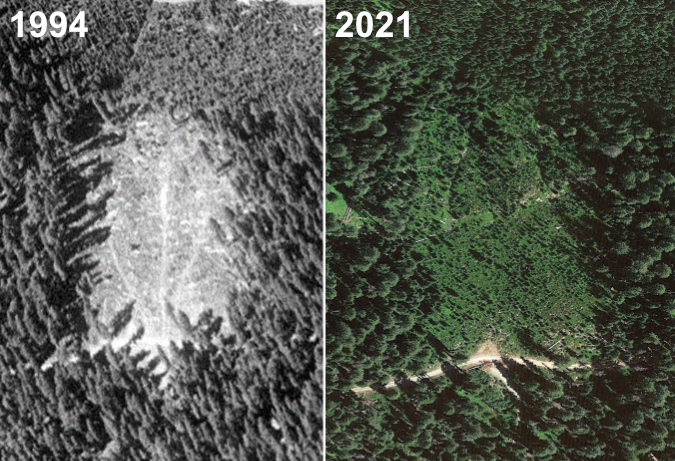
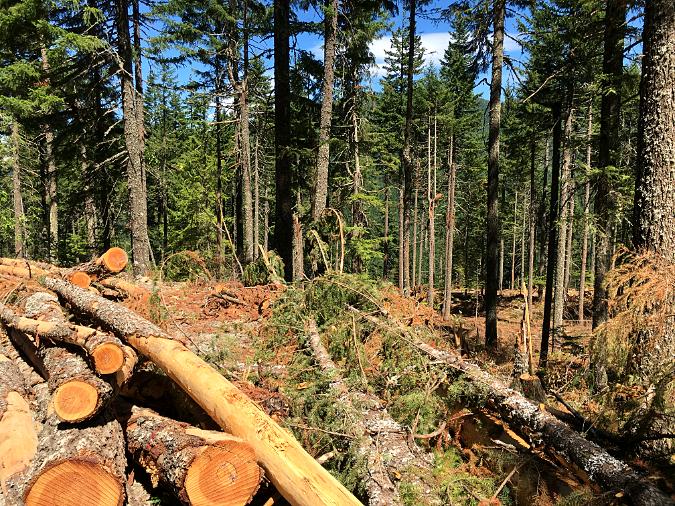
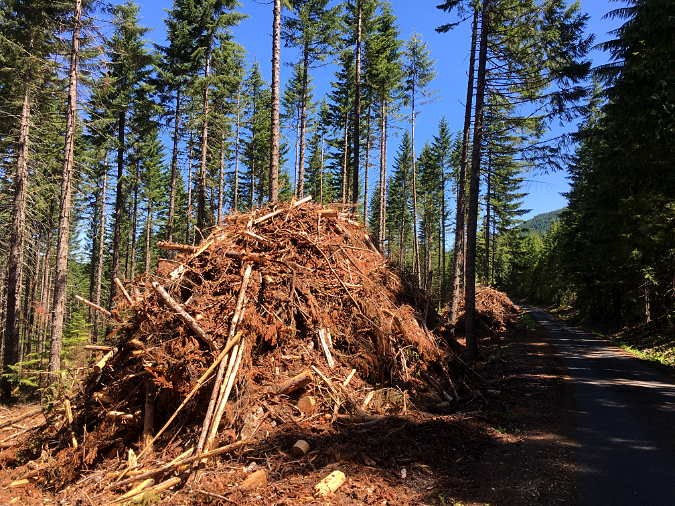
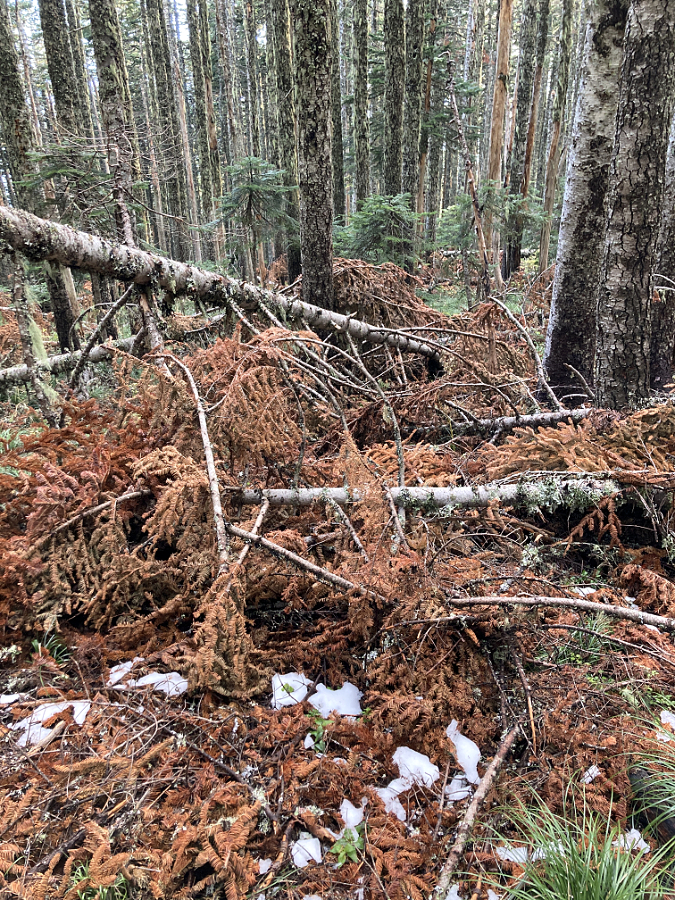
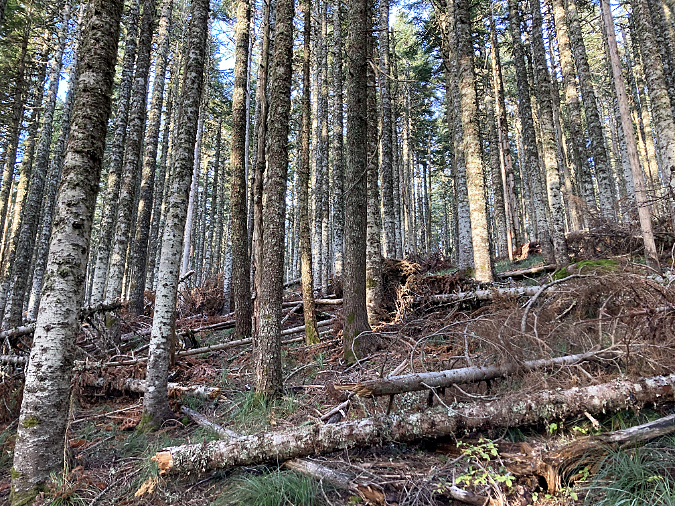
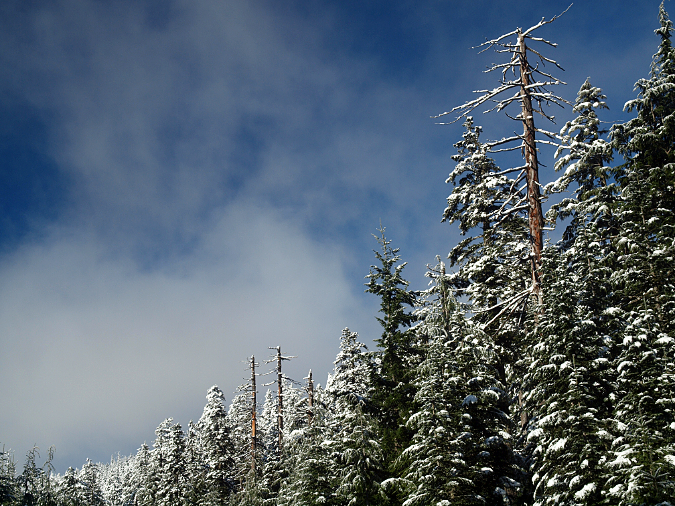
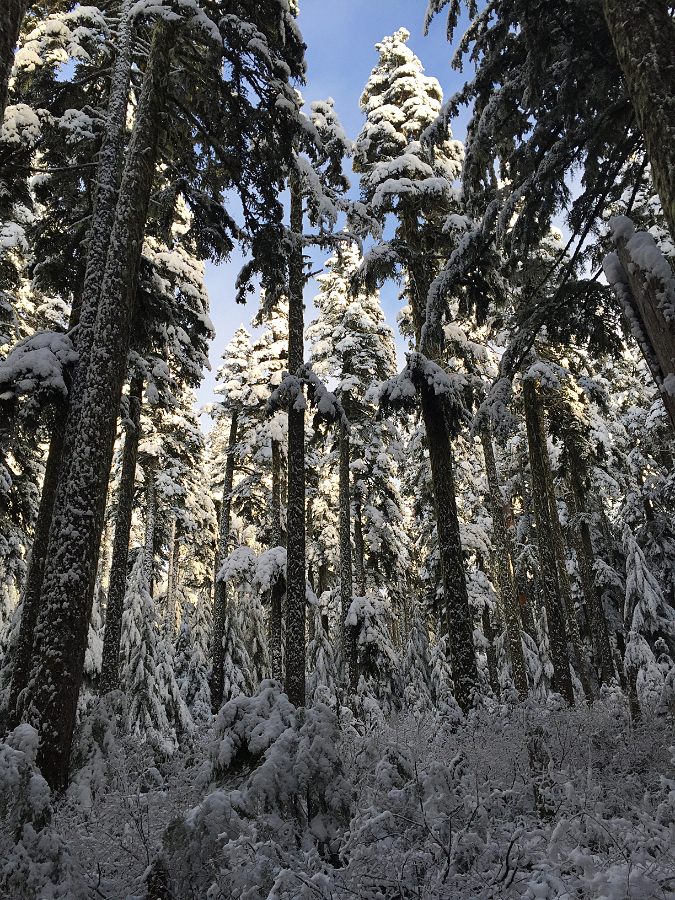
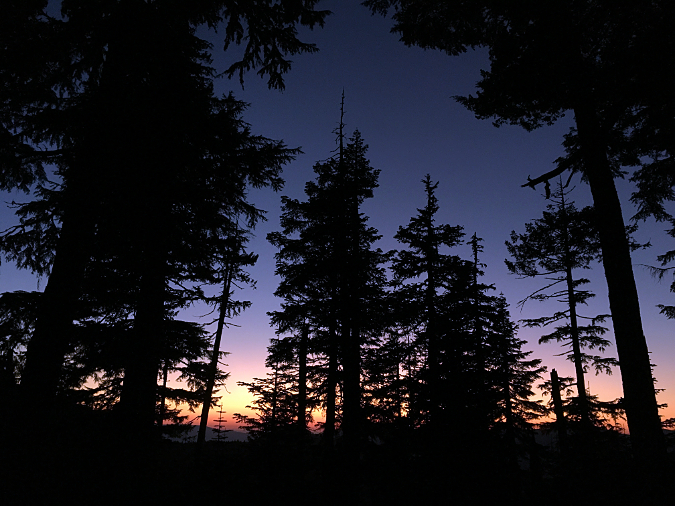
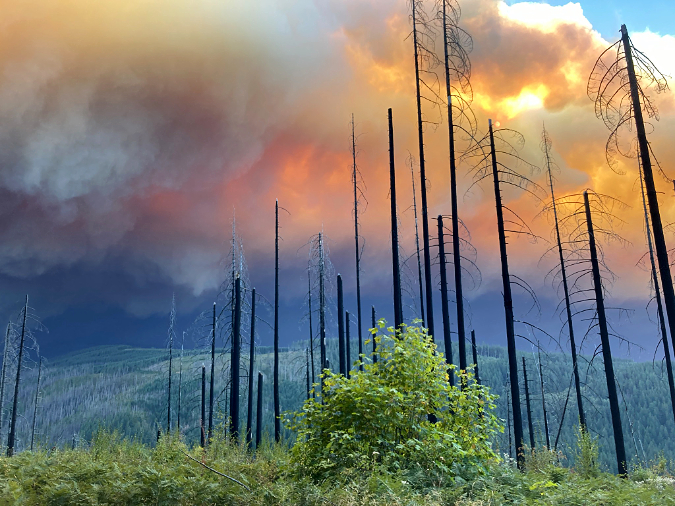
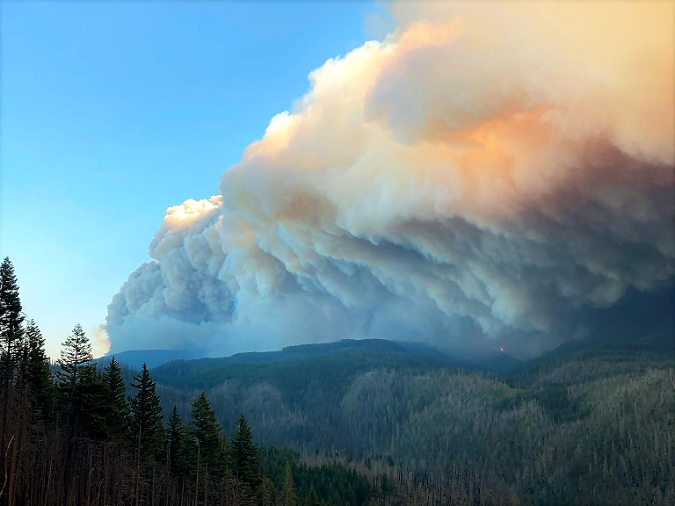
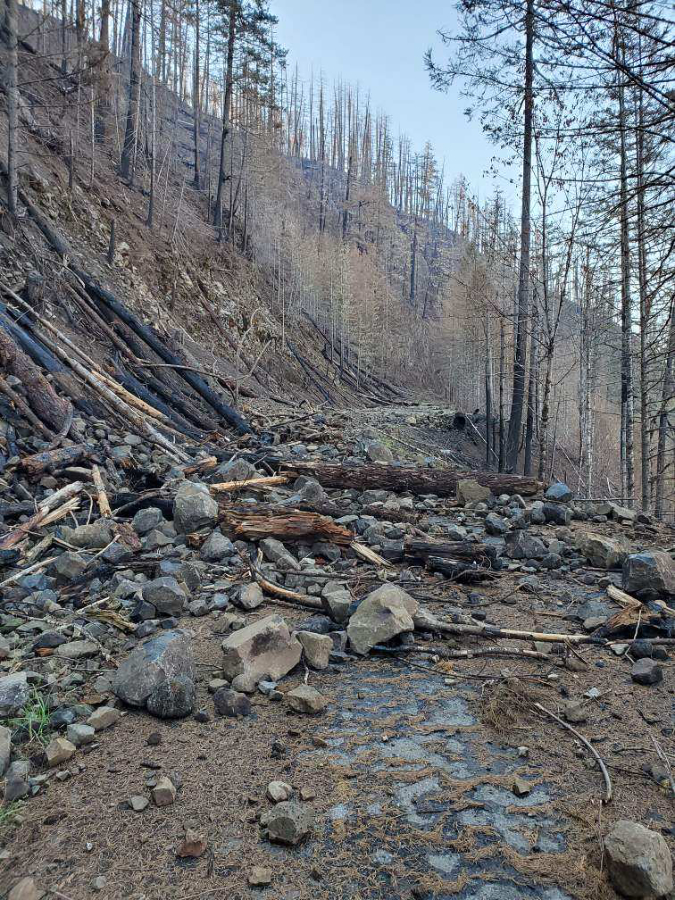
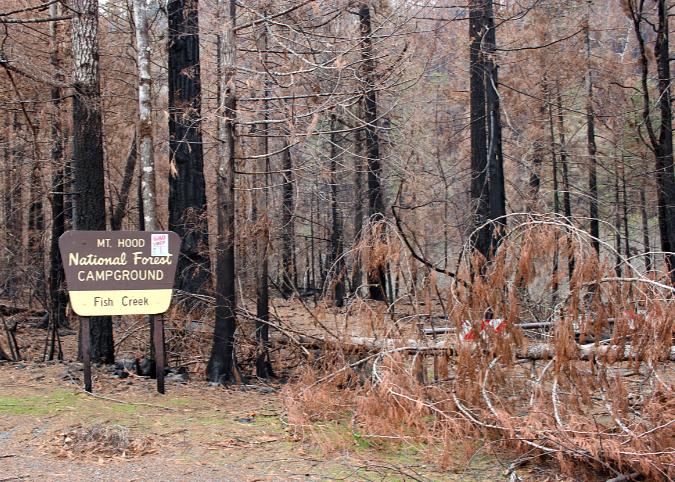
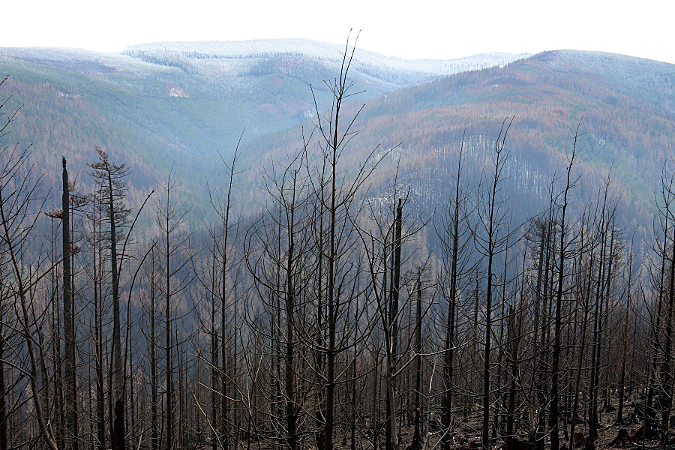
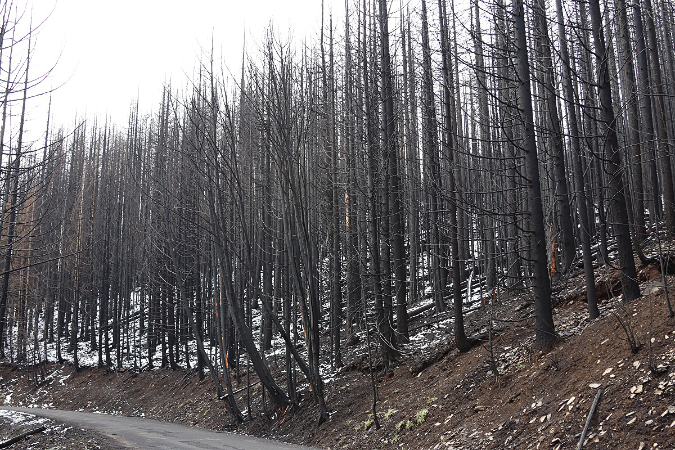
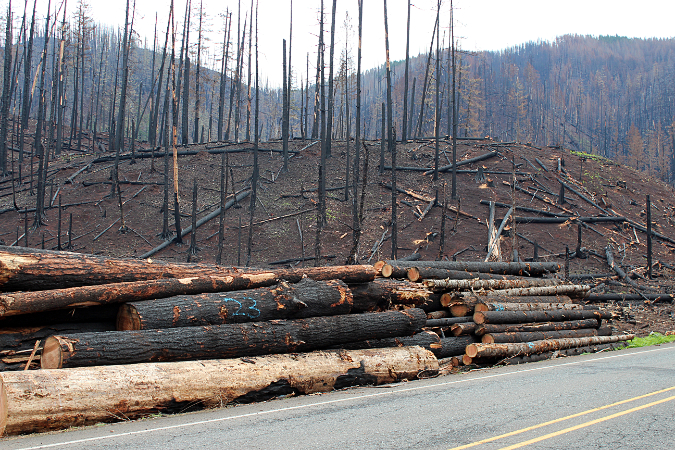
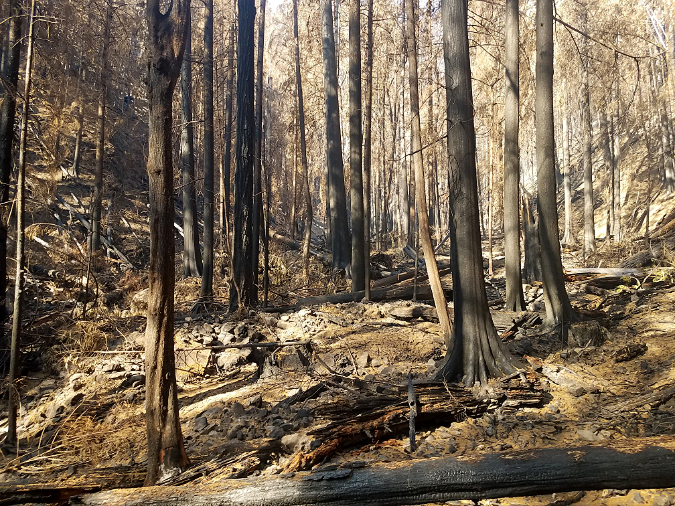
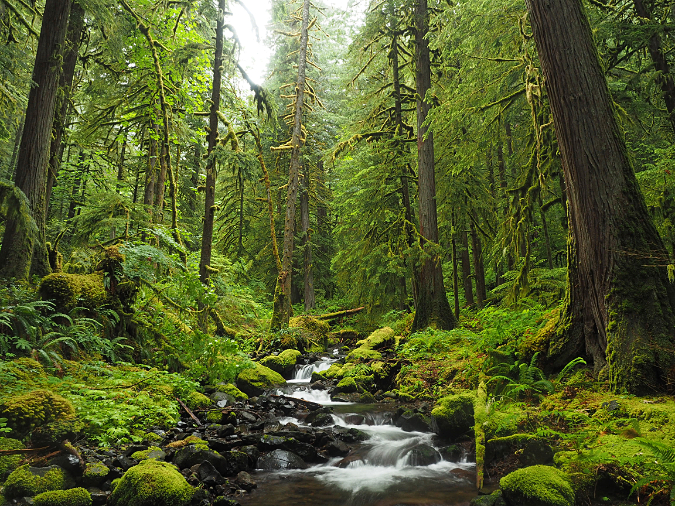
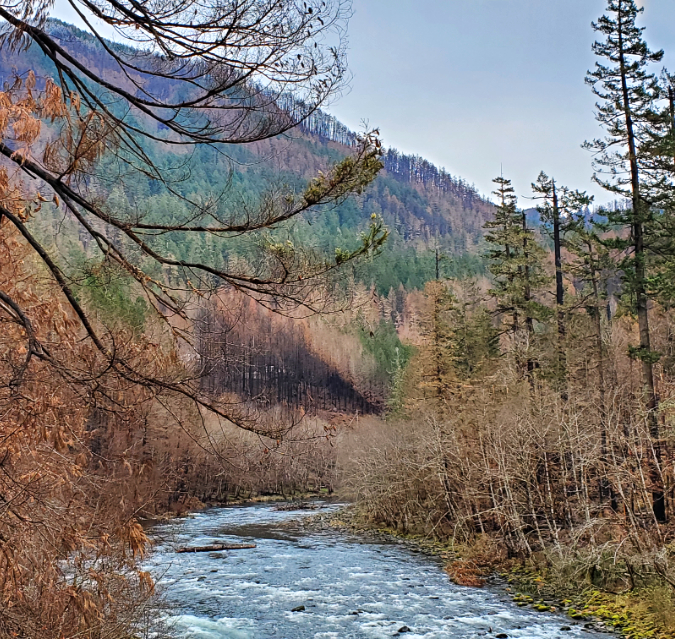
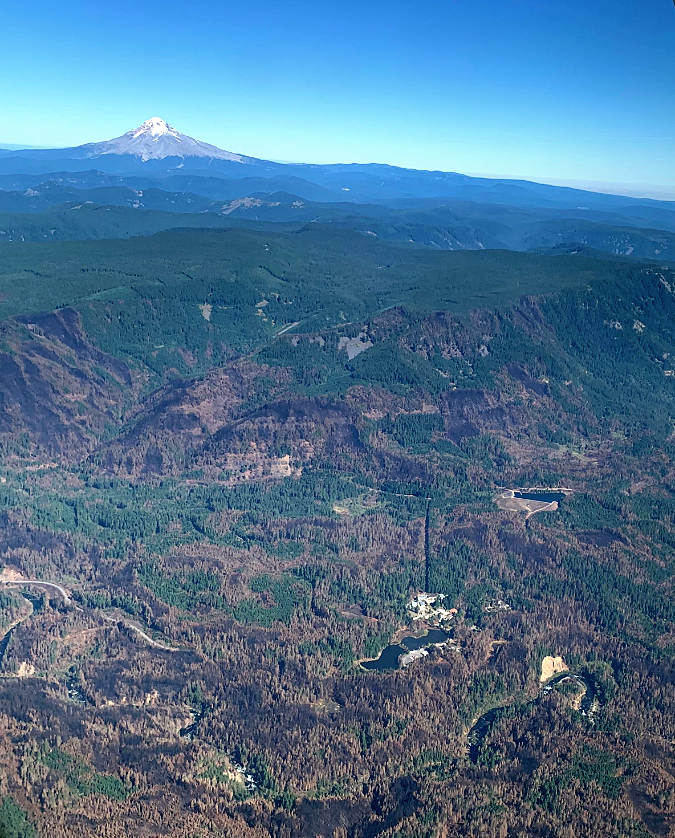
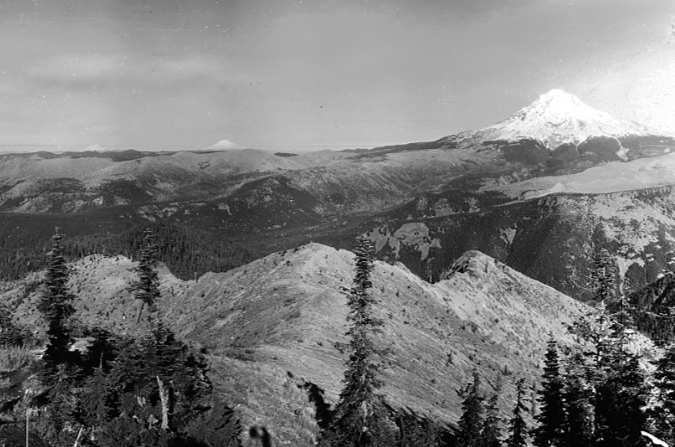

 WyEast Blog